Trump Prepares to Scrap 50-Year-Old Radiation Safety Rule
Source: The New Republic · Bias: Left
Summary
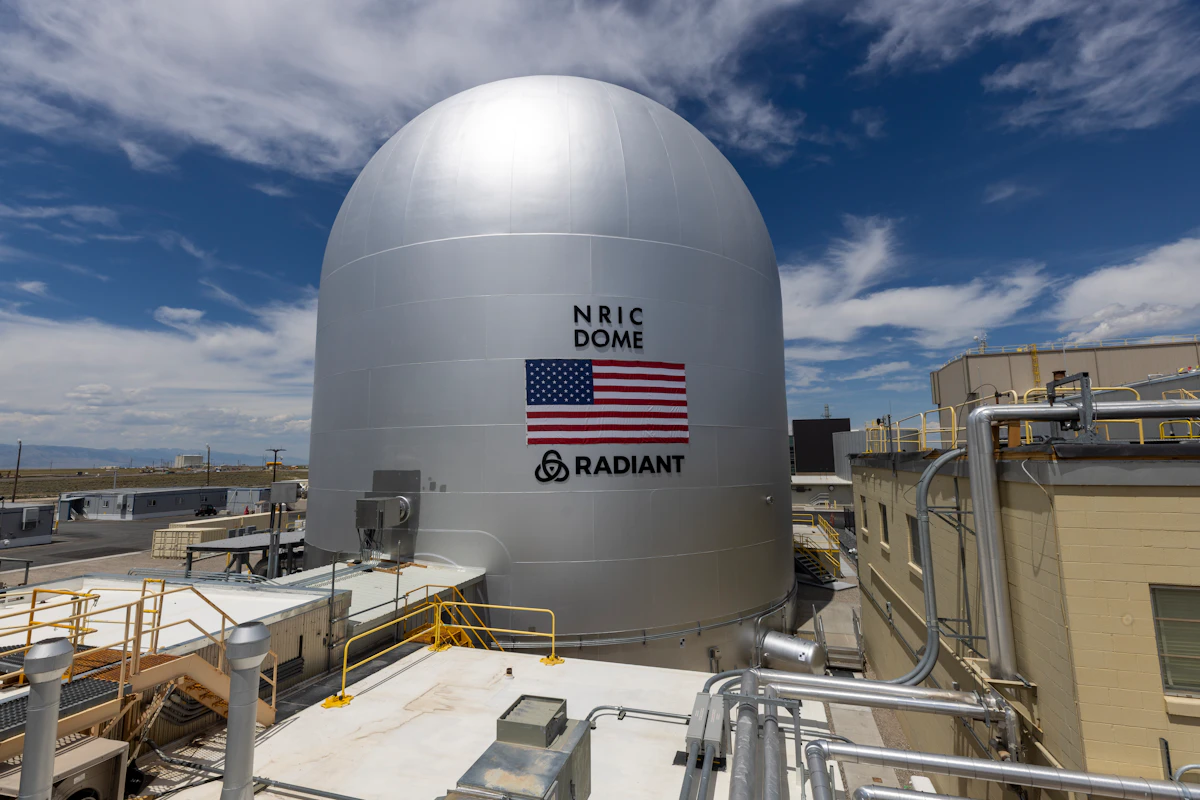
The White House wants to get rid of a radiation safety rule that is over 50 years old and has been adopted by other countries.The Nuclear Regulatory Commission is looking at eliminating the “as low as reasonably achievable” principle, which mandates that hospitals, nuclear plants, and other facilities keep radiation levels at an absolute minimum, even when they are already below legal limits. The rule would be replaced with a “graded approach” that puts different safety measures in place based on expected radiation exposure levels.The legal limits for workers and the public would stay the same, and the NRC said that the public would not be any less safe.“We’re just removing the ambiguity,” NRC Chair Ho Nieh said. “But the standard for exposure to workers and the public, those are not changing. We’re just putting in place greater clarification.”The nuclear industry is in favor of the move, with its main trade association, the Nuclear Energy Institute, claiming that safety is still a priority.“We will always continue to look at what we can do to reduce the dose to workers, and maintain our doses to the off-site public as low as possible,” Doug True, chief nuclear officer at the NEI, said to the Associated Press. “It’s not like we’re just going to throw open the doors and let everything run up to the limits.”But other experts are concerned about what will happen given that the new rule raises permissible radiation limits. Edwin Lyman, director of nuclear power safety at the Union of Concerned Scientists, told the AP that the new proposal could raise radiation doses.President Trump wants four times as much domestic nuclear energy production to satisfy the growing electricity demand from new data centers powering artificial intelligence. He issued four executive orders in May last year to boost government funding for nuclear power and overhaul nuclear regulations. In doing so, though, the president may get rid of some guardrails that protect Americans from the downsides of nuclear energy.
Related Coverage
- Trump administration makes big claims on noncitizen voting but won’t explain the math (Center — The Hill News)
- DoJ urges supreme court to allow Trump order targeting mail-in voting (Center Left — US news | The Guardian)
- Trump Says US Has Taken “Billions and Billions” From Venezuela and Iran Is Next (Far Left — Truthout)
- 'Dead on arrival': Legal expert floored by Trump's 'extraordinary' Supreme Court bid (Far Left — Raw Story)
- 'We're going to have chaos': Expert sounds the alarm after Trump DOJ's election appeal (Far Left — Raw Story)
- Trump’s intel operations are endangering us all: ex-CIA analyst (Left — Alternet.org)
- Trump injecting 'real poison' into the midterms puts GOP 'in a weird spot': analyst (Far Left — Raw Story)
- 'Raise alarms for Republicans': Trump’s hometown newspaper has bad news for the GOP (Left — Alternet.org)
Daily Analysis
Read the full Parallax Pulse for July 27, 2026 — an AI-powered analysis of how Left and Right media covered the biggest stories this day.
More Headlines From July 27, 2026
- As COVID deaths mounted, Fauci’s diaries tell a very different story (Far Right)
- NBA star Kyle Kuzma blasts Mamdani for ‘cosplaying’ as ‘a mayor playing president’ after Netanyahu arrest fail (Right)
- Sen. Jim Banks Becomes THIRD Republican Senator to Demand Senate CANCEL August Recess Until SAVE America Act Passes (Far Right)
- Oil prices fall after weekend pause in US, Iran fighting (Center)
- People Who Thrust Men Into Girls’ Showers Should Never Babysit Your Kids (Far Right)