

Published 7/27/2026, 10:00:47 AM UTC
Monday's Summary
This briefing analyzes the news climate of the previous 24 hours, ending July 26, 2026. Today’s report examines a significant judicial ruling on election procedures, the escalating friction between the executive branch and the press following the White House Correspondents’ Dinner, and shifting political dynamics in New England.
How the coverage differs
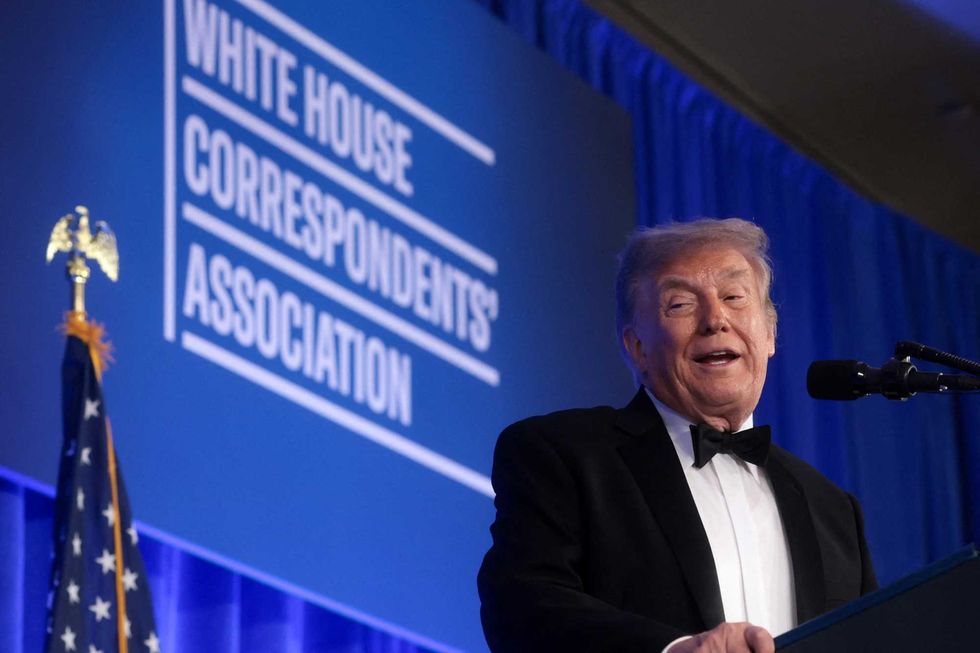
The most striking divergence involves the interpretation of the White House Correspondents’ Dinner. While both sides reported on the event, left-leaning outlets focused almost exclusively on the President's behavior—specifically his comments toward Kaitlan Collins and the use of AI-generated imagery—framing it as an attack on press decorum and gender. Conversely, right-leaning outlets ignored the specific AI controversy, focusing instead on the event's institutional bias. They framed the President's remarks as a legitimate response to a "ritzy" and "back-patting" media establishment that had just issued awards for stories critical of his administration.
Additionally, a significant "silence" exists regarding the Maine Senate race and the federal court ruling on mail-in voting. While the Left heavily promoted the judicial defeat of the Trump administration’s voting executive order, right-leaning outlets prioritized the Troy Jackson nomination in Maine. This suggests a strategic split in priorities: the Left is focusing on the legal and constitutional battles surrounding election mechanics, while the Right is focusing on localized electoral vulnerabilities and the cultural friction between the administration and the media.

Top NYT journo calls on reporters to ‘rethink’ White House Correspondents Dinner after Trump dares to clap back
During the ritzy WHCD redo Friday, the back-patting association doled out awards to reporters for stories fiercely critical of Trump, including his past association with late sex predator Jeffrey Epstein

Van Jones gives Trump credit for attending WHCA dinner before blasting his speech as ‘mean and small’
After Trump’s remarks at the event, Jones offered a harsh rebuke to the president’s comments.
Left-Leaning Media's Perspective
- Judicial Rejection of Voting Restrictions: Major outlets highlighted a decision by the 1st US Circuit Court of Appeals, which declined to lift an injunction against a presidential executive order. The order sought to tighten mail-in voting rules in 23 states, but the court sided with Democratic-led states, maintaining that key portions of the directive appear unconstitutional.
- Trump’s Social Media Conduct: There was intense focus on the President’s escalating verbal and digital attacks on CNN anchor Kaitlan Collins. Reports detailed Trump sharing an AI-manipulated image of Collins following his comments at the White House Correspondents’ Dinner, where he compared her to a transgender influencer and told her to "smile more."
- Constitutional Protections: Coverage emphasized the legal victory for "states' rights," framing the court's rebuff of the executive order as a necessary check on federal overreach regarding the administration of elections.
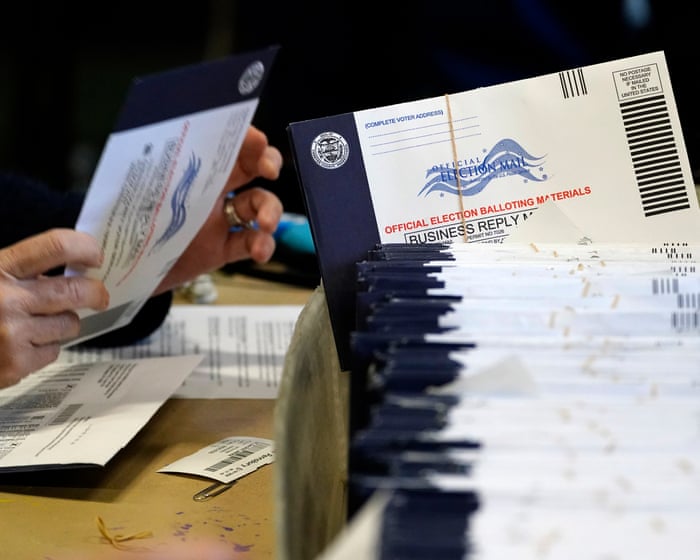
Appeals court rejects Trump bid to curb mail-in voting in 23 states
Judge rejects administration’s request to lift injunction secured by several Democratic-led states on 25 JuneA federal appeals court on Saturday declined to allow Donald Trump’s administration to implement in 23 states his executive order that aims to tighten rules for mail-in voting before the…
Trump escalates attacks on Kaitlan Collins with new AI-slop jab
President Donald Trump escalated his multi-day spat with CNN's Kaitlan Collins Sunday, sharing an edited image depicting her as Dylan Mulvaney – building on his earlier claim that the anchor resembles the transgender influencer.On Friday at the White House Correspondents Dinner, Trump said that…
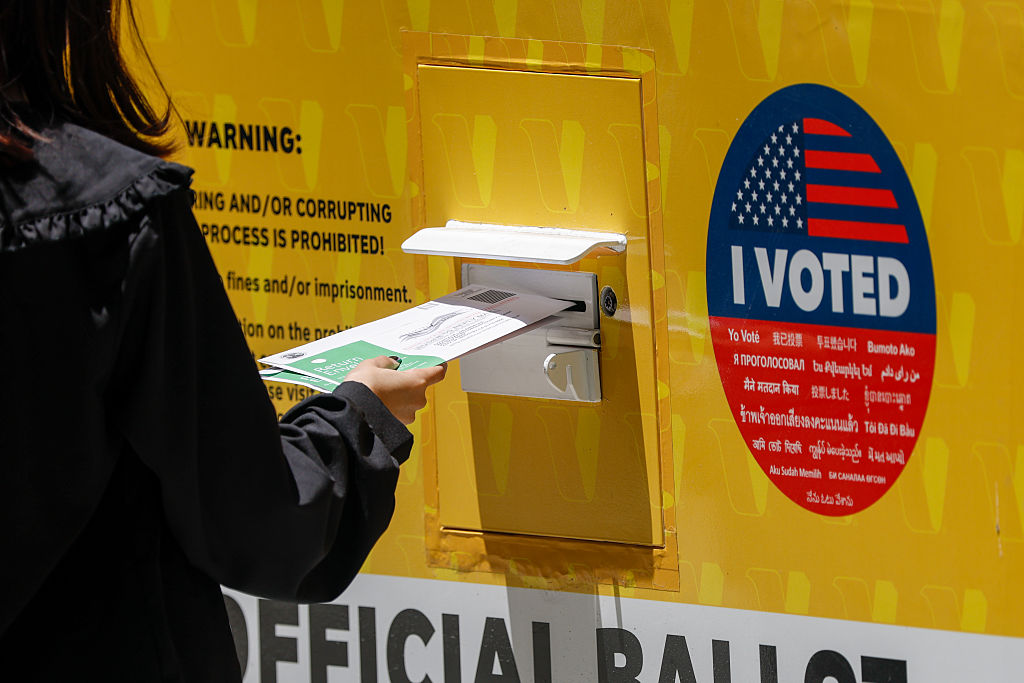
Court rebuffs Trump EO on mail voting rules
Court continues blocking key portions of Trump's executive order, siding with states' rights and the Constitution
Right-Leaning Media's Perspective
- Critique of the White House Correspondents’ Dinner: Narrative focus centered on the perceived hostility of the press corps. Outlets amplified calls from some journalists to "rethink" the annual event, arguing that the association utilized the dinner to reward reporting fiercely critical of the President rather than fostering a neutral environment.
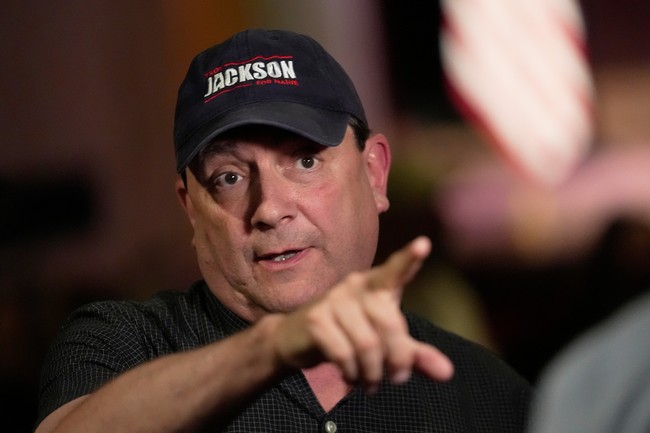
- Maine Senate Developments: Significant attention was paid to the Maine Senate "do-over" race. Following the confirmation of Troy Jackson as the new Democratic nominee, reports suggested the party may face "big trouble" in holding the seat, framing the special election as a potential Republican pickup opportunity.
- The President’s "Clap Back": While some analysts like Van Jones critiqued the President’s speech as "mean and small," right-leaning coverage focused on the President’s willingness to attend the event and directly challenge a press corps they characterized as self-congratulatory.
Top NYT journo calls on reporters to ‘rethink’ White House Correspondents Dinner after Trump dares to clap back
During the ritzy WHCD redo Friday, the back-patting association doled out awards to reporters for stories fiercely critical of Trump, including his past association with late sex predator Jeffrey Epstein