
BBC News
Oil prices slide on hopes of US-Iran peace deal
Trump said on Saturday that an agreement would include the reopening of the Strait of Hormuz, without giving further details.
Center

Although U.S. and Iranian negotiators have agreed to broad principles of a deal, including on several of the thorniest of issues that divide the bitter rivals, President Trump cautions the White House will not be rushing into signing any agreement. Imtiaz Tyab reports.
Trump said on Saturday that an agreement would include the reopening of the Strait of Hormuz, without giving further details.

Putting an end to Iran's apocalyptic nuclear ambitions is a job that must not be left half-finished, which explains the panic that greeted reports of President Trump's initial peace deal.
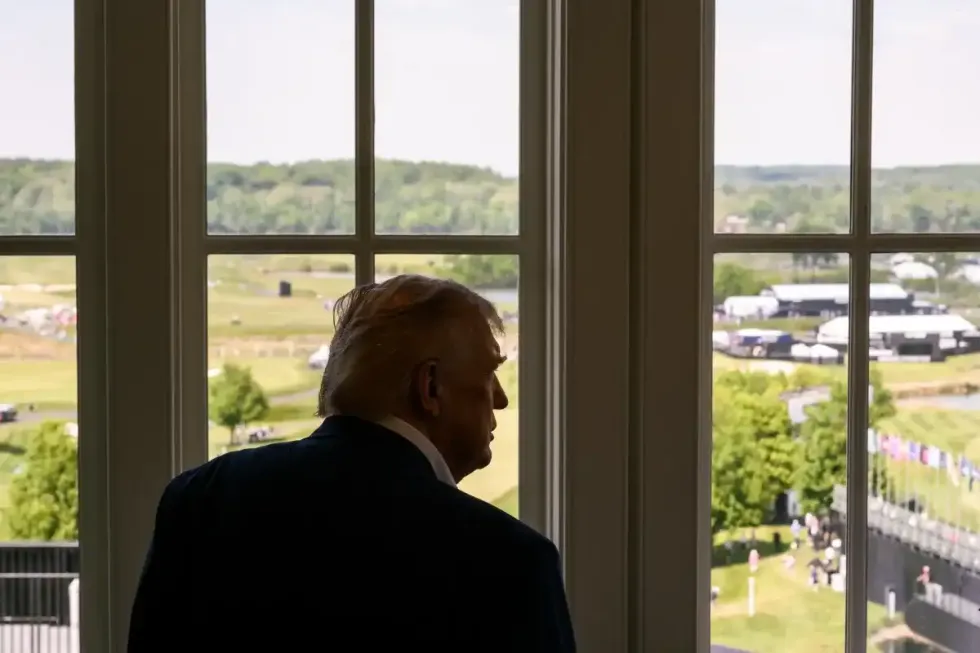
On Saturday, President Donald Trump announced via social media that a negotiated settlement with Iran to end the war had “been largely negotiated," but on Sunday, a foreign policy expert raised doubts about whether the president himself authored the post, and what that may reveal about the ongoing negotiations.“First of all, there's no misspellings, there [are] no grammatical errors, there are no attempts at humiliating any side. He's got the titles and the names of each of these different world leaders correct,” said Trita Parsi, an Iranian-Swedish writer, political analyst and co-founder of the Quincy Institute for Responsible Statecraft, during an appearance on “Breaking Points.”“I'm mentioning this because before, we have seen Truth Social posts by the president in which he says 'we're really close [to a deal with Iran],' and it's not a serious post – it is timed to manipulate the markets, it doesn't have any indication that anyone else has reviewed the post in any way shape or form.”He added, “This clearly was not written by him alone, although it does have his flavor to it as well towards the end.”As to why Trump may allow someone other than himself to author a social media post on his personal Truth Social account, Parsi suggested it to be a form of protection from domestic right-wing figures that have urged him to walk away from negotiations and resume the war against Iran.“It gives him a certain degree of protection here in Washington,” Parsi said. “We saw the massive meltdown of warmongers last night when this was first announced, and even before it was announced when they were getting notice that this was coming. They were just in a public panic.”In his announcement, Trump named nearly a dozen world leaders that had helped in negotiations between Washington and Tehran. Their inclusion, Parsi claimed, may have been a pro-active attempt to get ahead of right-wing critics of a deal to end the war.“For him to be able to say 'look, I'm doing it because all of these regional leaders are asking me to do this' is very important,” Parsi said. “Not just to be able to show the regional anchoring of this, but also to be able to deflect the criticism that invariably will come, which is 'you abandoned Israel.' Well, perhaps Israel had abandoned the United States by manipulating the United States into this war in the first place.”
The outlines of a 60-day framework agreement suggest U.S. concessions before a nuclear deal is signed.
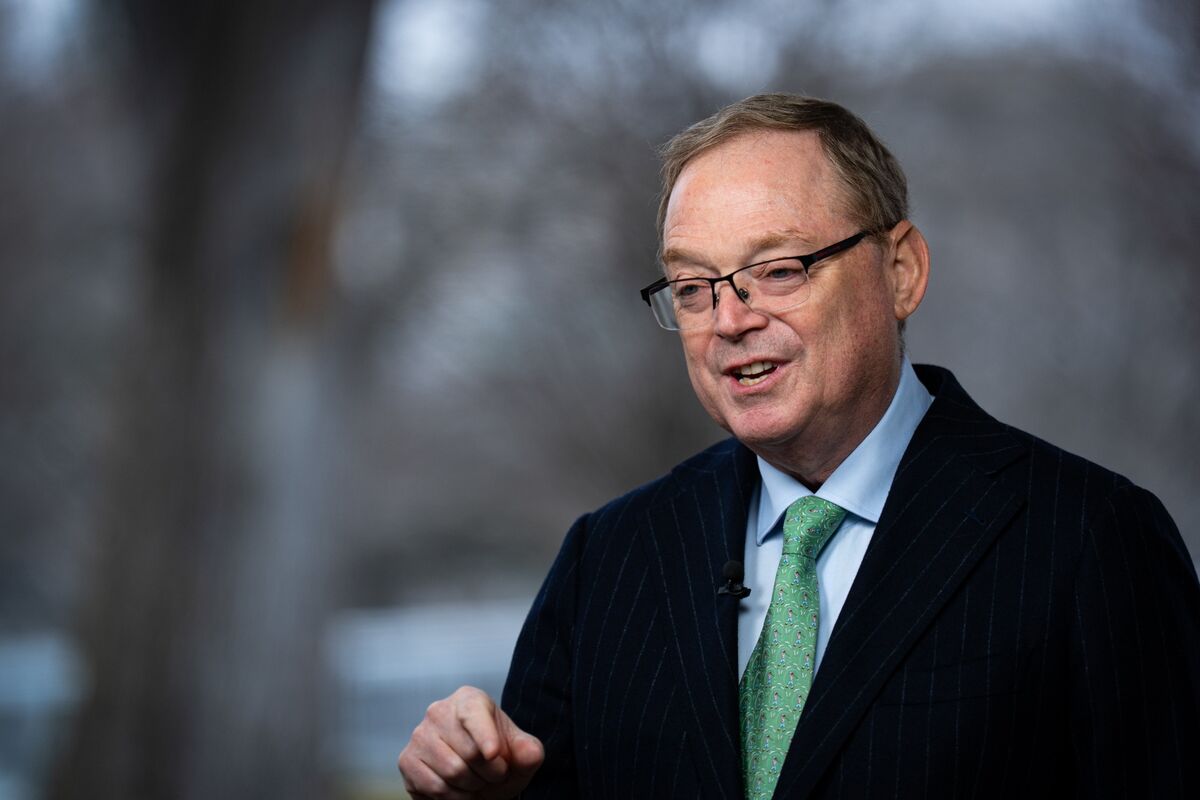
Kevin Hassett, President Donald Trump’s chief economic adviser at the White House, signaled he’s confident that an eventual drop in oil prices will create space for the Federal Reserve to lower interest rates.
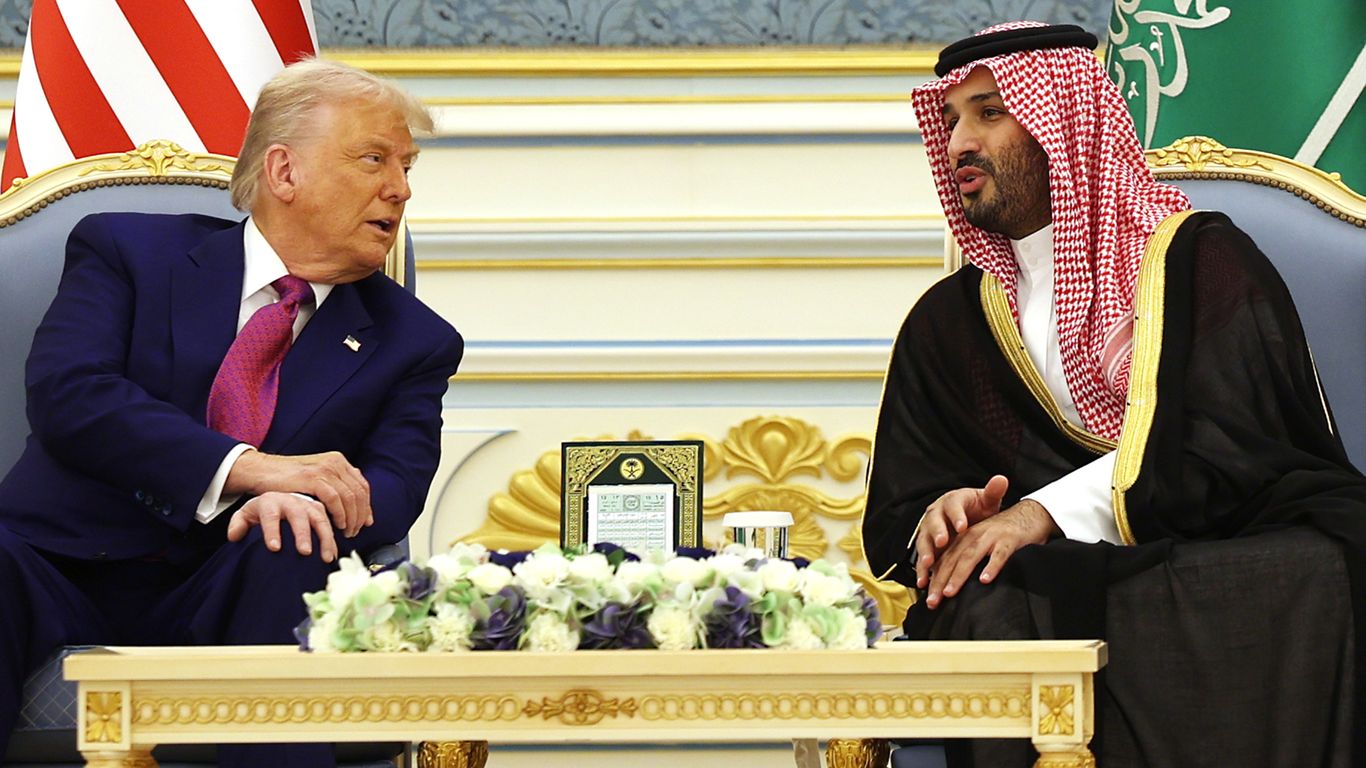
President Trump told leaders of several Arab and other Muslim countries during a Saturday conference call that if a deal to end the Iran war is achieved he wants their nations to sign peace agreements with Israel, per two U.S. officials with direct knowledge of the call. Why it matters: Trump's remarks on Israel and the countries signing onto the Abraham Accords during the call signal the next big step he wants to take in the Middle East after the war. Trump is aiming mostly at a historic Saudi-Israeli peace agreement, but the current political climate in the region and the upcoming Israeli election make any near term breakthrough extremely difficult. Driving the news: On Saturday, Trump held a phone call with the leaders of Saudi Arabia, the United Arab Emirates, Qatar, Pakistan, Turkey, Egypt, Jordan and Bahrain to discuss the emerging deal with Iran.Leaders including UAE President Mohammed bin Zayed, who has had a more hawkish view on the Iran war, said they support it."They all said we are with you on this deal. And if it doesn't work we will be with you too," a U.S. official said.Behind the scenes: A U.S. official with knowledge of the conversation said Trump told the leaders that he would call Israeli Prime Minister Netanyahu next and stressed that he hoped that in the near future Israel's leader would be on the same call.Trump told the leaders that after the war with Iran ends he expects all of them who are still not part of the Abraham Accords or don't have peace agreements with Israel to join and normalize relations with the Jewish state, two U.S. officials said. The leaders, especially those of Saudi Arabia, Qatar, and Pakistan who don't have formal diplomatic relations with Israel, were surprised by Trump's request. "There was silence on the line and Trump joked and asked if they are still there," one of the U.S. officials said. Trump then told the leaders that his envoys Jared Kushner and Steve Witkoff will follow up on this issue in the coming weeks. What they are saying: "I would like to thank, thus far, all of the countries of the Middle East for their support and cooperation, which will be further enhanced and strengthened by their joining the Nations of the historic Abraham Accords," Trump wrote in a post on Truth Social on Sunday. He floated the idea of Iran joining the Abraham Accords one day. It would require Tehran to recognize Israel, something it has refused to do for decades. The current Iranian regime sees Israel as an enemy and is committed to its destruction. Senator Lindsey Graham (R-S.C.) who criticized the emerging deal with Iran and is a leading force in Congress for the expansion of the Abraham Accords wrote on X on Sunday that he supports Trump's request to the Arab and other Muslim leaders. "If in fact as a result of these negotiations to end the Iranian conflict, our Arab and Muslim allies in the region agreed to join the Abraham Accords, it would make this agreement one of the most consequential in the history of the Middle East," he said. Graham called on Saudi Arabia and other countries to adhere to Trump's request. "If you refuse to go down this path as suggested by President Trump, it will have severe repercussions for our future relationships and make this peace proposal unacceptable. Further, it would be seen by history as a major miscalculation," he wrote. Yes, but: Saudi Arabia's Crown Prince Mohammed Bin Salman had expressed willingness to normalize relations with Israel, but over the past year he has cooled down on this issue. Trump asked Bin Salman to join the Abraham Accords during their Oval Office meeting last November. The Saudi crown prince pushed back and the meeting got tense. The Iran war and Saudi Arabia's rift with the UAE have pushed the Kingdom to take a more skeptical and tough position towards Israel's far-right government. Saudi officials still demand that Israel commits to an irreversible and time-bound path for a Palestinian state as a condition for them normalizing relations. The Israeli government refuses this. Israeli and U.S. officials think Riyadh will not take any steps on this issue ahead of Israel's elections planned for September and before it sees which government is sworn in.

Negotiations are "in a very good place," a senior Trump official said, but, a deal to end the Iran war likely will not be signed this weekend.
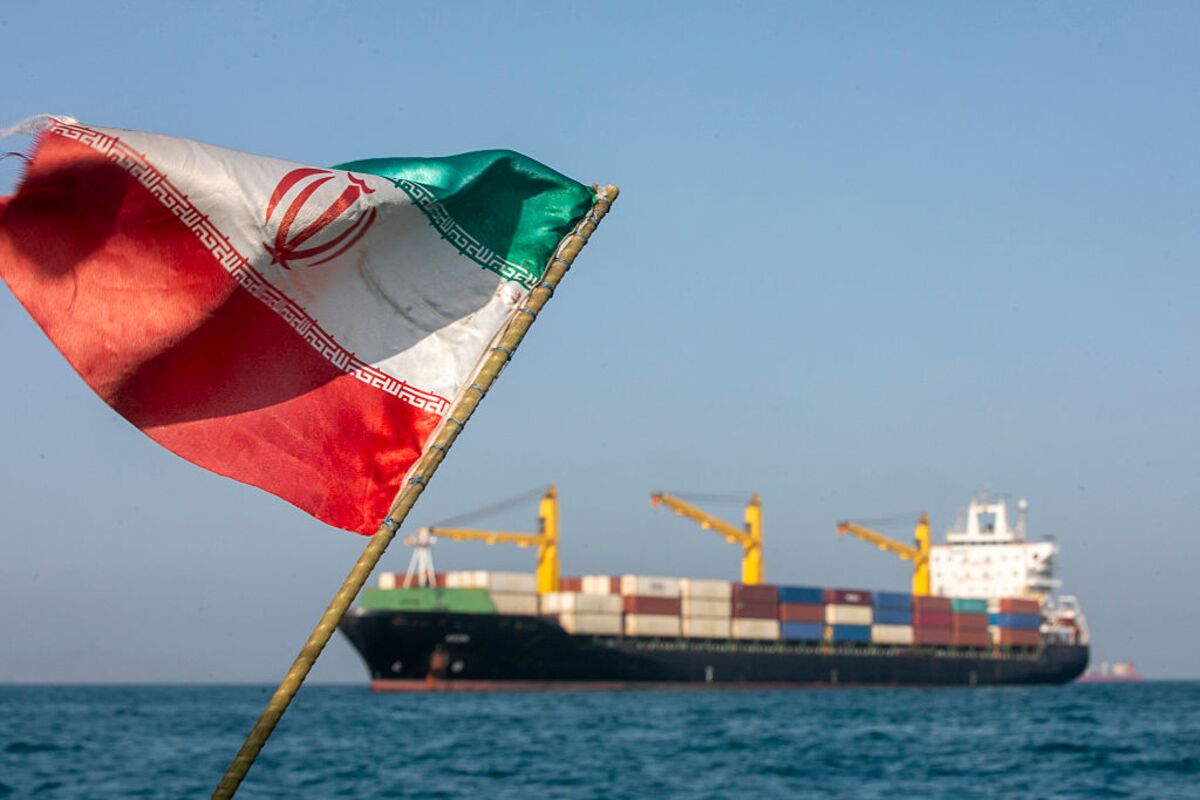
US Secretary of State Marco Rubio said there may be “some good news” regarding the blocked Strait of Hormuz in the coming hours, as Iran and Washington press ahead with peace negotiations.