Hassett Says Ending Iran War May Create Room for Fed Rate Cut
Source: Bloomberg Politics · Bias: Center
Summary
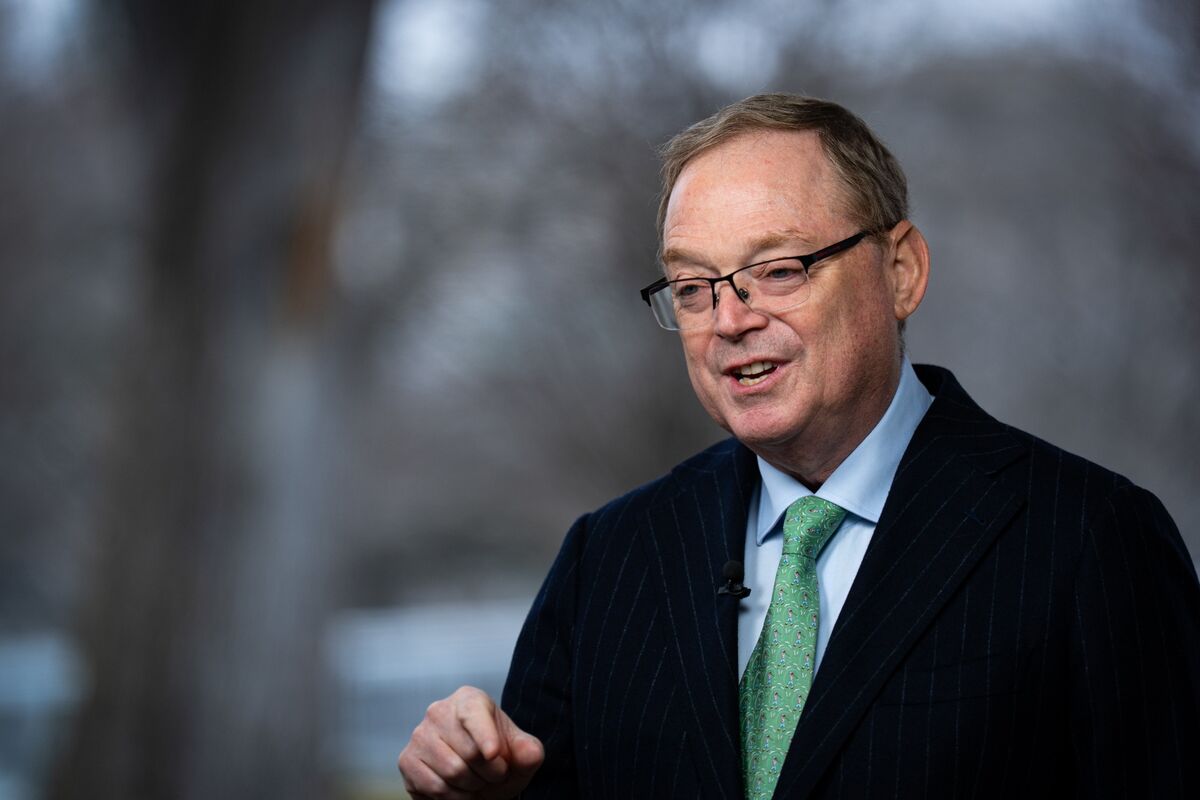
Kevin Hassett, President Donald Trump’s chief economic adviser at the White House, signaled he’s confident that an eventual drop in oil prices will create space for the Federal Reserve to lower interest rates.
Hassett Says Ending Iran War May Create Room for Fed Rate Cut
Center
Kevin Hassett, President Donald Trump’s chief economic adviser at the White House, signaled he’s confident that an eventual drop in oil prices will create space for the Federal Reserve to lower interest rates.
Meet the Press moderator Kristen Welker joins NBC’s Joe Fryer on Sunday TODAY to discuss reports that President Donald Trump is putting plans to expand the war in Iran on hold as pressure mounts. “After weeks of saying Iran wanted to make a deal, he’s now saying Iran isn’t ready to make a deal so it’s just not clear where the offramp is here,” Kristen says.
President Trump late Saturday night once again urged Republican senators to “terminate the filibuster” in an effort to pass his oft-championed voting bill and other legislation “before it’s too late.” “The all Republican Senators! Terminate the Filibuster, which the Dumocrats will do as soon as they get the chance, and PASS THE SAVE AMERICA ACT,…
The Trump administration reached two weeks of renewed strikes on Iranian military targets this week, with tensions in the region remaining high heading into Sunday. Iran-backed Houthi rebels launched missiles and drone attacks at Saudi Arabia on Saturday, in an apparent retaliation for Saudi attacks on a coastal city in Yemen. It was the latest…
The U.S. and Iran militaries did not exchange fire overnight Saturday, breaking a streak of 13 consecutive days of tit-for-tat strikes over alleged violations of a ceasefire agreement signed last month. A spokesperson for the country’s health ministry confirmed there were no new attacks in a Saturday social media post. “It seems our dear Iran…
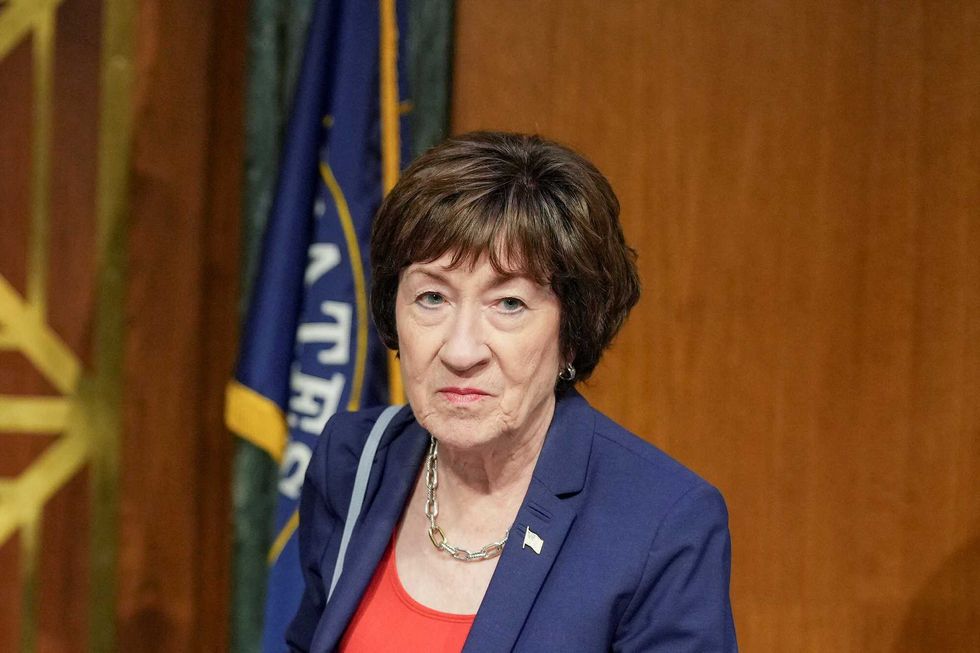
Maine Democrats on Saturday overwhelmingly nominated Troy Jackson, a former state Senate president and logger by trade, as their party’s nominee to challenge longtime Republican incumbent Susan Collins in November’s high-stakes US Senate election.“Well, thank you, Maine,” Jackson, 58, said after securing the votes of 566 of 571 delegates during Saturday’s special Democratic convention at Cross Insurance Center in Bangor. “Today we turn the page, today this becomes a general election campaign, and today we win the work of defeating Susan Collins in November.”“For nearly 30 years, Collins has told Maine that she is ‘concerned’,” Jackson said, referring to the 73-year-old incumbent’s go-to word when President Donald Trump and Republicans attack rights and justice. “She was concerned while she rubber-stamped Trump’s Medicaid cuts and gutted our healthcare.”“She’s concerned when she cut taxes for corporations and the wealthy,” he continued. “Concerned when she confirmed justices who overturned Roe v. Wade. And really tragically, she was concerned when she gave [US Immigration and Customs Enforcement] billions to terrorize our neighbors and murder people in the streets with no accountability.”“But concern does not lower the costs of groceries or gas,” Jackson said. “Concern does not keep our monitoring wards of rural hospitals like down in Lincoln County open. Concern does not restore all the rights that she’s taken away. Maine does not need another six years of concern. We need someone with courage. We need a fighter, and we need a senator who remembers exactly who sent them to Washington.”“So if you’ve ever been ignored, underestimated, pushed around, or told that you have to wait your turn while the rich cut the line, I’m asking you to stand with us in this campaign,” he continued. “If you believe in your heart that healthcare is a right, stand with us. And if you believe that workers deserve power, stand with us. And if you believe our freedoms are worth defending, stand with us.”“And if you believe that Maine deserves a senator who will fight like hell for working-class people, well, stand with us,” Jackson added. “We have a party to unite, we have a movement to build, and we have a senator to defeat.”Jackson’s improbably rapid rise followed former Democratic nominee Graham Platner’s withdrawal from the race earlier this month amid allegations of sexual assault and abusive behavior. Supporters of Platner’s progressive platform warned at the time that they would not back a replacement candidate who did not share the same pro-worker, anti-war agenda.While Collins spokeswoman Blake Kernen called Jackson a “low-energy version” of Platner, Maine Democrats decided the fifth-generation lumberjack fit the bill.“The working class has been left behind and forgotten about,” Shelly Mountain, a former Aroostook County Democratic Committee chairwoman and Jackson delegate at the convention, told NBC News. “He is definitely working class and always—has always—been a champion for the working class.”Progressive politicians, advocacy groups, and labor organizations cheered Jackson’s nomination, with Sen. Elizabeth Warren (D-Mass.) saying that “he’s ready to fight for working people and flip this seat.”International Association of Machinists and Aerospace Workers (IAM) president Brian Bryant said Saturday that “Troy Jackson knows firsthand what it means to work hard for a living and fight for a better future for working families.”“Throughout his career, he has stood shoulder-to-shoulder with union members and working people, never backing down from a challenge when workers’ rights were on the line,” he added. “He represents the strength of a people-powered movement focused on fairness, opportunity, and economic justice. Troy has our full support as he heads to the general election.”