Oil prices slide on hopes of US-Iran peace deal
Trump said on Saturday that an agreement would include the reopening of the Strait of Hormuz, without giving further details.

Crude oil prices dropped about $5 per barrel Sunday evening in the first major trading since the emergence of rough and tentative outlines of a deal to end the U.S.-Iran conflict.Why it matters: The throttling of the Strait of Hormuz is raising energy costs and weighing down economies worldwide — including the U.S., where average pump prices are about $1.50-per-gallon above pre-war levels.And the crisis is poised to worsen as global crude oil inventories are depleting at a record pace.The latest: Futures prices from the global benchmark Brent crude are back under $100 per barrel, trading around $98.76 Sunday evening, a 4.62% drop from Friday's close. Reality check: Even if an agreement that opens the Strait is reached — a process that could take days, per Axios' Barak Ravid — energy markets will remain disrupted for months.As of mid-May, the conflict was blocking the flow of around 14 million barrels of oil per day, according to the International Energy Agency.Saudi Arabia and the United Arab Emirates have increased the use of pipelines that bypass the Strait, but those added volumes don't come close to offsetting what normally travels through the narrow waterway.The waterway handles about a fourth of the global maritime oil and a fifth of the liquefied natural gas trade.And several Persian Gulf producers have dialed back production as storage space filled up, and that takes time to come back online.What they're saying: "Gas prices are currently falling but until we see an agreement signed & a significant amount of ships transit through the Strait, the national average price of gasoline will likely remain well above $4/gal," Patrick De Haan, head of petroleum analysis for the data and analysis firm GasBuddy, posted on X.The intrigue: Even if a deal emerges, it's not clear whether shippers will have confidence to quickly resume large-scale transport of crude oil and petroleum products.And some Asian markets with acute fuel needs take weeks to reach from the region.What we're watching: "[D]e-mining the Strait, evacuating trapped tankers and restarting production could take weeks to months," the research firm ClearView Energy Partners said in a client note Sunday."[R]epairing damaged facilities, restoring pre-war output levels, and restocking depleted inventories could take multiple calendar quarters to years," the research firm added in the note sent ahead of markets opening.Editor's note: This story has been corrected to show the strait handles about a fourth of the maritime oil trade (not a fifth).
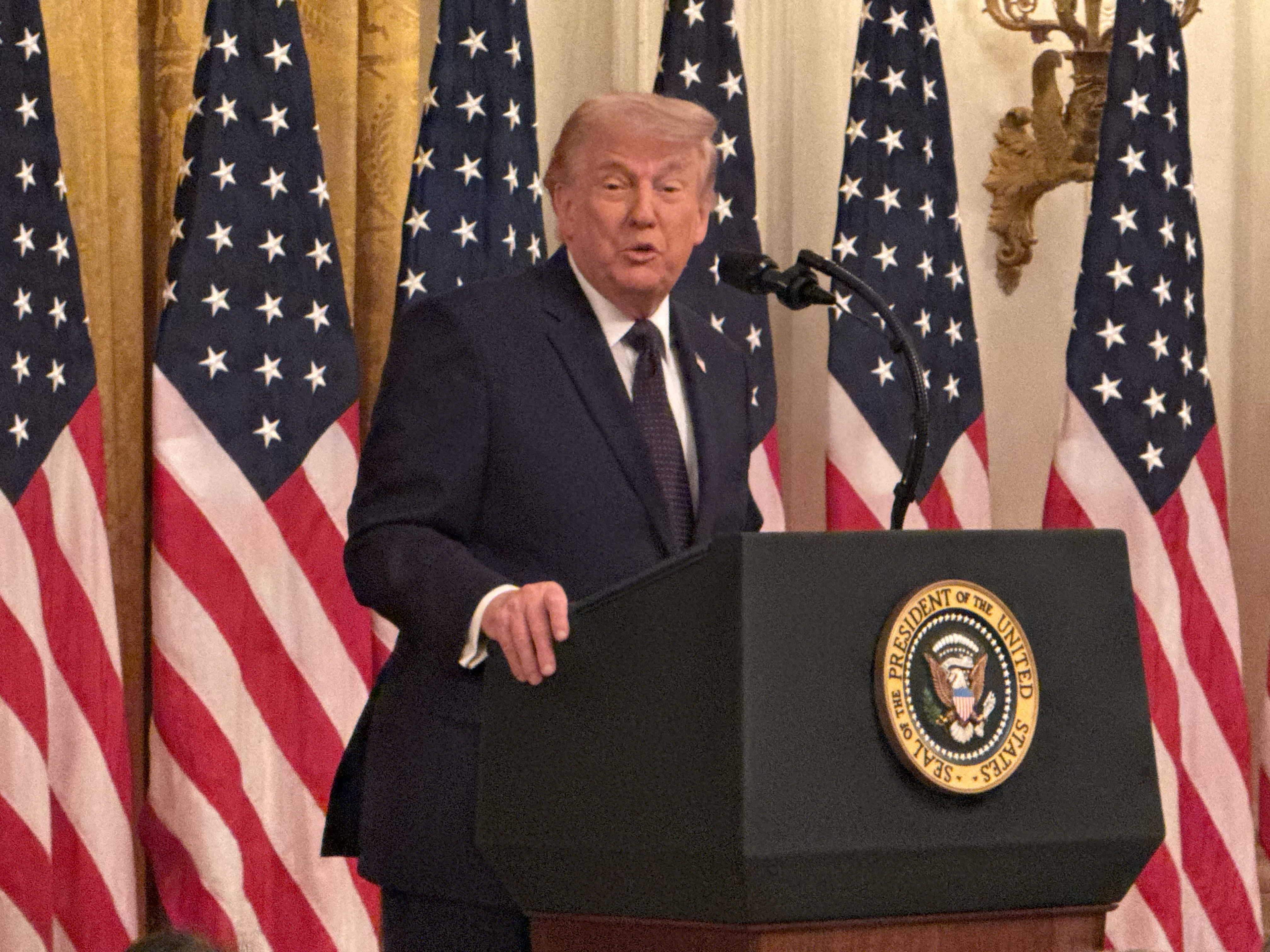
Trump said on Saturday that an agreement would include the reopening of the Strait of Hormuz, without giving further details.
'We're structuring this in such a way where they make commitments on the enriched stockpile, but they don't get a dime unless they deliver on their commitments,' the senior official stated.
Putting an end to Iran's apocalyptic nuclear ambitions is a job that must not be left half-finished, which explains the panic that greeted reports of President Trump's initial peace deal.
The outlines of a 60-day framework agreement suggest U.S. concessions before a nuclear deal is signed.
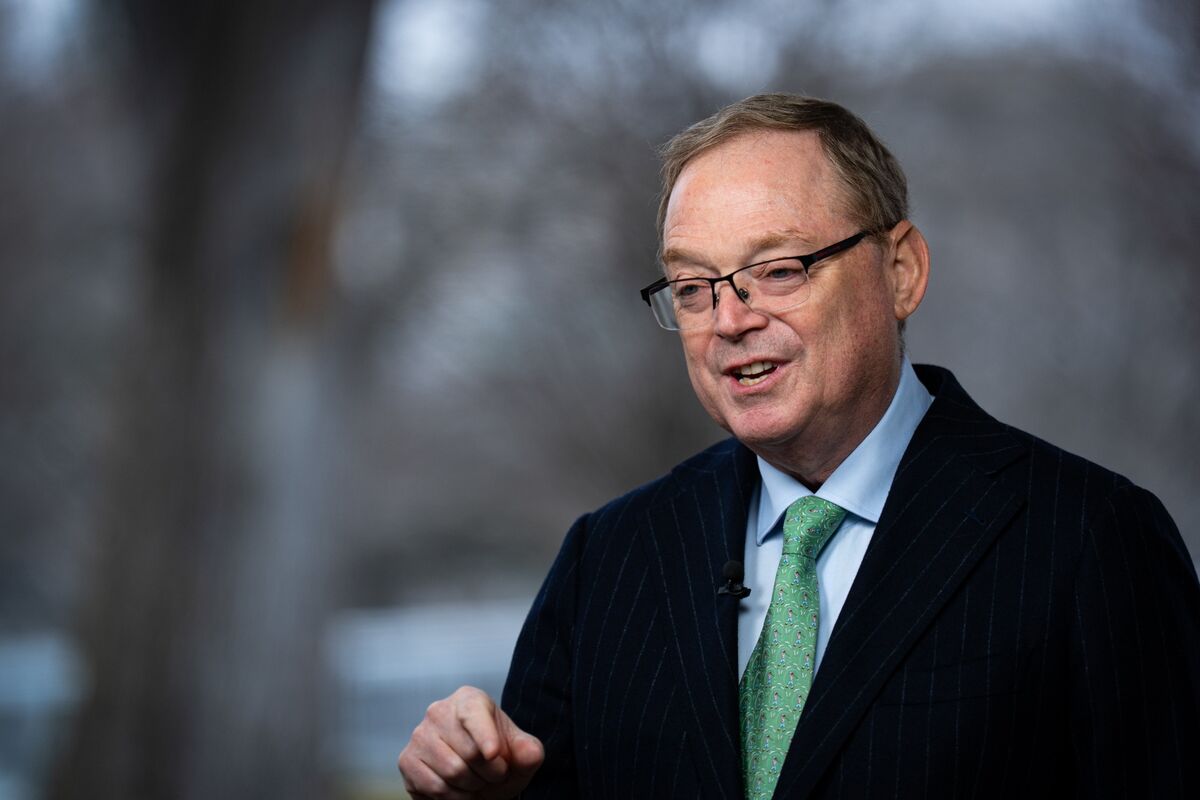
Kevin Hassett, President Donald Trump’s chief economic adviser at the White House, signaled he’s confident that an eventual drop in oil prices will create space for the Federal Reserve to lower interest rates.
President insists ‘I don’t make bad deals!’ as hawks from his own party call proposed agreement a disaster – key US politics stories from Sunday 24 May at a glanceDonald Trump defended himself against criticism from fellow Republicans on Sunday as he appeared on the verge of agreeing a deal with Iran to end the war.As hawks in his party called the proposed agreement a disaster and questioned why the US president had launched the conflict in the first place, Trump claimed on social media that his deal would be “THE EXACT OPPOSITE” of the one agreed by Barack Obama, which Trump pulled out of in 2018. Continue reading...
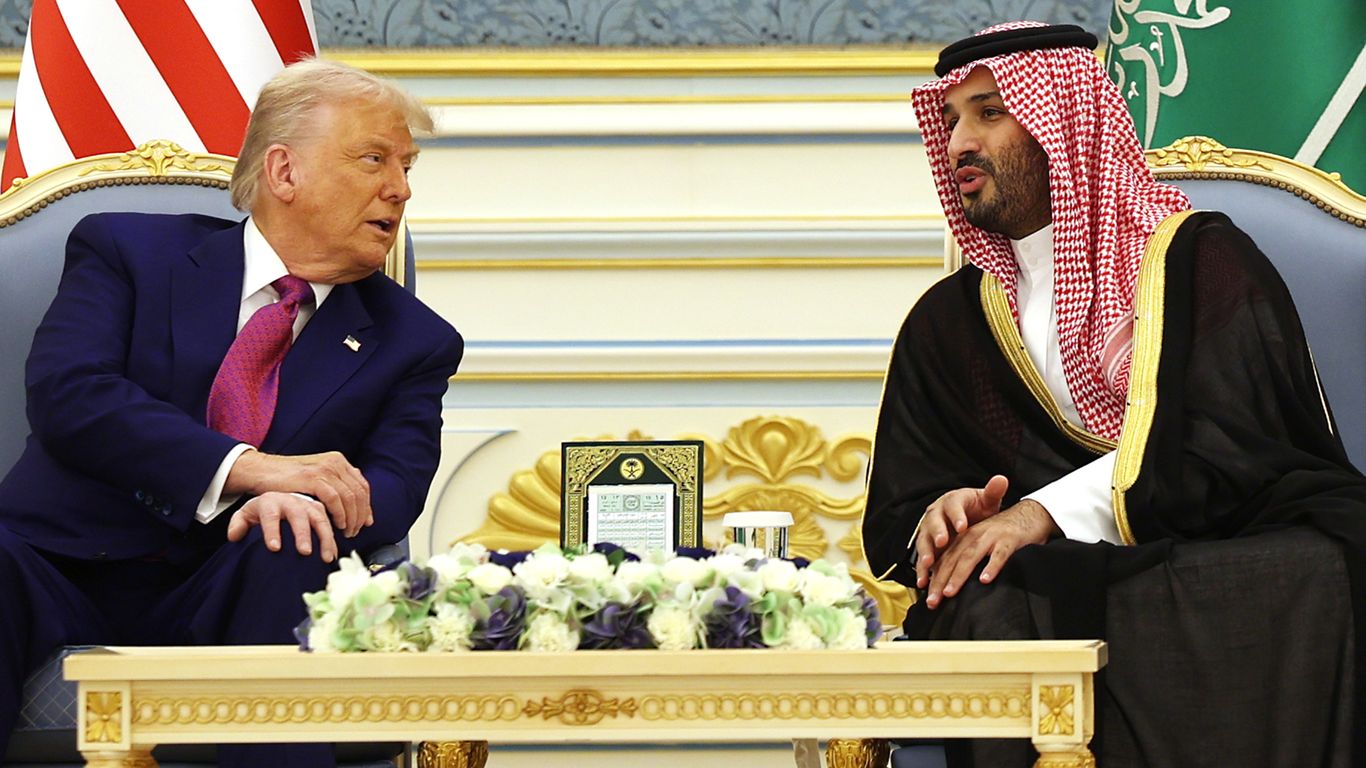
President Trump told leaders of several Arab and other Muslim countries during a Saturday conference call that if a deal to end the Iran war is achieved he wants their nations to sign peace agreements with Israel, per two U.S. officials with direct knowledge of the call. Why it matters: Trump's remarks on Israel and the countries signing onto the Abraham Accords during the call signal the next big step he wants to take in the Middle East after the war. Trump is aiming mostly at a historic Saudi-Israeli peace agreement, but the current political climate in the region and the upcoming Israeli election make any near term breakthrough extremely difficult. Driving the news: On Saturday, Trump held a phone call with the leaders of Saudi Arabia, the United Arab Emirates, Qatar, Pakistan, Turkey, Egypt, Jordan and Bahrain to discuss the emerging deal with Iran.Leaders including UAE President Mohammed bin Zayed, who has had a more hawkish view on the Iran war, said they support it."They all said we are with you on this deal. And if it doesn't work we will be with you too," a U.S. official said.Behind the scenes: A U.S. official with knowledge of the conversation said Trump told the leaders that he would call Israeli Prime Minister Netanyahu next and stressed that he hoped that in the near future Israel's leader would be on the same call.Trump told the leaders that after the war with Iran ends he expects all of them who are still not part of the Abraham Accords or don't have peace agreements with Israel to join and normalize relations with the Jewish state, two U.S. officials said. The leaders, especially those of Saudi Arabia, Qatar, and Pakistan who don't have formal diplomatic relations with Israel, were surprised by Trump's request. "There was silence on the line and Trump joked and asked if they are still there," one of the U.S. officials said. Trump then told the leaders that his envoys Jared Kushner and Steve Witkoff will follow up on this issue in the coming weeks. What they are saying: "I would like to thank, thus far, all of the countries of the Middle East for their support and cooperation, which will be further enhanced and strengthened by their joining the Nations of the historic Abraham Accords," Trump wrote in a post on Truth Social on Sunday. He floated the idea of Iran joining the Abraham Accords one day. It would require Tehran to recognize Israel, something it has refused to do for decades. The current Iranian regime sees Israel as an enemy and is committed to its destruction. Senator Lindsey Graham (R-S.C.) who criticized the emerging deal with Iran and is a leading force in Congress for the expansion of the Abraham Accords wrote on X on Sunday that he supports Trump's request to the Arab and other Muslim leaders. "If in fact as a result of these negotiations to end the Iranian conflict, our Arab and Muslim allies in the region agreed to join the Abraham Accords, it would make this agreement one of the most consequential in the history of the Middle East," he said. Graham called on Saudi Arabia and other countries to adhere to Trump's request. "If you refuse to go down this path as suggested by President Trump, it will have severe repercussions for our future relationships and make this peace proposal unacceptable. Further, it would be seen by history as a major miscalculation," he wrote. Yes, but: Saudi Arabia's Crown Prince Mohammed Bin Salman had expressed willingness to normalize relations with Israel, but over the past year he has cooled down on this issue. Trump asked Bin Salman to join the Abraham Accords during their Oval Office meeting last November. The Saudi crown prince pushed back and the meeting got tense. The Iran war and Saudi Arabia's rift with the UAE have pushed the Kingdom to take a more skeptical and tough position towards Israel's far-right government. Saudi officials still demand that Israel commits to an irreversible and time-bound path for a Palestinian state as a condition for them normalizing relations. The Israeli government refuses this. Israeli and U.S. officials think Riyadh will not take any steps on this issue ahead of Israel's elections planned for September and before it sees which government is sworn in.
Negotiations are "in a very good place," a senior Trump official said, but, a deal to end the Iran war likely will not be signed this weekend.