Op-ed views and opinions expressed are solely those of the author. Outsider Ambassador to Guatemala Can Combat Cartels President Donald Trump’s hemispheric counterterrorism agenda is on the […]
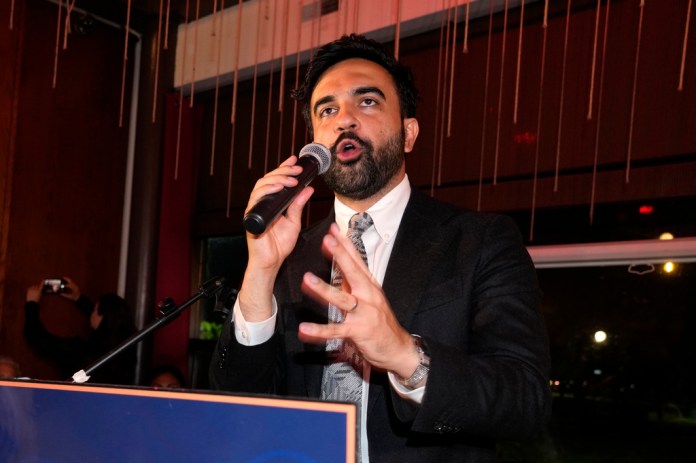
New York City Mayor Zohran Mamdani confirmed Wednesday that former Vice President Kamala Harris has been in contact with him for a few months, the latest indication that the former Democratic presidential nominee is strengthening ties with the party’s progressive wing as she weighs a possible 2028 White House bid. “Yes. That is true,” the […]
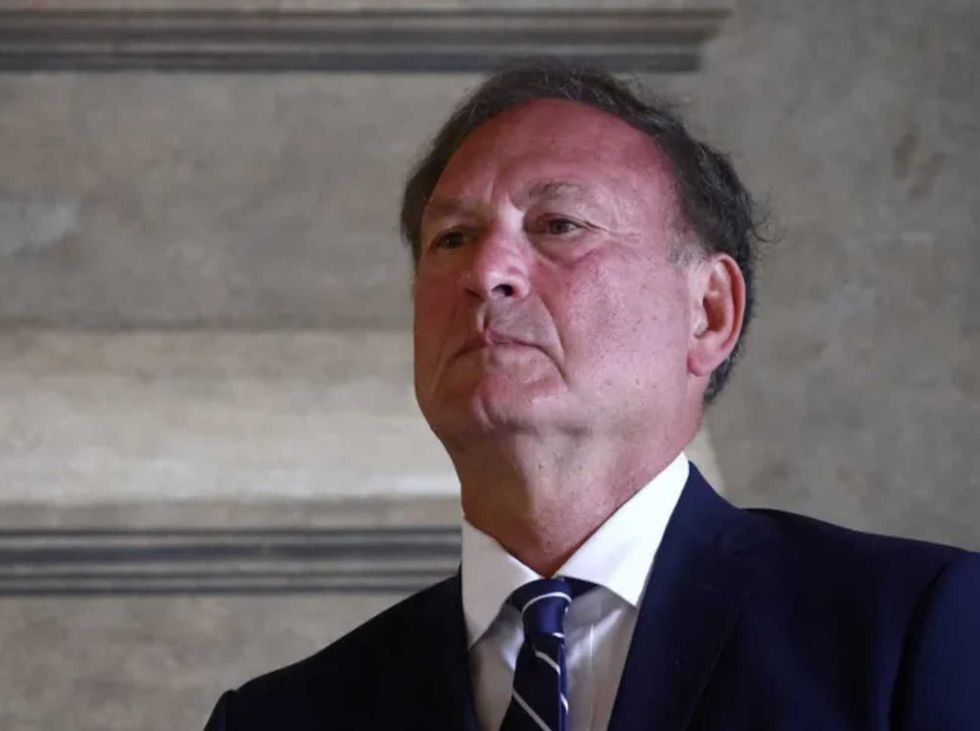
On Tuesday morning, amidst the release of several consequential Supreme Court rulings, NPR ran a story stating that Justice Samuel Alito had just announced his retirement — but he hadn’t. The news outlet quickly retracted the story, issuing an apology. But according to one DC insider, this minor media incident may have in fact revealed Alito’s impending retirement, which would have major implications for the future of the court and country. “Given that the Speaker had a statement ready to go, and that Nina Totenberg is the dean of the SCOTUS press corps, who is a logical recipient of this big retirement story, this looks like an embargo broken to me,” posted Douglas Farrar, Former Director of Public Affairs at the Federal Trade Commission. “I expect we'll see Alito announce his retirement soon.”Farrar was referring to three key points. First, the retracted NPR story by Nina Totenberg. Second, the rumor that House Speaker Mike Johnson (R-LA) had sent an email to staff and stakeholders with the subject “Thank you, Justice Alito.” And finally, the concept of a “media embargo,” in which a piece of news is shared with select media outlets with the understanding that it won’t be revealed until an agreed-upon time, allowing journalists to prepare their stories. As Farrar suggests, the NPR story and Johnson email could both be the result of a broken embargo, and Alito’s actual announcement is soon to come.If that is the case, it means two things. First, and less importantly, Totenberg and someone working in Johnson’s communications team have a lot of explaining to do, and they are unlikely to be trusted with scoops in the future. But more importantly, if Alito is in fact leaving, that means President Donald Trump will appoint his replacement — a move he would be eager to press with the midterms looming. If the Republican Party takes the losses that are projected and loses its majority, the Democrats will be significantly better positioned to oppose confirmation of his nominees. If Alito is indeed retiring, it would represent a strategic move on the part of conservatives, affording Trump the opportunity to select his fourth judge rather than leaving the possibility open to a Democratic successor were Alito to retire or die during a future term. This ensures that Republicans will shape the court for a generation and have a major impact on how the judiciary drives policy for decades to come. While this certainly represents a threat to the Democratic agenda, interestingly enough, rumors of Alito’s retirement came as the Supreme Court issued a consequential ruling in which three conservative justices — including two appointed by Trump — slapped down the president’s executive order attacking birthright citizenship.
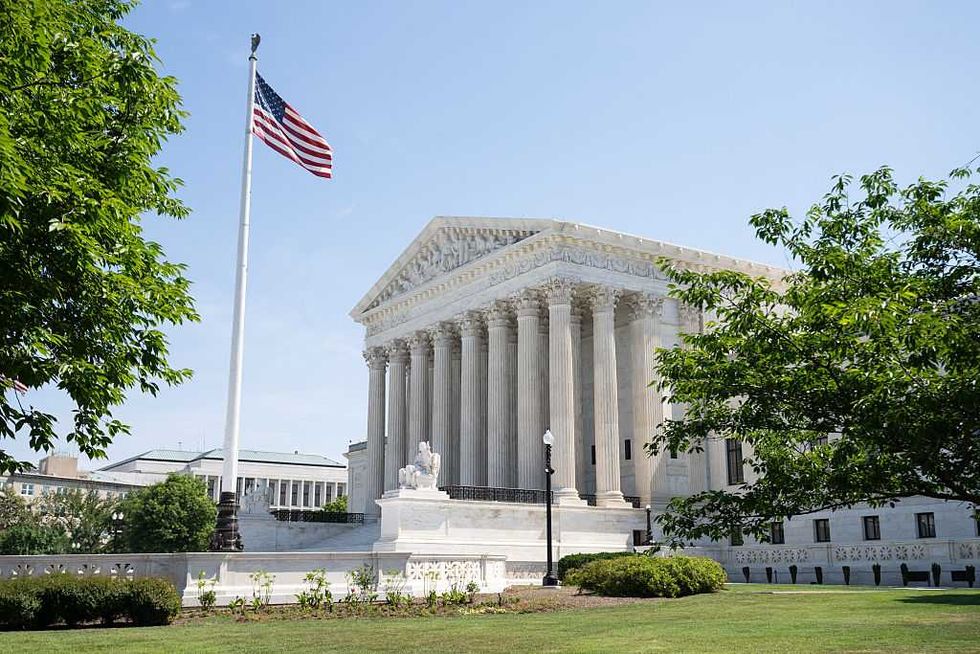
Nobody asked us. Not me, not my teammates, not the 18-year-olds who had just arrived at the University of Pennsylvania and found themselves sharing a locker room with Lia Thomas. Nobody held a vote, nobody sent an email, nobody knocked on the door and said, "Hey, is this OK with you?" They simply instructed us that a man would be joining the women’s swim team and waited for us to get used to it. We never did.Somewhere along the way, it became the job of a bunch of college kids to fix something the adults in the room had broken.Plenty of lawyers and pundits will spend the next several weeks dissecting the Supreme Court's 6-3 ruling in West Virginia v. B.P.J. They will argue about precedent and jurisdiction, but here is what most of them are missing: They were not in that locker room. I was.Eighteen times a week for an entire season, I changed and showered alongside a male athlete. Eighteen times a week, my teammates and I were expected to act like this was normal. Voicing concerns was dubbed hateful, and the policy that created this situation in the first place was not. We had earned our spots on the team, but not one person in a position of authority at Penn, the NCAA, or USA Swimming ever pulled us aside and asked how we were handling the situation. The administration and governing bodies were not interested. The message was quiet but very clear: Your discomfort is not the problem we are trying to solve.When we tried to raise our concerns, the athletic department told us Thomas’ place on the team was nonnegotiable. Staff members offered us psychological services in an attempt to re-educate us into being comfortable undressing in front of a man. Their solution was not to protect us but to “fix” us.Somewhere along the way, it became the job of a bunch of college kids to fix something the adults in the room had broken.That is what I want people to understand when they hear about this ruling: It is not abstract to me. It is not a hypothetical or a talking point. I lived inside the policy the court just ruled states have the right to prohibit.I can tell you from experience that the "compassionate" framing the other side always reaches for has never once held up to reality. RELATED: SCOTUS sides with common sense after boys try to play sports with girls Alex WROBLEWSKI/AFP/Getty ImagesCompassion for whom? Not for the female athletes who trained their entire lives and finished one place lower than they should have. Not for the teenager in California who lost a state track title she had earned. Not for my teammates and me who were expected to smile and say nothing while the people making decisions were only concerned about the feelings of one male athlete. This ruling matters, but it does not automatically fix the issue of the governing bodies and professional organizations that spent the last several years dismantling women's protections one policy at a time. The NCAA still allows athletes to compete on an amended birth certificate in some cases, a solution you’d come up with if you were never really trying to solve the problem and never had to share a locker room with a fully grown man. And worse still, 23 states have no law protecting girls at all.The Protection of Women and Girls in Sports Act has been sitting on Capitol Hill for years. Every member of Congress who let it die in committee now has a Supreme Court majority telling them they had the authority to act and chose not to. It is time to finish the job.I have been waiting for that moment since I was 19.The court got it right. I just wish it had not taken this long for the people in charge to catch up to what I knew firsthand in my locker room.
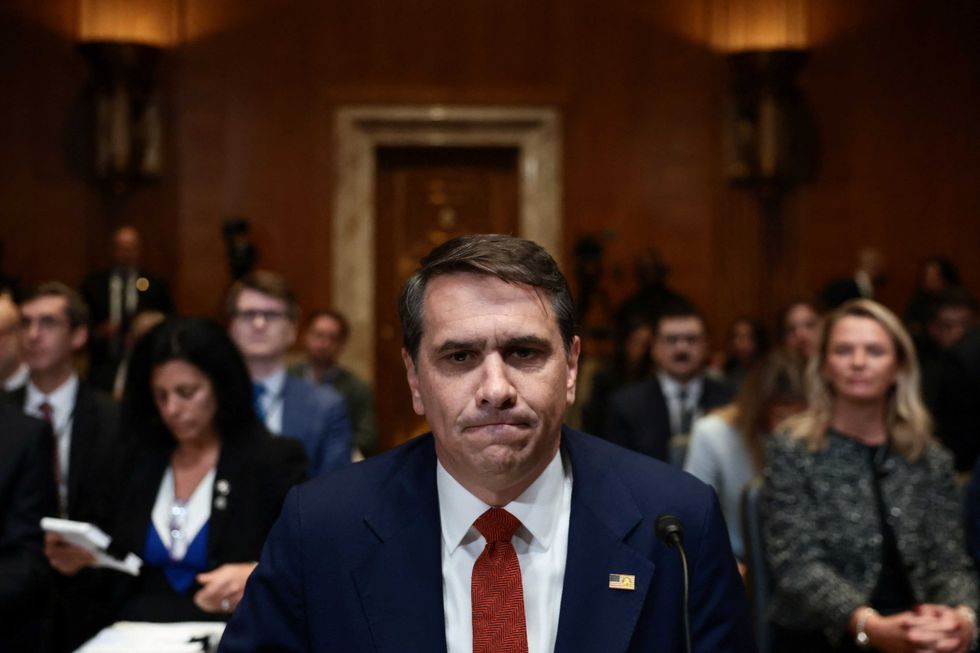
A legal battle over one Jeffrey Epstein accuser's unreleased FBI interview notes has emerged as a flashpoint threatening to complicate acting Attorney General Todd Blanche's path to confirmation, as a federal judge presses the Justice Department for answers it has so far declined to give.The woman, known in court filings as Jane Doe 4, alleged in four 2019 FBI interviews that she was abused by Epstein in the 1980s and separately assaulted by Donald Trump when she was between 13 and 15 years old, and a federal judge has asked the Justice Department for answers about her case that have so far not been provided, reported The Guardian.The White House has dismissed the claims as "completely baseless," but the case has taken on outsized significance because Jane Doe 4 is among the only alleged Epstein victims to have directly accused the president — and because the Justice Department's handling of her file has become emblematic of broader concerns about its compliance with the Epstein Transparency Act.Federal Judge Emmet Sullivan last week ordered Blanche to produce unredacted versions of already-released files by July 2 or explain why he cannot, and he separately ordered the release of handwritten interview notes from Jane Doe 4's FBI sessions that have never been made public. The order came in a civil case brought by journalist Katie Phang, and late Friday the DOJ's third-ranking official, Stanley Woodward, gave notice he would join the case, a move one attorney involved called a sign that officials "really, really don't want these documents released."The case has drawn particular scrutiny because Blanche, Trump's former personal attorney, personally oversaw the document-review process, directing a team of 500 reviewers through several chaotic release waves that exposed victims' names and compromising photographs while quietly retracting other records without explanation.Critics argue that roughly 2.5 million additional documents deemed "duplicative" or legally protected were withheld without sufficient justification, despite a law that explicitly bars withholding records over embarrassment or political sensitivity.Only one outlet, South Carolina's Post and Courier, has reviewed the still-unreleased interview notes, reporting that they reference high school friends who might corroborate parts of Jane Doe 4's account but do not address her alleged encounter with Trump.A Jane Doe joined a lawsuit against Epstein’s estate in 2020 with allegations and biographical details that line up with the FBI interviews, but she later dropped her claims.The Guardian spoke to a family member who said Jane Doe 4 is “staying off the grid” and lives in fear of retaliation from the Trump administration, adding that she's "coping" with "chronic trauma" related to the Epstein saga "the best she can," and an attorney who represented her during the two FBI interviews said he never received follow-up calls from the agents or copies of their reports that are usually provided to defense counsel.That attorney asked the publication not to report his name or location to protect the alleged victim's identity.
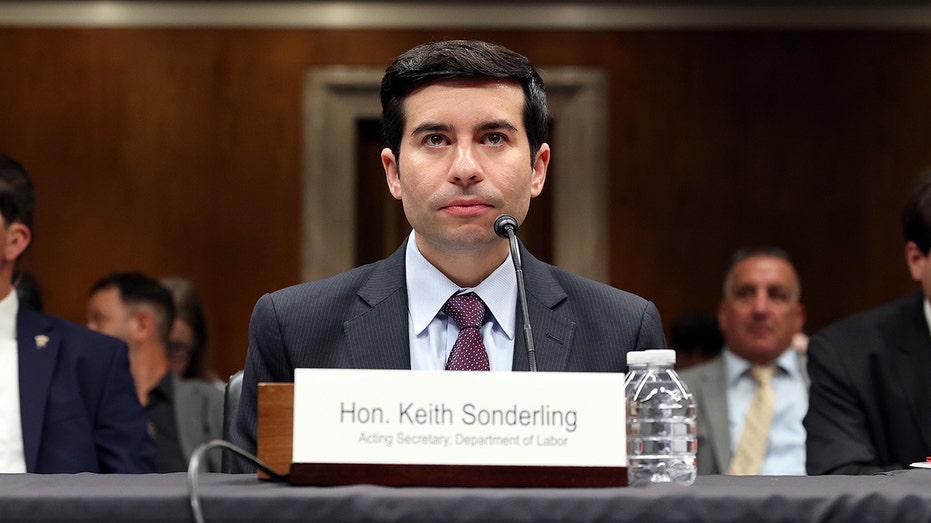
President Donald Trump nominated acting Labor Secretary Keith Sonderling to permanently lead the Labor Department, announcing his pick on Truth Social.