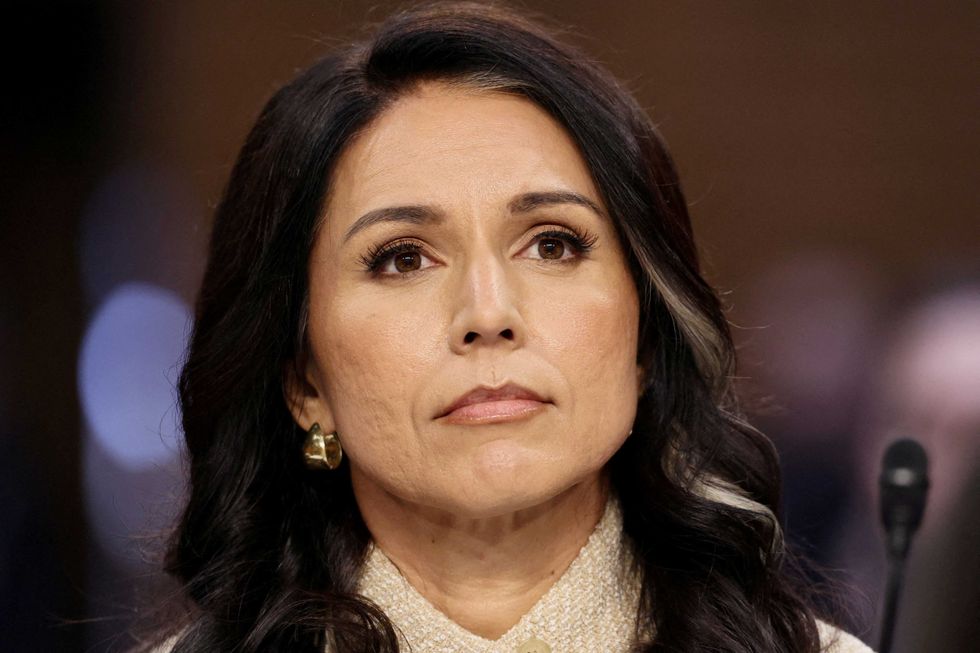
Critics bid 'good riddance' to Tulsi Gabbard
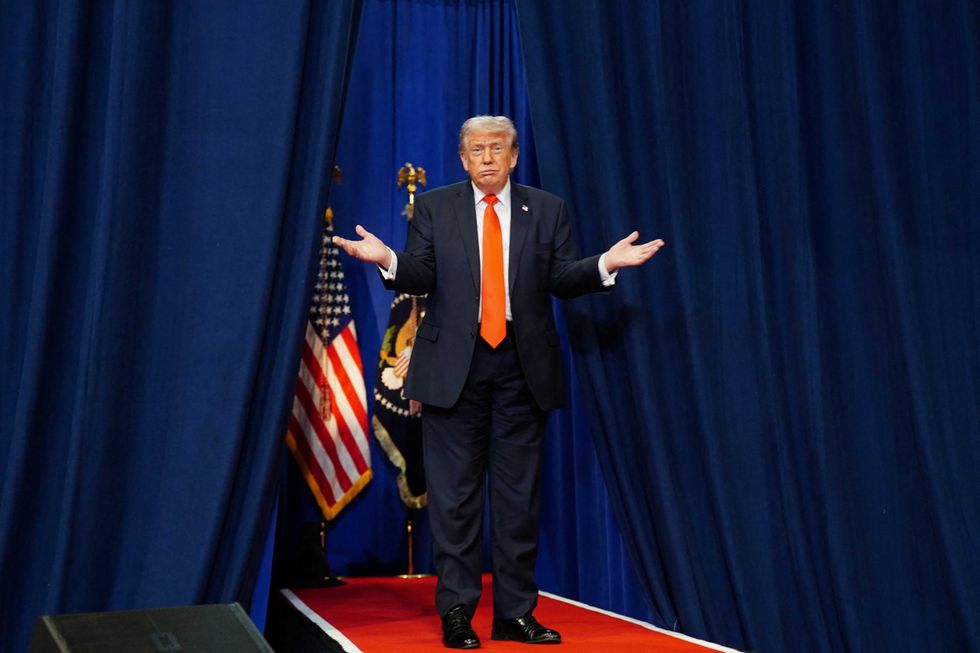
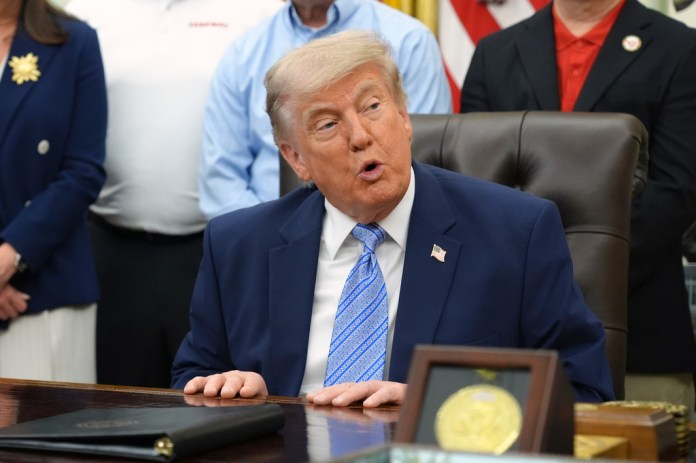
President Donald Trump’s controversial Director of National Intelligence, Tulsi Gabbard, is resigning.“Unfortunately, I must submit my resignation, effective June 30, 2026,” DNI Gabbard wrote to President Trump, Fox News reports. “My husband, Abraham, has recently been diagnosed with an extremely rare form of bone cancer.”But President Trump wrote that Gabbard had done an “incredible job,” and “we will miss her,” but Reuters reports that the White House ”forced” Gabbard “to resign from her post, a person familiar with the matter said on Friday.”The Wall Street Journal’s Dave Brown called Gabbard’s tenure “tumultuous,” and there were plenty of sources to agree to that.“Gabbard has had a tough tenure being sidelined on Venezuela and Iran. Last month, Trump floated replacing her with Pam Bondi, but some advisers saved her,” reported WIRED’s Hugo Lowell. “During pivotal moments,” NBC News reports, “as Trump deliberated over possible military action or watched live video feeds of operations in Iran or Venezuela, Gabbard was often not in the room, underscoring her outsider status.”Critics of the Trump administration and Gabbard, in particular, were quick to respond.“Good riddance. The Iran war has been the biggest display of intelligence incompetence in decades,” wrote U.S. Rep. Shri Thanedar (D-MI).“Buh-bye Tulsi,” wrote attorney and independent journalist Katie Phang on Blue Sky.“Farewell, Tulsi Gabbard. You didn't stop any regime change wars, but at least you pretended you would,” wrote Senafor reporter Dave Weigel.Other critics like Bulwark’s John Sipher argued that Gabbard “lacks the experience, character, and competence the role demands, leading some to joke that, in this administration, DNI stands for “do not invite.”Sipher added that it’s good Gabbard is out, but her whole department shouldn’t exist either.“[The] problem would be tolerable if the DNI had insulated intelligence from politics. Instead, the office has become especially vulnerable to politics because it is so far from a distinct operational culture,” Sipher said. “CIA has flaws, but it has a mission: recruit sources, steal secrets, pursue hard targets, and conduct covert action under law. NSA, NGA, NRO, and DIA all have missions. The DNI has a role. And we are learning that roles are easier to politicize than missions.”