RealClearPolitics - Homepage
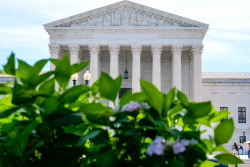
Power Hungry Democrats Aiming To Pack Supreme Court?
It would be so easy to say the U.S. Supreme Court is a right-wing organization.
Center Right
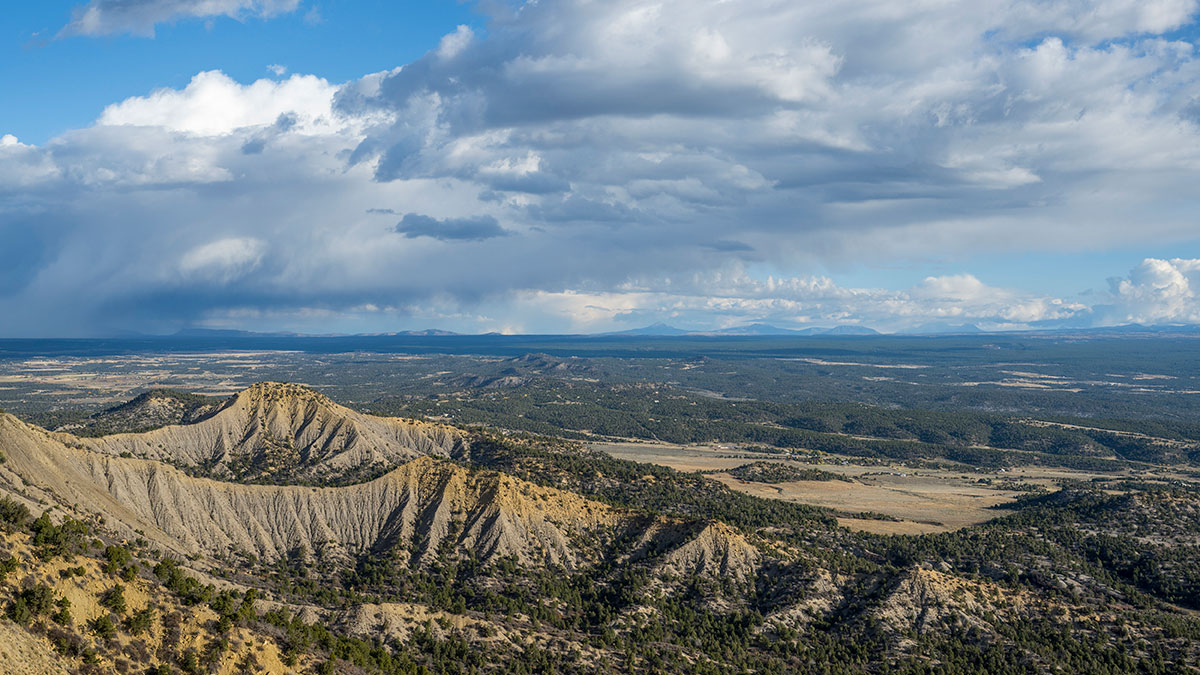
Boulder County’s case against energy companies is an affront to federalism.
It would be so easy to say the U.S. Supreme Court is a right-wing organization.
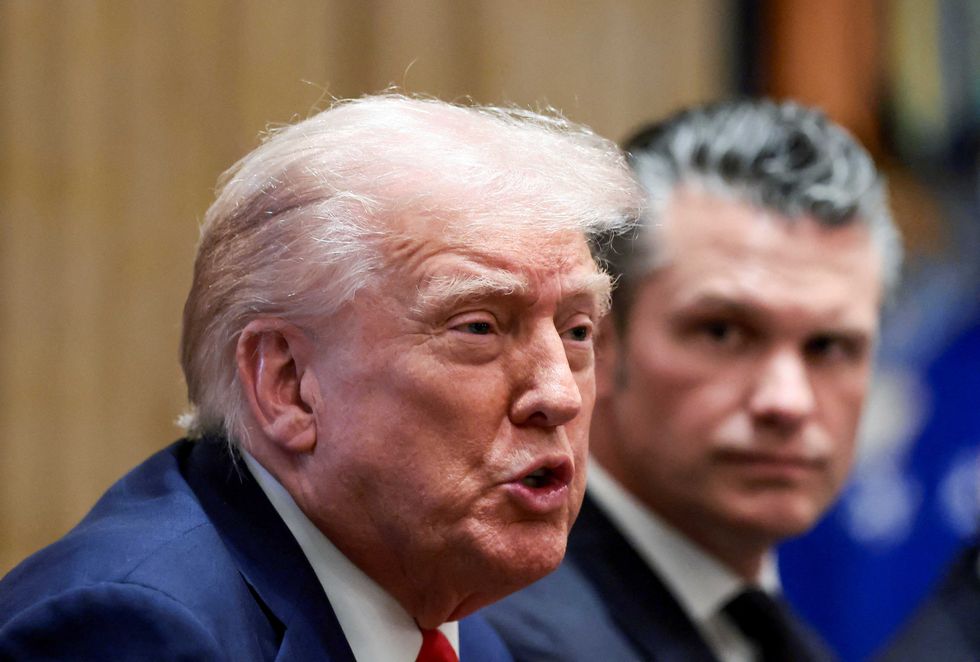
President Donald Trump might have just stumbled into a "perfect storm" that could lead to a federal court smackdown against his planned UFC cage match on the White House South Lawn, former federal prosecutor Joyce Vance told MS NOW's Alex Witt on Monday.This comes as a lawsuit filed by two local activists, including a Vietnam veteran, details the appearance of corruption surrounding the event, as well as its defacement of public property and violation of multiple regulations and the constitutional separation of powers.That complaint, noted Vance, tears at the heartstrings on top of it all: "If you don't mind, I'll just read you two sentences that explain where we are. Mr. Romano writes 'One of the most moving and powerful aspects of the Vietnam Veterans Memorial is its quiet tranquility. That tranquility both honors the fallen, the fallen, and allows those who have come to pay their respects an opportunity to reflect and remember without interruption.'"This, she noted, is part of a "forceful case" that the UFC event will desecrate these sites, which gives them legal standing to challenge it."Can I ask you on a big picture level, Joyce, what is the point of having rules, of having laws that require congressional approval if they are treated as mere suggestions?" asked Witt.This sort of brazen defiance of the law, Vance replied, is "the modus operandi for this administration" as they do all they can to "plow past laws and regulations that don't suit them, acting on the assumption that no one will get in their way, that Congress will continue to be supine, that the courts won't interfere."Unfortunately for them, Vance said, the lawsuit has been assigned to U.S. District Judge Amit Mehta — a jurist who has a long history with Trump."They have a jurist who has shown a pronounced ability to look at the facts and the law and try to hold the administration accountable," said Vance. Mehta, she continued, is the same judge "who permitted the civil case around January 6th to move forward, finding that the First Amendment might not cover the sort of language of incitement Donald Trump used that morning of the insurrection."The upshot, she concluded, is "this may be the perfect storm that Donald Trump fears about to take place here." - YouTube www.youtube.com
The ruling relies in part on the Supreme Court's decision in the tariff case.
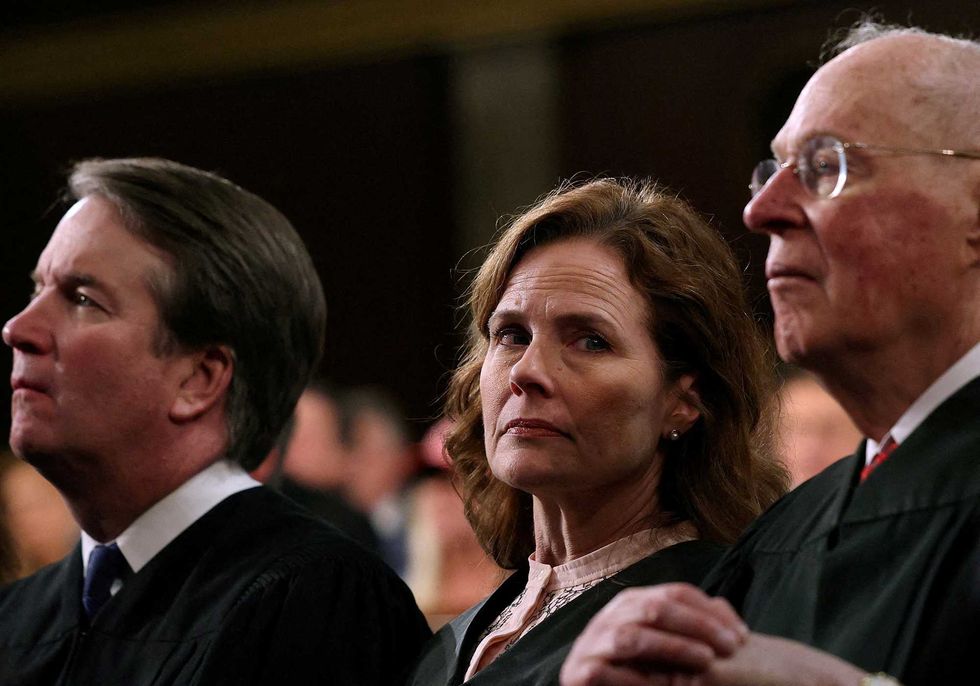
Two Supreme Court justices stepped away from two cases on Monday, as Newsweek reported. Amy Coney Barrett and Samuel Alito decided to sit out federal appeals cases involving firearm convictions and pension payments, though it isn't entirely clear why.The federal recusal statute (28 U.S. Code § 455) demands that federal judges and top justices must recuse themselves if their impartiality might reasonably be questioned or if their spouse has a financial or other interest that could be substantially affected by the outcome of a proceeding. Over the past several years, there have been several questions about cases the public and judicial critics believe justice should have recused themselves from.Both appellate rulings were affirmed by the high court. It means the lower-court decisions were upheld in full. The case that Barrett recused herself from came from the Seventh Circuit over an inmate named Eural Black. The case Alito recused himself from was a Fourth Circuit Court case about retirement benefits between employees and the companies DuPont and Corteva.In Black's case, the lower court ruled that he was serving a longer sentence because of a "stacked" firearms conviction. Under the First Step Act his sentence should be reduced. "Black argued that the gap between his sentence and what he would receive today should qualify as an 'extraordinary and compelling' reason for early release," said Newsweek. The lower court decided that its own precedent still barred "using those sentencing reforms as a basis for compassionate release, even after a new policy from the U.S. Sentencing Commission suggested otherwise."In the case Alito recused himself from, the Fourth Circuit sided with corporations. Plaintiff David Gasper sued, alleging that his monthly retirement benefits were reduced after his divorce. The corporation said that it spread the costs of survivor benefits across the total pension, which the court said was valid. The lower court also found that Gasper's claim for penalties "over delayed document disclosures," but there was no evidence of bad faith or harm.

Sunday's stabbing is the direct result of a failed policy of Democratic administrations that shockingly believe "compassion" is letting a mentally ill person make their own decisions.

Tunes were like a 'Wikipedia entry set to music' and audiences were 'visibly fighting off sleep'
6/8/1925: Gitlow v. People of the State of New York decided. The post Today in Supreme Court History: June 8, 1925 appeared first on Reason.com.
6/7/1965: Griswold v. Connecticut is decided. The post Today in Supreme Court History: June 7, 1965 appeared first on Reason.com.