
Reason.com
Supreme Court Issues Terrible Takings Decision in Pung v. Isabella County
The Court ruled that local goverments may pay compensation far below fair market value for property seized in tax foreclosures.
Center Right
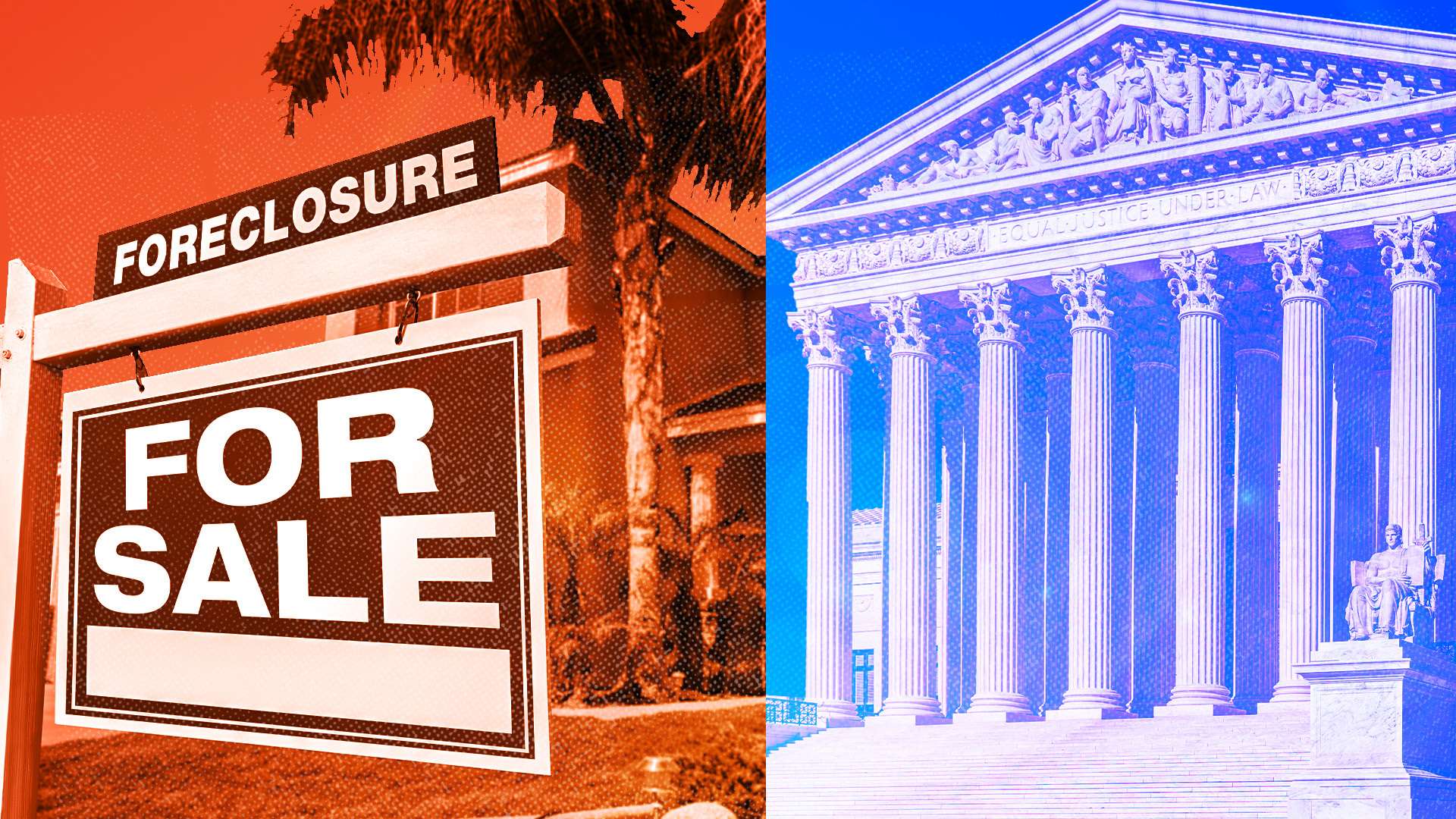
The Pung family of Isabella County, Michigan, maintained they were entitled to fair market value. The high court disagreed, but with a twist.
The Court ruled that local goverments may pay compensation far below fair market value for property seized in tax foreclosures.
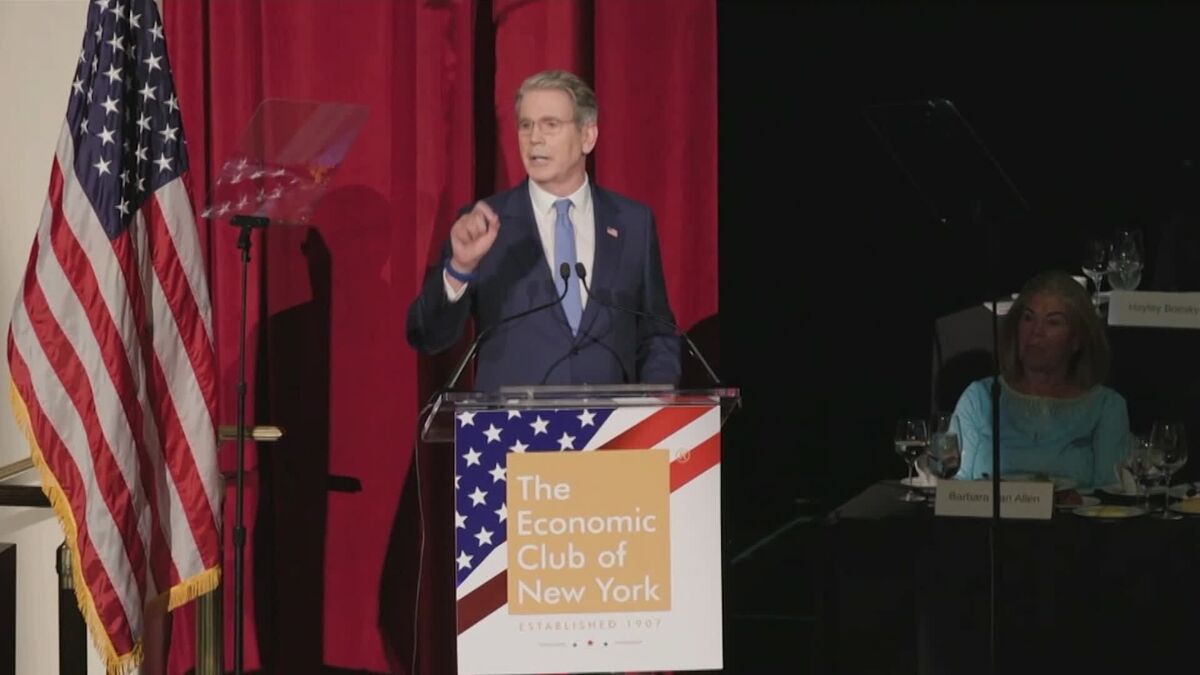
US Treasury Secretary Scott Bessent says economic statecraft policies will be guided in part by ensuring the nation addresses vulnerabilities to any adversary being able to curtail vital supplies. Bessent speaks at the Economic Club of New York. (Source: Bloomberg)
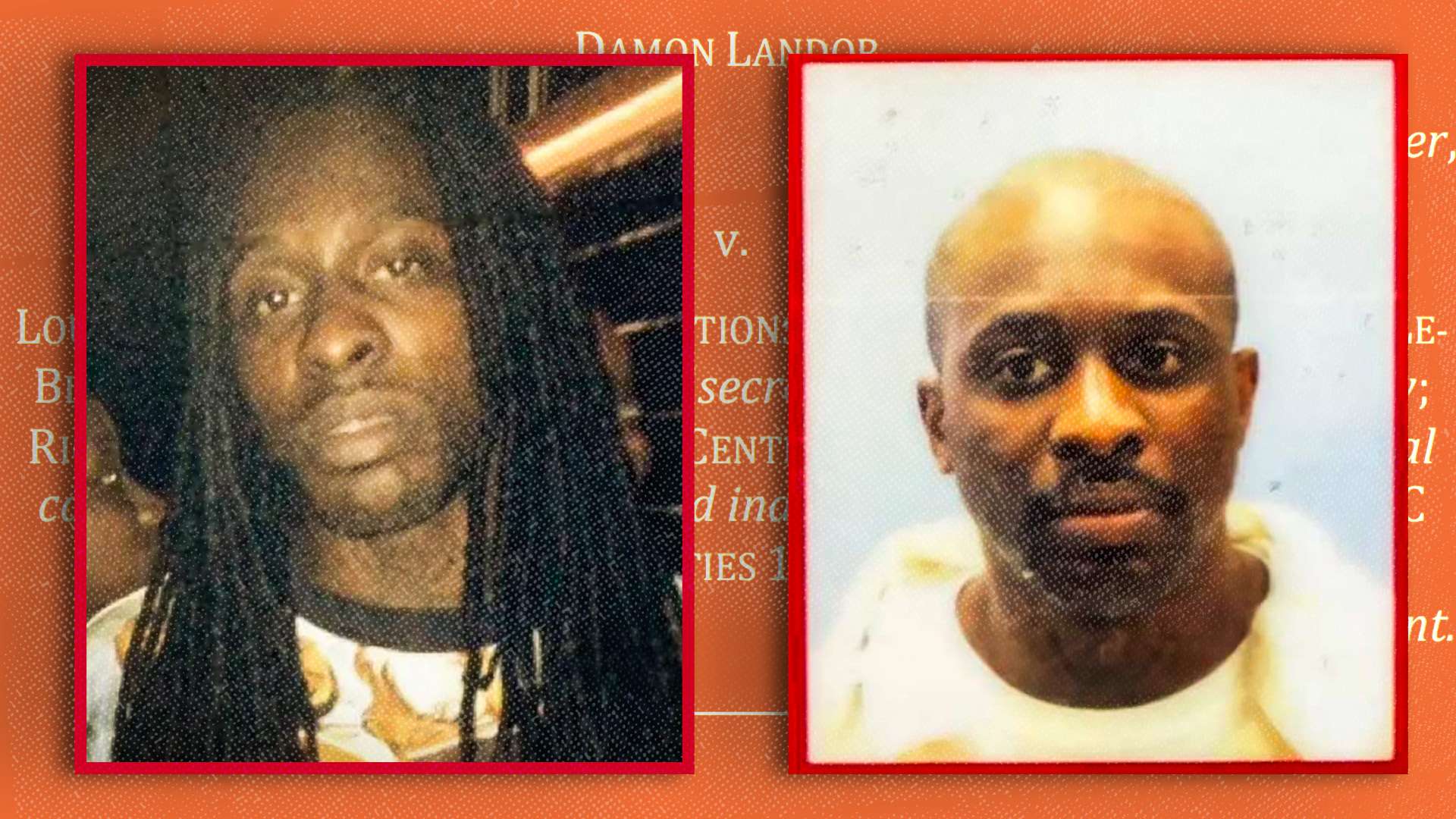
Understanding the stakes of Landor v. Louisiana Department of Corrections.

CBS is reporting on events within the Office of the Director of National Intelligence. As CTH previously outlined, Acting Director of National Intelligence Bill Pulte is following a very predictable path. {GO DEEP} The part of the CBS report that tells the story is: “Six career and political intelligence staff were terminated and 45 were […] The post Acting DNI Pulte Removes 51 from Agency – Six Fired and 45 “sent back to their home agencies” appeared first on The Last Refuge.

California drivers sued several major gas stations Monday accusing them of using artificial intelligence to increase gas prices. BP, Walmart, 7-Eleven, Marathon Petroleum, Circle K, and several […]

Texas Democrat James Talarico said he "hates Christianity" in a resurfaced 2021 podcast interview as he runs for U.S. Senate against Ken Paxton.

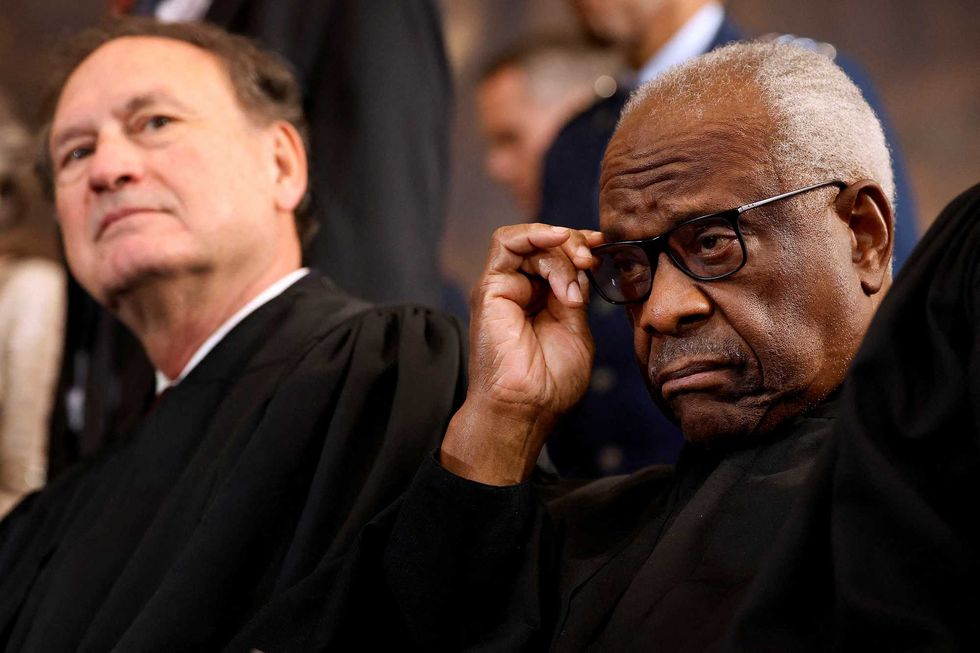
A "disturbing" Supreme Court ruling will allow border officials to subject green-card holders to a "Kafkaesque nightmare," per a Slate analysis.According to the analysis by legal reporter Mark Joseph Stern, the 6-3 Supreme Court vote along usual partisan lines in the case Blanche v. Lau established that border officials don't need "clear and convincing evidence" that green-card holders committed a "crime of moral turpitude" to deny them entry.The case originates from a lawful permanent resident named Muk Choi Lau, who lost his green card and was paroled into the U.S. after he was accused of selling designer-style shorts with a counterfeit trademark, Stern wrote. Lau argued that the border official shouldn't be able to take his green card and have so much discretion.Although a lower court agreed with Lau, the Supreme Court tossed that decision with a ruling that Stern described as "egregiously wrong."Lau was allowed into the United States on parole, but that status puts an immigrant in "legal limbo" and makes them "far more vulnerable to deportation."Stern brought up Justice Ketanji Brown Jackson's dissenting opinion and echoed her point that by taking a legal permanent resident's green card, it can make it harder for them "to work, open bank accounts, secure housing, obtain health insurance, and enroll in school."Meanwhile, Stern called out Justice Clarence Thomas's opinion, saying it "blesses one part of the Trump administration's multipronged attack against green-card holders, validating its campaign to revoke these individuals' rights on a whim," and highlighted that Thomas "expressly declined to say what, if any, burden the government bears at the border."