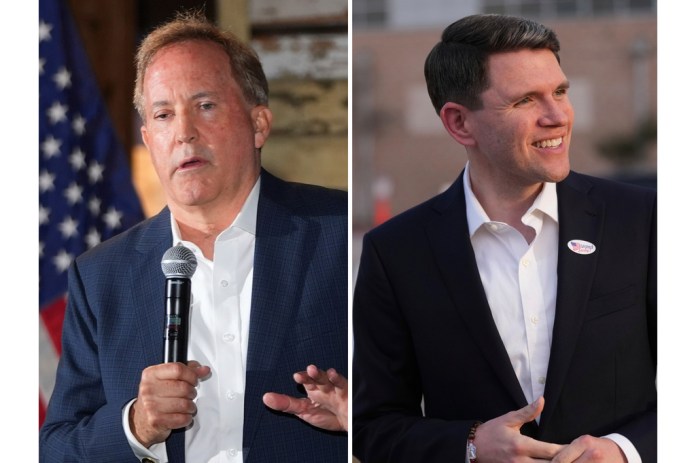
Talarico knocks Paxton for spending Fourth of July in UK
Source: Washington Examiner · Bias: Center Right
Summary
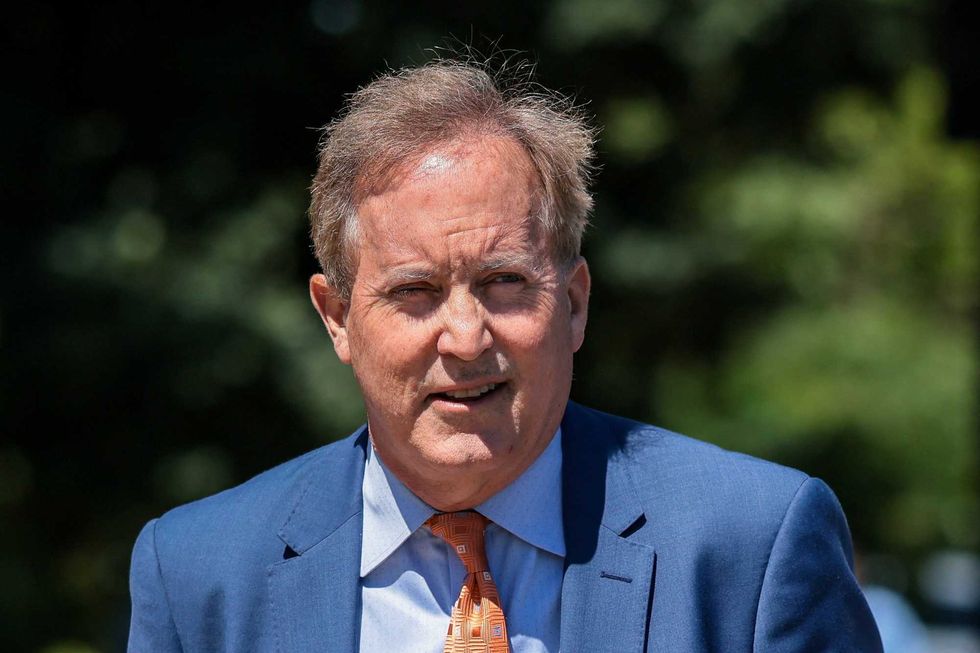
Texas state Rep. James Talarico is bringing attention to the fact that his Senate opponent, Texas Attorney General Ken Paxton, spent the Fourth of July in the United Kingdom instead of the United States as the race becomes more personally contentious. “Americans celebrated 250 years of independence from Britain this weekend,” Talarico posted on X. […]
Talarico knocks Paxton for spending Fourth of July in UK
Center Right
Texas state Rep. James Talarico is bringing attention to the fact that his Senate opponent, Texas Attorney General Ken Paxton, spent the Fourth of July in the United Kingdom instead of the United States as the race becomes more personally contentious. “Americans celebrated 250 years of independence from Britain this weekend,” Talarico posted on X. […]
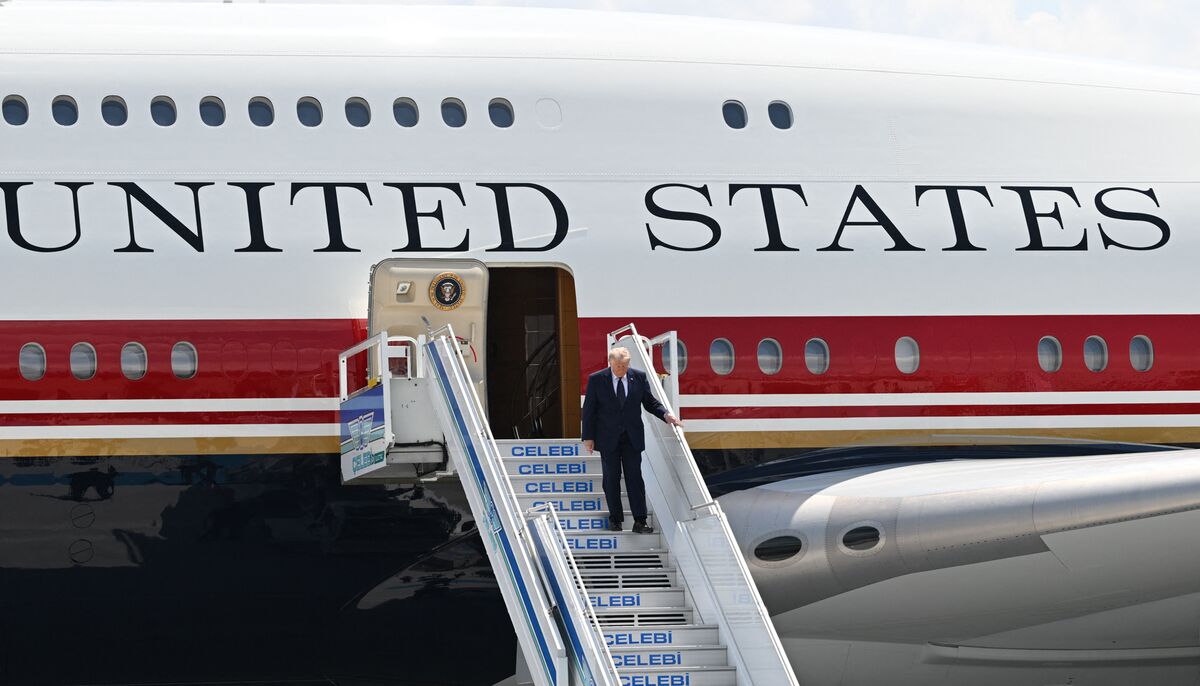
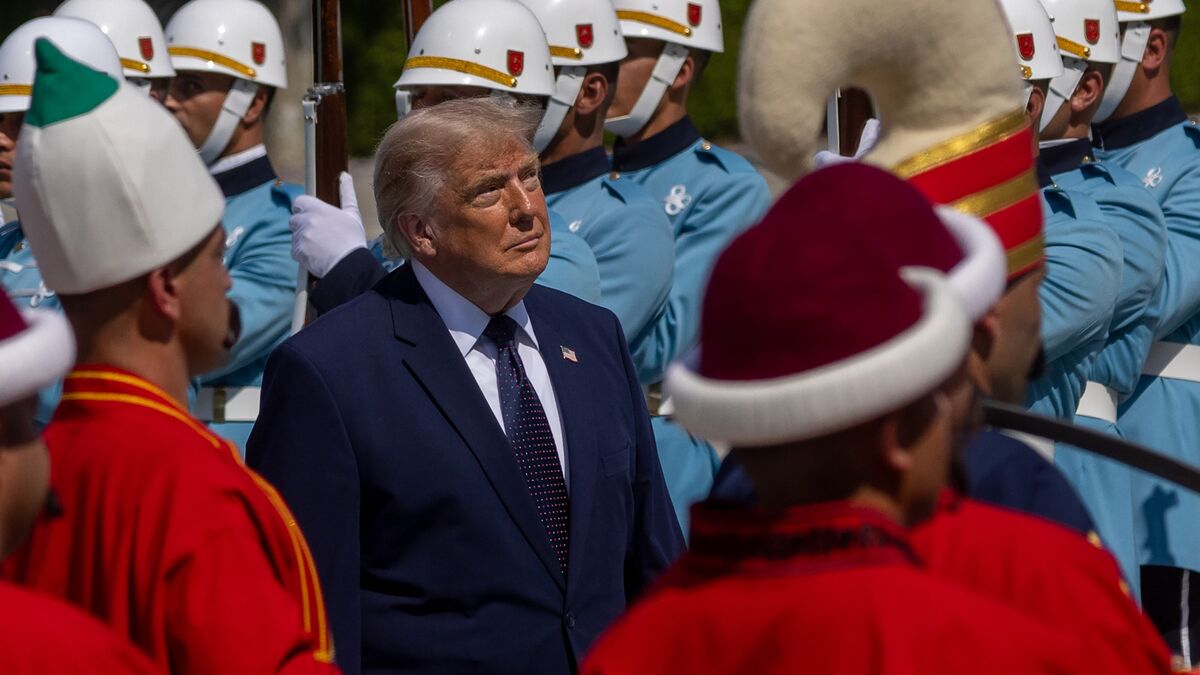
President Donald Trump said he would send the Air Force One jet gifted by Qatar to an air base in the UK, to showcase the new plane for US service members during a stopover on the way home from the NATO summit.
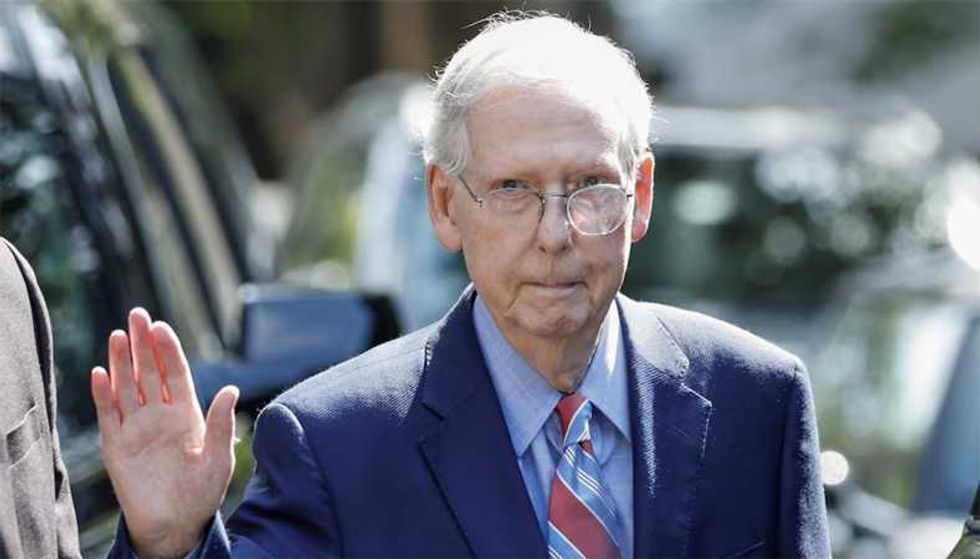
Mitch McConnell's prolonged hospital stay — with no end in sight — has created a critical problem for Donald Trump's military spending agenda.The former Senate Majority Leader, who chairs the Senate Appropriations Committee controlling Pentagon spending, has been hospitalized for weeks with no expected return to Congress in sight. His absence couldn't come at a worse time—Trump is pushing hard for a new Pentagon budget before the midterms, and McConnell's support is essential to making it happen, according to a report from Politico.McConnell's staff insists he remains "engaged" with Senate Republicans and "working closely with his staff," according to a Tuesday statement to reporters. But GOP leadership is largely in the dark about his condition and timeline for return and that has the Republican caucus on edge.The timing is exasperating for a the White House that is pushing for a third party-line budget reconciliation measure that would supply approximately $350 billion in additional Defense Department funding, according to the report. Lawmakers are already moving a fiscal 2027 spending bill that would provide a record $1.15 trillion military budget. McConnell's backing would be crucial to moving either proposal forward—his absence could stall or kill those hopes entirely.Technically, the White House doesn't need McConnell's vote to advance a third reconciliation bill. But his hospitalization adds another layer of complication to an already difficult math problem. Senate Majority Leader John Thune (R-SD) is struggling to convince 50 of his 53 members to back any plan. With McConnell sidelined, Thune can afford to lose only two senators.According to Politico, Thune hasn't even committed to pushing a third bill, making clear he doesn't yet see a viable plan that can pass. Most Senate Republicans want to see what emerges from the House first—creating delays that work against Trump's midterm deadline.McConnell has been a powerful critic of the administration's military spending approach, making his absence particularly consequential. Even if he eventually returns, his weeks away from the Capitol have disrupted the crucial negotiations needed to advance Trump's Pentagon agenda before the pivotal November midterms.
The UK and Turkey are poised to sign a security and defense partnership pact on the sidelines of the NATO summit, according to people familiar with the matter.
Retired General Ben Hodges, former Commanding General for US Army Europe, says NATO allies should increase defense spending to strengthen their own security and counter Russia — not to satisfy President Trump. He also says Ukraine's ability to strike deep inside Russia and target its oil-and-gas exports could create a path to victory, if sustained. He speaks with Kailey Leinz and Joe Mathieu on the late edition of Bloomberg's "Balance of Power." (Source: Bloomberg)
Two weeks before this year’s primary elections, Texas Attorney General Ken Paxton announced the creation of a tip line for the public to report people or groups suspected of voter fraud.“Free and fair elections are a cornerstone of a thriving republic, and with the authority granted to my office by the Legislature, we will stop at nothing to uncover and stop any illegal voting activity,” Paxton said in a February news release announcing the tip line.The announcement linked to guidance from his office about election laws in Texas, which included a requirement to be a U.S. citizen, a prohibition on collecting mail ballots on behalf of others and a warning that “it is illegal to misrepresent your residence on election records or to establish a residence for the purpose of influencing the outcome of an election.”“You must register to vote using the address where you reside,” the attorney general’s guidance stated.Despite his own warnings, Paxton appears to have used an address where he did not live while voting in six elections in the past two years, including in May’s runoff that made him the Republican nominee for U.S. senator, according to records obtained by ProPublica and The Texas Tribune.State Sen. Angela Paxton said in a 2025 divorce filing that Paxton, whom she accused of adultery, moved out of their Collin County home a year earlier. But Paxton continues to list the home’s address in the northern Dallas suburb on his voter registration. Angela Paxton declined to be interviewed. A source close to the Paxtons said the attorney general has not moved back into the home since leaving.It is unclear where Paxton has lived for the past two years, but reporting by ProPublica and the Tribune has linked him to a home in neighboring Denton County since February.Three election lawyers told the news organizations that Paxton may have violated the same Texas laws his office cautioned about in its news release.ProPublica and the Tribune reached out to Paxton’s campaign on June 3, 15 and 25, asking why he remained registered to vote in Collin County when he appeared to no longer live there and about his connection to the Denton County property. A reporter also left a voicemail on his personal cellphone on June 25. The news organizations sent his government office and campaign staff an email on Monday with a detailed list of questions, including a request for Paxton’s response to election lawyers’ belief that he may be violating the law. Paxton and his office did not reply until Monday’s email. Campaign spokesperson Madison Cercy did not answer the questions from the news organizations. Instead, she issued a statement saying that the attorney general has been “a national leader on election integrity, with a long record of defending Texas elections.” Cercy said that “attempting to insinuate otherwise and tear him down with a baseless, lie-filled tabloid story is not real reporting.”Asked twice to provide specifics about what they believed was inaccurate, the campaign did not respond. Voting in an election when the voter is ineligible is a second-degree felony under Texas law and is punishable by up to 20 years in prison and a fine of up to $10,000. But prosecutors rarely bring cases challenging individual voters’ residency claims because they are hard to prove, the election lawyers said.State courts have repeatedly ruled that there is no single way to determine where someone lives, and judges must consider multiple factors, such as where a voter sleeps or stores personal belongings. Prosecuting such cases also requires proof that a voter “knowingly” or “intentionally” broke the law.Even if it’s clear that someone doesn’t live at the address where they are registered to vote, state law allows them to remain registered if their absence is temporary and they intend to return. The provision is commonly used by college students and military service members.“So long as you truly intend to return, I think you’re fine,” said Beth Stevens, an election lawyer who worked for the Harris County clerk and the Texas Civil Rights Project. “When you start doing things that suggest, ‘Oh, I’ve fully moved. I’m just wink-wink saying I intend to return,’ that’s when you get into questionable territory.”Paxton’s public and contentious split from his wife could make it difficult to argue that he intended to return to the home they own and where she continues to reside, said David Becker, a former voting rights lawyer for the Justice Department.“I think there would be questions raised about a residence where someone does not live, does not spend the night and can in no way have the intent to continue to reside.