Tuesday's Summary
This briefing analyzes the news climate of the 24 hours ending July 6, 2026. The current media landscape is dominated by the intersection of executive influence and international sports, as well as developing allegations within a high-stakes Senate race.
How the coverage differs
The coverage of the "Balogun Reversal" reveals a sharp divide in how executive power is interpreted. Left-leaning outlets focused almost exclusively on the systemic implications, arguing that the President's intervention compromises the "benefit of the doubt" that international institutions require to function. In contrast, right-leaning outlets focused on the immediate outcome—the player’s eligibility—and framed the President's actions as common-sense advocacy for a U.S. citizen on the world stage. While the Right treated the Belgian appeal as a tactical grievance, the Left treated it as evidence of a diplomatic and sporting crisis.
On the high-consensus front, both sides provided detailed reporting on the sexual assault allegations against Maine Senate candidate Graham Platner. While the core facts of the CNN interview with Jenny Racicot and the subsequent calls from Democrats for Platner to withdraw were reported consistently across the board, the narrative framing diverged regarding the broader political context. High-consensus outlets like NBC and the BBC began linking the FIFA controversy to the President's upcoming NATO summit in Turkey, suggesting that the "asterisk" on the U.S. soccer win might follow the administration into high-level diplomatic negotiations regarding the war in Ukraine.

In CNN Interview, Woman Details Alleged Sexual Assault by Graham Platner
“This is something that I tried for many years to forget,” the woman, Jenny Racicot, said on CNN.
Trump call with FIFA president over red card controversy could ‘put an asterisk’ on U.S. win
President Trump prepares to travel to a NATO summit in Turkey as he faces criticism for a phone call to FIFA’s president over a red card controversy involving U.S. star striker Folarin Balogun. NBC News correspondents Julie Tsirkin, Courtney Kube and former U.S. Ambassador to Ukraine Bill Taylor discuss how the NATO meeting could renew the spotlight on the war in Ukraine. NBC’s Kelly O'Donnell and Steve Patterson discuss the fallout of President Trump’s red card intervention.

Top Democrats press Maine senate candidate to drop out of race over sexual assault allegation
Graham Platner denied the allegation, calling it "categorically false" but said he was "taking the time to reflect on the best path forward" in the race.
Left-Leaning Media's Perspective
- Institutional Integrity: Outlets emphasized the perceived erosion of FIFA’s independence, framing the reversal of Folarin Balogun’s red card as a "cautionary tale" of what happens when an international governing body yields to political pressure.
- Administrative Coordination: Reports highlighted that Commerce Secretary Howard Lutnick joined President Trump in making calls to influence the decision, suggesting a strategic use of federal resources to intervene in a sporting event.
- Broad Concessions: Coverage characterized the red card reversal as one of several "unusual concessions" made by FIFA to the current administration, questioning the long-term transparency of the organization.
Belgium appealing FIFA decision to reverse red card on Folarin Balogun
Belgium is appealing FIFA's decision to reverse a red card assessed to U.S. striker Folarin Balogun. This comes after President Donald Trump said he called FIFA President Gianni Infantino and asked for a review. NBC News’ Gabe Gutierrez reports that Commerce Secretary Howard Lutnick also started making calls to see if the administration could get the red card reversed.
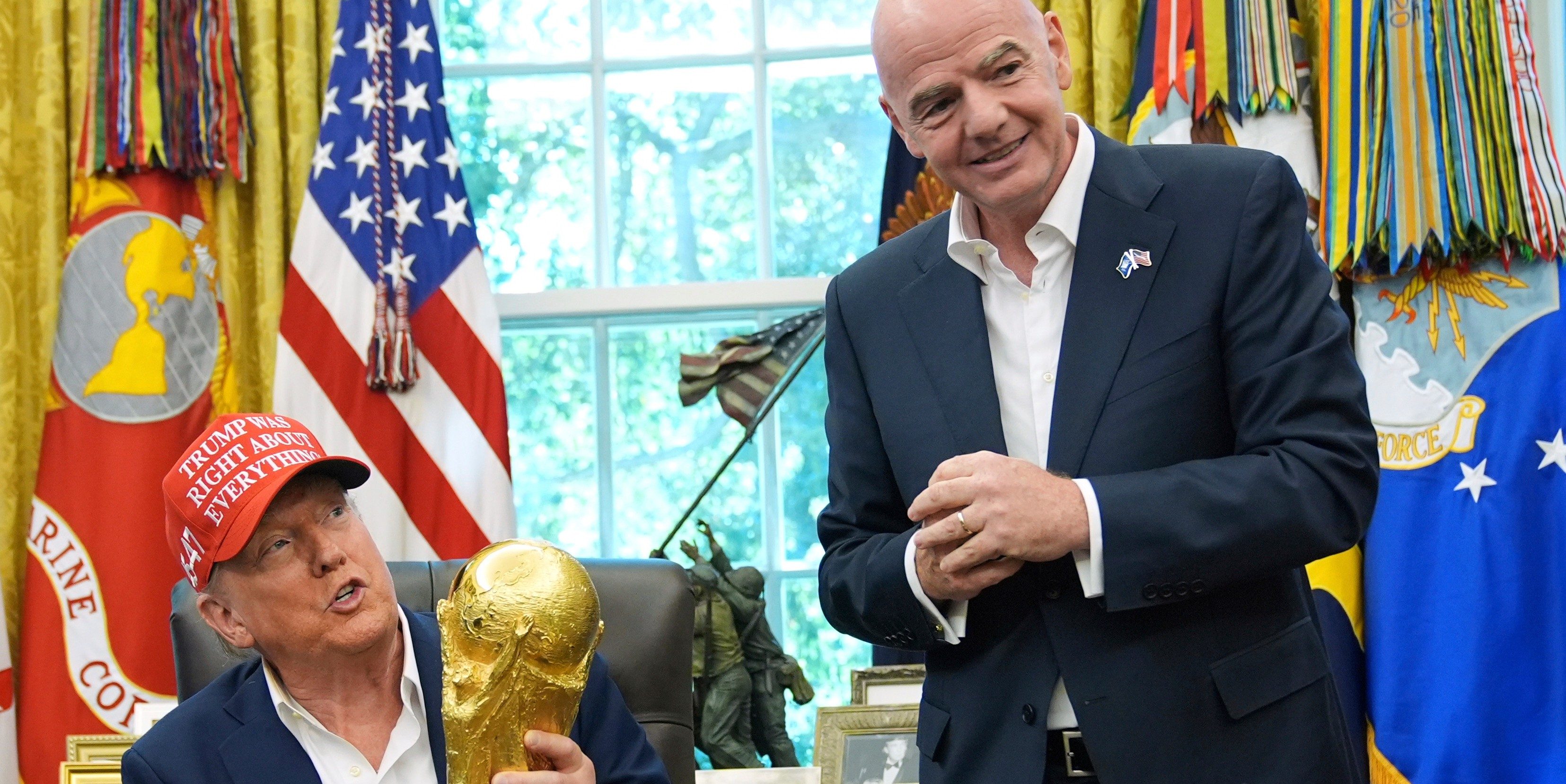
FIFA Gives Trump Exactly What He Wants
Reversing a red card against U.S. soccer star Folarin Balogun isn’t FIFA’s only unusual concession to Trump. The post FIFA Gives Trump Exactly What He Wants appeared first on The Intercept.
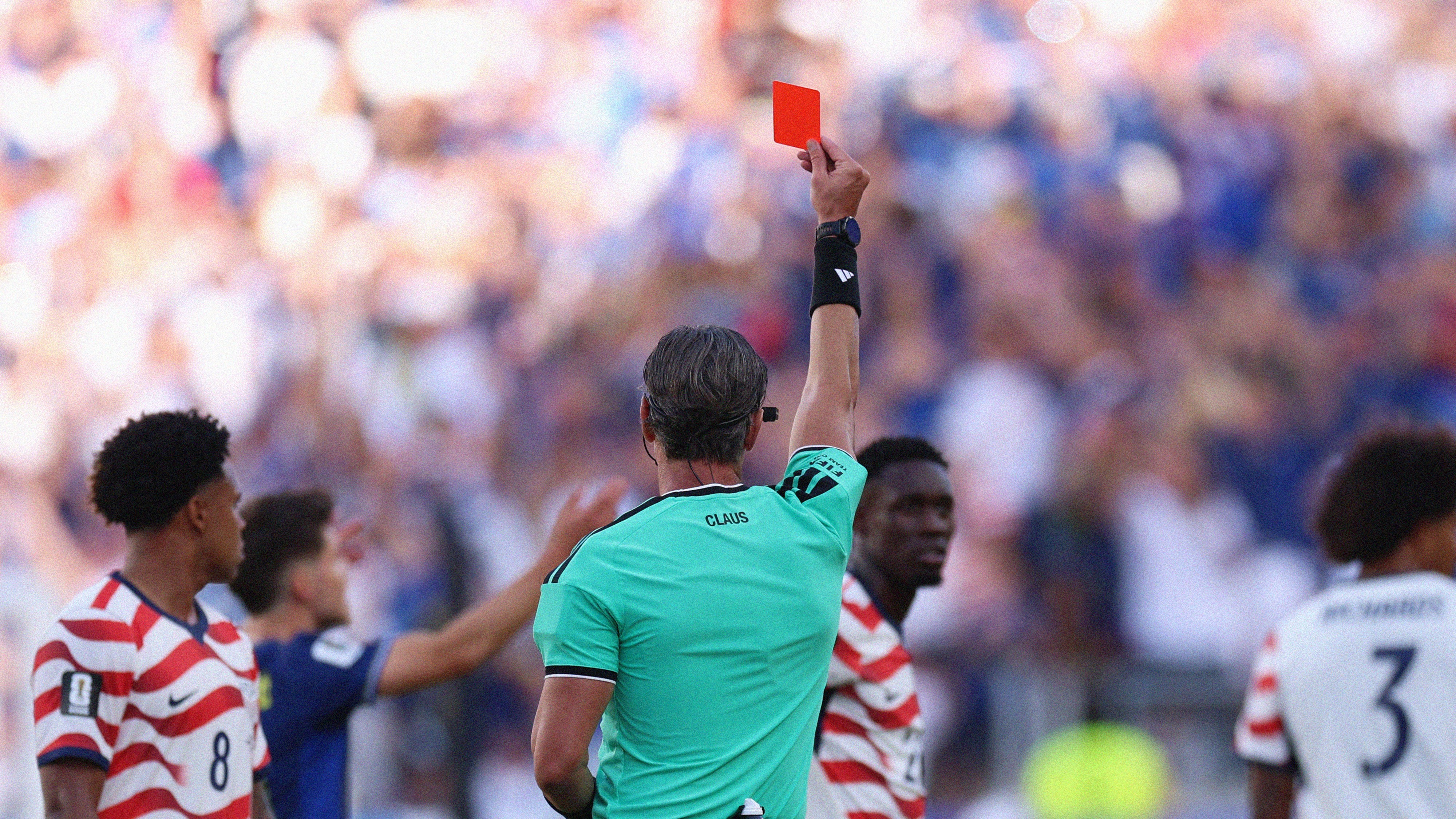
FIFA Is a Cautionary Tale for Trump
The messy decision to reverse a red card against an American player shows what happens when an institution forfeits the benefit of the doubt.
Right-Leaning Media's Perspective
- Advocating for U.S. Interests: Coverage focused on President Trump’s personal assessment that the foul was incorrectly called, framing his intervention as a defense of a key American athlete ahead of a critical knockout match.
- Procedural Explanations: Outlets provided significant space for FIFA President Gianni Infantino to explain the logic behind the reversal, focusing on the official's perspective rather than the political optics of the phone call.
- Belgian Opposition: Reports highlighted the "freak out" and subsequent appeal from the Royal Belgian Football Association, framing the European response as an expected reaction to the U.S. regaining its star striker for the Round of 16.

FIFA president Gianni Infantino addresses Trump call as he breaks silence on Folarin Balogun red card decision
FIFA president Gianni Infantino broke his silence Monday morning on the decision to suspend USMNT star Folarin Balogun’s one-game ban, news that rocked the World Cup as he’s now allowed to play vs. Belgium Monday evening in the Round of 16. Infantino explained how the decision was reached and gave his side of the phone...

Trump says he asked FIFA for review of Folarin Balogun red card: ‘I didn’t think it was a foul’
President Trump claimed Monday that he asked FIFA supremo Gianni Infantino to review US striker Folarin Balogun's red card, which would have kept him out of a crucial match against Belgium -- admitting that "I didn't think it was a foul."

Belgium freaks out after FIFA lets US striker Folarin Balogun play in World Cup knockout match
The Royal Belgian Football Association confirmed Monday it was appealing FIFA's decision, saying it had "no alternative."