BBC News
Oil prices slide on hopes of US-Iran peace deal
Trump said on Saturday that an agreement would include the reopening of the Strait of Hormuz, without giving further details.
Center

Two hundred fifty years ago this summer, our Founding Fathers created a new nation, as President Abraham Lincoln put it, “conceived in liberty and dedicated to the proposition that all men are created equal.” This Memorial Day, we should remember those who made the ultimate sacrifice and made its unlikely existence possible. America’s success wasn’t […]
Trump said on Saturday that an agreement would include the reopening of the Strait of Hormuz, without giving further details.

Putting an end to Iran's apocalyptic nuclear ambitions is a job that must not be left half-finished, which explains the panic that greeted reports of President Trump's initial peace deal.
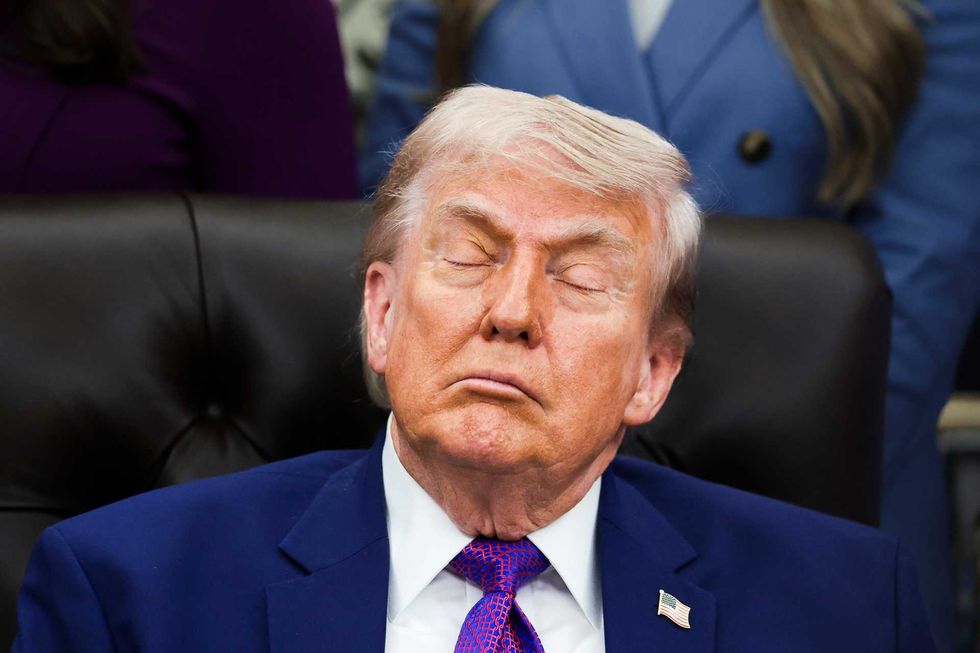
Donald Trump announced a potential deal with Iran Sunday, citing successful negotiations with Middle Eastern nations, and the reaction from hawks, analysts, and even some Trump allies was immediate and withering.Trump posted on Truth Social that he would work out a better deal than Obama had done, but was vague on the details. For many onlookers, the negotiation itself was enough to condemn the development.Former Bush White House press secretary Ari Fleischer was among the first to raise a red flag — and he pointed to recent history. "On April 7, the President announced a double-sided, two-week ceasefire subject to the complete, immediate, and safe opening of the Strait," Fleischer wrote. "Iran didn't comply. They gave their word and didn't keep it. I don't know what's different now. Iran never keeps its word."Conservative Atlantic contributor Tom Nichols was bleaker still. "In other words, the war is over, we're stumbling toward some version of the JCPOA, America is out billions of dollars and lots of weapons that we didn't need to waste, and the United States is now weaker and Iran in a strategically stronger position," he wrote. "And for what?"Geopolitical analyst Brandon Weichert was dismissive of the deal's substance entirely. "Of course there is no deal," he wrote. "We've barely got a patch to get us through Hajj."Conservative commentator Erick Erickson took a more cautious tone, responding to a post suggesting Trump had walked back elements of the deal after public backlash. "I hope this is the case," Erickson wrote, "or at least the President understood the reaction."Perhaps the most incendiary response came from far-right activist Laura Loomer, who offered her own verdict on the prospects for peace in three brutal sentences: "Peace talks going great. No such thing as peace with Muslims. It's very simple."The announcement comes after days of growing unrest within Trump's own coalition over his Iran diplomacy — with former Secretary of State Mike Pompeo, retired General Mike Flynn, and scores of Trump's own Truth Social followers all warning this weekend that the president was being played by a regime that cannot be trusted.

Israeli Prime Minister Benjamin Netanyahu on Sunday said he supports President Trump on a memorandum of understanding with Iran but asserted that the final deal must also cover Iran’s nuclear program. Netanyahu said he spoke with Trump on Saturday about the emerging peace deal, which would extend the ceasefire for 60 days and reopen the…
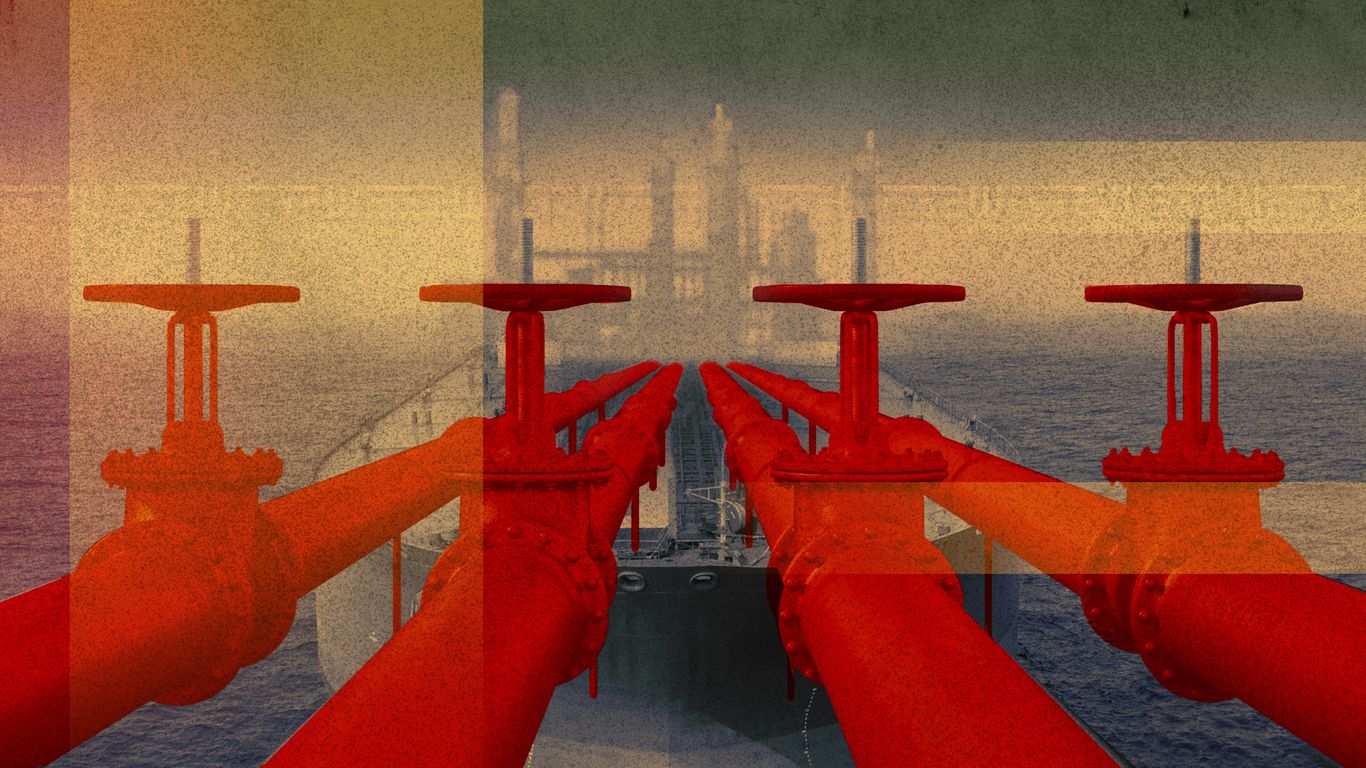
Crude oil prices dropped about $5 per barrel Sunday evening in the first major trading since the emergence of rough and tentative outlines of a deal to end the U.S.-Iran conflict.Why it matters: The throttling of the Strait of Hormuz is raising energy costs and weighing down economies worldwide — including the U.S., where average pump prices are about $1.50-per-gallon above pre-war levels.And the crisis is poised to worsen as global crude oil inventories are depleting at a record pace.The latest: Futures prices from the global benchmark Brent crude are back under $100 per barrel, trading around $98.76 Sunday evening, a 4.62% drop from Friday's close. Reality check: Even if an agreement that opens the Strait is reached — a process that could take days, per Axios' Barak Ravid — energy markets will remain disrupted for months.As of mid-May, the conflict was blocking the flow of around 14 million barrels of oil per day, according to the International Energy Agency.Saudi Arabia and the United Arab Emirates have increased the use of pipelines that bypass the Strait, but those added volumes don't come close to offsetting what normally travels through the narrow waterway.The waterway handles about a fourth of the global maritime oil and a fifth of the liquefied natural gas trade.And several Persian Gulf producers have dialed back production as storage space filled up, and that takes time to come back online.What they're saying: "Gas prices are currently falling but until we see an agreement signed & a significant amount of ships transit through the Strait, the national average price of gasoline will likely remain well above $4/gal," Patrick De Haan, head of petroleum analysis for the data and analysis firm GasBuddy, posted on X.The intrigue: Even if a deal emerges, it's not clear whether shippers will have confidence to quickly resume large-scale transport of crude oil and petroleum products.And some Asian markets with acute fuel needs take weeks to reach from the region.What we're watching: "[D]e-mining the Strait, evacuating trapped tankers and restarting production could take weeks to months," the research firm ClearView Energy Partners said in a client note Sunday."[R]epairing damaged facilities, restoring pre-war output levels, and restocking depleted inventories could take multiple calendar quarters to years," the research firm added in the note sent ahead of markets opening.Editor's note: This story has been corrected to show the strait handles about a fourth of the maritime oil trade (not a fifth).

Top GOP foreign policy hawks openly grumbled over rumors about the delicate deal with Iran that President Trump is believed to be close to signing.
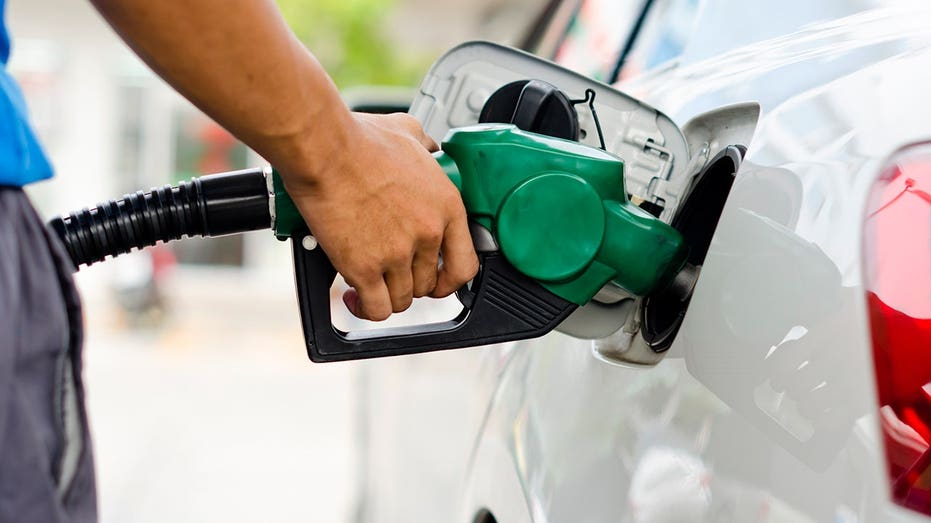
Americans face near-record gas prices this Memorial Day weekend as Iran tensions disrupt oil supplies and squeeze families dealing with inflation.
Millions of Americans still tune in to local television news for weather alerts, traffic updates, sports, school closings, and community affairs. While the share of the public getting news from local television has declined somewhat, roughly 65% of U.S. adults share this common civic experience. This is why it is concerning that a coalition of […]