
NewsNation
Employers added 172K jobs last month, sign of resilience amid Iran war
The job market has been recovering this year from a miserable 2025, so far shrugging off higher energy prices and increased economic uncertainty
Center
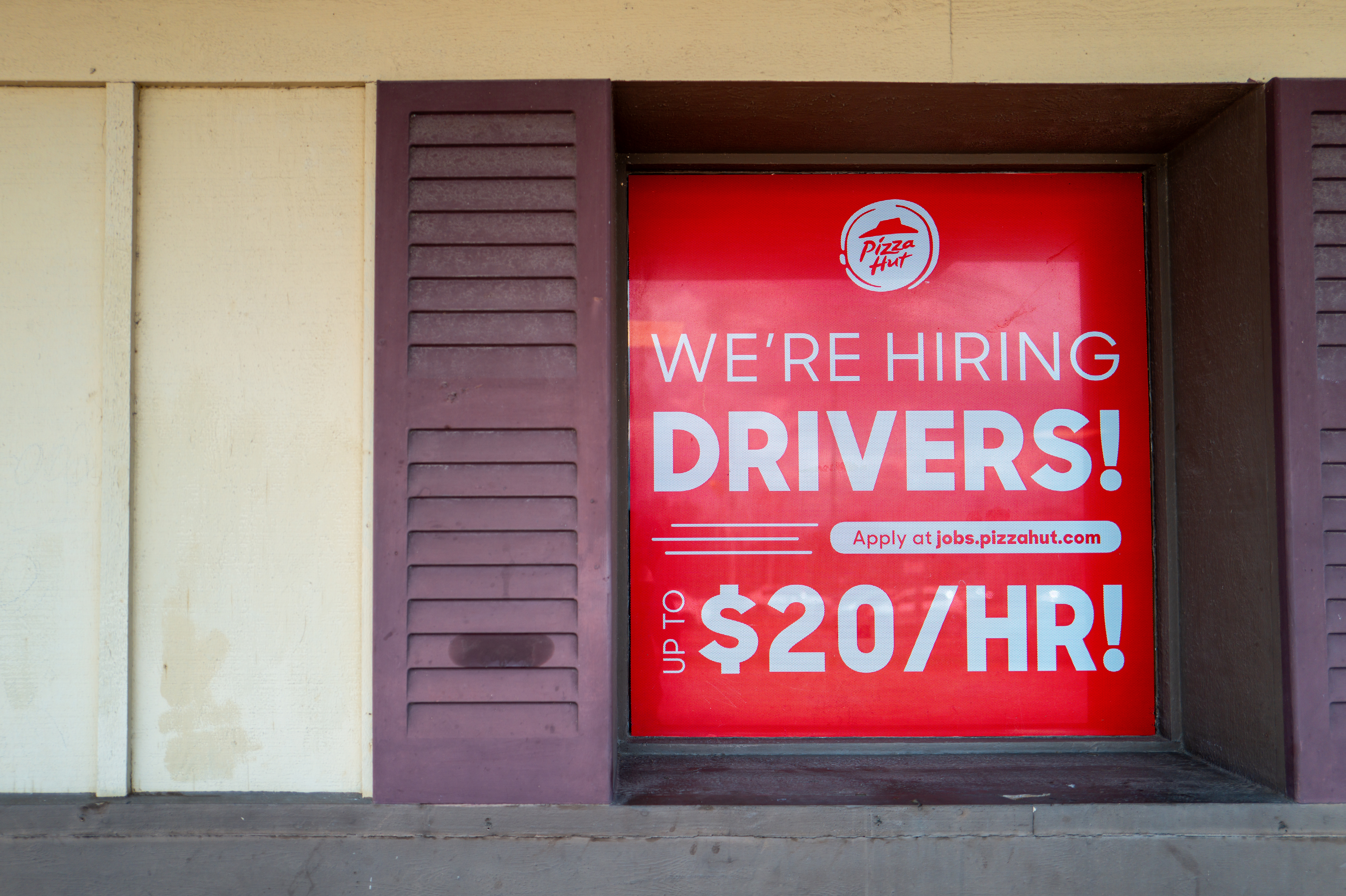
U.S. employers added jobs for the third month in a row in May, while the unemployment rate held steady at 4.3%. But wage gains softened and likely failed to keep pace with rising prices.
The job market has been recovering this year from a miserable 2025, so far shrugging off higher energy prices and increased economic uncertainty
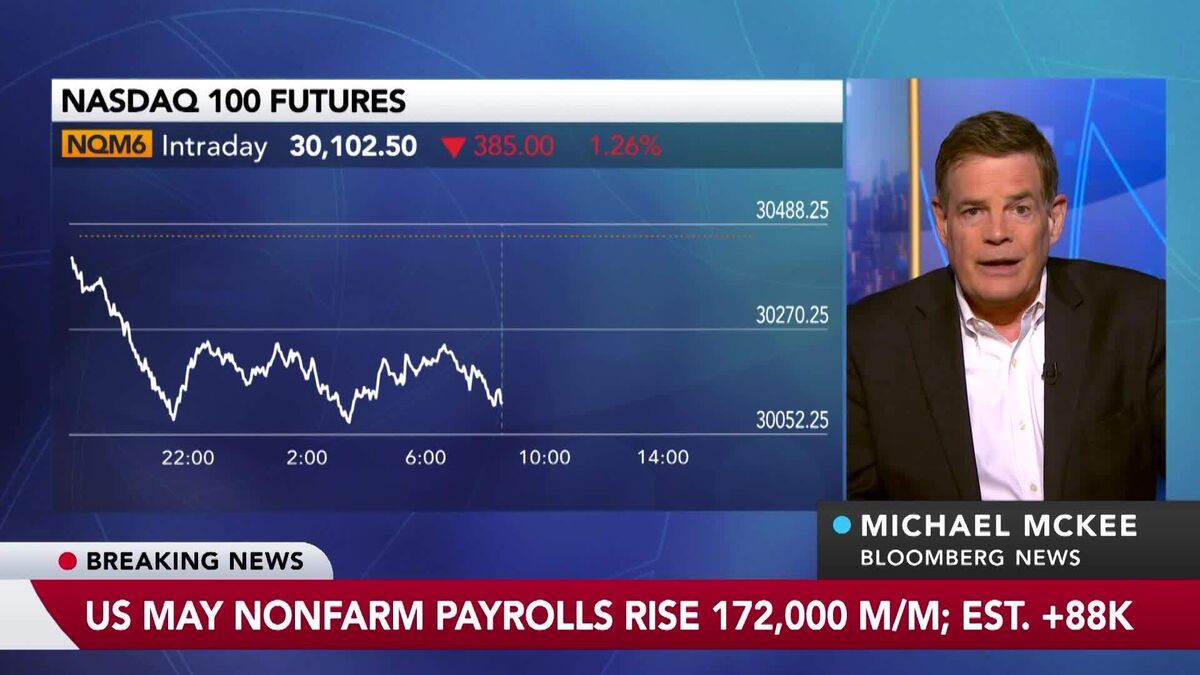
Hiring in the US surged in May. 172,000 jobs were created topping all forecasts. The estimate was for 88,000. The unemployment rate held steady at 4.3%. Bloomberg's Michael McKee has more on this blowout report on Bloomberg Surveillance. (Source: Bloomberg)
Thursday, June 4th on RealClearPolitics - Joined by RCP Contributor Richard Porter and Miranda Devine, host of Pod Force One
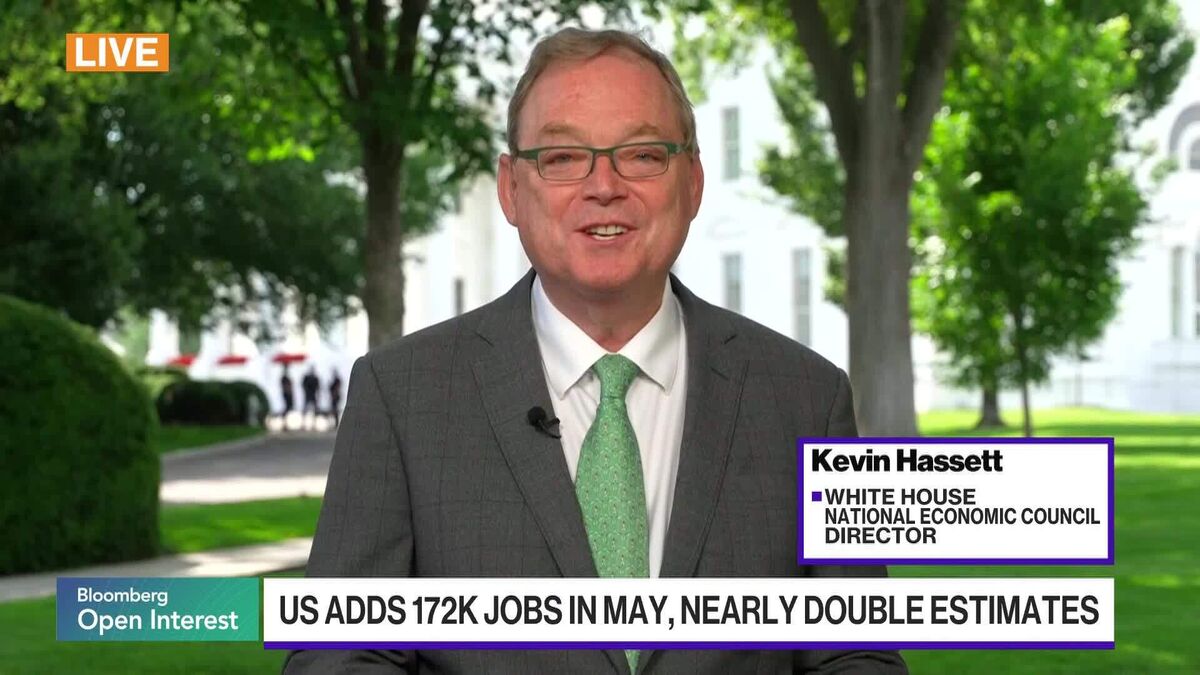
The markets are "terribly wrong" to price in an interest rate hike this year by the Federal Reserve, says National Economic Council Director Kevin Hassett. He speaks on "Bloomberg Open Interest." US job growth topped all estimates in May. (Source: Bloomberg)

A new jobs report exceeded expectations despite the U.S. economy facing inflation and record debt. U.S. payrolls rose by 172,000 last month, far above the Dow Jones’ 80,000 […]
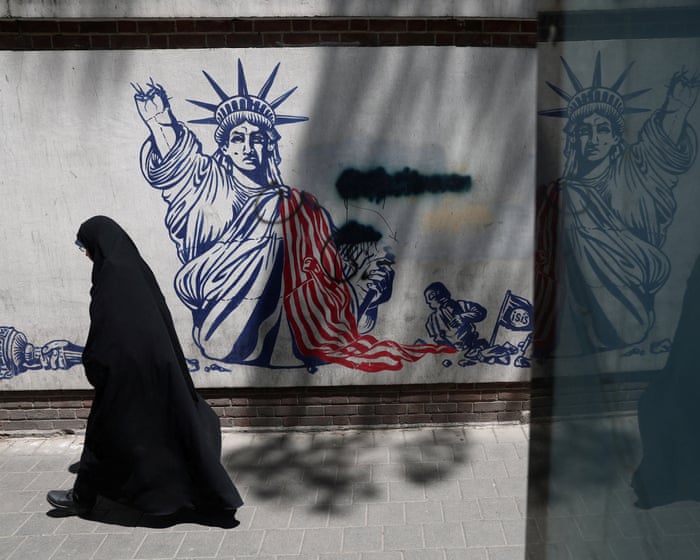
The ceasefire has held just enough to prevent a return to all-out war, but neither side is close to achieving peaceThe US-Iran ceasefire is entering yet another round of escalation since it came into effect on 8 April. This week, there have been further strikes on Iran by the US, and Iranian retaliation on Kuwait and Bahrain, alongside Israeli escalation in Lebanon. Earlier flare-ups over the past two months were quickly contained. Both sides have tried to keep the balance between no war and no peace. But as this ceasefire drags on it risks becoming yet another Middle East stalemate, albeit one with international economic and political consequences.Four obstacles are preventing progress. The first is trust. Iran does not believe Donald Trump can deliver a deal, much less stick to one. The fear is not only that Washington will walk away again but that the goalposts will keep moving, where first nuclear limits are imposed, followed by missiles, then regional policy and finally further political concessions dressed up as security guarantees.Sanam Vakil is the director of the Middle East and North Africa programme at Chatham HouseDo you have an opinion on the issues raised in this article? If you would like to submit a response of up to 300 words by email to be considered for publication in our letters section, please click here. Continue reading...

The latest United States-brokered ceasefire in Lebanon did not last a day, with columns of smoke rising from Tyre in South Lebanon from new Israeli strikes. It’s a setback to President Donald Trump’s efforts to achieve a peace deal with Iran. NBC’s Richard Engel reports for TODAY.
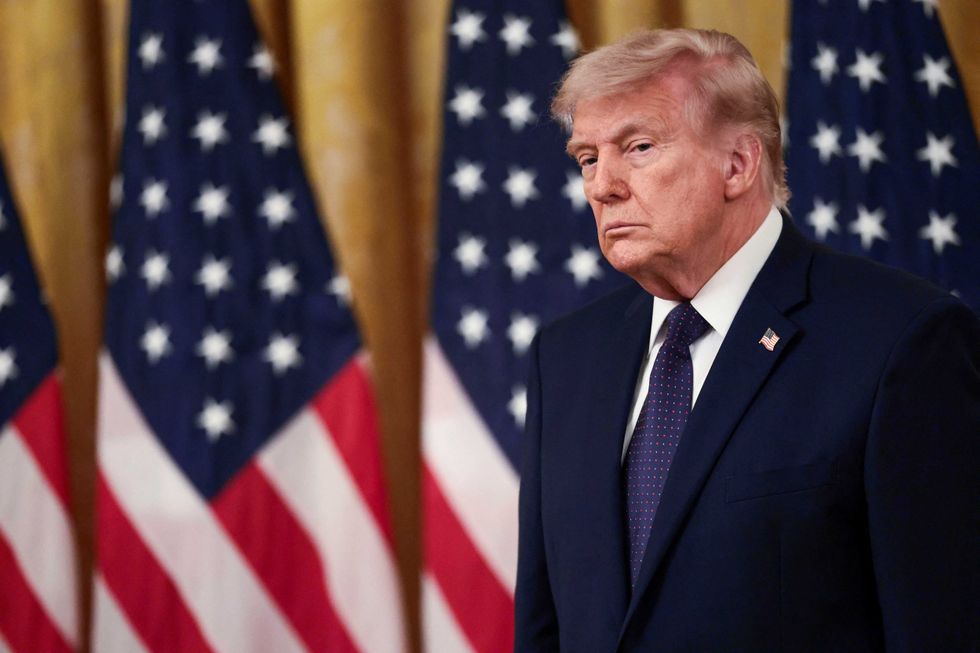
As the war with Iran drags on with no conclusion in sight and its consequences continue to spin out, former Defense Secretary and CIA Director Leon Panetta has a dire assessment of the situation: the conflict in the Middle East is “Trump’s Vietnam.”Panetta — who presided over the Pentagon during the Obama administration and helped lead the operation that killed Osama bin Laden — delivered this alarming appraisal on Thursday while appearing on CNN to discuss the faltering U.S.-Iranian peace talks, saying, “I think what you're seeing is that this war is very much turning into Trump's Vietnam. In Vietnam, we negotiated, but in the end, the North Vietnamese took total control. We were lucky to get our forces out. I think we're heading in the same direction with this war.”Spanning 1955 to 1975, the Vietnam War famously became a quagmire from which the U.S. could not extract itself, resulting in the deaths of nearly 60,000 Americans and millions of Vietnamese and other Southeast Asians. The conflict left a major stain on the U.S. reputation, and it is today invoked when discussing intractable wars with particularly severe political fallout. Commentators have increasingly raised the specter of Vietnam as the war with Iran has ground on, but Panetta’s assertion raises the volume of such talk. “In Vietnam, we never got a straight story from the administration as to what was happening,” said Panetta when asked what brought him to his conclusion. “And I'm not sure we're getting a straight story right now from this administration as to what's happening in negotiations with Iran.” He also noted that though US-Vietnamese negotiations went on for some time, resolving some issues, “in the end, North Vietnam won that war.”He projected that something similar will happen with Iran.“What I sense here is that no matter what we try to negotiate with a hardline regime in Iran, they're going to be in control of the Straits of Hormuz," he warned. "And they are going to do everything they can to try to continue enrichment so that ultimately, they can develop a nuclear weapon.”Panetta went on to note another parallel between the wars in Iran and Vietnam: a presidential tendency to miscalculate how easily the confrontation would be won. “At the very beginning of this war, the president said, based on Israeli assurances, that once the leadership was killed, that within a few days the regime would collapse,” Panetta explained. “That did not happen. Our intelligence made very clear that was never going to happen, so it was a terrible miscalculation.”With all this in mind and the shadow of Vietnam looming, Panetta’s conclusion was not optimistic: “The hardline regime remains in power, and as long as they are in power, whatever we try to negotiate, very frankly, is only going to be temporary. I think where we're headed is some kind of flimsy agreement here, but in four or five years, I think the United States and Israel may very well have to go back to war with Iran.” - YouTube www.youtube.com