A Michigan Dem Just Dropped an AI Plan Even Tougher Than Bernie’s
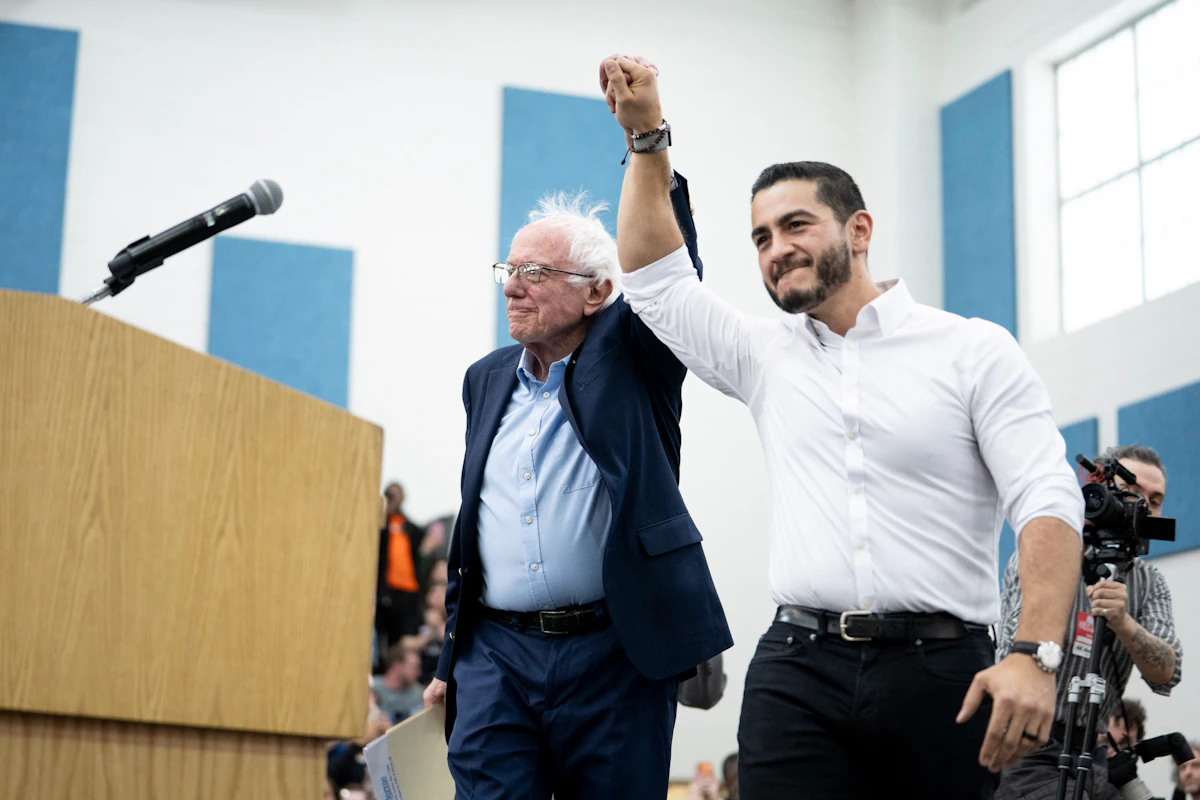
Abdul El-Sayed, a primary candidate for U.S. Senate in Michigan, released an ambitious AI policy platform Monday, joining other progressives like Senator Bernie Sanders in a push for regulation and public ownership. But El-Sayed’s proposal also goes a step further: not just public ownership, but also public governance. Earlier this month, an AI super PAC spent millions to ensure that Alex Bores, the author of a comparatively weak New York state AI accountability law, wouldn’t make it to Congress. El-Sayed’s proposed changes to the AI industry go far further than Bores’s legislation. When asked whether he was worried about industry political action committees targeting his campaign over his new proposals, El-Sayed shrugged it off. “I’m just not afraid of them or AIPAC or any of the others. What’s another hundred-million-dollar super PAC, I guess?”El-Sayed’s policy proposal, which he shared exclusively with The New Republic ahead of its release, has three key components: democratic governance of AI, public ownership of AI companies, and safety requirements. His proposal takes inspiration from Sanders’s American AI Sovereign Wealth Fund bill, proposed earlier this month—and like Sanders’s bill, calls for the creation of a sovereign wealth fund to distribute AI companies’ cash into Americans’ pockets. Sanders envisions establishing that via a one-time 50 percent tax on the country’s biggest AI companies, generating an estimated $7 trillion for social safety net programs, plus a yearly dividend for Americans. El-Sayed proposes using that money to fund education and job training, increase unemployment benefits, and boost small business loans.“I love the senator’s point that we need to own the outcomes of this, in part because it is our data and our knowledge that went into creating it,” El-Sayed said about Bernie’s proposal. They both reason that, since AI has been trained on human writing, research, and collective knowledge, it is a good that belongs to all Americans. “But I think the ownership part needs to go a step further, because we also need some control,” El-Sayed added.To get that control, he proposes democratic governance of AI companies. He proposes that frontier AI labs be chartered as public benefit corporations, legally mandating them to balance public interest with profit margins. Additionally, he suggests that a majority of board seats at these companies should be democratically elected or publicly appointed, rather than selected by shareholders. And, importantly, he calls for major tech companies like Amazon, Microsoft, Google, and Meta to divest from frontier AI companies. El-Sayed also recommends the establishment of a Food and Drug Administration–style agency to evaluate models before they’re deployed, a ban on AI-generated political media, and requiring companies to work with the Centers for Disease Control and Prevention, National Institutes of Health, and Federal Emergency Management Agency to protect against biosecurity breaches.El-Sayed’s breezy response to TNR’s question about possible industry retaliation—“What’s another hundred-million-dollar super PAC, I guess?”—references the unrelated money that the American Israel Public Affairs Committee, or AIPAC, has already spent on the race. Through United Democracy Project PAC, AIPAC has spent over $2 million to support one of El-Sayed’s opponents, Representative Haley Stevens, who is the Democratic establishment’s favored candidate. El-Sayed has repeatedly criticized both the Israeli government and AIPAC’s influence in politics. El-Sayed is also facing State Senator Mallory McMorrow, though polls suggest the race is largely between El-Sayed and Stevens. McMorrow released an AI policy proposal last month that focuses on creating a professional apprenticeship program funded by a token tax, which would charge by the number of tokens used (tokens are the basic units of data that AI models use). Stevens has not released an AI policy plan.Despite a broad consensus among voters that politicians should regulate the AI industry, few bills have actually been passed. Following AI industry super PACs’ massive spending to defeat Alex Bores in retaliation for the RAISE Act, some feared politicians might become even more reluctant to try.El-Sayed is hopeful that American voters are ready to push back against money in politics. “We live in an era right now where people are really smart to the old system of money coming in to buy elections. They see the wool being pulled over their eyes and they don’t like it,” he said.He also doesn’t think politicians have the luxury of time when it comes to regulating AI. “We need to act yesterday,” he said, “and at best, we can act tomorrow.”