
Truthout
Ex-Nuclear Negotiator Criticizes Trump’s Push for Abraham Accords in Iran Deal
Trump threatened to blow up Oman and said Gulf states “owe” it to the US to normalize relations with Israel.
Far Left
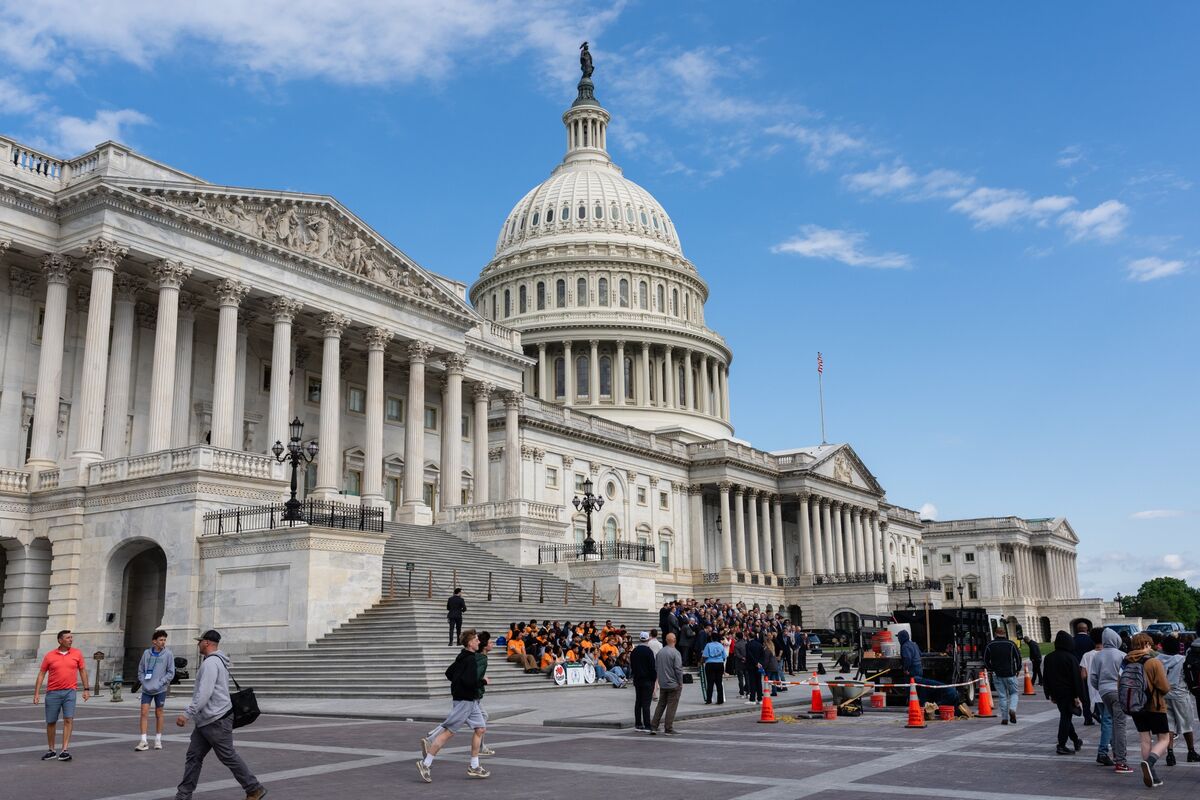
Capitol Hill tax staff haven’t ruled out an end-of-year bipartisan tax package to adjust retirement fixes and international tax issues that have gone unaddressed—even as Republican lawmakers race against the clock to pass a “skinny” reconciliation package.
Trump threatened to blow up Oman and said Gulf states “owe” it to the US to normalize relations with Israel.
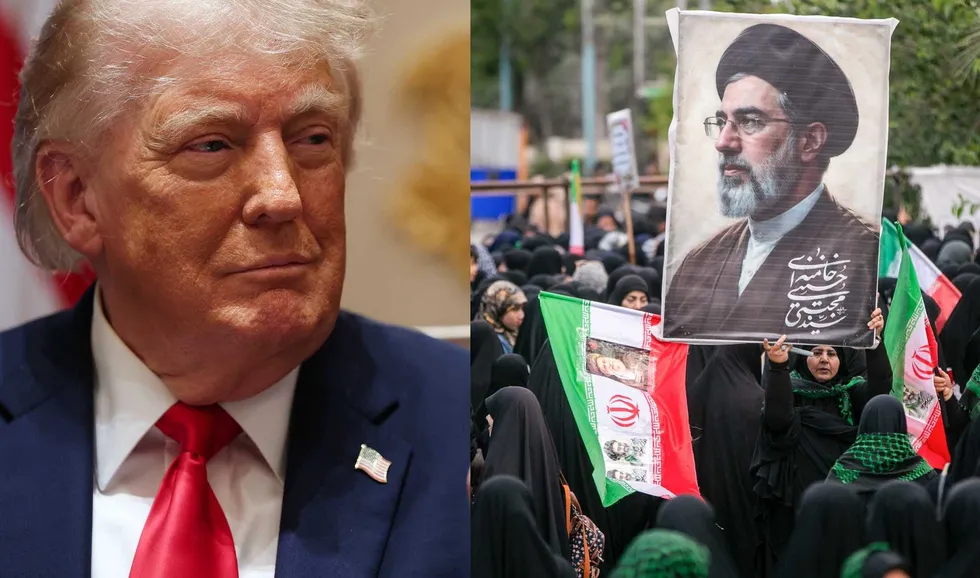
Negotiators representing the U.S. and Iran have reached a tentative agreement about the ceasefire, according to various news outlets.If signed by President Donald Trump and the Iranian regime, the ceasefire would extend for another 60 days. Trump has not yet signed off on the memorandum of understanding, according to an official who wanted to remain anonymous.'President Trump is not going to make a bad deal for the American people, for the US.'"This is an agreement to get everybody to the table," the official told Axios. "We will work out the details in the negotiations."If both sides agree to the ceasefire, it would lead to the Strait of Hormuz being opened to trade again and possibly lowering gas prices across the globe. Other policies to be decided include billions of dollars of frozen assets that Iran would like to regain and restrictions on its ability to refine uranium for military nuclear capabilities.The president had lambasted previous offers from the regime and at one point called its proposals "garbage" and "unacceptable."RELATED: Trump offers unique insight into Iran's 'strange' negotiations: 'It won't be pretty!' When Treasury Secretary Scott Bessent was asked about the deal on Thursday, he would not answer directly."Everything depends on what the president wants to do, and President Trump is not going to make a bad deal for the American people, for the U.S.," he said.This is a developing story. Like Blaze News? Bypass the censors, sign up for our newsletters, and get stories like this direct to your inbox. Sign up here!
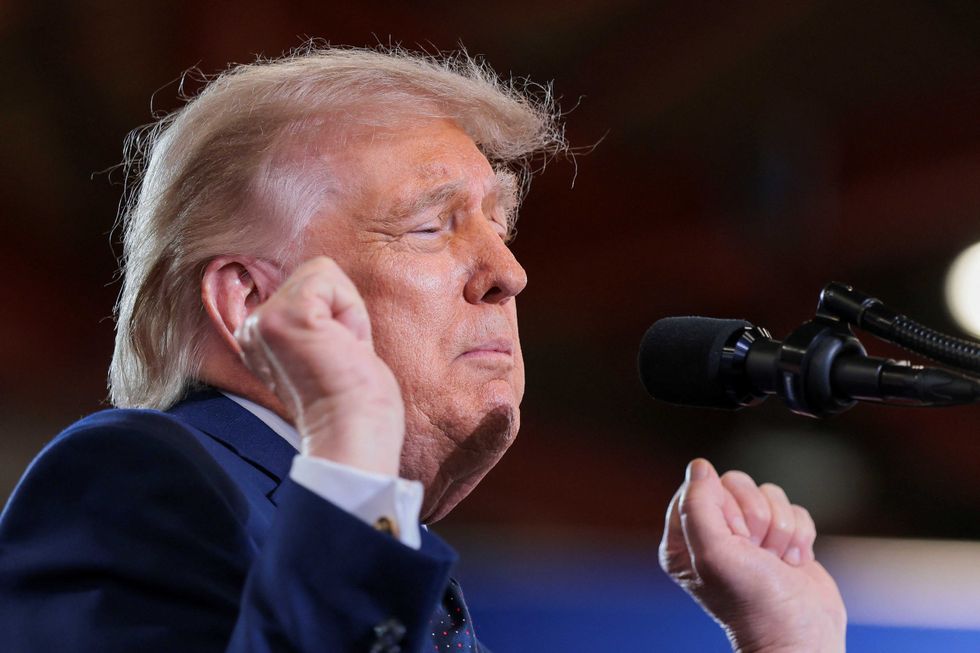
Economist and public policy scholar Justin Wolfers says Republicans and President Donald Trump have not only set themselves up for a brutal midterm, but voters will probably be holding them accountable for high inflation and fuel prices for years.“There is a bomb that has hit the world economy and to any of us who watch the economy, there's no question that the economy today is different than it was in February,” Wolfers told podcaster Jacqueline Cole.The damage Trump and the GOP have done doesn’t amount to a dip or a drop. It’s much bigger than that — and more permanent. Wolfers described it more as a “crater” resulting from Trump’s bomb“Okay, so we'll start with the oil prices. Oil prices today are higher than they were — they’re about $100 a barrel. They were $60, but I can see oil price futures, which tells me how long oil prices will be higher than they would otherwise be and the answer is ‘for several years,’” said Wolfers. “It could be that they think this conflict goes on for longer or they think that this conflict is laying the ground for future conflicts. But get used to it. Energy is more expensive and will be for a while.”Wolfers was loathe to speak of the costs of Trump’s Iran was in terms of “billions” or “trillions,” because numbers like that sound too general. He prefers to talk in terms of what it will cost the average U.S. family. And when you pare those numbers down to the impact on individual families things start to sound painful.People do not measure mass shootings by the number of bullets, he said. They measure it by pain, suffering and the many expensive ancillary costs that come of mass shooting. Similarly, some Fed researchers recently constructed an index of the geopolitical risk of Trump’s war. And when Wolfers applies their unit of measurement it translates into U.S. income and output being $200 billion lower as a result of Trump’s Iran invasion.“The point that I want to get across though is every way I look at this, the bill ends up being hundreds of billions of dollars. Okay, so if this war ends up costing ... $130 billion dollars and there's 130 million Americans. That means that the average cost per household is … several thousand dollars.”And these costs aren’t going anywhere due to the lingering effects of geopolitical damage hammering down onto U.S. citizens, in addition to other costs. But, don’t worry. Trump and the Republicans who made it all happen will still be handing around in office, waiting to for voters to show them how thankful they are for this.

Oil prices dipped Thursday amid reports that the U.S. and Iran had reached a tentative deal to extend their ceasefire and reopen the Strait of Hormuz. International benchmark Brent crude was trading at about $94 per barrel as of Thursday afternoon, down from about $96 per barrel before reports emerged. U.S. benchmark West Texas Intermediate crude was around $89 per barrel,…
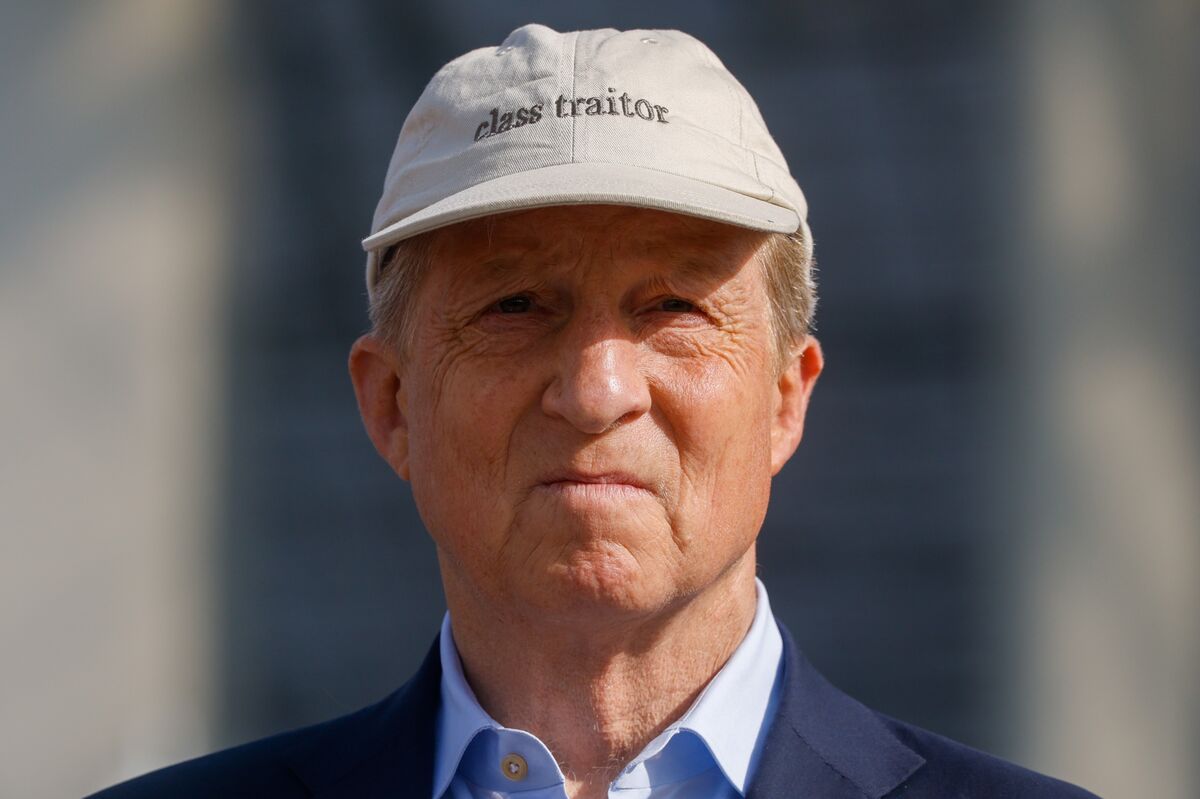
The former hedge fund titan is waging one of the most expensive gubernatorial campaigns in US history — on a platform the business community hates.

California Gov. Gavin Newsom (D) on Wednesday said he will impose a 100 percent tax on state residents who receive money from the Trump administration’s new $1.8 billion “anti-weaponization” fund meant to compensate those who feel they were wrongfully prosecuted by the government. “One thing that I think we’re going to try to do ……

The United States and Iran reached a tentative agreement on Thursday to extend the shaky ceasefire in the Middle East and reopen the Strait of Hormuz, but President Trump’s approval remains pending, according to U.S. sources. The two sides have struck a deal on a 60-day memorandum of understanding (MOU) to protract the fragile ceasefire,…

The framework, which has reportedly yet to be approved by the leaders of the US and Iran, would extend the fragile ceasefire and launch nuclear programme talks.