The Justice Department (DOJ) declined on Thursday to release additional unredacted records from its investigation into convicted sex offender Jeffrey Epstein, telling a federal judge that it has already adequately complied with the law. The DOJ’s response came in the final hours of a court-ordered deadline to remove redactions in at least a dozen documents…
New York Mayor Zohran Mamdani delivered his July 4 address from behind George Washington's desk at City Hall. The mayor was joined by recently naturalized U.S. citizens as he highlighted the ideals the founders of the nation put forward 250 years ago.
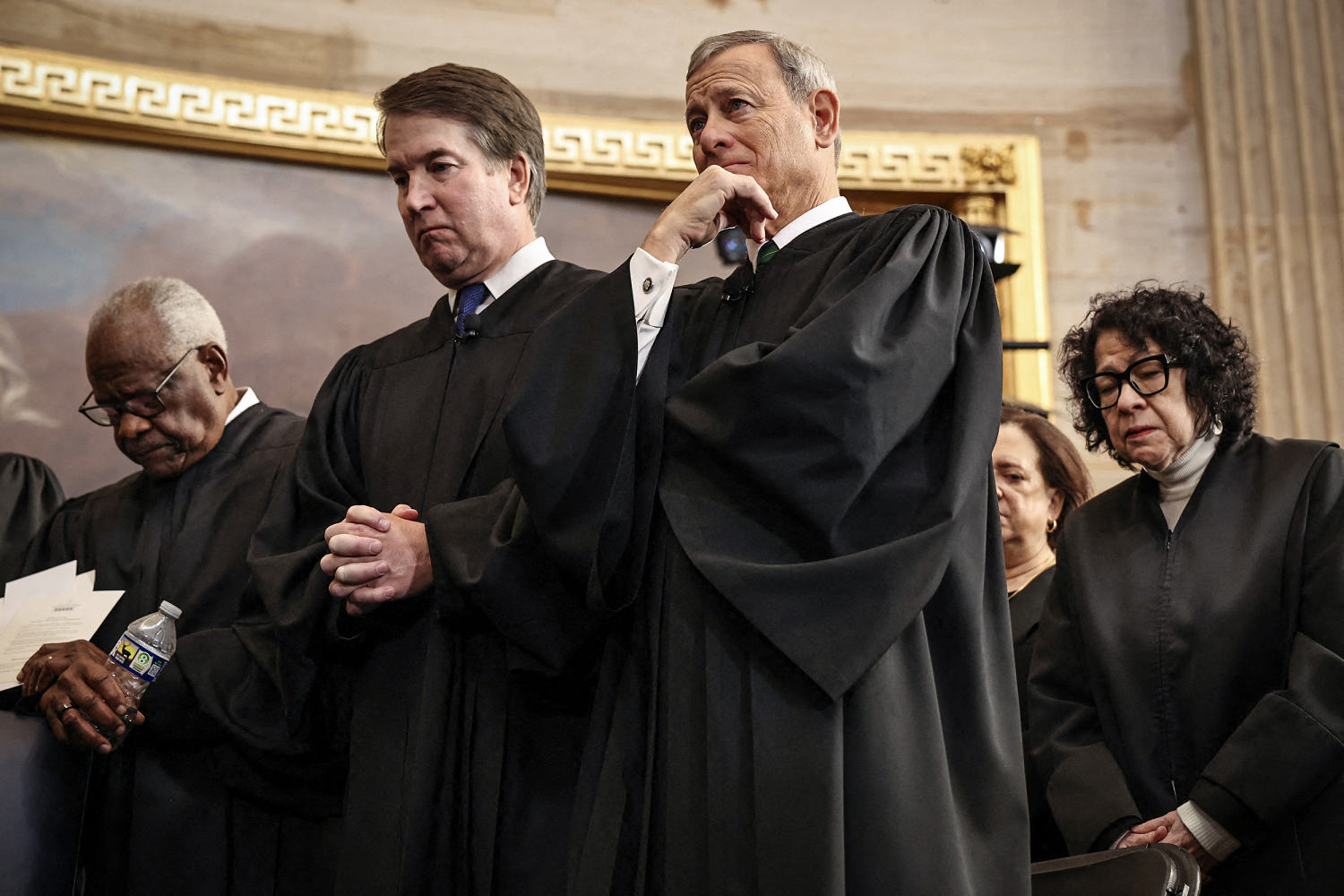
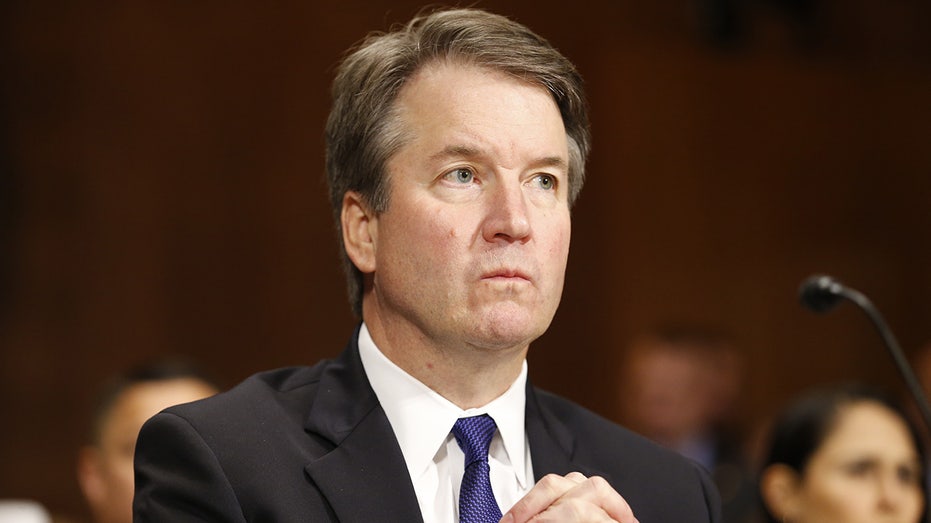
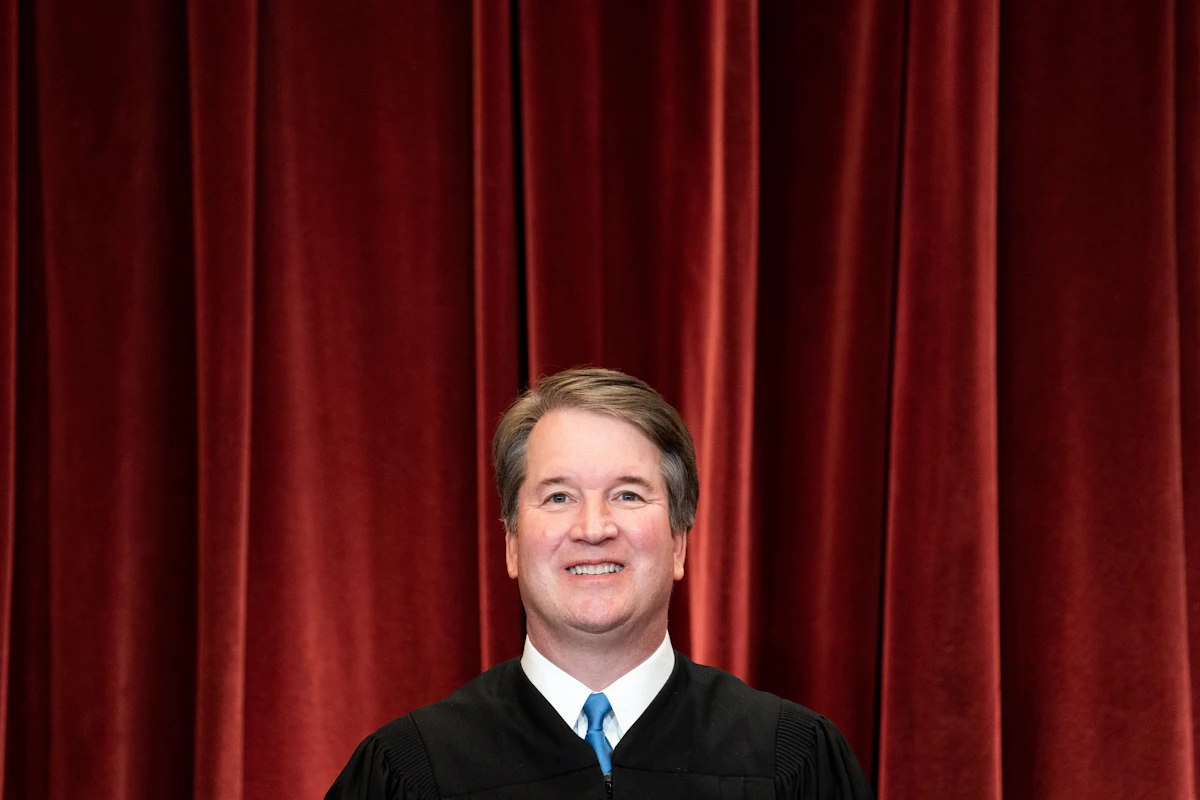
The Supreme Court’s ruling this week on birthright citizenship in Trump v. Barbara totaled approximately 194 pages. I wrote earlier this week about the various positions that each of the justices took. But it is worth dwelling for an extra moment on the unusual position taken by Justice Brett Kavanaugh in just 10 strange pages.Unlike the rest of his colleagues, Kavanaugh took the position that Trump’s executive order was constitutionally permissible but statutorily illegal. In other words, the Fourteenth Amendment’s citizenship clause did not block Trump’s effort to curtail birthright citizenship, but an act of Congress that used identical language did.At a very superficial level, this might sound sensible and moderate by implicitly inviting Congress to address the situation. Kavanaugh certainly positions the opinion—and himself—as such. On closer inspection, it might be the most dangerous and extreme view of U.S. citizenship to be articulated by the justices this week.To understand Kavanaugh’s position, a brief sketch of the other justices’ views is necessary. Last January, Trump issued an executive order that instructed federal agencies to not recognize the U.S. citizenship of children whose parents were undocumented immigrants or living in the United States on temporary visas. A group of plaintiffs sued, arguing that this violated the Fourteenth Amendment’s citizenship clause.That clause reads as follows: “All persons born or naturalized in the United States, and subject to the jurisdiction thereof, are citizens of the United States.” In the 1898 case United States v. Wong Kim Ark, the Supreme Court ruled that the son of two Chinese immigrants in San Francisco had acquired U.S. citizenship at birth solely by virtue of being born on American soil. The “subject to the jurisdiction” exception was narrowed to a handful of situations that rarely apply today.In Tuesday’s ruling in Barbara, the justices essentially took four separate positions. Five of them took what can be described as the consensus view. Americans had inherited the rule of birthright citizenship from the English common law, Chief Justice John Roberts explained in his majority opinion. Dred Scott v. Sandford’s holding that people of African descent were ineligible for U.S. citizenship was a violation of that rule, and the Fourteenth Amendment’s citizenship clause restored and entrenched the original understanding.Two of Roberts’s fellow conservatives, Justices Clarence Thomas and Neil Gorsuch, took a different view. Thomas affirmed Wong Kim Ark as correct but argued a person’s domicile status—or, more specifically, that of their parents—also determined whether that person had U.S. citizenship at birth. Since Trump’s executive order was lawful in at least some circumstances, like birth tourism, the two justices rejected the facial challenge to its constitutionality.At the same time, both justices signaled that even if their domicile-focused view had prevailed, it would not grant total victory to the Trump administration. Thomas and Gorsuch concluded that children of temporary visa holders would not be eligible, and their respective dissents largely focused on that aspect of the order. But both justices wrote that they would not necessarily reach the same conclusion for children of undocumented immigrants, especially if they had lived long-term in the U.S.The third position was adopted solely by Justice Samuel Alito, who argued that the clause “confers citizenship on only those children who, at birth, owe allegiance solely to this country.” He argued that Wong Kim Ark should be read much more narrowly by the court since, in his view, it showed “little respect for precedent.” Instead, Alito leaned heavily on phrasing in the Civil Rights Act of 1866, which only extended U.S. citizenship to those “not subject to any foreign power,” a narrower phrasing than the clause that was ratified three years later.Even then, Alito ultimately concluded that Wong Kim Ark was correctly decided. The Chinese Exclusion Acts had made it impossible for Chinese immigrants to be naturalized, so Wong’s parents faced a different threshold under the clause. “By establishing domicile, they had done everything within their power to express their desire and intent to become Americans,” Alito explained.“Wong Kim Ark is therefore best understood as holding that people who are lawfully present here, establish the United States as their intended permanent home, and do everything within their power to become United States citizens can be seen as no longer subject to any foreign power,” Alito argued.That brings us, at last, to Kavanaugh. He voted with the majority to strike down the order on different grounds from those of Roberts and the other four justices in the majority. Kavanaugh said that he found the constitutional issue to be “far more complicated” than the statutory one.
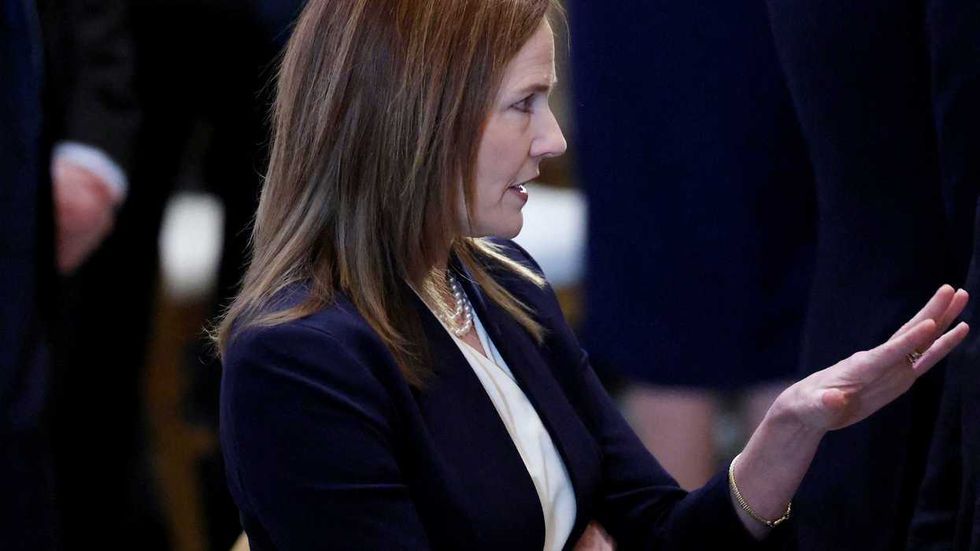
Defenders of the U.S. Constitution's 14th Amendment breathed a major sigh of relief when the U.S. Supreme Court, in a 5-4 ruling in Trump v. Barbara, invalidated President Donald Trump's executive order calling for an end to birthright citizenship. The decision found the High Court's three Democratic appointees (Justices Sonia Sotomayor, Elena Kagan and Ketanji Brown Jackson) agreeing with Chief Justice John Roberts (who wrote the majority opinion) and Justice Amy Coney Barrett (a Trump appointee) that birthright citizenship enjoys constitutional protection. Many MAGA Republicans are furious with Barrett, and Never Trump conservative David French believes that MAGA hatred of her is growing increasingly "dangerous." As Barrett's critics on the far right see it, the arch-conservative justice betrayed Trump with her vote in Trump v. Slaughter.In an early July conversation with fellow New York Times opinion journalist Emily Bazelon, French warned, "The MAGA backlash against Barrett is out of control. The justices already face threats. She was apparently swatted at her home in May, but this new level of vitriol — including attacking her multiracial family (she has adopted children from Haiti) — is making me nervous. In a word, MAGA has focused its fury on Barrett — some people even call her Amy 'Commie' Barrett — and that can be very, very dangerous."Although Barrett — a self-described "originalist" and admirer of the late Justice Antonin Scalia — is far from a liberal and isn't a libertarian like retired Justice Anthony Kennedy (a Ronald Reagan appointee), she has, at times, showed a willingness to part company with MAGA. Bazelon told French, "Barrett is a staunch conservative, but she has her own ideas. In her own way, she is as resolute about sticking to them as Justice Ketanji Brown Jackson, who writes a lot of solo opinions." The conservative French and more liberal Bazelon agreed that Trump v. Slaughter was much closer than it should have been. French told Bazelon, "I'm both relieved at the outcome and worried that we won't move on from this debate. I'm concerned that the narrowness of the majority (there were only five justices who upheld birthright citizenship without reservations) will lead to a new Roe v. Wade-style litmus test for judges on the MAGA right. Will they try to nominate and confirm only those judges and justices who agree with Justice Clarence Thomas' lengthy dissent?"Bazelon responded, "That is a truly dismaying possibility. The United States has benefited from the open arms of birthright citizenship in so many ways. It's the Statue of Liberty come to life. It helps immigrants integrate. Once you are born here, you are an American. The successive generations are an amazing engine of social mobility and accomplishment, in a way that other countries don’t match, because we have this rule. It prevents isolated enclaves of guest workers."
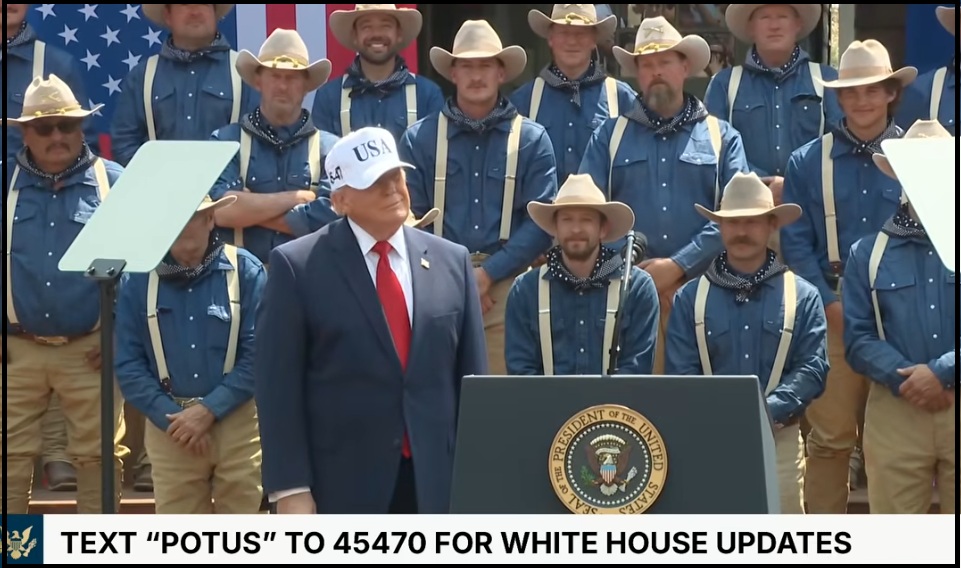
President Donald Trump gives remarks at Theodore Roosevelt Presidential Library dedication ceremony. Livestream links below. . . . Posted in Freedom 250, Patriotism, President Trump, Press Secretary - Trump, Uncategorized
The post President Trump Delivers Remarks at Theodore Roosevelt Presidential Library Dedication Ceremony appeared first on The Last Refuge.