The Justices Aren’t Buying Trump’s Attack on Birthright Citizenship

Source: The New Republic · Bias: Left

Summary

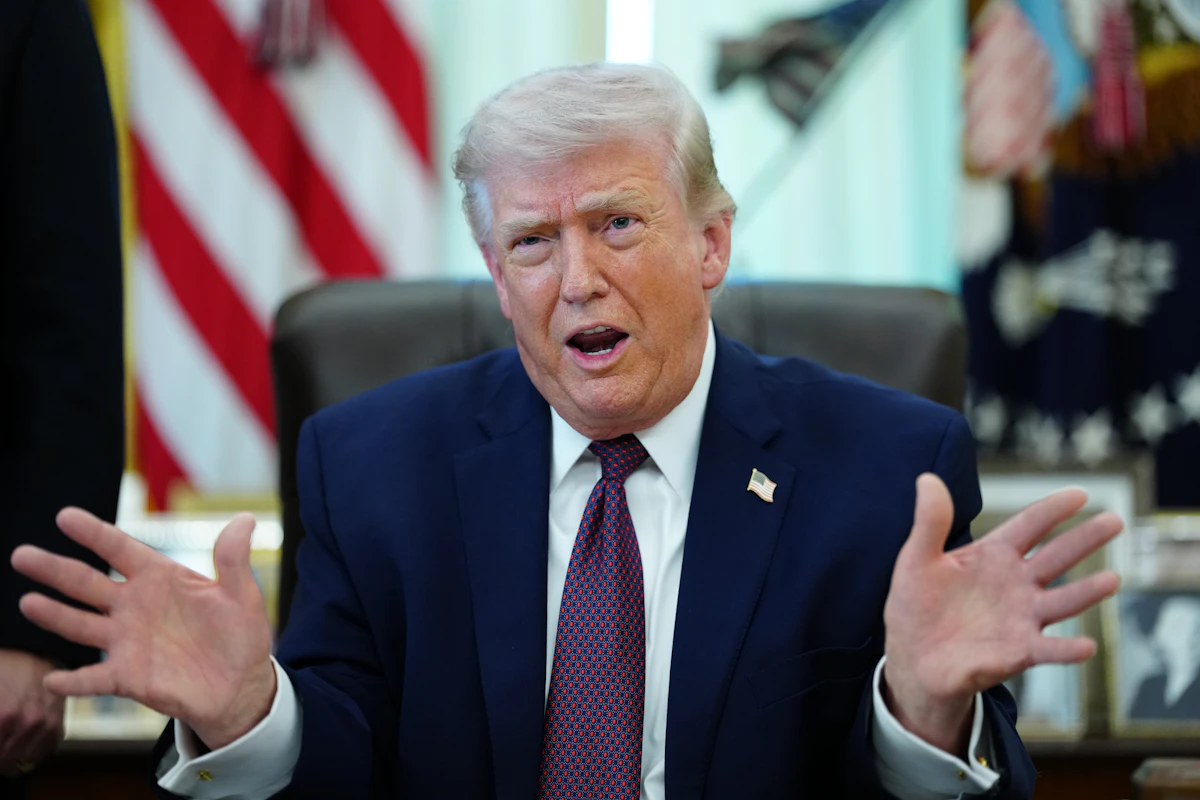
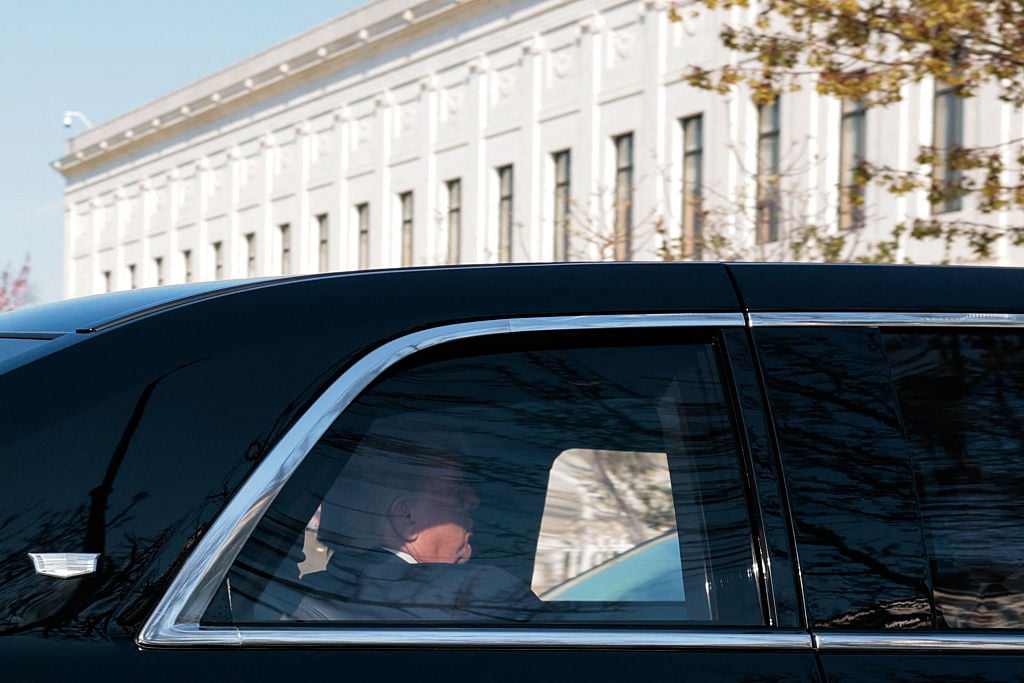
The Supreme Court appears ready to reject Donald Trump’s war on birthright citizenship. During oral arguments in Trump v. Barbara on Wednesday, most of the justices—including at least two of the president’s own appointees—ranged from skeptical to hostile toward the government’s case.Solicitor General John Sauer, arguing for the administration, invoked the purported dangers of birth tourism, at one point, to illustrate the government’s case for limiting citizenship for newborns. “Based on Chinese media reports, there are 500 birth tourism companies in the People’s Republic of China, whose business is to bring people here to give birth and return to that nation,” he claimed, without real evidence.“Having said all that,” Chief Justice John Roberts asked him, “you do agree that that has no impact on the legal analysis before us?” Sauer countered that the prevailing interpretation of the Fourteenth Amendment’s citizenship clause had consequences that its “nineteenth-century framers” could not have imagined. He suggested that “we live in a world now … where eight billion people are just one plane ride away from having a child who is a U.S. citizen.” Roberts sounded unmoved. “Well, it’s a new world, but it’s the same Constitution,” he replied. His blunt skepticism confirmed that there was no clear pathway for Trump, who attended the arguments, to obtain five votes in his favor in this particular case—in part because siding with the president would require the conservative justices to fully abandon their devotion to an originalist reading of our founding document.Wednesday’s case centers an executive order targeting birthright citizenship that Trump signed the day he was inaugurated last year. It instructed executive branch officials to not “issue” documents recognizing U.S. citizenship or “accept” documents from state and local officials in certain cases. The order specifically targeted children born to parents in the United States on temporary visas or as undocumented immigrants.Federal courts blocked the government from implementing the order almost immediately, with one judge describing it as “blatantly unconstitutional.” The Supreme Court sided with Trump last year to rule that plaintiffs could not seek nationwide injunctions against the administration, but it did not address the merits of his effort to rewrite birthright citizenship.The Fourteenth Amendment’s citizenship clause is fairly straightforward: “All persons born or naturalized in the United States, and subject to the jurisdiction thereof, are citizens of the United States.” For more than 150 years after the amendment’s ratification, all three branches of government consistently concluded that it meant what it said. Anyone born on U.S. soil is automatically an American citizen, except for those not “subject to the jurisdiction” of the United States.What does that exception mean? The amendment’s drafters and nineteenth-century courts identified just a narrow handful of categories that had preceded the amendment’s ratification. Children born to foreign diplomats were excluded because their parents had diplomatic immunity. Members of Native American tribal nations outside U.S. jurisdiction also did not qualify. (Congress erased the latter exception with the Indian Citizenship Act of 1924, after the closure of the frontier.)In the 1898 case United States v. Wong Kim Ark, the Supreme Court laid out the standard interpretation of the amendment. Federal officials had sought to prevent Wong Kim Ark, who was born in San Francisco to Chinese parents who had later returned to their home country, from entering the United States, under the Chinese Exclusion Act. Since his parents were under U.S. jurisdiction on U.S. soil when he was born, however, the justices concluded that Wong was a natural-born citizen and could not be denied reentry to his native country.Trump’s order, by contrast, had argued for a much narrower interpretation of the citizenship clause. It claimed that the Fourteenth Amendment had merely meant to overturn Dred Scott v. Sandford and confirm the U.S. citizenship of formerly enslaved people during Reconstruction. While that was the amendment’s principal effect at the time, there is ample historical evidence that its drafters sought to lay down a more expansive rule of citizenship that would cover virtually anyone born on U.S. soil. At the time, the concept of “illegal immigration” also did not exist in federal law.Trump administration officials later embraced a novel interpretation of the Fourteenth Amendment that was invented by a handful of conservative legal scholars to justify Trump’s order. They claimed that “subject to the jurisdiction” does not actually mean what it says. Instead, they claimed, American citizenship hinges on one’s allegiance to the sovereign of their domicile at birth.

Related Coverage

Daily Analysis

Read the full Parallax Pulse for April 1, 2026 — an AI-powered analysis of how Left and Right media covered the biggest stories this day.

More Headlines From April 1, 2026

The Justices Aren’t Buying Trump’s Attack on Birthright Citizenship
The New Republic

The Justices Aren’t Buying Trump’s Attack on Birthright Citizenship

Left

The Supreme Court appears ready to reject Donald Trump’s war on birthright citizenship. During oral arguments in Trump v. Barbara on Wednesday, most of the justices—including at least two of the president’s own appointees—ranged from skeptical to hostile toward the government’s case.Solicitor General John Sauer, arguing for the administration, invoked the purported dangers of birth tourism, at one point, to illustrate the government’s case for limiting citizenship for newborns. “Based on Chinese media reports, there are 500 birth tourism companies in the People’s Republic of China, whose business is to bring people here to give birth and return to that nation,” he claimed, without real evidence.“Having said all that,” Chief Justice John Roberts asked him, “you do agree that that has no impact on the legal analysis before us?” Sauer countered that the prevailing interpretation of the Fourteenth Amendment’s citizenship clause had consequences that its “nineteenth-century framers” could not have imagined. He suggested that “we live in a world now … where eight billion people are just one plane ride away from having a child who is a U.S. citizen.” Roberts sounded unmoved. “Well, it’s a new world, but it’s the same Constitution,” he replied. His blunt skepticism confirmed that there was no clear pathway for Trump, who attended the arguments, to obtain five votes in his favor in this particular case—in part because siding with the president would require the conservative justices to fully abandon their devotion to an originalist reading of our founding document.Wednesday’s case centers an executive order targeting birthright citizenship that Trump signed the day he was inaugurated last year. It instructed executive branch officials to not “issue” documents recognizing U.S. citizenship or “accept” documents from state and local officials in certain cases. The order specifically targeted children born to parents in the United States on temporary visas or as undocumented immigrants.Federal courts blocked the government from implementing the order almost immediately, with one judge describing it as “blatantly unconstitutional.” The Supreme Court sided with Trump last year to rule that plaintiffs could not seek nationwide injunctions against the administration, but it did not address the merits of his effort to rewrite birthright citizenship.The Fourteenth Amendment’s citizenship clause is fairly straightforward: “All persons born or naturalized in the United States, and subject to the jurisdiction thereof, are citizens of the United States.” For more than 150 years after the amendment’s ratification, all three branches of government consistently concluded that it meant what it said. Anyone born on U.S. soil is automatically an American citizen, except for those not “subject to the jurisdiction” of the United States.What does that exception mean? The amendment’s drafters and nineteenth-century courts identified just a narrow handful of categories that had preceded the amendment’s ratification. Children born to foreign diplomats were excluded because their parents had diplomatic immunity. Members of Native American tribal nations outside U.S. jurisdiction also did not qualify. (Congress erased the latter exception with the Indian Citizenship Act of 1924, after the closure of the frontier.)In the 1898 case United States v. Wong Kim Ark, the Supreme Court laid out the standard interpretation of the amendment. Federal officials had sought to prevent Wong Kim Ark, who was born in San Francisco to Chinese parents who had later returned to their home country, from entering the United States, under the Chinese Exclusion Act. Since his parents were under U.S. jurisdiction on U.S. soil when he was born, however, the justices concluded that Wong was a natural-born citizen and could not be denied reentry to his native country.Trump’s order, by contrast, had argued for a much narrower interpretation of the citizenship clause. It claimed that the Fourteenth Amendment had merely meant to overturn Dred Scott v. Sandford and confirm the U.S. citizenship of formerly enslaved people during Reconstruction. While that was the amendment’s principal effect at the time, there is ample historical evidence that its drafters sought to lay down a more expansive rule of citizenship that would cover virtually anyone born on U.S. soil. At the time, the concept of “illegal immigration” also did not exist in federal law.Trump administration officials later embraced a novel interpretation of the Fourteenth Amendment that was invented by a handful of conservative legal scholars to justify Trump’s order. They claimed that “subject to the jurisdiction” does not actually mean what it says. Instead, they claimed, American citizenship hinges on one’s allegiance to the sovereign of their domicile at birth.