

Published 4/1/2026, 10:00:25 AM UTC
Wednesday's Summary
This briefing analyzes the most important news stories from the previous 24 hours, ending March 31, 2026, offering a neutral overview of the narratives dominating political discourse.
How the coverage differs
The announcement of President Trump's 'Address to the Nation' on Iran and his assertion that a formal deal with Iran is not a prerequisite for ending military operations were widely reported across the political spectrum, establishing these as high-consensus factual developments.
However, the framing and emphasis surrounding the Iran conflict diverged significantly. Left-leaning outlets heavily concentrated on what they characterized as President Trump's inconsistent statements and "flip-flops" regarding the war's duration and objectives, highlighting the gap between presidential pronouncements and the ongoing military reality of the five-week conflict and substantial troop presence. These reports frequently characterized the situation as the President being "bored" or "done" with the war, implying a potentially chaotic or ill-defined exit strategy. In contrast, right-leaning outlets focused more on the strategic aspects of the conflict's conclusion, particularly President Trump's stated goal of neutralizing Iran's nuclear weapon capability as the metric for ending military operations, and posed questions about the viability of declaring victory as a resolution.
Another notable divergence appeared in the coverage of the federal judge's ruling to block the defunding of NPR and PBS. This story, deemed "High Consensus," was prominently featured by outlets like The New Republic, which characterized it as a "massive blow to Trump" and a victory for the First Amendment against viewpoint discrimination. The detailed reporting underscored the impact of the executive order, including layoffs and the closure of the Corporation for Public Broadcasting. While classified as high-consensus, this specific legal development did not appear among the top "viral" stories reported by right-leaning outlets, suggesting a difference in editorial prioritization of this particular legal and media-related news item within their leading narratives.

President Trump announces an 'Address to the Nation' on Iran
President Donald Trump will give an 'Address to the Nation' on Iran on Wednesday night.
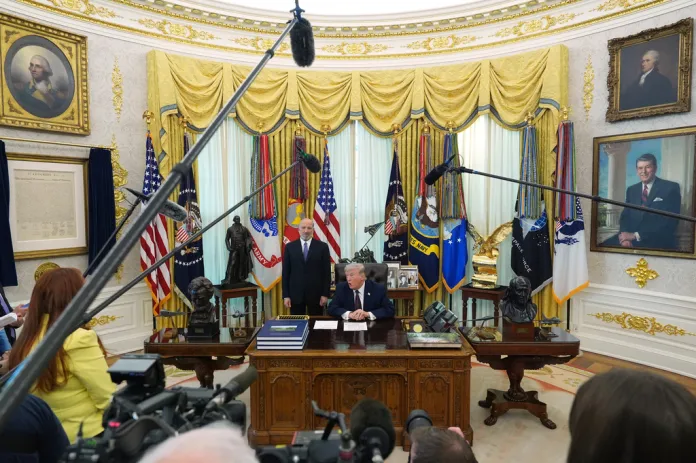
Trump says Iran doesn’t have to make a deal for war to end
President Donald Trump said on Tuesday that Iran does not have to make a deal with him for the war to end, stating that military operations against the country will cease when the United States feels that Iran can no longer build a nuclear weapon. “No, they don’t have to make a deal with me,”…

Federal Judge Saves NPR and PBS, Delivers Massive Blow to Trump
A federal judge on Tuesday blocked the Trump administration from defunding National Public Radio and the Public Broadcasting Service. U.S. District Judge Randolph Moss ruled that President Trump’s executive order last May to end federal funding for the two public broadcasting networks is illegal…
Left-Leaning Media's Perspective
- President Trump's public statements regarding the Iran conflict were a dominant topic, particularly his declaration that the U.S. would be out of Iran within two to three weeks and the announcement of an upcoming address to the nation.
- Extensive coverage highlighted what was perceived as inconsistent messaging from the President on the Iran war's endgame, noting twelve instances of varied pronouncements about its conclusion despite the conflict entering its fifth week with significant troop deployment.
- Reports suggested President Trump was growing "bored" with the Iran war, telling aides he was "done" with it and urging European nations to handle the Strait of Hormuz themselves, drawing criticism regarding the handling of the conflict's resolution.

Trump Says U.S. Will Be Out of Iran Within Two to Three Weeks
The White House said the president would address the nation about Iran on Wednesday evening.
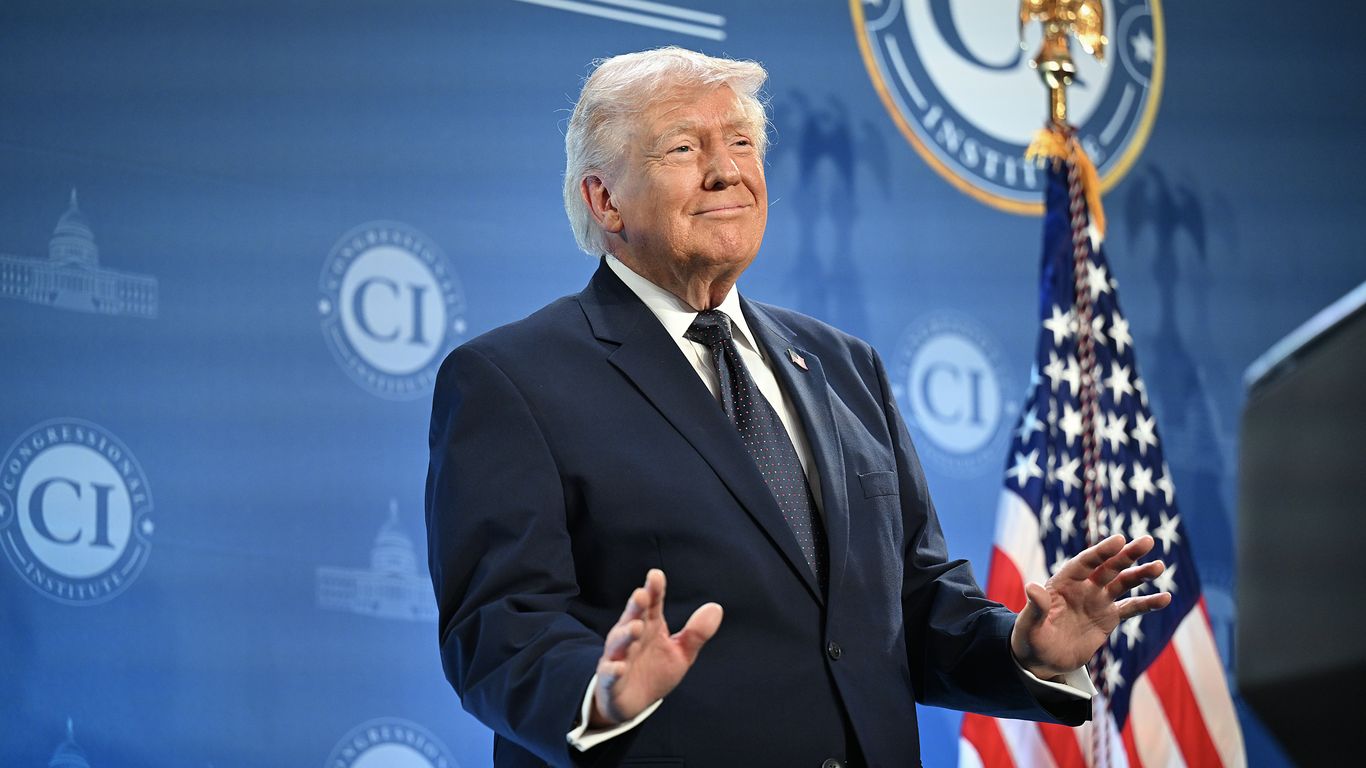
12 times Trump signaled the Iran war was about to end
President Trump hinted Monday that the Iran war may be over soon — the latest in a series of occasions he has teased that the conflict might end.Why it matters: Trump's messaging on the Iran war's endgame is all over the map as he attempts to make his case to the American people that the conflict…

Trump tells aides he’s done with Iran: WSJ
Reports last week revealed that President Donald Trump was growing "bored" with his war in Iran and now he's telling aides he's over it. The notoriously distractible president posted on Truth Social Tuesday morning that if Europe, specifically NATO countries, want to buy oil from Iran, then they…
Right-Leaning Media's Perspective
- News of President Trump's upcoming 'Address to the Nation' concerning Iran was a key focus, signaling a significant update on the ongoing military operations.
- Reports emphasized President Trump's statement that Iran does not necessarily need to agree to a deal for the war to end, clarifying that military operations would cease once the U.S. determines Iran can no longer develop a nuclear weapon.
- Discussion points included the strategic question of whether President Trump might declare victory in Iran to conclude the five-week-long conflict, acknowledging challenges for a swift resolution.
Trump says Iran doesn’t have to make a deal for war to end
President Donald Trump said on Tuesday that Iran does not have to make a deal with him for the war to end, stating that military operations against the country will cease when the United States feels that Iran can no longer build a nuclear weapon. “No, they don’t have to make a deal with me,”…
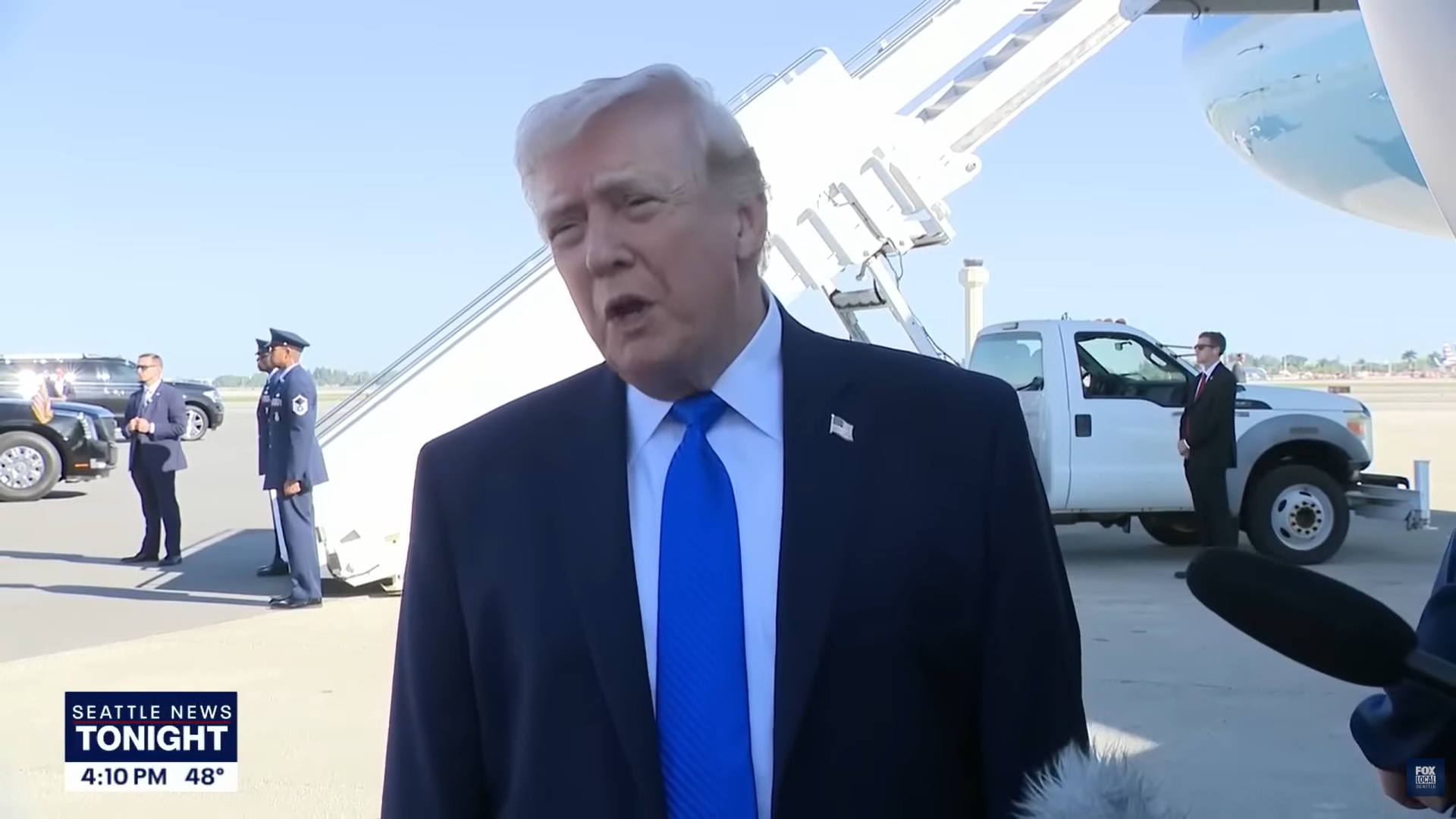
Should Trump Just Declare Victory In Iran And End The War?
As the war with Iran enters its fifth week, President Trump has no good options for winning quickly.
President Trump announces an 'Address to the Nation' on Iran
President Donald Trump will give an 'Address to the Nation' on Iran on Wednesday night.