House votes to rebuke Trump over war with Iran
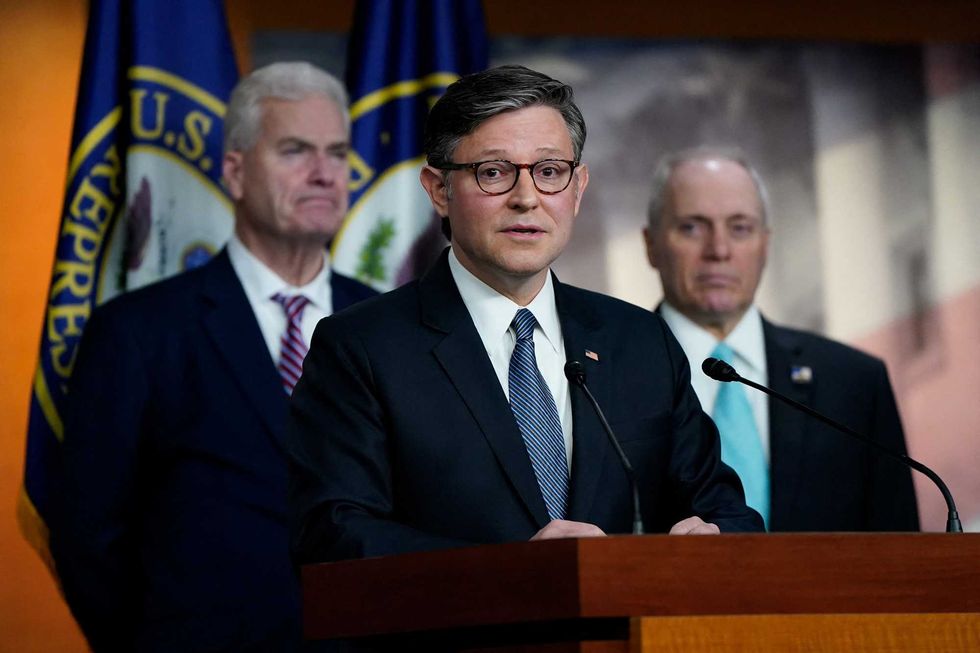
The House offered a rare rebuke to President Donald Trump, passing a Democrat-led measure to end his war with Iran over objections from Republican leadership.

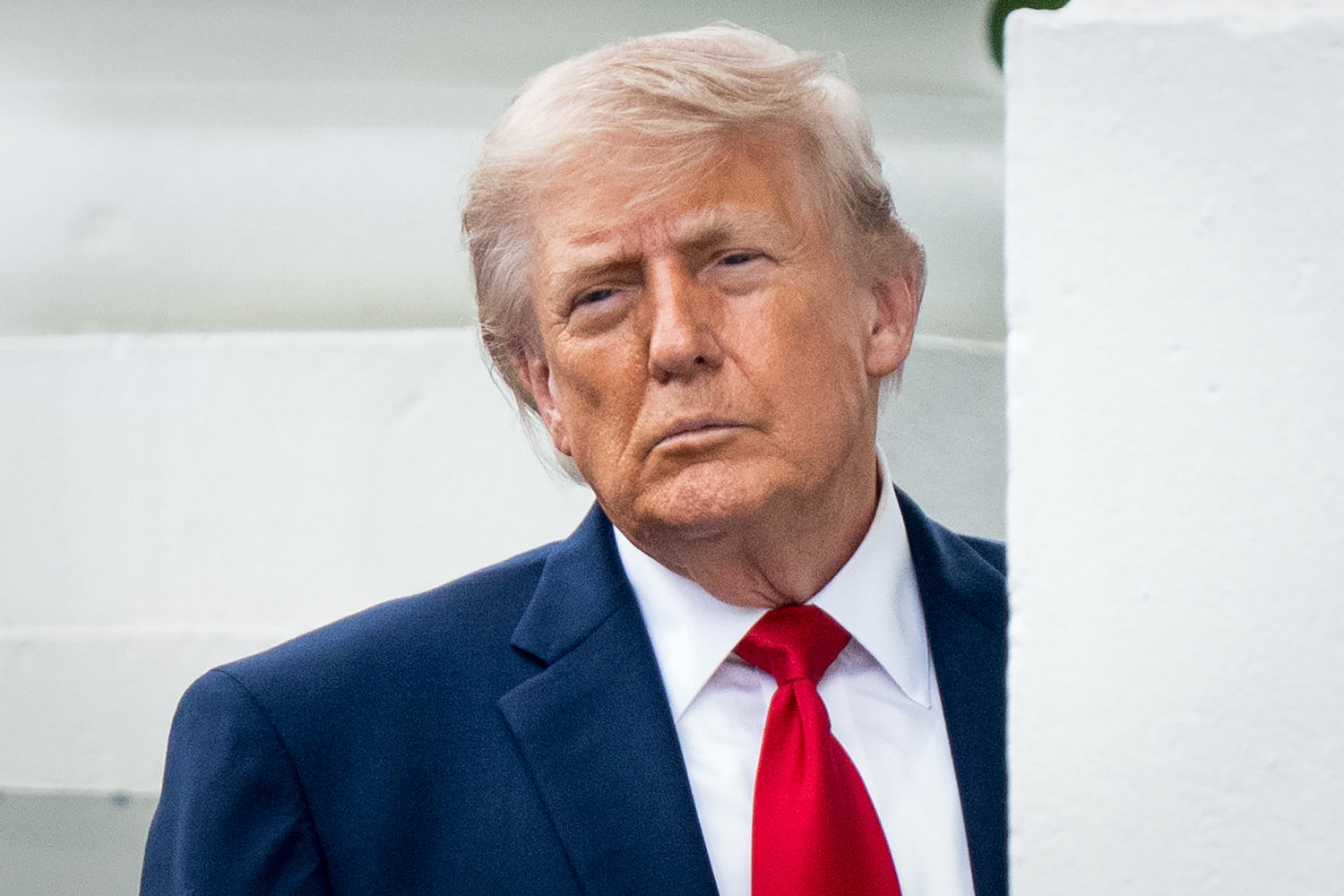
Senate Republicans decided not to allocate federal funds to Donald Trump’s ballroom project in the latest draft of their budget reconciliation bill on Wednesday, in a blow to the president’s architectural takeover of the nation’s capital.Before the $1.8 billion “anti-weaponization fund” overshadowed it, Trump’s ballroom project was the clearest example of how his solipsism was hurting American taxpayers. The White House said the ballroom was needed for security purposes, and initially claimed it would be funded with approximately $200 million from Trump and “other patriot donors.”That number later doubled to $400 million, before ballooning to a $1 billion funding request for White House security—part of which would go toward the ballroom.Despite badgering by Trump that the ballroom was especially needed after a gunman attempted to sprint through a security checkpoint at the White House Correspondents Association dinner at the Washington Hilton in April, using taxpayer money on a ballroom was deemed unnecessary by nonpartisan Senate parliamentarian Elizabeth MacDonough in May. Trump then tried to get MacDonough fired, while his administration submitted court documents claiming the ballroom was somehow “under budget.”Four Republican senators—Bill Cassidy of Louisiana, Susan Collins of Maine, Lisa Murkowski of Alaska, and Thom Tillis of North Carolina—publicly voiced opposition to public money going to the vanity project in May. A larger group inside the GOP were privately against the ballroom, according to five anonymous insiders who spoke with Politico. And most GOP senators were likely worried Democrats would put them on the record about whether they supported public funds going to the ballroom during the filibuster process.Trump’s “anti-weaponization fund” has also recently been discarded after he faced public pressure and legal challenges to it.The Senate began voting to begin discussing their reconciliation bill Wednesday at 2:15 p.m. Eastern Time. The bill’s primary impact would be to fully fund the Department of Homeland security through the end of Trump’s second term.
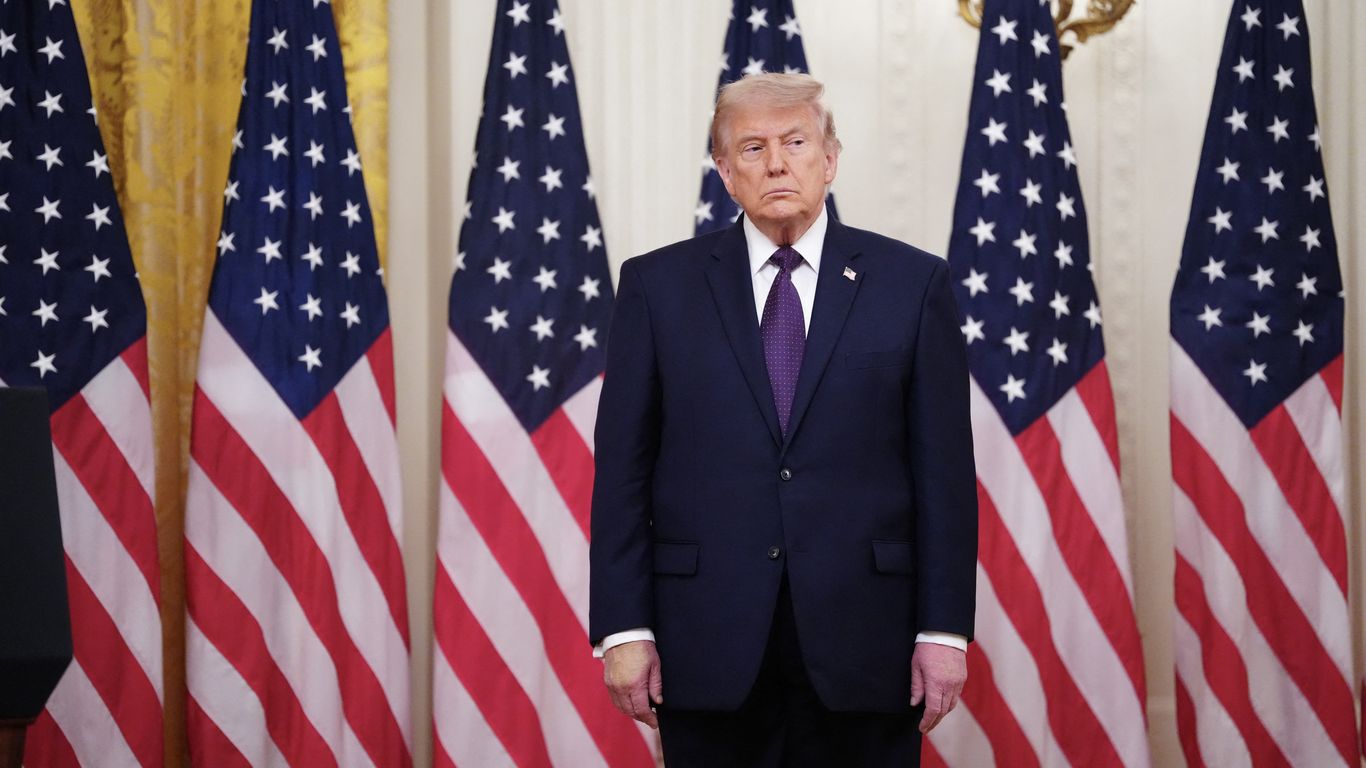
The House offered a rare rebuke to President Donald Trump, passing a Democrat-led measure to end his war with Iran over objections from Republican leadership.
The House on Wednesday passed a resolution to rein in President Trump's military campaign in Iran.Why it matters: It's Congress' first successful rebuke of Trump's Iran war effort after multiple Democratic-led war powers attempts failed. Rep. Jared Golden (D-Maine), the one Democrat who has consistently voted against Iran war powers resolutions, flipped and voted yes.Four Republicans — Reps. Brian Fitzpatrick (R-Pa.), Thomas Massie (R-Ky.) Tom Barrett (R-Mich.) and Warren Davidson (R-Ohio) — voted in support of the measure.The vote is largely symbolic, as the measure would still need to pass the GOP-controlled Senate — and even then, Trump could just veto it.Catch up quick: Previous efforts to constrain Trump's military campaign in Iran repeatedly fell short.House GOP leadership abruptly pulled a scheduled vote late last month on the resolution after it became clear they did not have the votes to defeat it.House Democratic leaders called their Republican counterparts "cowardly" for pulling the vote in a statement.Democrats' other most recent attempt failed last month in a stunning 212-212 tie vote. Golden voted against that earlier resolution, while Massie, Fitzpatrick and Barrett supported it. Several lawmakers were absent.The Senate last month advanced a separate war powers resolution through a procedural vote with support from four Republican senators.But three senators were absent, and the next procedural vote is expected to fail once attendance returns to full strength.The big picture: Republicans have largely backed Trump's military campaign, but unease within the GOP has grown as the conflict has dragged on without congressional authorization and has sent U.S. gas prices rising.Some Republicans have pointed to the War Powers Act's 60-day deadline, which has now expired, as a turning point. That provision requires the withdrawal of U.S. forces after the deadine absent congressional approvalThe White House argues that the requirement doesn't apply because of the ceasefire the administration negotiated with Iran.Editor's note: This story has been updated with additional reporting.
An addendum to the president's "settlement" of his lawsuit against the IRS shields him and his family from liability for any federal offenses they committed prior to May 19.
President Donald Trump and Republican allies demand voting restrictions including proof of citizenship requirements, citing election security concerns. However, the U.S. Election Assistance Commission, or EAC— the sole federal agency dedicated to election security— faces severe budget cuts. Congressional funding for EAC election security grants has plummeted from $425 million in 2020 to just $45 million in 2026. Now, House Republicans propose reducinging both the grant program to $15 million and the EAC's overall budget by 30%. Democrats and election officials warn this exposes a gap between GOP rhetoric on election tampering and actual funding commitments. Election officials across states need approximately $400 million annually for cybersecurity, equipment upgrades, and infrastructure improvements. The House Appropriations Committee bill demonstrates Republicans prioritizing noncitizen voting restrictions —an extremely rare occurrence— over concrete security measures. Election officials emphasize, security requires year-round funding, not episodic resources tied only to presidential cycles.Watch the video below. Your browser does not support the video tag.
The President received marks from Captain Sean P Barbabella in his publicly released remarks on his checkup despite the constant speculation regarding his health.
Trump confirmed calling Netanyahu 'f---ing crazy' during a heated phone call over Israel's military operations in Lebanon, exposing a rare rift.
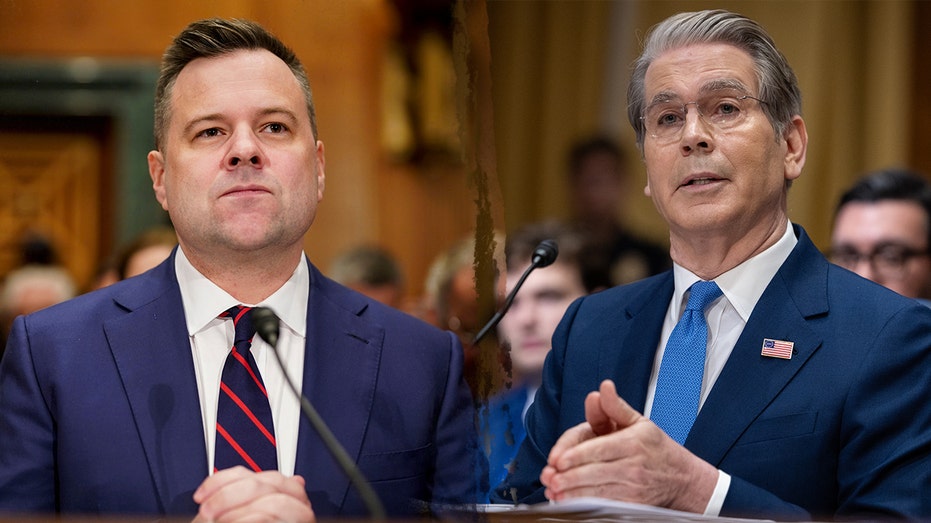
Treasury Secretary Bessent downplayed his reported feud with Bill Pulte, saying he called to congratulate him on his new role leading intelligence.
Iran is using Lebanon as leverage in peace talks with the U.S., exploiting tensions between President Trump and Israeli Prime Minister Benjamin Netanyahu’s government in the process. Trump held two expletive-laden calls with Netanyahu earlier this week, demanding he retreat on a major military offensive in Beirut against Iranian-backed Hezbollah. Trump, speaking with the New…