ICE’s Secret Weapon Is in Your Community
Source: The New Republic · Bias: Left
Summary
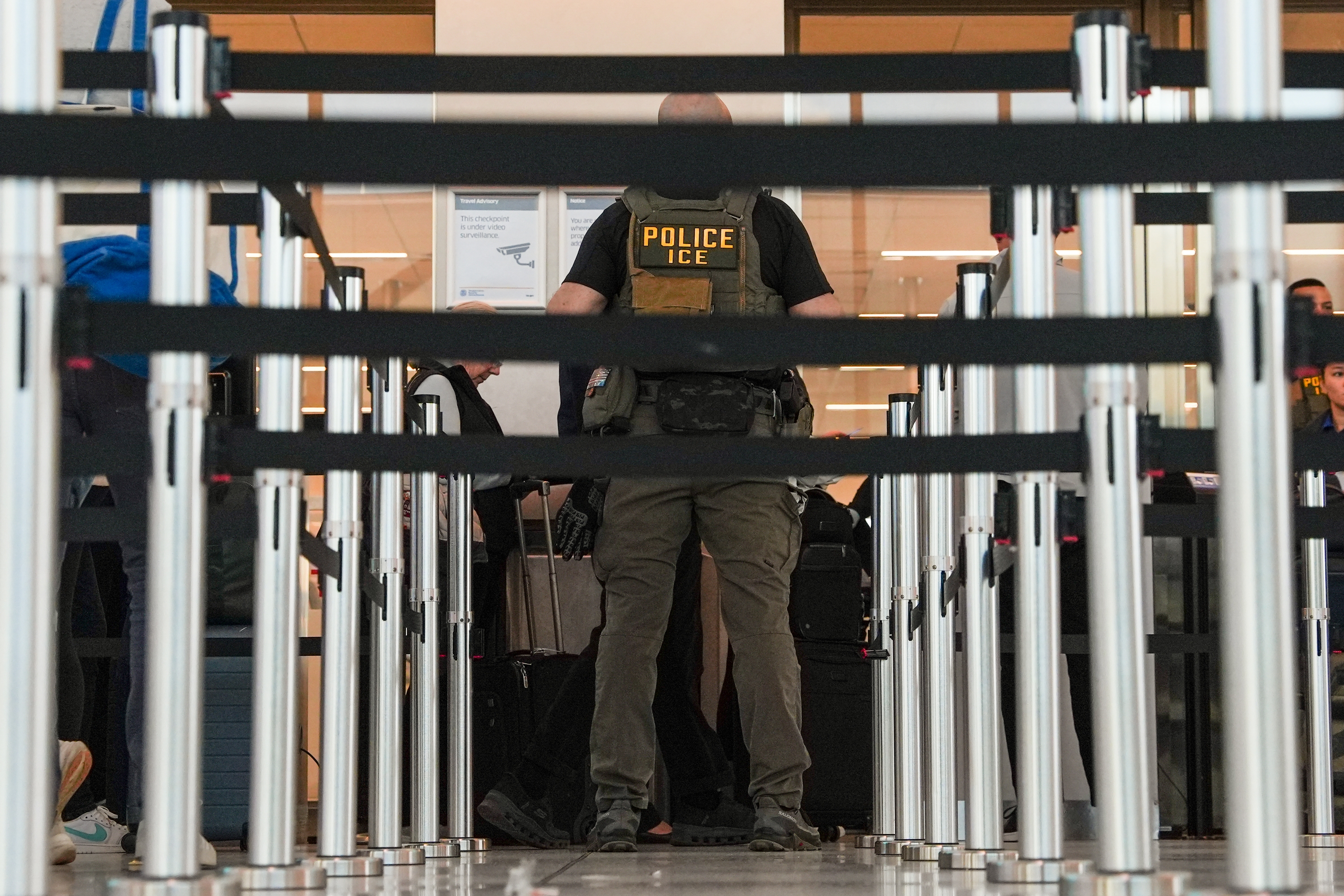
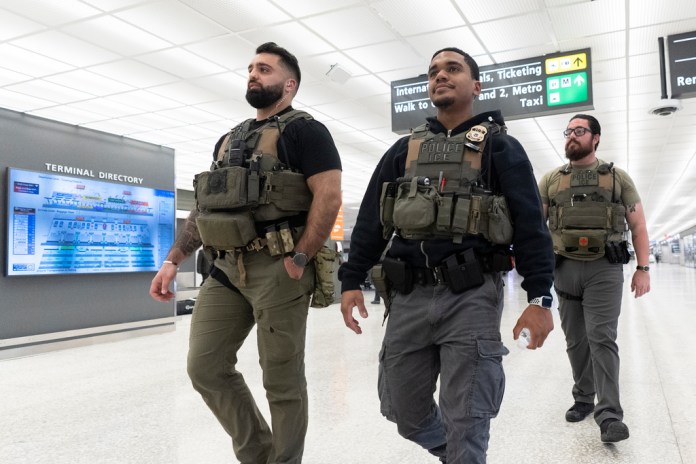
Last summer, we often watched ICE raids unfold live, captured by news helicopters and eyewitness video, as—almost exactly one year ago—agents descended on day laborers, street vendors, garment workers, and farm workers in southern California. Frequently, the raids were preceded by warnings vetted by community-based groups and passed around on Instagram reels, and followed by reports from local outlets, such as L.A. TACO’s accounting of daily arrests. For weeks, for months, we watched as people turned out across cities and surrounding communities. The kinds of resistance now synonymous with cities like Los Angeles, Chicago, and Minneapolis—residents putting themselves between immigration agents and their neighbors, chasing agents from the hotels where they tried to sleep and from the gas stations where they stocked up for their sick road trips—defined the administration’s first year of what it called “mass deportations.” In truth, what we witnessed were just some of the thousands and thousands of violent abductions carried out by federal agents, all in service of a white nationalist agenda eagerly articulated by regime leaders like the White House’s Stephen Miller and lackeys like Border Patrol’s Gregory Bovino.Compared to the open battle the agency engaged in last year, ICE appears now to be attempting to maintain a lower profile. And yet the agency has also arrested and detained more people in recent months than at any time since Trump returned to office. Recent data released by ICE shows that in June, it hit a high—1,300 arrests on average each day. That record was then topped in July, which saw 1,474 average daily arrests over just the first 11 days of the month. “This reverses a trend we saw since the early fall where overall arrest numbers had actually remained fairly consistent or declined,” observed Austin Kocher, assistant research professor at Syracuse University. “The purported shift in ICE tactics—from the manic Kristi Noem months that cost the lives of two U.S. citizens to the less spectacular tactics under Markwayne Mullin—has effectively led to more arrests without as much popular backlash.” There is a difference between a change in ICE tactics and a change in the number of people whom ICE has detained and deported, and understanding the reason for the latter requires us to look beyond ICE for answers. ICE’s purported shift was remarked upon over the winter, when Bovino was benched after immigration agents killed Renee Good and Alex Pretti in Minneapolis. More recently, when immigration agents killed Lorenzo Salgado Araujo in Texas and Johan Sebastián Durán Guerrero in Maine within days of each other, ICE was briefly suspended from traffic stops. But immigration agents themselves have long known—or at least, some of those whose words have made it into the legal record have known—that despite public outcry over ICE operations, not much beyond appearances has really changed. “They just changed the name,” one agent said in a deposition, when questioned about “Operation At Large,” the high-profile nationwide operation last year. “We’re doing the same thing just with a different name.” In addition to proceeding as usual under a slightly altered brand, ICE is now working in even closer collaboration with other federal agencies in order to increase arrests: arresting people who allegedly overstayed visas at airports, with the help of TSA data; and arresting people whose children were previously in migrant shelters, based on tips shared by the Office of Refugee Resettlement. But ICE has been able to arrest and detain more people not only through these kinds of agreements with other federal agencies and offices. Its reach has also been broadened by local, county, and state law enforcement, a network of collaboration that goes back to the agency’s founding, and which has become only more sprawling since ICE was formed. Today, ICE’s partnership with the criminal legal system is fully activated in service of the mass deportations agenda. The sight of singular terrifying raids can sometimes conceal the more fearsome routine violence of anti-immigration law enforcement. This winter, at the height of ICE’s operations in the Twin Cities, about 3000 immigration agents were on the streets. “At the same time, the number of arrests in Minnesota during that operation was less than half the number made through the Miami field office over the same period,” said Silky Shah of Detention Watch Network, in an interview this month with Kelly Hayes of Truthout. The Miami ICE field office continues to make the most arrests in the country, averaging about 120 each day.
Related Coverage
- ‘Hammer of the Gods’ new secret weapon upgrades US Army power to blast enemy missile attacks (Right — New York Post)
- 'Can they deliver?' Frantic Trump turns to tech bros as weapon stockpile dwindles (Far Left — Raw Story)
- Documents Show TSA Shares Passengers’ Personal Information With ICE (Far Left — Truthout)
- Todd Blanche AG nomination in limbo as holdout Republicans vow ‘we won’t cave’ over weaponization fund (Right — New York Post)
- Blanche's nomination for AG on hold over fate of DOJ's "anti-weaponization fund" (Center — Politics - CBSNews.com)
- Inside Gavin Newsom’s secret bid to save billionaires’ California Forever dream city (Right — New York Post)
- ICE arresting visa overstayers at airports coast to coast: Report (Center Right — Washington Examiner)
- Trump Secretly Fumes at Senate Leader Over the SAVE Act (Left — The New Republic)
Daily Analysis
Read the full Parallax Pulse for July 30, 2026 — an AI-powered analysis of how Left and Right media covered the biggest stories this day.
More Headlines From July 30, 2026
- Iran’s surprise attack in Jordan blows up pause in fighting (Center)
- Battacharya speaks on Fauci's diary, COVID-19 (Center)
- Fauci was 'very disappointing' in Senate hearing: Dr. Robert Redfield (Center)
- Acting CDC director says Fauci "abused the place of power" during pandemic (Center)
- Vance meets Saudi defense minister after joint U.S.-Saudi strikes on Iran-backed militias (Far Right)