Salon.com
JD Vance goes all in on immigrant fraud hoax
The vice president and Stephen Miller hope Nick Shirley's dubious "exposés" will distract from Trump's failures
Left
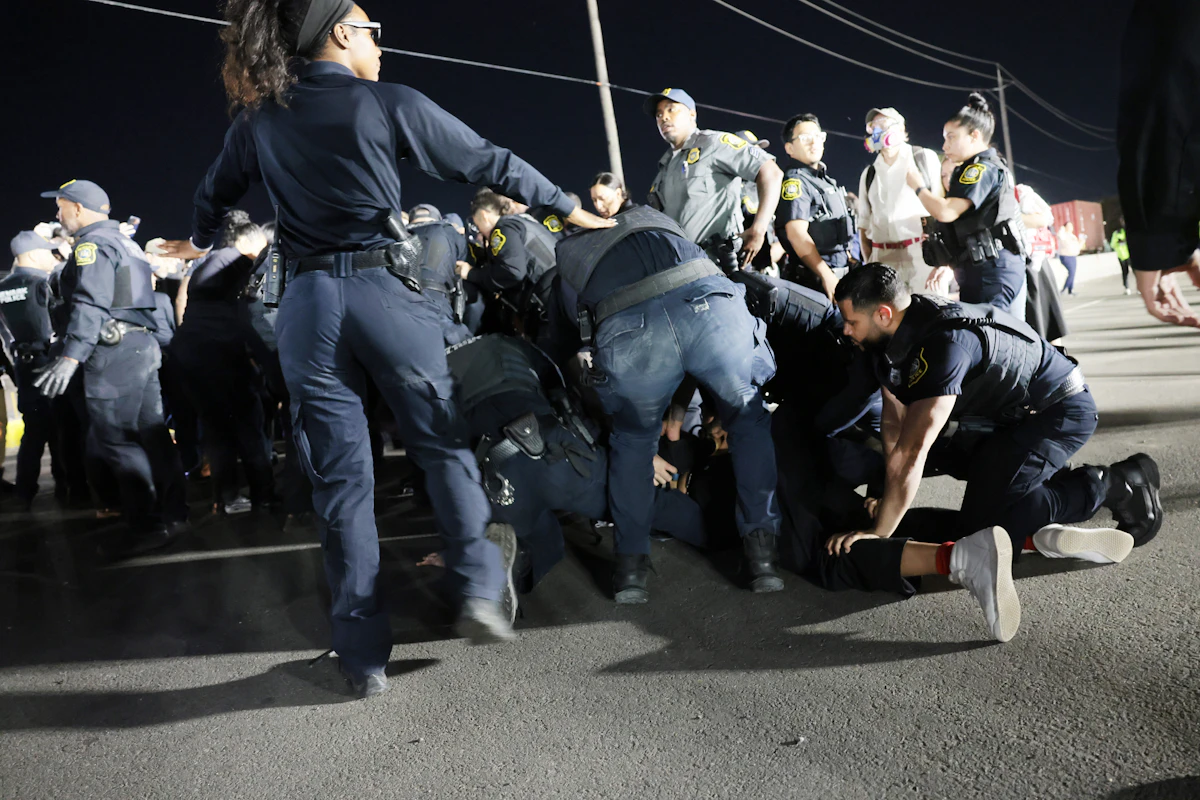
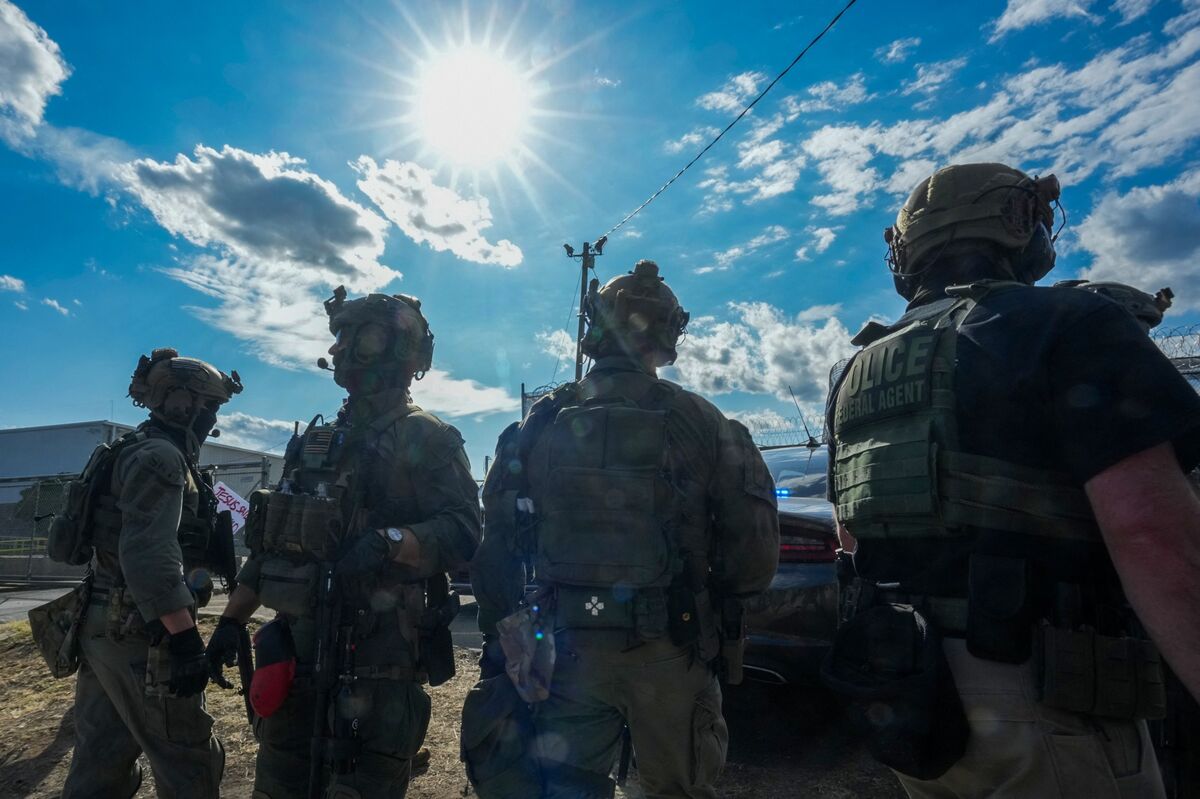
For more than two weeks, around 300 immigrants locked up at Delaney Hall, an immigrant detention camp in Newark, New Jersey, have been on a hunger and labor strike, refusing to eat and refusing to work maintaining the prison for its operators, the GEO Group. They are not alone: Outside the camp’s chain-link fence, in an industrial area, their family members, loved ones, and a broader community of supporters have gathered and remained despite violence from ICE and the New Jersey State Police. As Gabriela Soto, whose husband was detained at Delaney Hall, told reporters a few days into the hunger and labor strike, their demands are to “close Delaney Hall and free every person in there.”Since the strike began, immigrants inside have shared four letters, published by Cosecha, an immigrants’ rights organization. “We feel vulnerable, in a way, kidnapped or detained without justification,” the prisoners wrote in one letter. They have reported being denied medications (one woman said staff told her that pain medication was “cosmetic”), being fed spoiled food, and being forced to endure outbreaks of illness across the facility, which has poor ventilation and does not have adequate medical treatment or emergency responders.Another letter, released on Wednesday, describes the opening days of the strike, when Delaney Hall administrators demanded to speak to its leader. “They were upset when we told them there was no leader and that the strike was a collective effort,” the letter recounts. In response, the letter continues, administrators retaliated against one person who had helped with translation, trying “to take him away in handcuffs, which all of us, seeing the injustice, wanted to prevent by peacefully blocking their path with our hands raised so that they wouldn’t take him away.” Next came “beatings, pepper spray, and from ‘ICE,’ a riot squad came up spraying pepper spray throughout the facility, causing many people to be rushed to the hospital.” That was on May 25. “To this day, we haven’t heard anything about those people.” Despite the violence, the strike has continued, as have similar strikes in GEO Group–run detention facilities in California, Michigan, and Pennsylvania.The conditions inside Delaney Hall, which are appalling, dangerous, and a violation of the rights of those detained, are entirely in keeping with how other such “detention centers” are run across the country; a recent AP investigation found hundreds of immigrant detainees reporting medical neglect in lawsuits across 33 states. The solidarity shared by people trapped in these camps, as evidenced by the multiple simultaneous strikes, makes sense; it has extended outside the camps, as well, with local groups working to shut down ICE facilities offering their support. The resulting crackdown on both striking detainees and their supporters tracks with all the other times Immigration and Customs Enforcement has harmed witnesses and protesters in the course of the agency’s carrying out Trump’s signature campaign of mass deportations. People coming together is treated as a threat by those running the camps because it is precisely the thing the camps are meant to break.“The opposite of a camp is community,” journalist and translator John Washington writes. He uses “immigration camp” to more clearly describe the dangers posed by the “hundreds of ‘detention centers,’ ‘processing centers,’ ‘holding facilities,’ as well as leased local jail and prison cells in every state of America.” He argues in his forthcoming book, How to Close a Camp: Dispatches From the Fight Against Immigrant Detention (out in July), that the camp shapes our politics and our ways of making community. “A camp warps and degrades reality,” he writes, “both for those in fear of ending up in one and for those living alongside them.” But for as long as there have been such camps, there has been resistance to them, including by those caged within. Camps are, after all, not abstract systems but the products of people’s decisions. “A camp is a long series of choices that need frequent reaffirmation,” Washington observes, and each choice is an opportunity to end, or at least slow, the camp’s operations. For one thing, camps need approval from myriad city, county, and state authorities; all stages of approval can be contested. As an example, Washington offers a site in Adelanto, California, where immigrants began a hunger strike earlier this month. The camp’s opening required sign-off from agencies such as the state’s Environmental Health Department, CAL FIRE, and the Native American Heritage Commission, among many, many others. That camp also needed permits for everything from native vegetation removal to signage to pollution discharge.