
Salon.com
Nat and Alex Wolff were Beatles fans before they were born
The Wolff brothers join "Everything Fab Four" to discuss their new album and what they owe to "The White Album"
Left
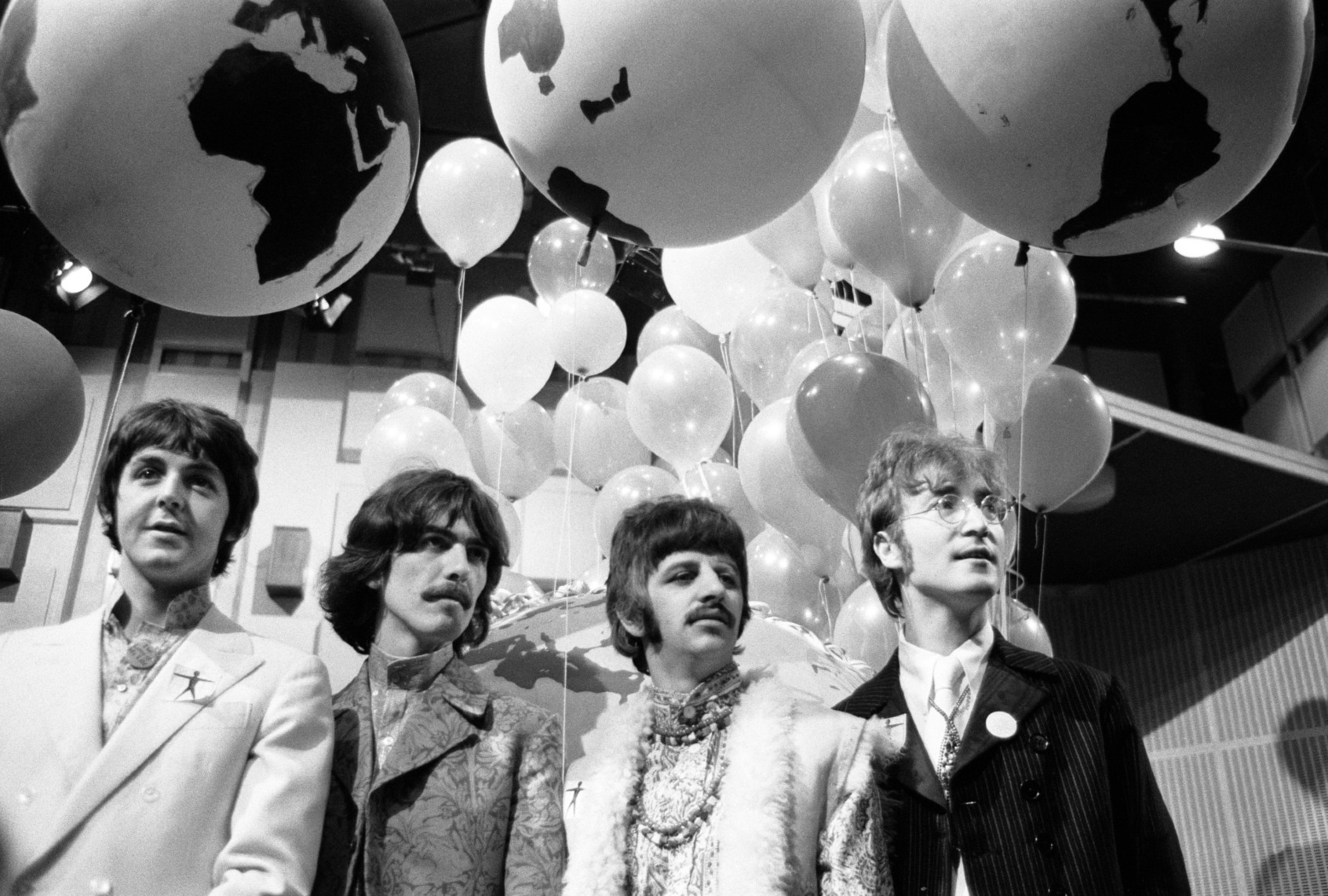
Global Beatles Day founder Faith Cohen sees a dream decades in the making come true
The Wolff brothers join "Everything Fab Four" to discuss their new album and what they owe to "The White Album"
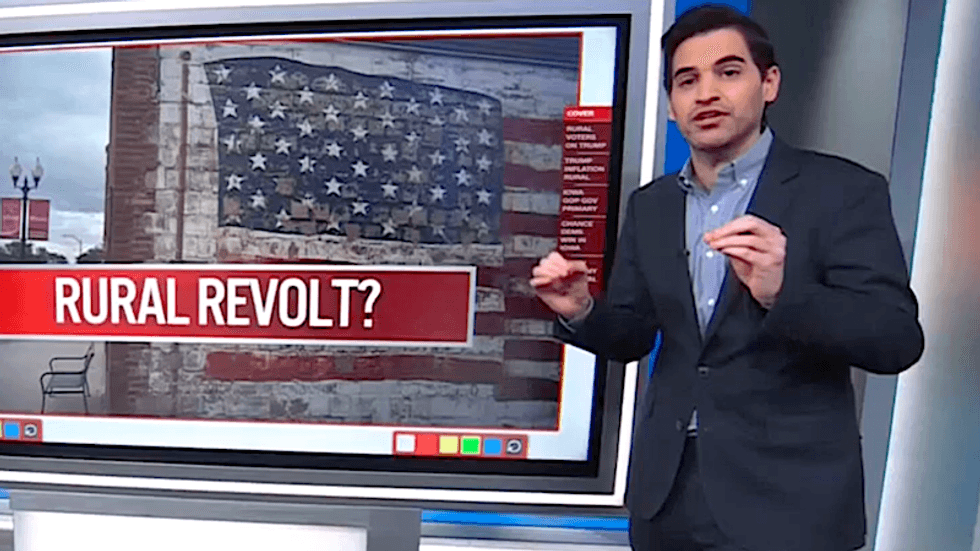
President Donald Trump is facing a "rural revolt" as a result of his policies, according to a new data analysis.The soon-to-be-80-year-old president was re-elected in 2024 on his promise to improve the economy, but voters aren't happy with the job he's done so far, and many of his policies are directly hurting farmers and voters in the rural areas that have backed him in all three elections."Iowa has been traditionally a field of dreams for the president of United States," said CNN's Harry Enten. "But it's quickly turning into potentially a field of nightmares. There seems to be a rural revolt going on in this country against Donald Trump. Take a look here: Rural voters and Trump, look, according to Fox News, he was easily winning them back in October of 2024 versus Kamala Harris, 18 points ahead. The exit poll even had it a bigger margin.""But look at where he is now – whoo!" Enten exclaimed. "Down there underwater, underneath the cornfields. He's now 14 points underwater. That's over a 30-point switcheroo against the president."The explanation for that reversal is fairly simple, according to Enten."Simply put, it's the economy, it's inflation," he said. "Take a look at this: You thought that that switcheroo was big, how about this one? Rural voters on Trump and inflation versus Kamala Harris. He was more trusted by 37 points. Now he is 19 points underwater with rural voters on inflation. That is an over 50-point switcheroo against the president of the United States. Rural voters, like the rest of the country, turning against Trump on the key issue that got him elected to a second term back in 2024."Anger at the president has flowed down ballot to Republican congressional candidates and gubernatorial races, Enten said."You know, Donald Trump went and he has won all of these primaries," he said. "The candidates he endorsed have won all of these primaries, did not happen in Iowa. Well, just talk about Iowa Republicans here. The gubernatorial primary he endorsed Randy Feenstra, congressman from Iowa, and Feenstra actually won the absentee vote in that state by 15 points. Trump endorsed late, but the other candidate, Zach Lahn, look at this, he actually won those who voted on Election Day who knew about Trump's endorsement. In fact, they were considerably more favorable to Lahn than they were in a Feenstra, even after knowing that Trump had, in fact, backed Feenstra.""It seemed to me that Iowa Republicans said, 'You know what, we hear you, Donald Trump, but you know what? We're dismissing that message,' again, part of a larger picture in my mind of rural voters not tuning in to what Donald Trump is telling him at this point," Enten added.That shift against Trump is boosting Democratic chances in the midterm elections, Enten said."The last Democrat to win a Senate race in Iowa was all the way back in 2008," Enten said. "It was Tom Harkin. But what do we see here in terms of the Democrats' chances in Iowa and the governor's race and the Senate race? They have gone up like a rocket. We're now talking about Rob Sands running for governor with a greater than 50 percent chance, and it turns out that Josh Turek, who the Democratic establishment wanted, his chances have also been considerably rising at this point.""If all of a sudden you're able to put Iowa on the board, if you're a Democrat hoping to win back control of the United States Senate, that would be a massive piece of the puzzle, and the last time Iowa elected a Democratic governor was all the way back in 2006, and that looks like a more likely possibility than not," Enten added. - YouTube youtu.be

This week, the New York Times reported allegations of Platner's "unsettling" behavior toward women he dated, including one claim that he was physically abusive, which Platner denies.
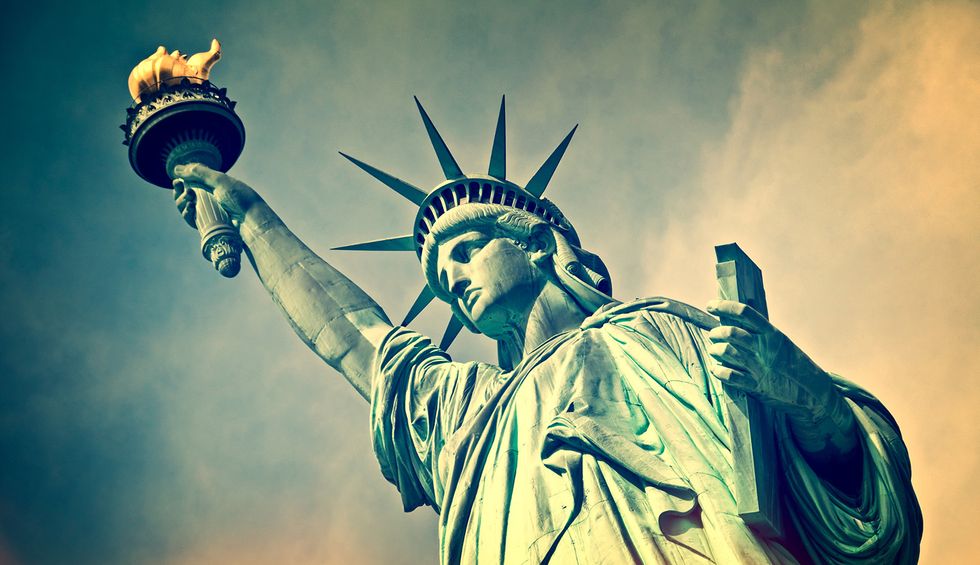
The Justice Department was in court on Friday fighting for President Donald Trump's bulldozing of the White House East Wing for his ballroom.The oral arguments Friday deal with who has the right to sue over the destruction of the White House. Matthew Russell Lee, who runs "Inner City Press," was live-posting the back and forth. Among the first things he quoted the DOJ as saying was, "There is an aspect of self-inflicted harm here."But all arguments about the size, appeal or funding of the ballroom don't matter because the DOJ claims the case doesn't have standing to begin with. "In an appeals court fight over the White House ballroom, DOJ says the federal government could quickly bulldoze the Statue of Liberty, and no one would have standing to sue over the changes once the demolition is done," wrote Politico legal reporter Kyle Cheney on X. The exchange came from Judge Patricia Millett, who questioned, "If the government decides very quickly to bulldoze the Statue of Liberty, the people whose ancestors — that was the first thing they saw coming to this country, but the government moved too fast — nothing can be done?"The DOJ agreed. During the government shutdown, Americans watched in horror as large machinery tore into the historic building. The National Trust for Historic Preservation sued the Trump administration in an effort to block construction of a 90,000-square-foot structure. They argue that the project moved ahead without the required public review and approvals. In their court filing, the group said that no president has the right to tear down part of the White House or build a ballroom on public land without giving the public a chance to weigh in, and that the administration should have gone through the National Capital Planning Commission and the Commission of Fine Arts long before demolition began.A federal judge already put a hold on the building until Congress could weigh in. Trump claimed that because the funds were being raised through private donors, Congress had no role in the matter. Not long after ,Trump asked Congress for $1 billion for the project. The court battle has become a larger fight over whether Trump, or any president, can treat the White House grounds as a personal private canvas for their own projects. Former first ladies like Michelle Obama and Jill Biden have denounced it, saying that the building is the "people's house" and that their family upheld that belief in their treatment of it.

Collecting Panini stickers is a World Cup tradition beloved in Europe and Latin America. In the U.S., interest has been building steadily, and this summer, the buzz is bigger than ever.

Vermont passed single-payer legislation in 2011 and abandoned the plan after three years of failure. Why?

Lyndsey Fifield has made two big mistakes in her life that she may be having second thoughts about today. Her first mistake was getting into a relationship […]

A Democratic candidate for attorney general in Iowa reposted comparisons of antifa to the American troops who fought in D-Day, screenshots from his personal X account show. […]