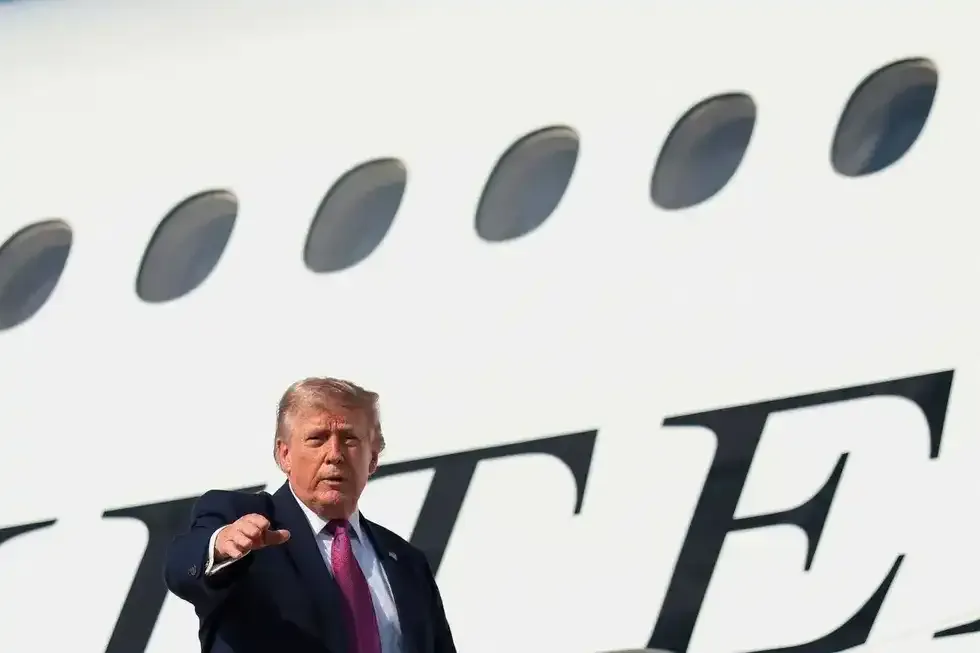
Count ’Em on One Hand: Trump’s Global Friends Are Disappearing Fast
Source: The New Republic · Bias: Left
Summary
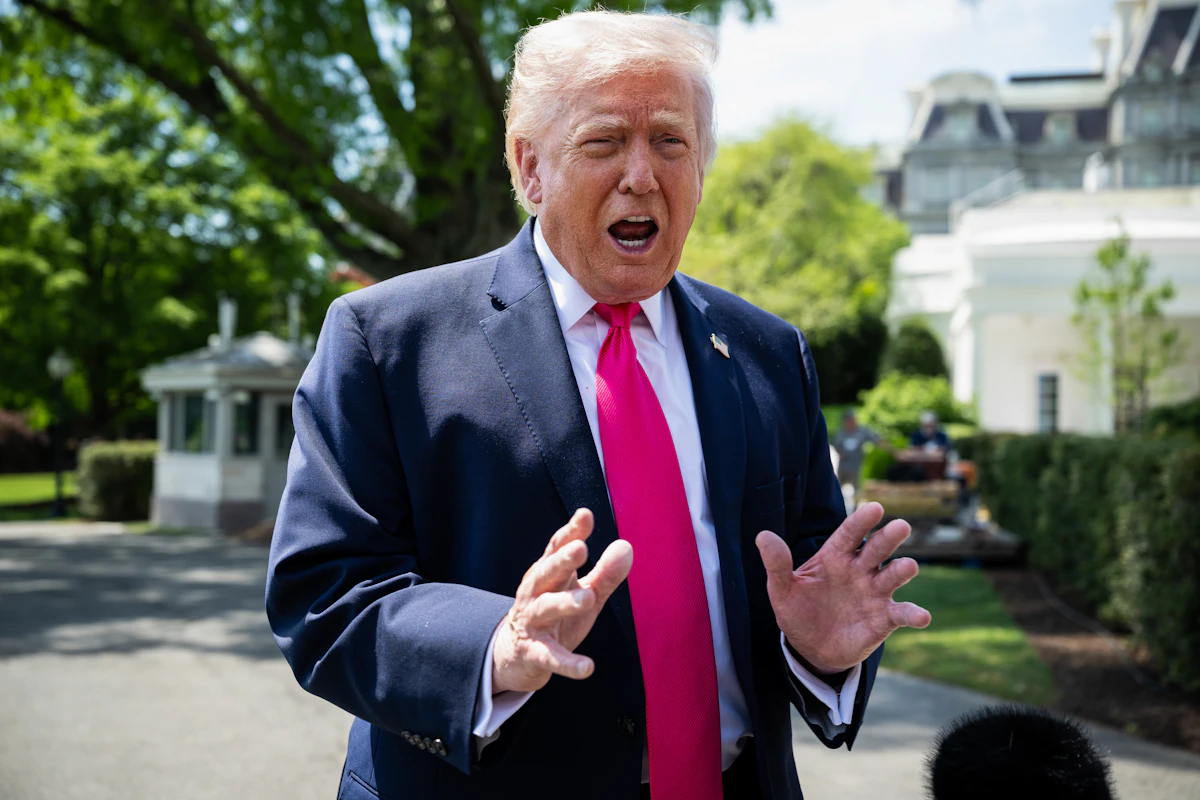
Pope Leo XIV may be the most prominent and respected figure abroad who is increasingly critical of President Trump. But he’s far from alone. Brazilian President Luiz Inácio Lula da Silva this week mocked Trump for his unpopularity with voters abroad, telling reporters it would help Lula electorally if Trump interjected himself into Brazilian politics as the American president has in Hungary and other nations. There’s more. Italian Prime Minister Giorgia Meloni blasted Trump for his repeated criticism of the pope. British Prime Minister Keir Starmer said he was “fed up” with Trump. Even Reform UK leader Nigel Farage, once an admirer of Trump and a Mar-a-Lago habitué, distanced himself from the American president, telling the Financial Times, “I happen to know him, but that’s by the by.” From the left (Lula), center (Starmer, Leo), and right (Farage, Meloni), Trump is taking it on the chin. World leaders, particularly Europeans, disliking Trump is nothing new. Some have been complaining about him for a decade. But the disdain for the U.S. president is now more open and blunt than earlier in his second term, the dismissal of his ideas more direct and unequivocal. This shift matters for two reasons. American presidents are much less constrained by courts and Congress on foreign affairs compared to domestic policy. But other countries can blunt a president’s international goals—and that’s happening now to Trump. Secondly, Trump’s domestic opponents are helped if they’re joined by a chorus of international critics. The mainstream media may downplay congressional Democrats’ latest rebuke of the president. It’s harder to ignore those same comments from the pontiff or the right-wing leader of another country like Meloni. The war in Iran is the immediate cause of this rising anti-Trump sentiment abroad. While we don’t have many surveys measuring support for the war in various countries, all indications are that it’s very unpopular almost everywhere. So their presidents and prime ministers aren’t eager to align with Trump on this issue. The surge in energy prices because of the war has created a huge economic and political problem for these leaders. And Trump blasting Leo over the pontiff’s criticism of the war inevitably resulted in backlash from Lula and Meloni, whose countries have huge Catholic populations. Put this all together, and Trump is insisting that other world leaders enthusiastically support a war that they in fact have little incentive to support at all. Of course they are frustrated with him. But it’s not just the war in Iran. Center and center-left European leaders like France’s Emmanuel Macron have long felt that the U.S. president is trying to bully them on trade and other issues. Lula and other Central and South American leaders on the left are both furious and threatened by Trump’s overthrow of the Maduro regime in Venezuela earlier this year. And for right and far-right leaders who might be more ideologically in tune with Trump, his unpopularity with voters in their countries makes breaking with the American president a political necessity. For Meloni, who once touted her close relationship with the president, Trump bashing the pope provided a perfect opportunity for her to criticize the American. In Germany, officials of the far-right Alternative for Deutschland, or AfD, have sharply criticized the war in Iran, and perhaps more tellingly have reportedly discouraged party members from publicly touting their visits to the United States to meet with Trump-aligned Republican politicians. In Britain, Trump is now being dissed not only by Farage, who a few months ago was using the slogan “Make Britain Great Again,” but by former Prime Minister Boris Johnson, once one of Trump’s strongest allies abroad. This open disavowal of the American president could reshape politics both at home and abroad. Trump rejects most international cooperation, particularly with European democracies. But as the war with Iran is showing, America can’t unliterally conduct foreign policy. Starmer’s wariness about the United States using British bases abroad has complicated the war effort. It’s harder for the U.S. and Israel to make forceful demands in negotiations with Iran when it’s clear that so many other countries aren’t on board with America’s strategy. And the spread of far-right politics across the globe could be stemmed if Trump is considered not a political genius but a pariah, reviled by voters everywhere and seen as an enemy of one of the world’s most respected leaders in Leo. The disavowals of Trump abroad are also important here at home because of the unique dynamics of American politics in 2026. Right now, Democratic Party officials are wary of being cast as reflexively anti-Trump. Nonpartisan figures in the United States, such as journalists and academics, don’t want to be seen as biased against the twice-elected president.
Related Coverage
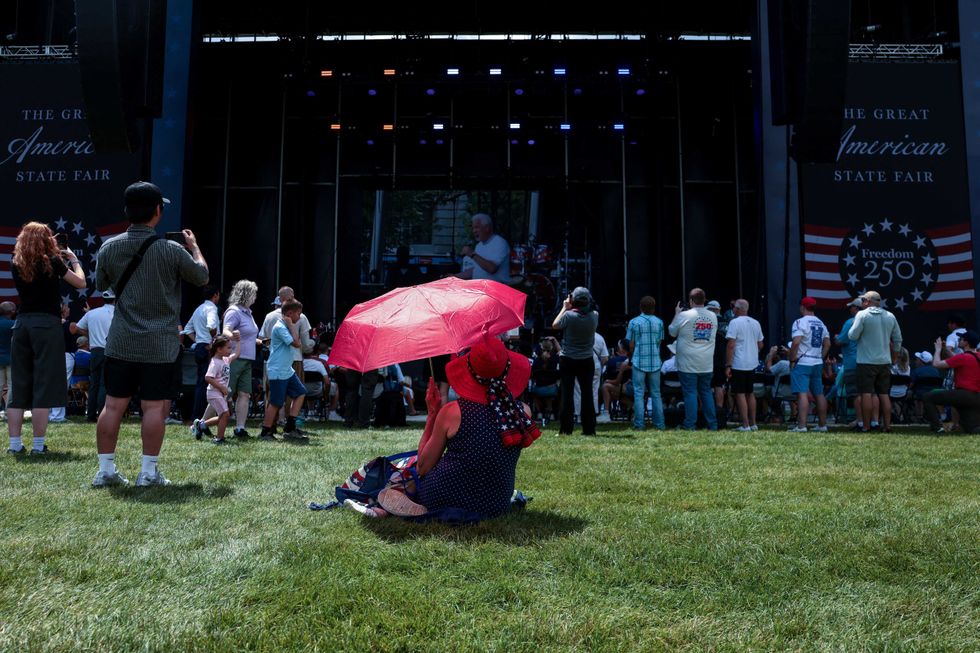
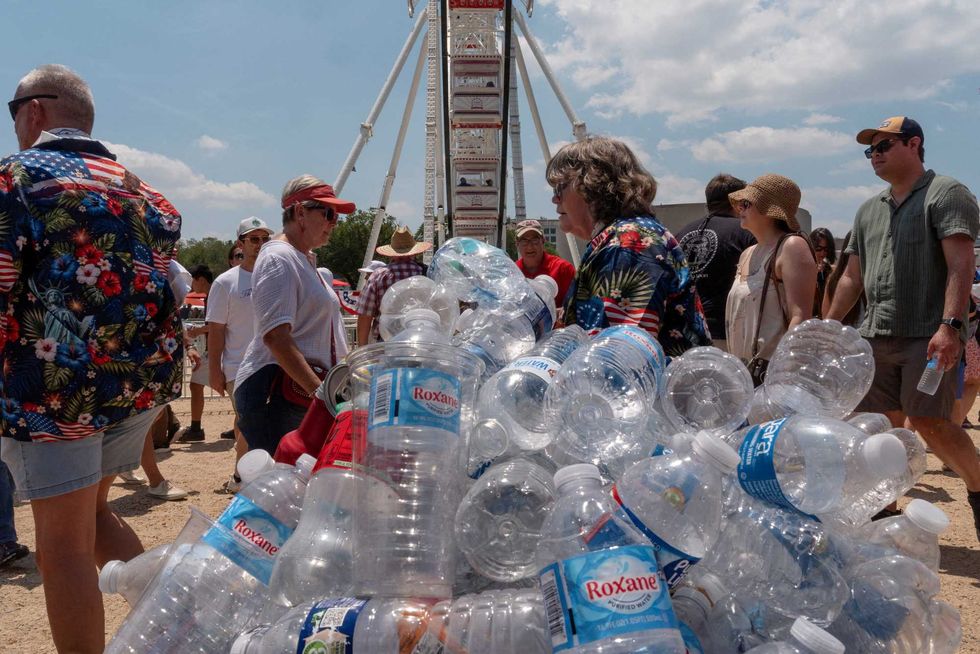
- Feds tout 'well-prepared' Trump fair after blistering heat wave hospitalized attendees (Far Left — Raw Story)
- Taylor Swift and Travis Kelce skip traditional bridal party to honor 2 special loved ones at wedding (Right — New York Post)
- Trump announces new pardons after privately weighing "Diddy" clemency, sources said (Center — Politics - CBSNews.com)
- Trump Heads to Mount Rushmore, Where He Wants to See His Face (Center — WSJ.com : U.S. News)
- 'Total disaster' at Trump's fair as scorching heat leaves 7 on 'advanced life support' (Far Left — Raw Story)
- Trump, ballot seizures and a ‘declaration’: Gavin Newsom teases tiresome July 4 address to the state (Right — New York Post)
- 'Not mentally well': MAGA suspects Trump sabotaged by liberals armed with weather machines (Far Left — Raw Story)
- 'God is angry': Internet bemused as Mother Nature comes for Trump's Mount Rushmore speech (Far Left — Raw Story)
Daily Analysis
Read the full Parallax Pulse for April 16, 2026 — an AI-powered analysis of how Left and Right media covered the biggest stories this day.
More Headlines From April 16, 2026
- Live updates: Hegseth says US blockade will remain until Iran's threats end (Center)
- Mediators push to extend U.S.-Iran ceasefire (Center)
- White House OMB Director Russell Vought: DHS ‘disintegrating’ (Center)
- As Iran war drives up fuel prices, states are hesitant to suspend gas tax (Center)
- Watch live: RFK Jr. faces questioning by House over HHS policies, budget (Center)