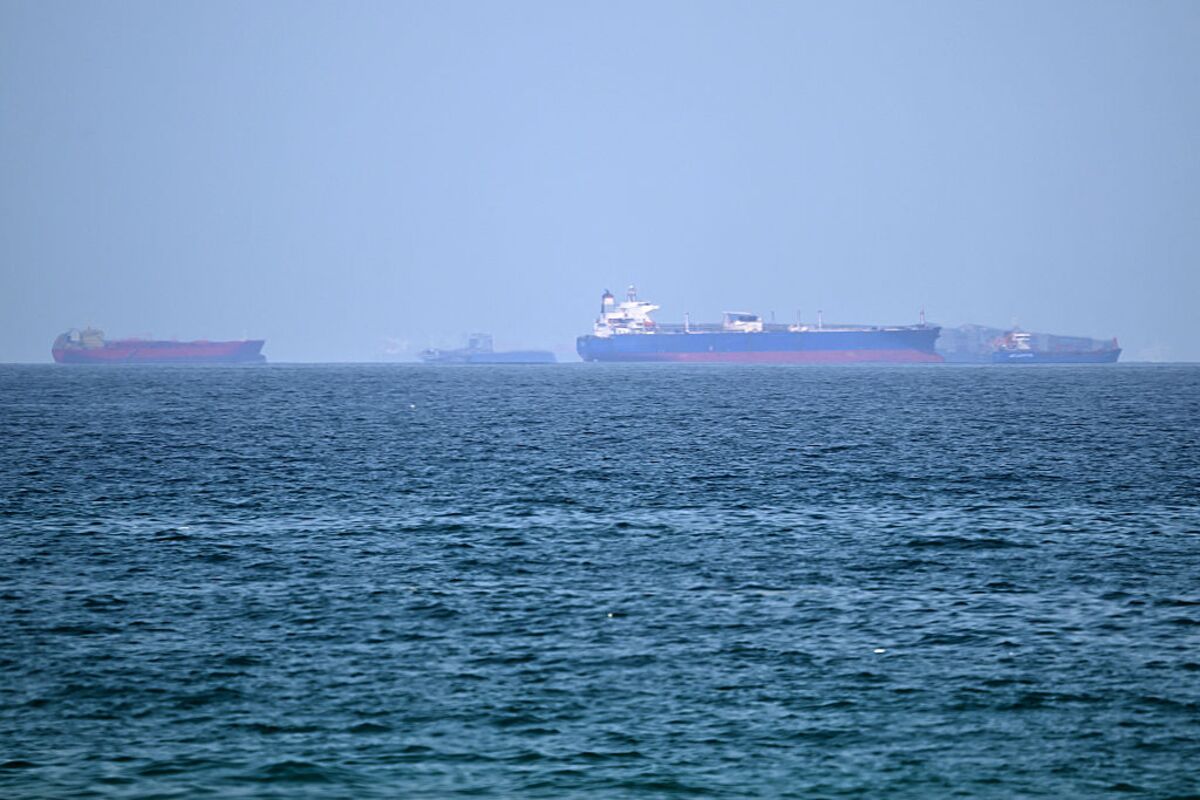
The Looming Food Crisis: Why the Strait of Hormuz Is Disrupting Global Agriculture
Source: Democracy Now! · Bias: Far Left
Summary
The U.S.-Israeli war on Iran and the closure of the Strait of Hormuz have raised fuel costs and caused shortages of key fertilizers around the world, wreaking havoc on the agricultural industry. Adam Hanieh, director of the SOAS Middle East Institute at the University of London, says the effects could be felt for a long time, particularly in the Global South. “About a third of the world’s basic fertilizers now pass through the Strait of Hormuz,” says Hanieh, who adds that the “coming food crisis” is compounded by the climate and debt crises in much of the developing world. “It’s a perfect storm.”
Related Coverage
- The Race to Rescue 8,000 Sailors Still Stranded Behind Hormuz (Center — Bloomberg Politics)
- Iran's control of the Strait of Hormuz remains a powerful bargaining chip (Center — NPR Topics: News)
- America Has a Gratitude Crisis (Center Right — National Review)
- For allies and adversaries alike, America at 250 is a solid global citizen gone rogue (Center Left — US news | The Guardian)
- Iran and Oman propose fee plan for Strait of Hormuz, sources say (Center Left — NBC News Politics)
- European Nations Now Believe Some Hormuz Fees Are Inevitable (Center — Bloomberg Politics)
- Iran warns of ‘forceful response’ if tankers don’t use approved Strait of Hormuz routes (Center — The Hill News)
- How much will Americans spend on Fourth of July food this year? (Center — NewsNation)
Daily Analysis
Read the full Parallax Pulse for April 23, 2026 — an AI-powered analysis of how Left and Right media covered the biggest stories this day.
More Headlines From April 23, 2026
- Debate Night Live: Race for California governor (Center)
- Republicans 'ceded competence': Ex-conservative nails GOP for digging their own grave (Left)
- Anthropic: No "kill switch" for AI in classified settings (Center Left)
- Senate GOP launches all-night vote-a-rama to fund ICE, Border Patrol through end of Trump's term (Right)
- Two GOP senators break ranks on final Senate budget vote (Center)