

Published 4/23/2026, 10:00:59 AM UTC
Thursday's Summary
This briefing analyzes the prevailing news climate and major media narratives from the 24-hour period ending April 22, 2026. The dominant global story remains the precarious state of U.S.-Iran relations, following President Trump’s decision to extend a two-week ceasefire despite the lack of a formal face-to-face meeting. Domestic political shifts in Virginia and a sudden leadership change at the Pentagon also shaped the day's reporting.
How the coverage differs
The most striking divergence lies in the interpretation of the ceasefire's purpose. Left-leaning outlets interpret the extension as a sign of administrative frustration and a lack of a clear "Plan B" given the absence of a responsive Iranian Supreme Leader. In contrast, right-leaning outlets portray the move as a position of absolute strength, focusing on the "Economic Fury" sanctions and the President’s willingness to wait while the blockade does the heavy lifting.
While both sides reported on the abrupt departure of Secretary of the Navy John Phelan, the framing varied. High-consensus reporting acknowledged the "immediate" nature of the exit and his replacement by Hung Cao, but left-leaning sources often linked this to broader administration "impatience" and "rough-house" tactics. Meanwhile, the Virginia redistricting news was a major focal point for the Left as a sign of domestic vulnerability for the administration, whereas it was largely absent from the top trending stories in right-leaning media, which remained almost exclusively focused on the brinkmanship in the Middle East.
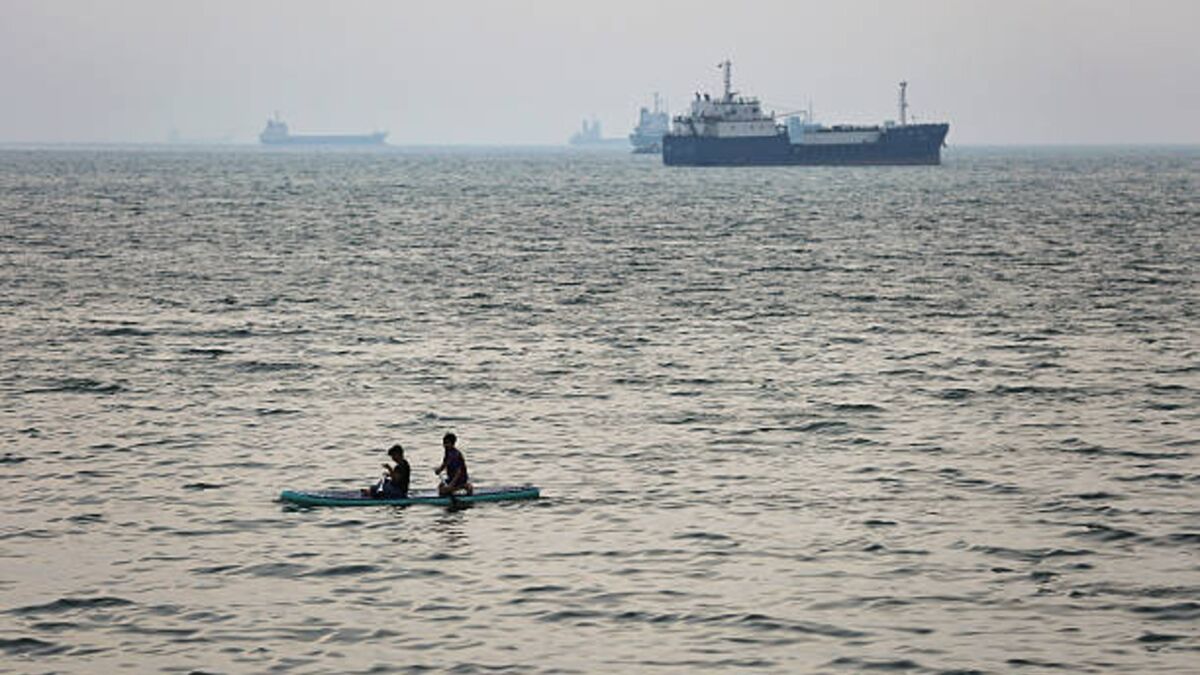
US, Iran in Battle to Control Strait of Hormuz
The US and Iran are locked in a battle for control of the Strait of Hormuz after failing to meet for a fresh round of peace talks even as President Donald Trump says he'll keep a ceasefire in place. Michael Ratney, the former US ambassador to Saudi Arabia, shares his perspective on "Bloomberg The…
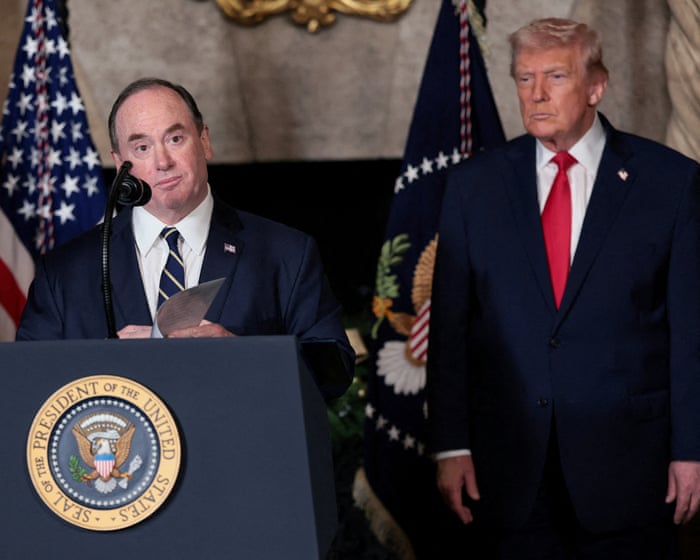
Trump news at a glance: Pentagon replaces secretary of the navy amid US blockade in strait of Hormuz
John Phelan is ‘departing the administration, effective immediately’ says Pentagon as undersecretary Hung Cao takes over – key US politics stories from 22 April 2026 at a glanceThe Pentagon announced on Wednesday that the navy’s top civilian official, John Phelan, the secretary of the navy, is…
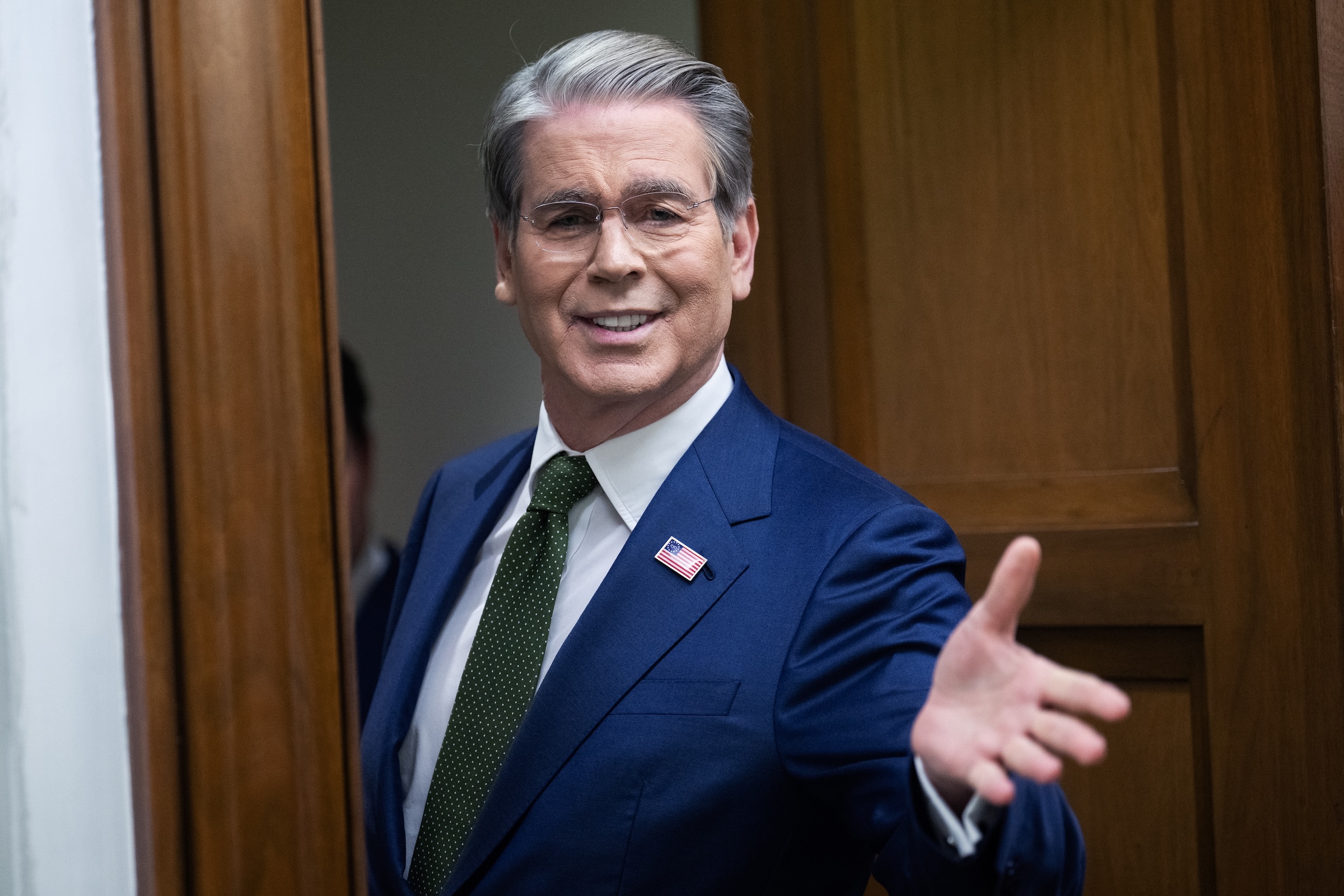
US Expands “Economic Fury” Sanctions on Iran as Trump Declares Ceasefire
Relief from devastating sanctions is a key provision for Iran in the ceasefire negotiations.
Left-Leaning Media's Perspective
- Iranian Internal Instability: Reports emphasize a deepening "fracture" within the Iranian government. Outlets highlighted a power struggle between civilian negotiators and the Islamic Revolutionary Guard Corps (IRGC), noting that the IRGC has reportedly ignored orders to reopen the Strait of Hormuz. This internal chaos is framed as the primary reason Vice President Vance’s scheduled peace talks in Pakistan were abruptly canceled while his plane sat on the tarmac.
- The "U-Turn" Narrative: Coverage characterized the ceasefire extension as a significant shift in tone from the President’s previous "raring to go" military rhetoric. Analysts suggested the administration is realizing that military force may not yield results if there is no unified leadership in Tehran capable of signing a deal.
- Democratic Gains in Virginia: Aside from foreign policy, substantial attention was given to a Virginia referendum on congressional maps. Left-leaning outlets framed the new maps as a significant blow to the President’s party, potentially handing Democrats several House seats in the upcoming midterms.

Trump extends Iran ceasefire – can a deal be made? | The Latest
Donald Trump has indefinitely extended the US ceasefire with Iran after talks looked increasingly uncertain between both sides. Trump said he would ‘extend the ceasefire until such time as [Iran’s] proposal is submitted, and discussions are concluded, one way or the other’. The US blockade…
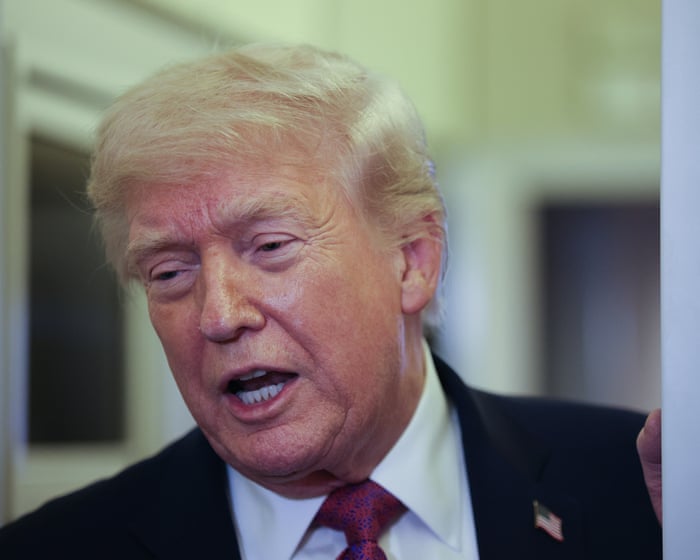
First Thing: Trump announces extension of Iran ceasefire until ‘discussion concluded’
U-turn comes after Trump said the US military was ‘raring to go’. Plus, Virginia voters pass new congressional maps in blow to presidentDon’t already get First Thing in your inbox? Sign up hereGood morning.Donald Trump unilaterally announced an extension of the two-week ceasefire with Iran on…
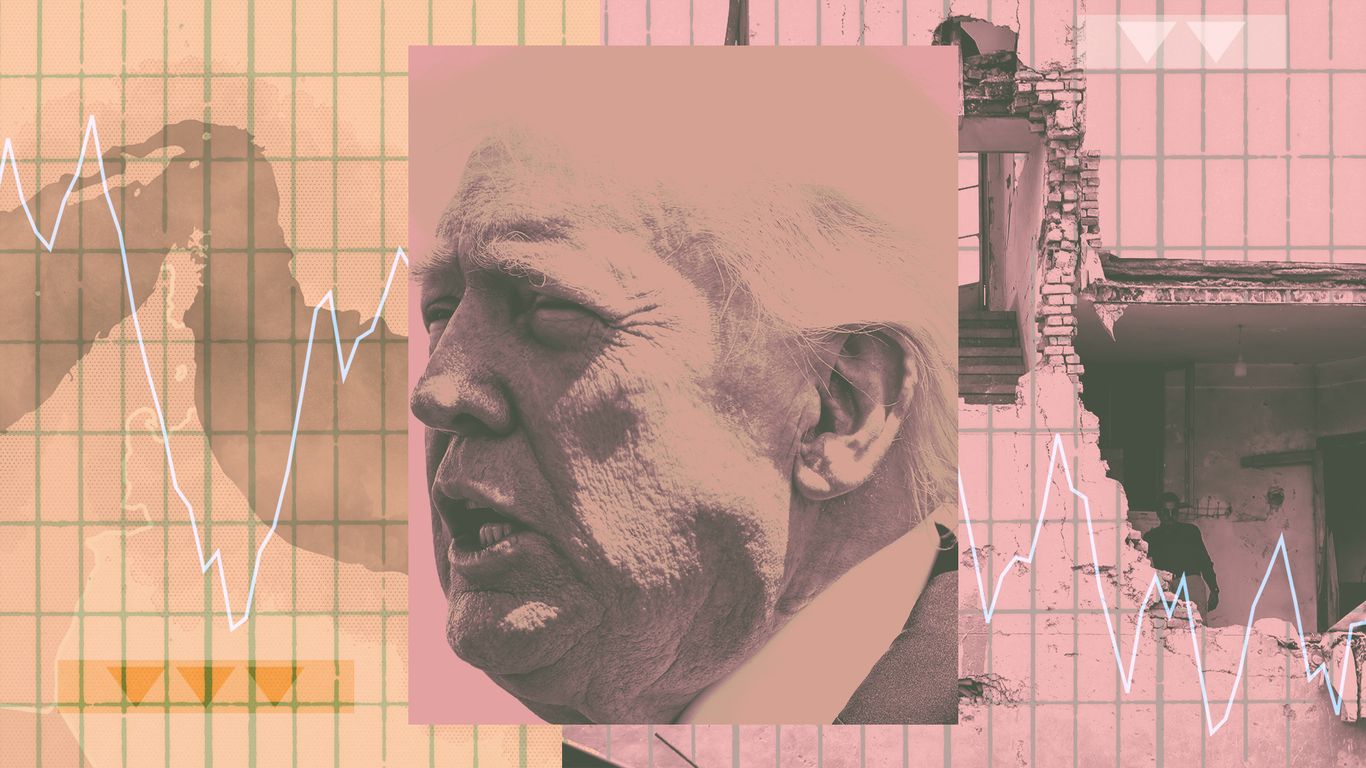
Trump gives Iran days to end power struggle, return to peace talks
President Trump is giving Iran's warring factions a short window to unify behind a coherent counter-offer — or the ceasefire he extended Tuesday ends, three U.S. officials tell Axios. "Trump is willing to give another three to five days of ceasefire to allow the Iranians to get their shit…
Right-Leaning Media's Perspective
- Maximum Economic Pressure: Outlets focused heavily on the financial toll of the U.S. naval blockade. Narrative threads centered on the President’s claim that Iran is "starving for cash" and losing $500 million a day. The extension of the ceasefire is framed not as a concession, but as a tactical move to allow the blockade to further "collapse" the Iranian economy.
- Aggressive Rhetoric and Deterrence: Significant coverage was given to the President’s Tuesday night warnings, specifically his assertion that no deal will be reached unless Iran yields, coupled with threats of military escalation against Iranian leadership if the Strait of Hormuz remains contested.
- Strategic Patience: The ceasefire is presented as a "checkmate" move that puts the onus entirely on Tehran. The narrative suggests that by offering a three-to-five-day window, the U.S. is demonstrating diplomatic "exhaustion of options" before a potential return to kinetic military action.
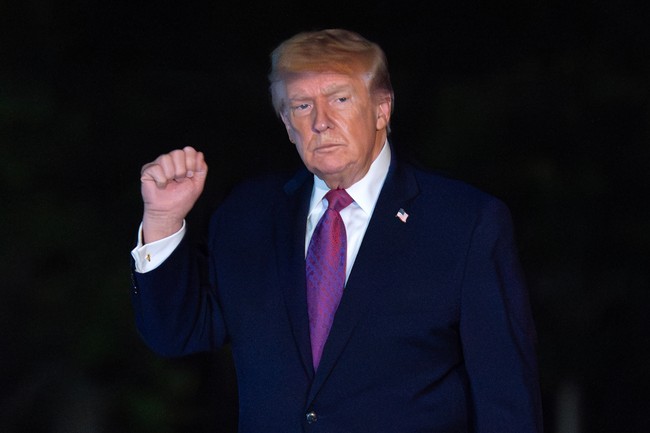

Trump issues fresh Strait of Hormuz threat, says there can’t be a deal with Iran unless ‘the rest of their country’ is blown up
President Trump rejected calls to reopen the Strait of Hormuz – warning there would never be a deal with Iran “unless we blow up the rest of their country, their leaders included.” The commander-in-chief said Iran only proclaims it’s closed the waterway to “save face” as he issued the fiery threat…
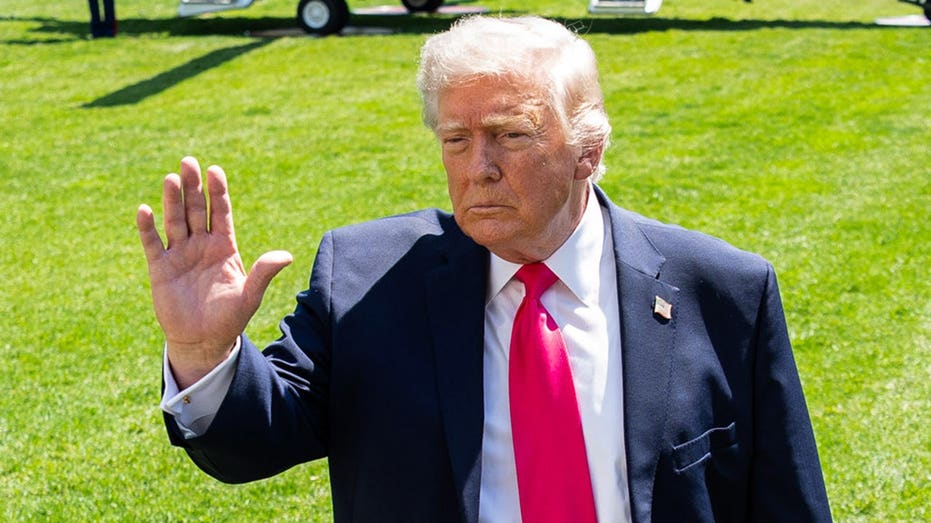
Trump claims Iran 'starving for cash,' 'collapsing financially' after extending ceasefire
President Donald Trump claims Iran is collapsing financially and losing $500 million a day as he extends the ceasefire and maintains a U.S. blockade of the country.