Justice Sotomayor issues a scathing dissent as Supreme Court gives more power to Trump
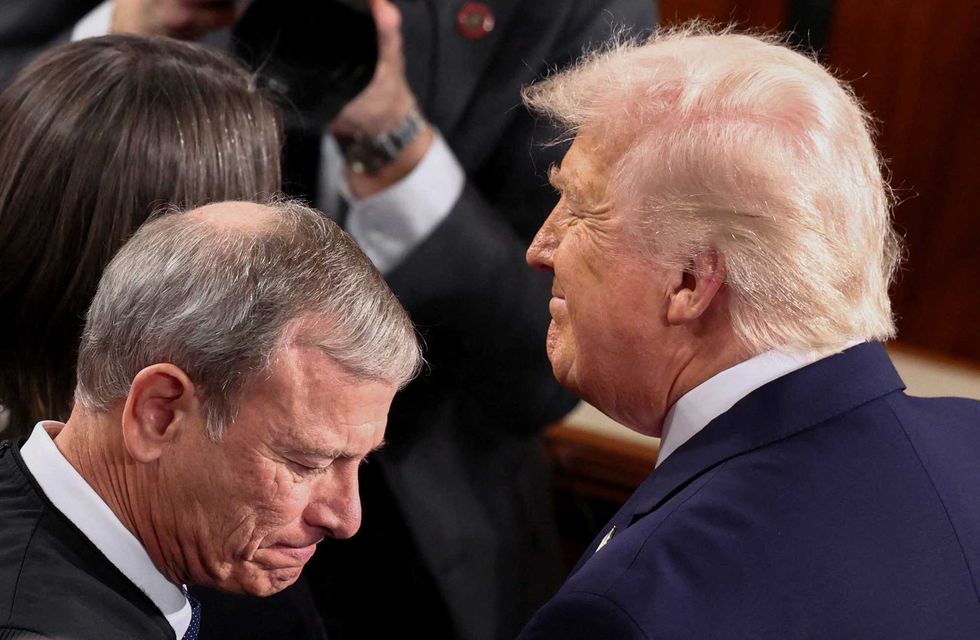
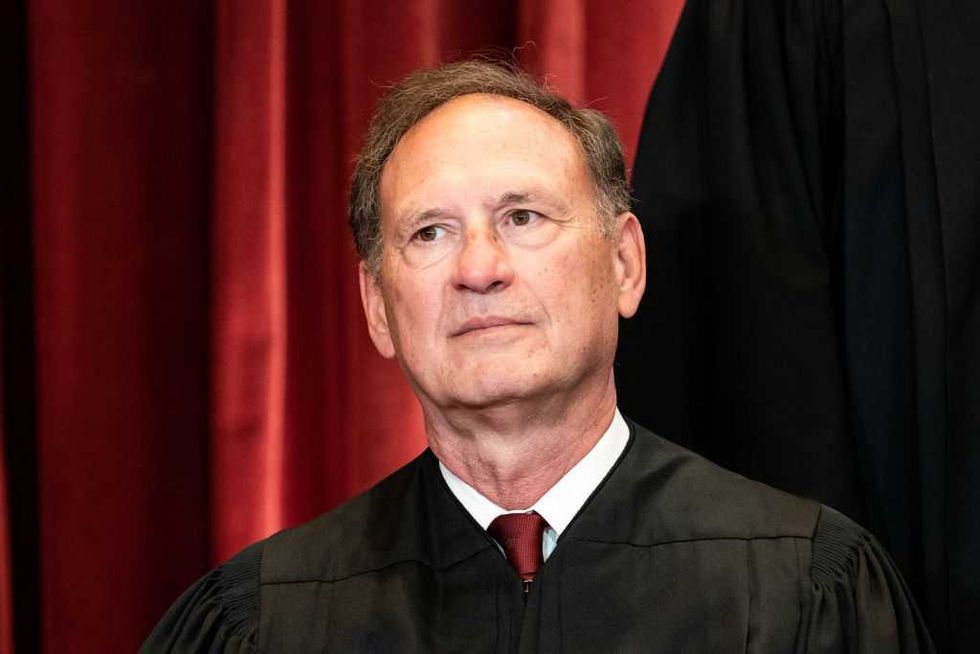
The vote in the case Trump v. Slaughter was handed down on Monday in a 6-3 ruling with a scathing dissent from Justice Sonia Sotomayor. The focus was whether the president has the right to fire members of a nonpartisan commission, like the Federal Trade Commission. In March 2025, President Donald Trump fired Rebecca Slaughter, because she was “inconsistent with [the] administration’s priorities." It overturned a landmark 1935 ruling in Humphrey’s Executor v. United States, which legal analysts warned was a big goal of the far-right "Project 2025." It was a mixed bag, however, as the Court also blocked Trump from firing Federal Reserve Governor Lisa Cook. Sotomayor made it clear in her dissent that by abolishing independent agencies like the FTC, the high court gave Trump the power of a king, and the only role of Congress was to constrain the removal of other high-level officials. "There is little to suggest 'Executive Power,' as understood at the time of the founding, was as capacious as the Court today asserts. The powers held by the English Crown and state governors before ratification did not include a removal power that the legislature could not modify. Instead, Parliament often restricted the Crown's ability to remove even high-level royal officers, and states with vesting clauses like the Constitution's similarly allowed for limits on gubernatorial removal powers."“Today, this Court undoes centuries of political practice and concludes that all three branches of Government have been acting in open defiance of the Constitution all this time. Its conclusion is wrong,” wrote Sotomayor, joined by Elena Kagan and Ketanji Brown Jackson.“The text of the Constitution, along with its history, the longstanding practices of the political branches, and the precedents of this Court, make clear that Congress may limit the causes for which the heads of Commissions like the FTC can be removed by the President,” the dissent continued. “In holding otherwise, the Court gives the president a power unknown even to the English Crown against which the founders revolted, elevating him above his once coequal branches by transforming a duty to take care that the laws be faithfully executed into a license to act in defiance of those very laws.”In an analysis by SCOTUS Blog's Amy Howe, the founder and reporter, called the decision a victory for those who support the so-called “unitary executive” theory. "Under this theory, the president should be able to fire any member of the executive branch, and laws – like the one that the court struck down – that restrict his ability to do so violate the separation of powers," she explained.