The Federalist
RNC Sues Colorado’s TDS-Afflicted Elections Chief For Violating State Constitution
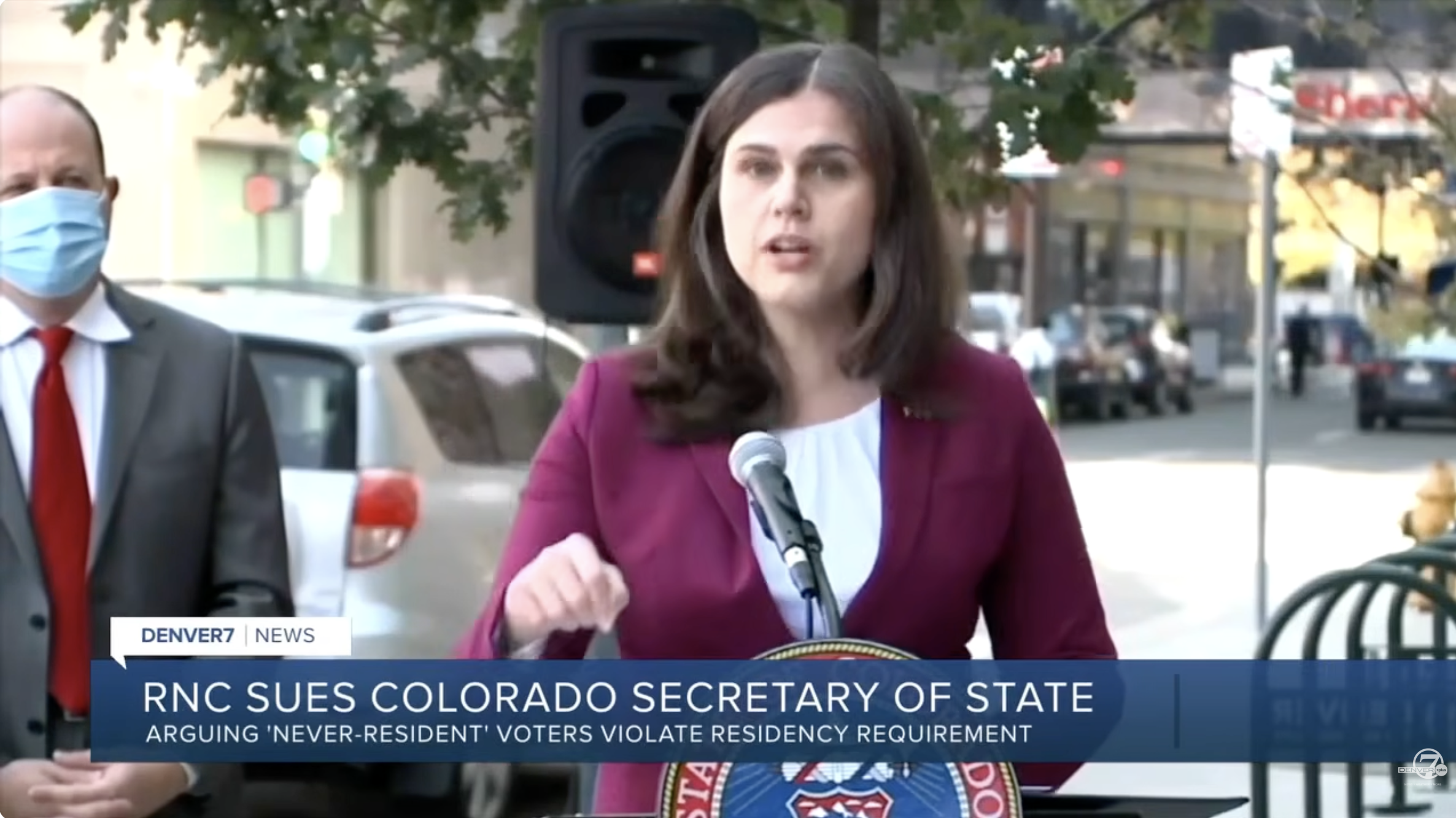
Secretary of State Jena Griswold's UOCAVA guidance permitting 'never residents' of Colorado is in conflict with residency law.
Far Right

Supreme Court Justice Samuel Alito authored the dissenting opinion in the Supreme Court's decision on mail-in ballot deadlines on Monday, blasting the majority's disregard for federal law. The post Alito Blasts Mail-in Ballots Received After Election Day in Dissent to SCOTUS Allowing Mail-in Ballots to Be Received AFTER Election Day appeared first on The Gateway Pundit.
Secretary of State Jena Griswold's UOCAVA guidance permitting 'never residents' of Colorado is in conflict with residency law.
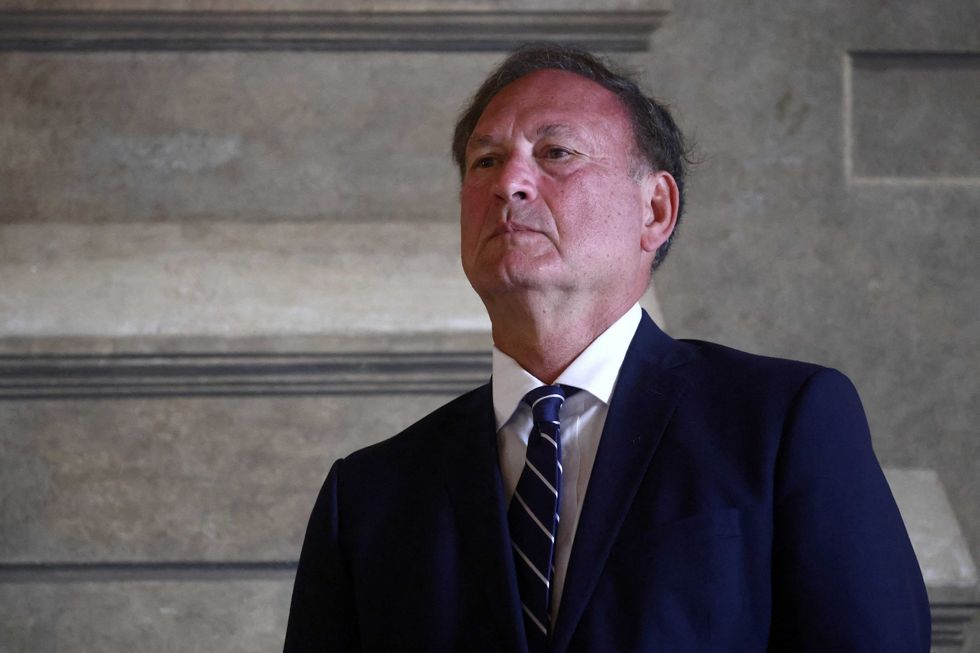
Justice Samuel Alito's legal reasoning in a landmark voting rights case was mocked as "braindead" and blamed on his presumed consumption of conservative media.The U.S. Supreme Court upheld a Mississippi law by a 5-4 vote allowing election officials to count mail-in ballots that are postmarked by Election Day but received up to five days after it, and Justice Amy Coney Barrett authored the majority opinion finding that grace periods still met statute's requirement that voters make their choice by election day."That occurs so long as election day is the deadline for individuals to vote — as it is in Mississippi," Barrett wrote. "But the election-day statutes do not set a deadline for ballot receipt, so they do not prevent Mississippi from counting ballots postmarked before election day yet received afterward."Alito authored the dissent, where he complained that "majority's holding spawns a slurry of troubling election-law questions and risks further undermining Americans' confidence in election integrity," and one particular argument stood out to critics."What the election-day statutes demand is that this authoritative choice be made on election day," Alito wrote. "If ballots received after election day are added to the set of ballots that dictate the election’s outcome, the electorate’s choice does not occur on election day, and the federal election-day statutes are violated."Many legal experts disagreed and faulted Alito's logic in the case."Alito’s dissent in the vote counting case makes perfect sense if you think of it from the perspective of a braindead Fox News viewer who thinks Dems are 'cheating' when more vote get counted and a Republican lead in the count is erased," argued writer Adam Serwer."Alito sounds a little bit like someone who fell in love with the chatbot here," pondered reporter Ted Mann. "The votes are inanimate. The voters are not.""Alito's argument – that counting ballots after Election Day means 'the electorate’s choice does not occur on election day, and the federal election-day statutes are violated' – is some of the dumbest reasoning I have ever seen," opined MS NOW's James Downie. "The 'choice' doesn't occur at the time of counting!""If you vote in person at 8:59 PM on Election Day but you ballot isn't counted until one or two days later, the choice was still made on Election Day," noted author and podcaster Doug Gordon. "Why would a ballot postmarked on Election Day but not received until one or two days later be any different? (Answer: Because Alito has brain worms.)""Alito 100% thinks that the 'blue shift' in vote counting represents a dynamic change in the outcome," wagered New York Times columnist Jamelle Bouie. "To borrow from @kalimurray.bsky.social this is not a smart man.""I would love Alito to explain to me how he thinks elections worked in the 1790s," challenged civil rights lawyer Johsua Erlich.

President Trump on Monday slammed the Supreme Court ruling allowing states to count mail-in ballots received after Election Day, arguing it is now even more important for Congress to pass the Safeguard American Voter Eligibility (SAVE America) Act. The Supreme Court upheld a Mississippi law that allows mail-in ballots sent by Election Day to be…
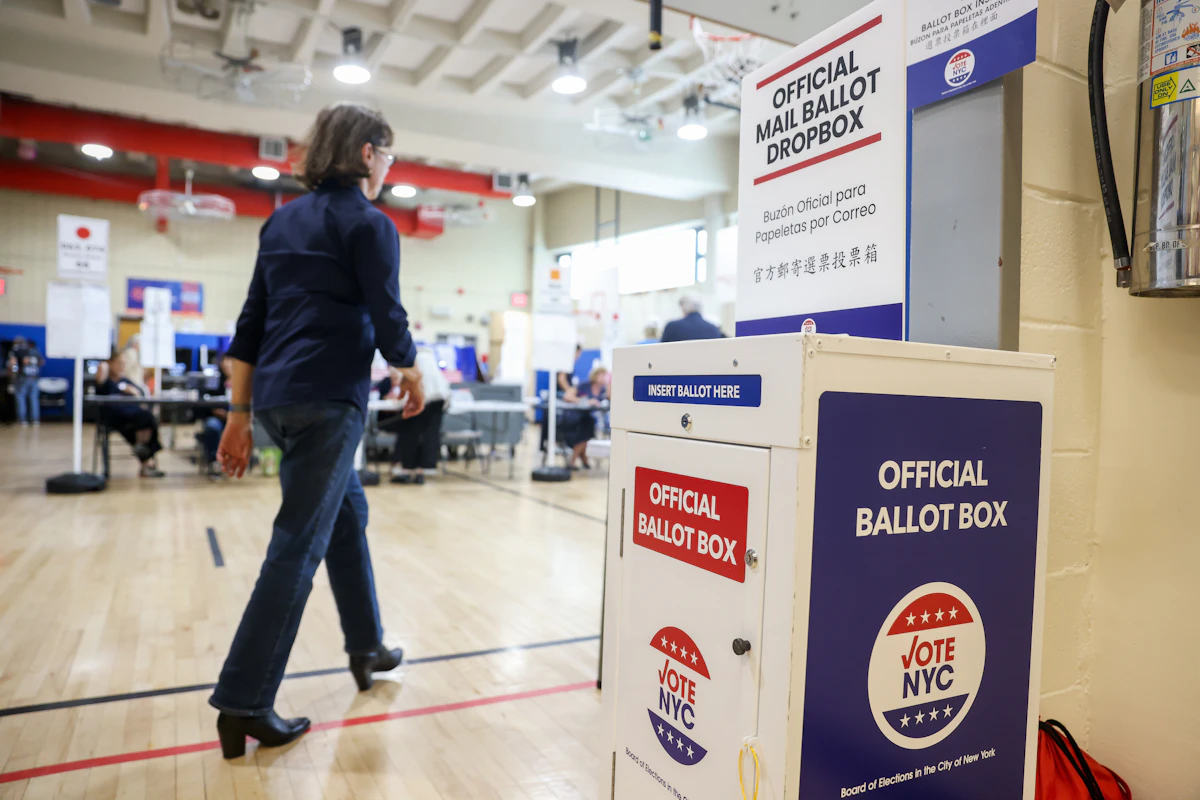
The Supreme Court has demolished Republicans’ efforts to delegitimize mail-in ballots, upholding a Mississippi law that allows a grace period to count ballots received after Election Day.In a 5-4 decision Monday split across ideological lines, the court ruled that ballots are valid up to five days after Election Day, so long as they were postmarked before it. Justice Amy Comey Barrett and Chief Justice Roberts were the two conservatives who sided with the liberal justices, and Barrett authored the majority opinion. Eighteen states and territories, including Mississippi, currently allow for mail-in ballots to be received after Election Day. That includes big Democratic states like California, Illinois, and New York. The ruling also protects states and territories that allow a grace period for ballots returning from overseas, such as for military service members.“The Constitution’s Elections Clause empowers state legislatures to ‘prescrib[e]’ the ‘Times, Places and Manner of holding’ congressional elections. Congress may ‘override’ most of these choices,” Barrett wrote for the majority. “By ‘default,’ however, ‘responsibility for the mechanics of congressional elections’ belongs to States. As Alexander Hamilton put it, the Constitution lodges power over congressional elections in state legislatures ‘primarily’ and in Congress ‘ultimately.’” Mail-in voting is a very basic, safe tactic that Trump himself has even used, despite crusading against it as fraudulent. By upholding it, the court has protected voting rights for thousands of Americans voting at home and abroad. This story has been updated.
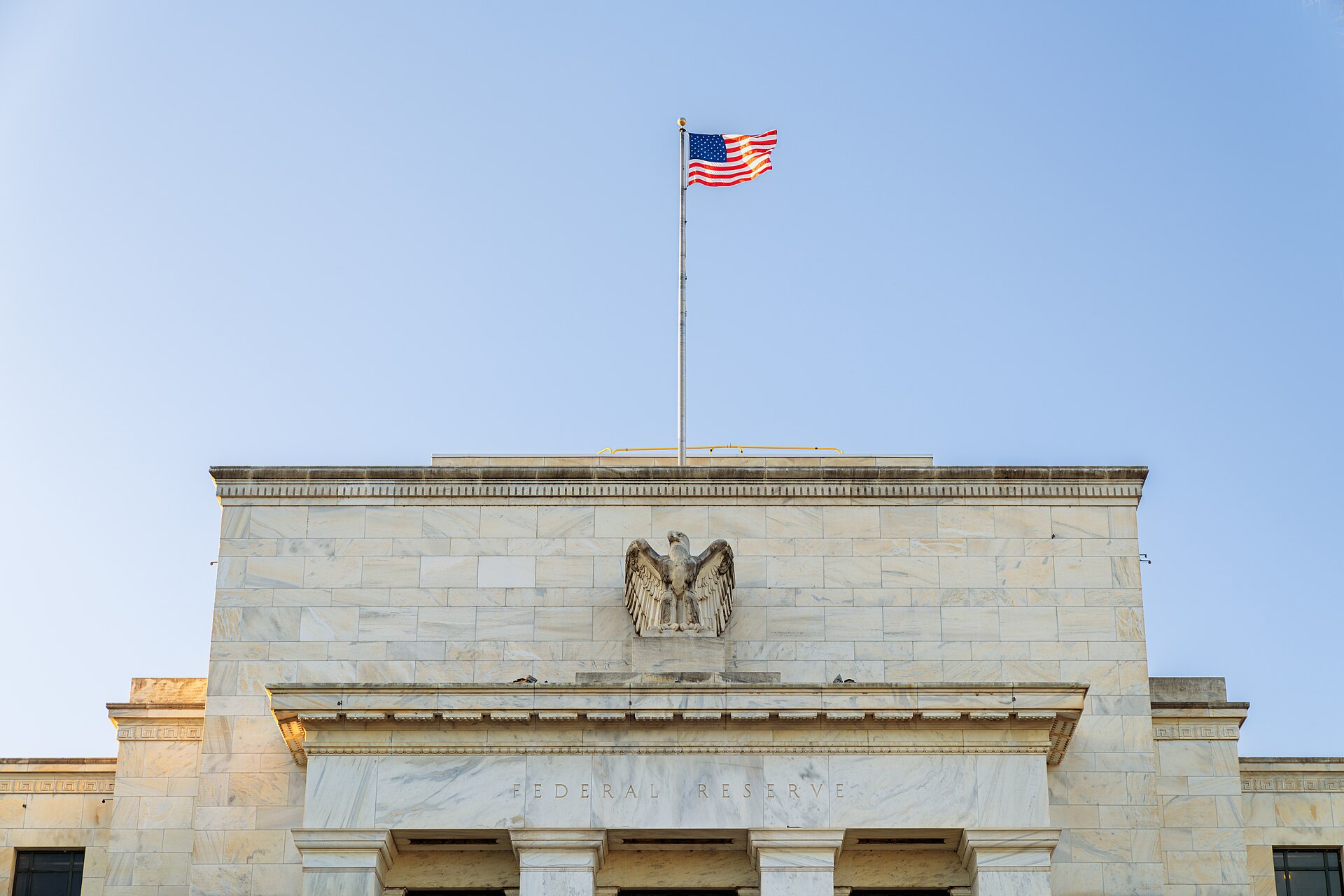
In a 5-4 decision, the Supreme Court declined to halt a lower court blockade against President Trump's removal of Lisa Cook from the Fed.

The Supreme Court ruled Monday that federal law allows states to count non-military mail-in ballots received after Election Day. In a 5-4 ruling written by Trump-appointed Justice Amy […]
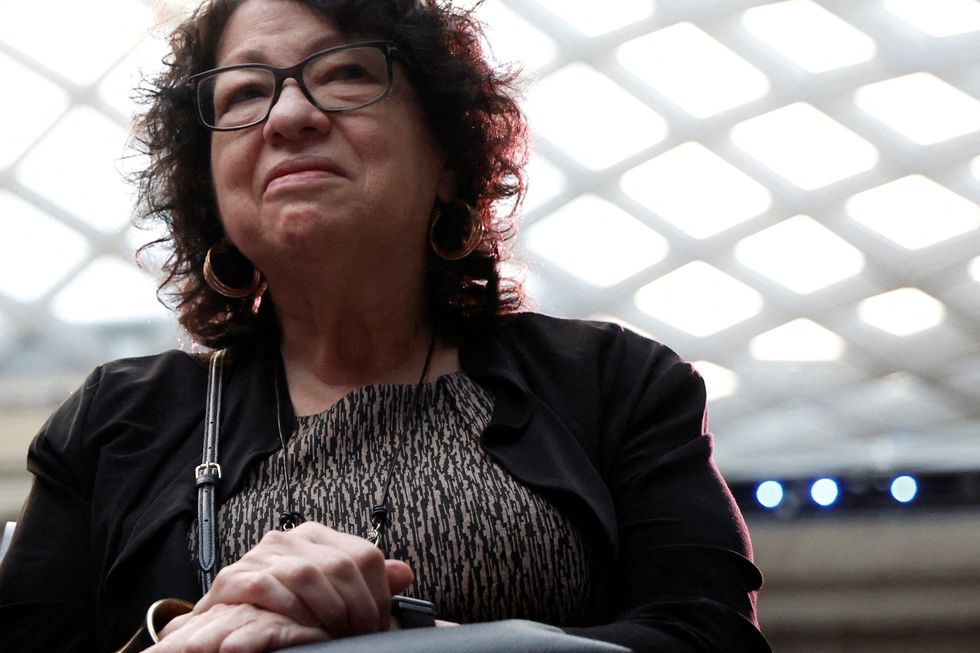
The vote in the case Trump v. Slaughter was handed down on Monday in a 6-3 ruling with a scathing dissent from Justice Sonia Sotomayor. The focus was whether the president has the right to fire members of a nonpartisan commission, like the Federal Trade Commission. In March 2025, President Donald Trump fired Rebecca Slaughter, because she was “inconsistent with [the] administration’s priorities." It overturned a landmark 1935 ruling in Humphrey’s Executor v. United States, which legal analysts warned was a big goal of the far-right "Project 2025." It was a mixed bag, however, as the Court also blocked Trump from firing Federal Reserve Governor Lisa Cook. Sotomayor made it clear in her dissent that by abolishing independent agencies like the FTC, the high court gave Trump the power of a king, and the only role of Congress was to constrain the removal of other high-level officials. "There is little to suggest 'Executive Power,' as understood at the time of the founding, was as capacious as the Court today asserts. The powers held by the English Crown and state governors before ratification did not include a removal power that the legislature could not modify. Instead, Parliament often restricted the Crown's ability to remove even high-level royal officers, and states with vesting clauses like the Constitution's similarly allowed for limits on gubernatorial removal powers."“Today, this Court undoes centuries of political practice and concludes that all three branches of Government have been acting in open defiance of the Constitution all this time. Its conclusion is wrong,” wrote Sotomayor, joined by Elena Kagan and Ketanji Brown Jackson.“The text of the Constitution, along with its history, the longstanding practices of the political branches, and the precedents of this Court, make clear that Congress may limit the causes for which the heads of Commissions like the FTC can be removed by the President,” the dissent continued. “In holding otherwise, the Court gives the president a power unknown even to the English Crown against which the founders revolted, elevating him above his once coequal branches by transforming a duty to take care that the laws be faithfully executed into a license to act in defiance of those very laws.”In an analysis by SCOTUS Blog's Amy Howe, the founder and reporter, called the decision a victory for those who support the so-called “unitary executive” theory. "Under this theory, the president should be able to fire any member of the executive branch, and laws – like the one that the court struck down – that restrict his ability to do so violate the separation of powers," she explained.

Supreme Court Justice Samuel Alito warned Monday that the Court’s ruling on mail-in ballots opens the floodgates for potential voter fraud opportunities. In a 5-4 decision authored by […]