

Published 5/26/2026, 10:00:46 AM UTC
Tuesday's Summary
This briefing analyzes the shifting media landscape and primary news narratives from the 24-hour period ending May 25, 2026. As negotiations between the United States and Iran reach a critical juncture, reporting across the political spectrum reflects a high-stakes environment defined by diplomatic uncertainty and intense internal pressure.
How the coverage differs
The most striking divergence in the last 24 hours lies in how each side characterizes the pressure being applied to the White House. Left-leaning outlets framed the influence of Republican hawks and Israeli officials as a "terrifying" development that could lead to the collapse of peace and a return to military posturing. In contrast, right-leaning outlets framed this same pressure as a tactical environment where Trump is successfully navigating "hawks" and "losers" to leverage a better deal, specifically by tying it to the Abraham Accords.
While both sides agree that a deal is nearing completion and that the Strait of Hormuz is a central pillar of the negotiations, their interpretations of the "normalization" requirement differ wildly. The Right presents the expansion of the Abraham Accords as a mandatory and achievable victory for regional stability, while the Left largely dismisses it as a non-starter that complicates an already delicate nuclear negotiation. Furthermore, while Right-leaning sources focused on the DOJ settlement aspects of the deal as a point of contention, Left-leaning sources almost entirely ignored the DOJ's involvement to focus on the rhetoric of high-profile political influencers like Laura Loomer.

‘Don’t listen to the losers’: Trump cautions against criticisms over potential Iran deal to reopen Strait of Hormuz
President Donald Trump took to Truth Social on Sunday to target critics of provisions reportedly in a potential peace deal to end the conflict with Iran as…

Netanyahu's war hawks circle as Trump races to unveil Iran peace deal TODAY
Benjamin Netanyahu's hawkish associates are scrambling to pressure the Israeli prime minister into derailing Donald Trump's looming peace deal with Tehran as the agreement nears finalization.
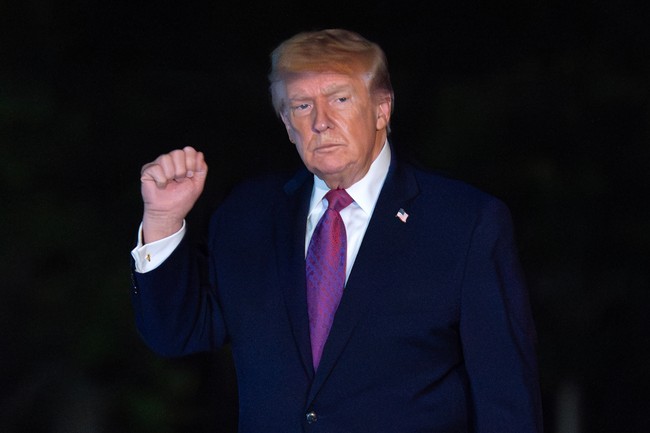
Left-Leaning Media's Perspective
- The Fragility of the Diplomatic Path: Outlets highlighted President Trump’s recent instructions to negotiators "not to rush" the agreement. Coverage emphasized technical hurdles remaining in the deal, specifically regarding the control of the Strait of Hormuz and the management of 1,000 pounds of highly enriched uranium.
- Internal Right-Wing Opposition: Reports focused heavily on the "extreme internal pressure" Trump is facing from domestic allies and hawkish figures. Narratives centered on claims from analysts that the administration may be reconsidering the deal due to influence from figures like Mike Pompeo and Senator Ted Cruz, as well as rhetoric from more firebrand supporters calling for military action instead of diplomacy.
- Skepticism of Regional Normalization: While the President has called for Middle Eastern nations to join the Abraham Accords as a condition of the peace deal, left-leaning coverage frequently cited analysts who describe such a development as "unlikely" in the current climate.
Trump Says He Told Negotiators 'Not to Rush Into' a Deal With Iran
The Trump administration and Iran both say progress is being made to end the war but there’s no deal yet. President Donald Trump says he’s told his representatives “not to rush into a deal,” while an Iran spokesman said, “No one can claim an agreement is about to be signed imminently.” The key…

Trump Urges More Countries to Normalize Relations With Israel as Part of Iran Deal
President Trump called for countries in the Middle East to join the Abraham Accords as part of a peace deal with Iran. Analysts say it is unlikely.
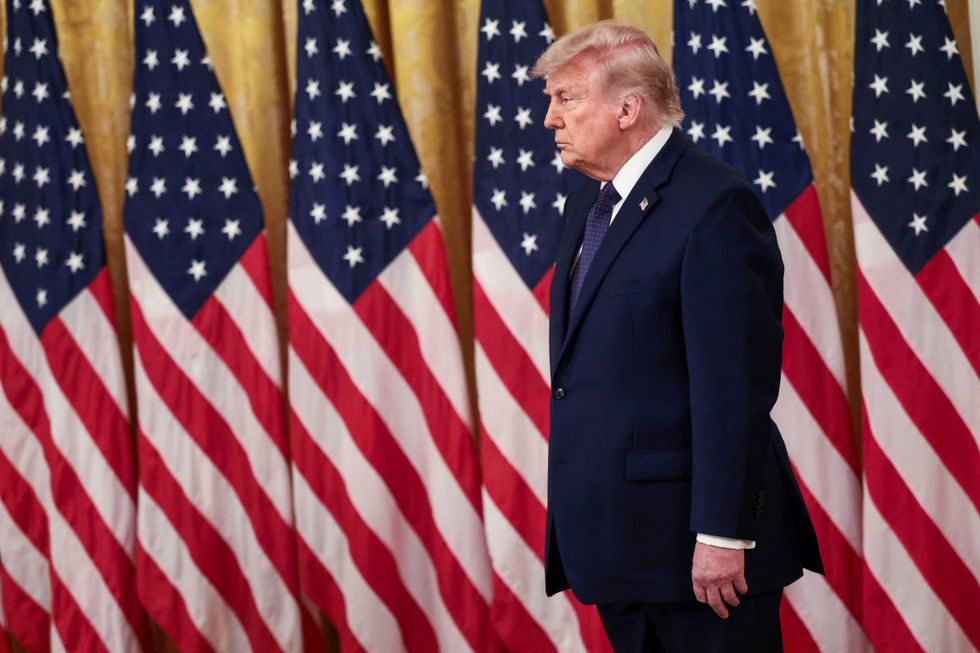
Trump pressured by allies stop all peace negotiations with Iran
Despite publicly appearing defiant about Iran peace negotiations, President Donald Trump is allegedly backing away from a deal with Iran under extreme internal pressure from Israel and its domestic allies, according to Israeli-American academic Shaiel Ben-Ephraim. Ben-Ephraim cited sources…
Right-Leaning Media's Perspective
- The Abraham Accords as a Mandate: Reporting focused on Trump’s demand that Iran and all mediating Arab nations sign on to the Abraham Accords as a prerequisite for any final agreement. This is being framed as a strategic move to expand regional normalization and secure a more robust "mandate for peace."
- The "Art of the Deal" Framing: Coverage tended to portray the current negotiations through the lens of Trump’s signature bargaining style. Outlets emphasized that the President is ignoring "losers" and critics while finalizing a deal that would prioritize reopening global shipping lanes in the Strait of Hormuz.
- External Pressure from Israel: Significant attention was paid to the "war hawks" within Benjamin Netanyahu’s circle. Reports detailed efforts by Israeli associates to derail the looming agreement, framing the situation as a race between Trump’s desire to unveil a historic deal and the efforts of foreign entities to stop it.

NEW: Trump Calls for All Arab Mediators and Iran to Sign Abraham Accords as Mandate for Peace Deal After Pressure From Lindsey Graham
President Trump announced on Monday that he wants every country involved in US-Iran negotiations to sign on to the Abraham Accords as a mandatory term of a peace agreement. Trump famously brokered the agreement to normalize diplomatic, economic, and security relations between Israel and Arab…
Netanyahu's war hawks circle as Trump races to unveil Iran peace deal TODAY
Benjamin Netanyahu's hawkish associates are scrambling to pressure the Israeli prime minister into derailing Donald Trump's looming peace deal with Tehran as the agreement nears finalization.