

Published 5/25/2026, 10:00:46 AM UTC
Monday's Summary
This briefing analyzes the news climate of the previous 24 hours, ending May 24, 2026. The dominant narrative centers on the "memorandum of understanding" aimed at ending the US-Israel war with Iran. As the Trump administration moves toward a formal ceasefire, the media landscape is bifurcated between the logistical hurdles of regional diplomacy and the technical parameters of nuclear disarmament.
How the coverage differs
The most striking divergence lies in the framing of the Middle Eastern response. Left-leaning outlets are portraying the administration's push for the Abraham Accords as a moment of diplomatic tension, highlighting "tense" meetings and a "skeptical" Saudi leadership. In contrast, right-leaning outlets are focusing on the tangible concessions from Tehran, specifically the forfeiture of enriched uranium, as the primary metric of the deal's success.
While both sides report on the internal Republican rift, they frame it differently: the Left views it as a sign of administrative instability and "panic," whereas the Right presents the President's stance as a refusal to "rush into a bad deal." Furthermore, while the Left explores the 60-day window as a period of uncertainty, the Right emphasizes the "orderly and constructive" nature of the negotiations, positioning the current silence from Israel as a tactical diplomatic pause rather than a sign of opposition.
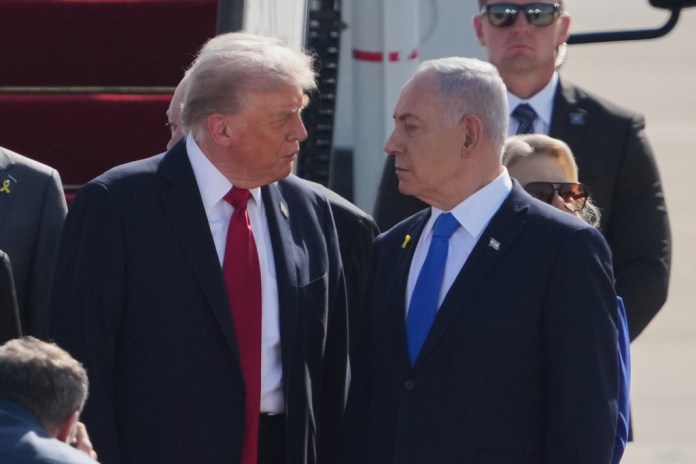
Netanyahu ‘relieved’ Israel’s ‘best friend’ Donald Trump is safe but says little about Iran deal
Israeli Prime Minister Benjamin Netanyahu called President Donald Trump “the best friend Israel has ever had in the White House” as he spoke out Sunday morning against the shooting near the White House, but stayed mum on the current Iran peace deal. Two people were shot outside the White House on…

Don’t rush into a bad Iran peace deal — they must give up nukes
Putting an end to Iran's apocalyptic nuclear ambitions is a job that must not be left half-finished, which explains the panic that greeted reports of President Trump's initial peace deal.
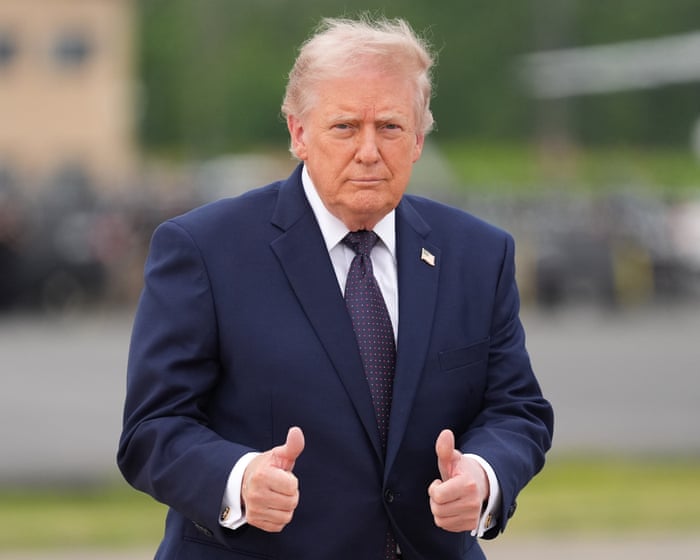
Trump news at a glance: President defends himself from Republicans over moves towards Iran deal
President insists ‘I don’t make bad deals!’ as hawks from his own party call proposed agreement a disaster – key US politics stories from Sunday 24 May at a glanceDonald Trump defended himself against criticism from fellow Republicans on Sunday as he appeared on the verge of agreeing a deal with…
Left-Leaning Media's Perspective
- Diplomatic Pressure and Regional Friction: Reporting highlighted a Saturday conference call where President Trump reportedly pressured leaders from Saudi Arabia, Qatar, and Pakistan to join the Abraham Accords. Coverage emphasized the "silence on the line" and the skepticism of Crown Prince Mohammed bin Salman regarding normalization with Israel’s current government.
- Framework of the 60-Day Truce: Outlets detailed the proposed terms of the ceasefire, including a two-month cessation of hostilities, the reopening of the Strait of Hormuz, and a return to negotiations regarding Iran’s nuclear program.
- Inter-Party Conflict: Significant attention was paid to the "hawks" within the Republican party who have labeled the emerging deal a disaster, with some critics questioning the original necessity of the conflict.
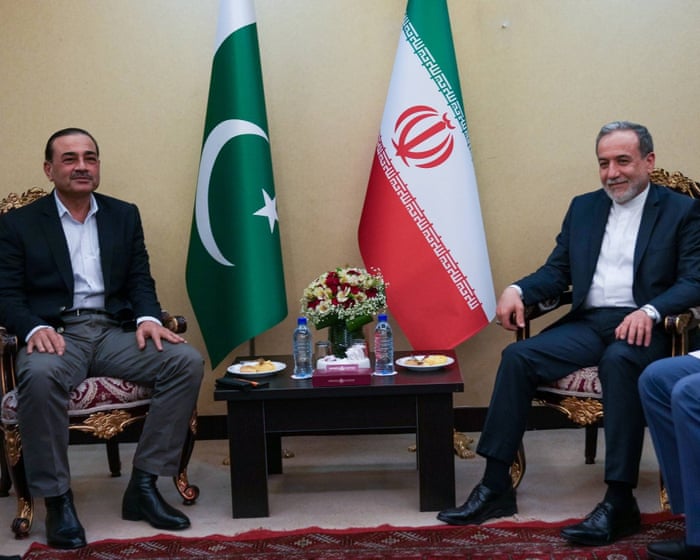
What may be included in proposed Iran ceasefire deal?
Proposed framework hinges on a 60-day truce, reopening strait of Hormuz, and revived talks on limiting Iran nuclear programme• Middle East crisis: live updatesDonald Trump has said a “memorandum of understanding” in talks to end the US-Israel war on Iran “has been largely negotiated”.Official…
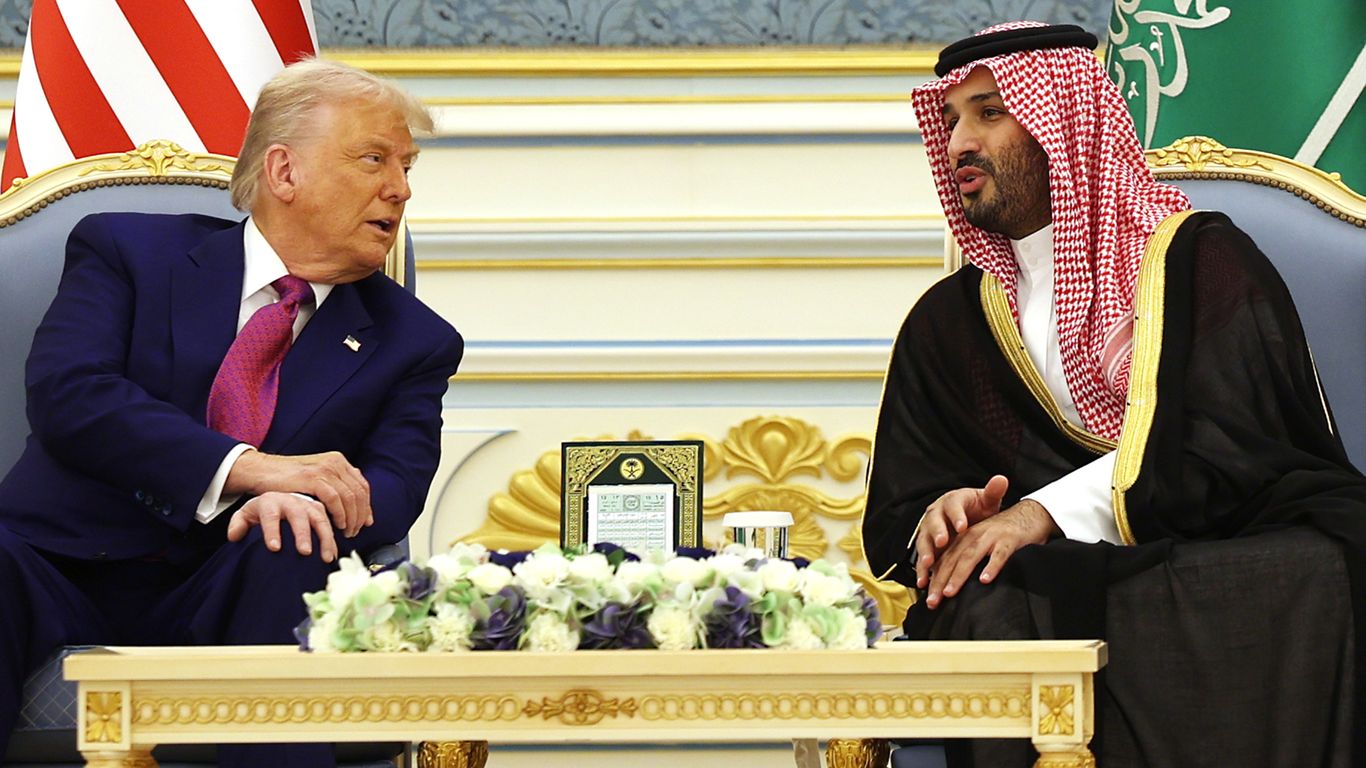
Trump asked Muslim leaders to sign peace deal with Israel after Iran war ends
President Trump told leaders of several Arab and other Muslim countries during a Saturday conference call that if a deal to end the Iran war is achieved he wants their nations to sign peace agreements with Israel, per two U.S. officials with direct knowledge of the call. Why it matters: Trump's…
Trump news at a glance: President defends himself from Republicans over moves towards Iran deal
President insists ‘I don’t make bad deals!’ as hawks from his own party call proposed agreement a disaster – key US politics stories from Sunday 24 May at a glanceDonald Trump defended himself against criticism from fellow Republicans on Sunday as he appeared on the verge of agreeing a deal with…
Right-Leaning Media's Perspective
- Distinction from the JCPOA: Coverage leaned heavily on the President's assertion that this agreement is "THE EXACT OPPOSITE" of the Obama-era nuclear deal, focusing on a framework that strictly prevents the procurement of any nuclear weapon or "bomb."
- Elimination of "Nuclear Dust": Outlets highlighted reports that Iran has agreed to surrender its entire stockpile of enriched uranium as a prerequisite for the peace agreement, framing this as a major victory for the administration's "maximum pressure" strategy.
- Netanyahu’s Support and Silence: Reporting focused on Israeli Prime Minister Benjamin Netanyahu’s public relief following a shooting incident near the White House, while simultaneously noting his strategic decision to remain "mum" on the specific details of the Iran peace deal.
Netanyahu ‘relieved’ Israel’s ‘best friend’ Donald Trump is safe but says little about Iran deal
Israeli Prime Minister Benjamin Netanyahu called President Donald Trump “the best friend Israel has ever had in the White House” as he spoke out Sunday morning against the shooting near the White House, but stayed mum on the current Iran peace deal. Two people were shot outside the White House on…
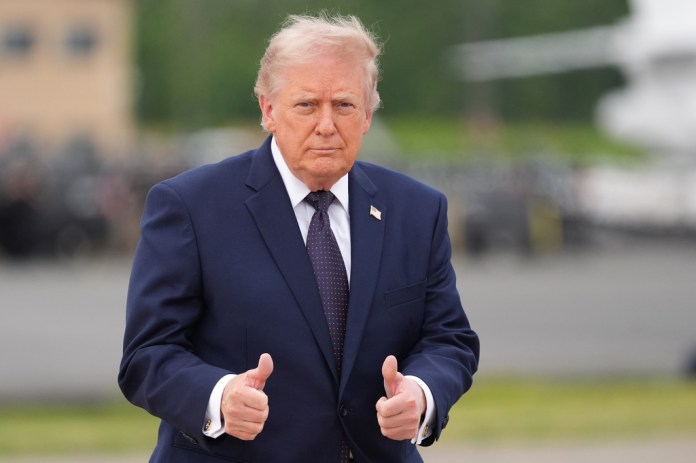
Trump calls current peace deal with Iran ‘THE EXACT OPPOSITE’ of Obama-era Iran Nuclear Deal
President Donald Trump said his administration will “not to rush into a deal” with Iran as the two nations near a peace agreement, emphasizing that the Islamic regime “cannot develop or procure a Nuclear Weapon or Bomb.” “The negotiations are proceeding in an orderly and constructive manner, and I…

Iran agrees to give up ‘nuclear dust’ stockpile in deal with Trump: report
Iran has reportedly agreed to give up its stockpile of enriched uranium as part of the deal announced by President Trump Saturday