

Published 4/11/2026, 3:02:43 PM UTC
Friday's Summary
This briefing analyzes the news climate of the previous 24 hours, ending 2026-04-09, focusing on the most reported political developments. Key discussions revolved around the evolving situation in Iran, particularly the status of the Strait of Hormuz, and the terms and stability of the ongoing ceasefire.
How the coverage differs
Both sides extensively covered the centrality of the Strait of Hormuz and President Trump's demands regarding its reopening, yet their framing differed significantly. Left-leaning outlets emphasized Trump's demands as an "ultimatum" to NATO allies concerning a conflict he initiated, portraying him as expecting others to mitigate a situation of his making. Conversely, right-leaning reports focused on the Strait's continued closure as a direct threat to the "fragile" ceasefire, presenting Trump's demands as a firm stance essential for maintaining stability and enforcing the agreement.
Furthermore, the characterization of the ceasefire and the broader conflict revealed a divergence. Left-leaning media highlighted "ceasefire confusion" and contradictory administrative statements, along with Iran's denial of certain terms, suggesting instability. Right-leaning sources, however, largely presented the preceding military campaign as a "success" and the ceasefire as a strategic "pause," implying U.S. readiness for further action if terms are not met. The portrayal of Trump's international relations also varied, with the Left focusing on the NATO "ultimatum," while the Right highlighted Trump's direct intervention with Israeli Prime Minister Netanyahu to de-escalate tensions, portraying him as a decisive manager of allied behavior rather than being "cornered" by them, as suggested by some consensus reporting.

Former NATO commander: ‘Nonsense’ for Iran to say Strait of Hormuz is open
Former NATO commander James Stavridis on Friday dismissed Iran’s declaration that the Strait of Hormuz is open amid a shaky ceasefire with the U.S. as “nonsense.” Deputy Foreign Minister Saeed Khatibzadeh said the strait was open, but vessels would need to coordinate with Iran’s military, citing…
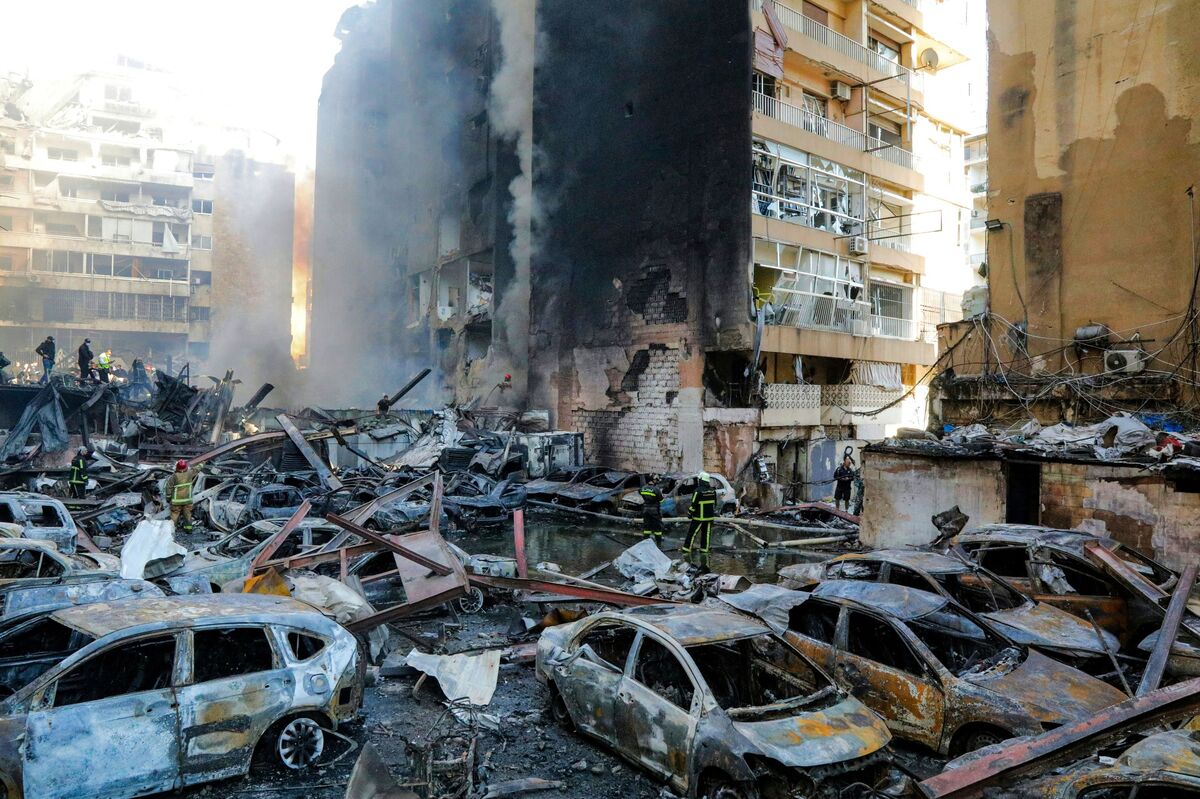
Trump Ramps Up Threats Against Iran on Hormuz Before Talks
President Donald Trump said he was “optimistic” about a deal with Iran but later threatened Tehran over charging fees in the Strait of Hormuz, as Israeli strikes in Lebanon and the continued closure of the vital waterway jeopardized diplomatic talks.
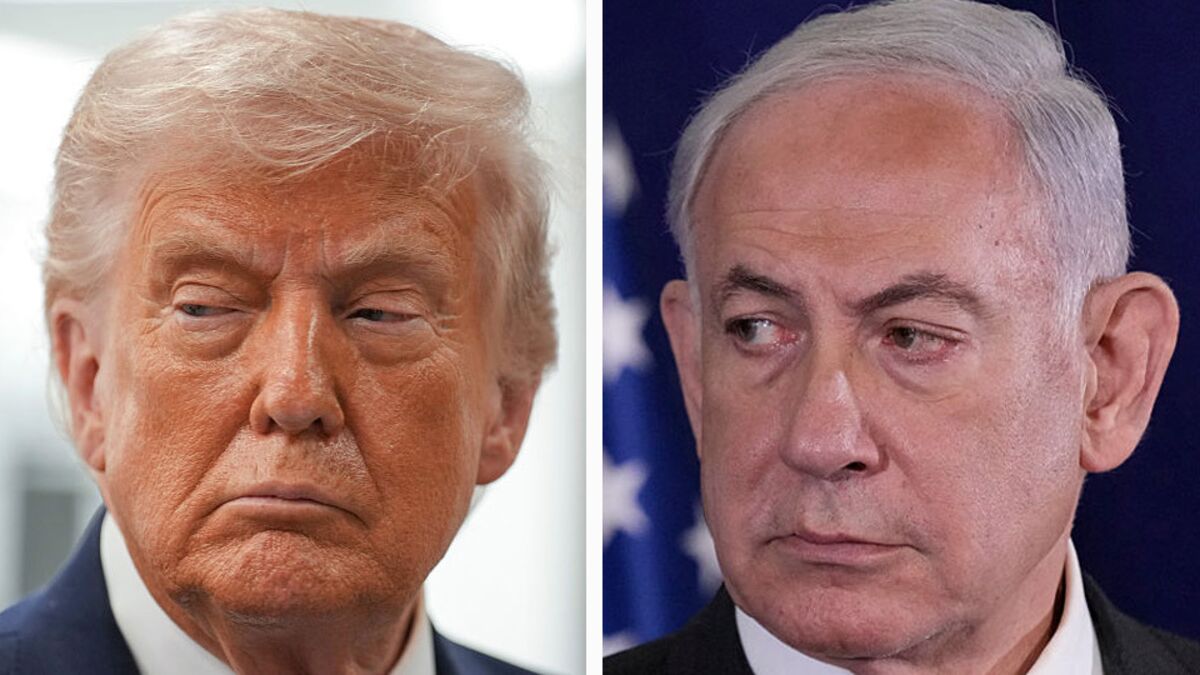
Has Netanyahu's Lobbying Over Iran War Cornered Trump?
Years of lobbying by Israeli Prime Minister Benjamin Netanyahu paid off when Donald Trump decided to go to war with Iran. Now, as the US president tries to extricate himself from the conflict, the fault lines in one of his closest geopolitical relationships threaten to box him in. Bloomberg…
Left-Leaning Media's Perspective
- President Trump's issuance of an "ultimatum" to NATO allies to reopen the Strait of Hormuz, threatening to withdraw U.S. military support from countries that do not assist in resolving a situation portrayed as stemming from a war he initiated.
- Growing confusion surrounding the ceasefire terms with Iran, including President Trump's insistence on compliance with a "real agreement" that Iran disputes includes giving up enriched uranium, alongside contradictory statements from his administration regarding the Strait of Hormuz's status.
- Trump's public assertion on Truth Social that "None of these people, including our own, very disappointing, NATO, understood anything unless they have pressure placed upon them!!!" following his meeting with NATO Secretary General Mark Rutte.
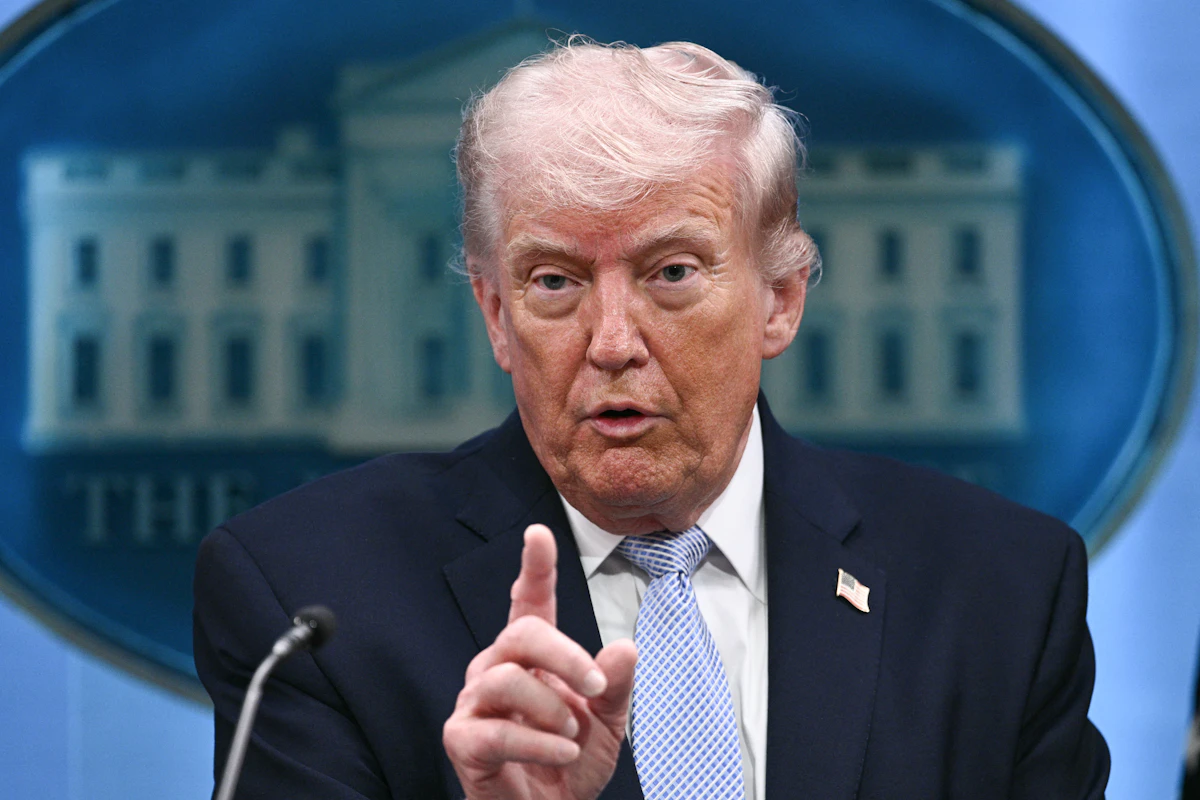
Trump Warns NATO to Clean Up His Mess in Iran War
President Trump issued an “ultimatum” to European countries regarding the Strait of Hormuz after meeting with NATO Secretary General Mark Rutte at the White House on Wednesday.German news magazine Der Spiegel reported that Trump is expecting NATO members to help reopen the strait, which Iran…
Trump Warns Iran to Comply With 'Real Agreement' of Ceasefire
President Donald Trump is issuing a new warning over the shaky ceasefire with Iran, saying the United States military “will remain in, and around, Iran until such time as the real agreement reached is fully complied with.” Meanwhile, the status of the Strait of Hormuz remains unclear, as does…
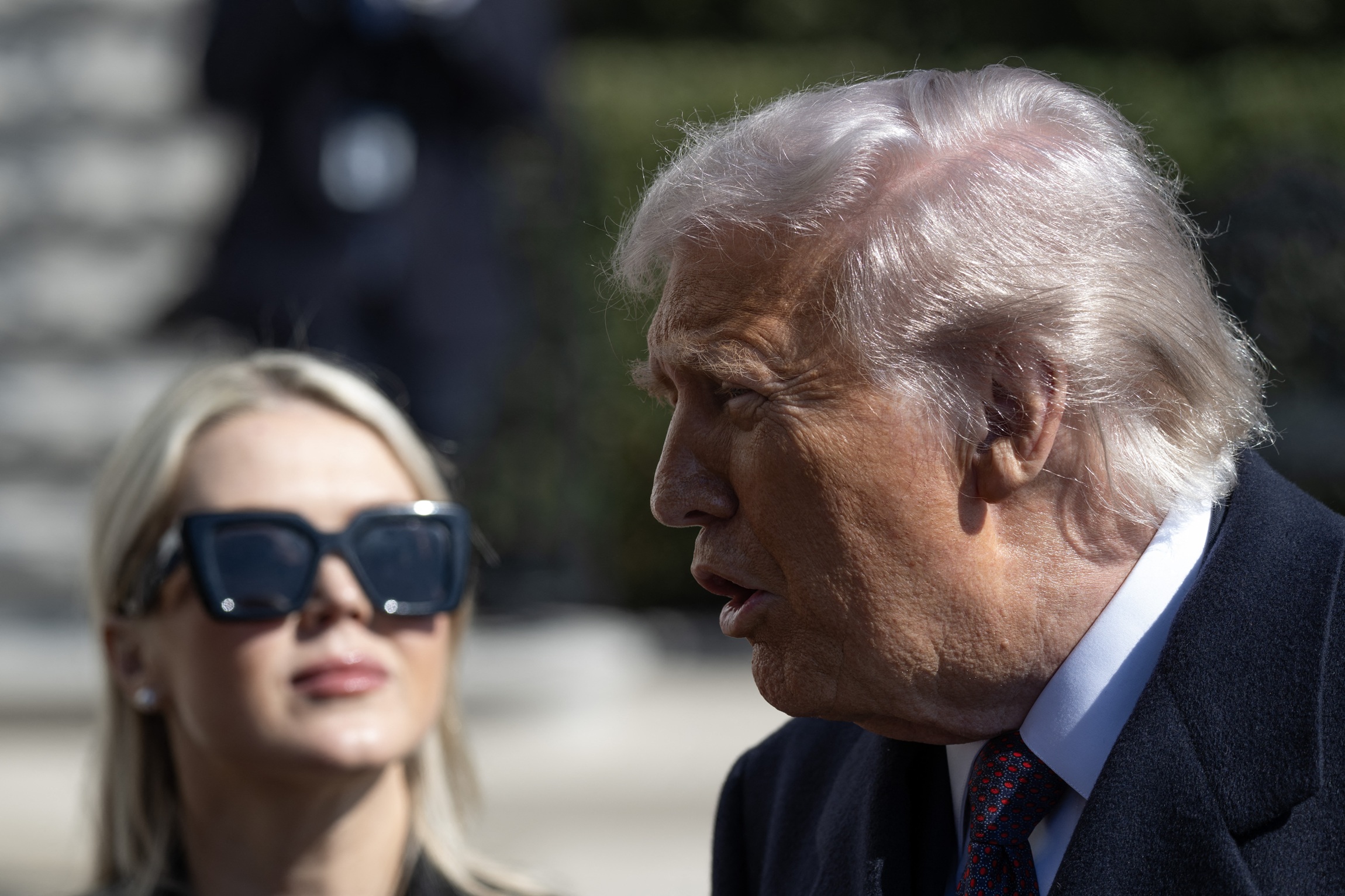
Ceasefire Confusion Grows as Trump Threatens Renewed Start to Iran War
Karoline Leavitt denied Strait of Hormuz closure reports, but demanded it be “immediately” reopened in the same presser.
Right-Leaning Media's Perspective
- The critical condition of the Strait of Hormuz remaining closed, with reports of 300 ships awaiting passage and an Emirati politician confirming its non-operational status, framing it as a direct challenge to the fragile ceasefire.
- Operation Epic Fury being regarded as a "success" despite not toppling the Iranian regime, with the ceasefire characterized as a "pause" rather than an end to military operations, and critics of this view being dismissed.
- President Trump's direct intervention in ordering Israeli Prime Minister Benjamin Netanyahu to "CALM DOWN" following threats of bombardment in Lebanon, underscoring U.S. efforts to stabilize the ceasefire ahead of diplomatic talks in Pakistan.

Trump warns fragile cease-fire hinges on Iran reopening Strait of Hormuz — as 300 ships await passage
"Let’s be clear: the Strait of Hormuz is not open," said Sultan Ahmed Al Jaber, an Emirati politician and the head of the Abu Dhabi National Oil Company.
The Iran ceasefire is a pause, and it may be a short one
Thirty-eight days after it began, Operation Epic Fury paused and perhaps ended with a ceasefire. The United States-Israel military campaign did not topple the Islamic Republic, as some hoped, but it should still be regarded as a success. Critics of President Donald Trump would have you think…

Trump orders Benjamin Netanyahu to 'CALM DOWN' as Israel threatens Iran ceasefire with brutal bombardment in Lebanon
Trump's request came as the US prepares to meet with Iranian leaders in Pakistan to negotiate an end to the war.