

Published 4/11/2026, 10:01:13 AM UTC
Saturday's Summary
This briefing analyzes the news climate of the previous 24 hours, ending April 10, 2026, focusing on key developments surrounding the U.S.-Iran ceasefire, events concerning the Trump administration, and ongoing regional dynamics.
How the coverage differs
A significant divergence emerged in the coverage of the U.S.-Iran ceasefire deal. Left-leaning outlets heavily scrutinized the deal's scope, reporting allegations that Prime Minister Netanyahu convinced President Trump to exclude Lebanon from the ceasefire terms. This narrative emphasized potential U.S. diplomatic vulnerabilities, Iran's threats to withdraw from the deal due to perceived violations, and a broader pattern of the Trump administration's Middle East policy. Conversely, right-leaning outlets focused almost exclusively on Iran's alleged non-compliance, particularly regarding the closure of the Strait of Hormuz. These reports highlighted President Trump's strong stance, his warnings to Iran, and the continued U.S. military presence as measures to enforce the agreement, largely omitting any discussion of Lebanon or alleged external influence on the deal's terms.
Another key area of divergence was the complete absence of coverage on the Jeffrey Epstein scandal and First Lady Melania Trump's press conference from the right-leaning outlets provided, while it was a dominant story on the left. The left-leaning articles detailed criticism from Epstein survivors regarding Ms. Trump's remarks, portraying her actions as counterproductive and a deflection. This stark difference indicates a selective focus on issues, with one side amplifying a story questioning the administration's integrity and the other seemingly prioritizing stories that reinforce a narrative of strength and decisive action. Both sides did, however, report on President Trump's statements dismissing the need for a "backup plan" for the Iran talks, though their underlying interpretations likely varied given their respective broader narratives.

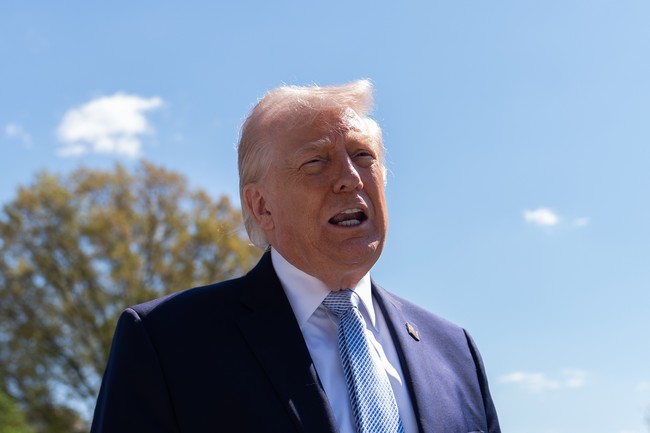
President Trump Hits Back After Reporter Asks About a “Backup Plan” with Iran (VIDEO)
President Trump on Friday departed the White House en route to Charlottesville, Virginia, for a fundraiser. The post President Trump Hits Back After Reporter Asks About a “Backup Plan” with Iran (VIDEO) appeared first on The Gateway Pundit.

Trump says ‘backup plan’ not needed for Iran talks; wishes Vance ‘luck’
President Trump said Friday that no backup plan is needed if the peace talks in Pakistan between the U.S. and Iran go south. “You don’t need a backup plan,” Trump told reporters before departing Washington. “The military is defeated. Their military is gone. We’ve degraded just about everything.”…
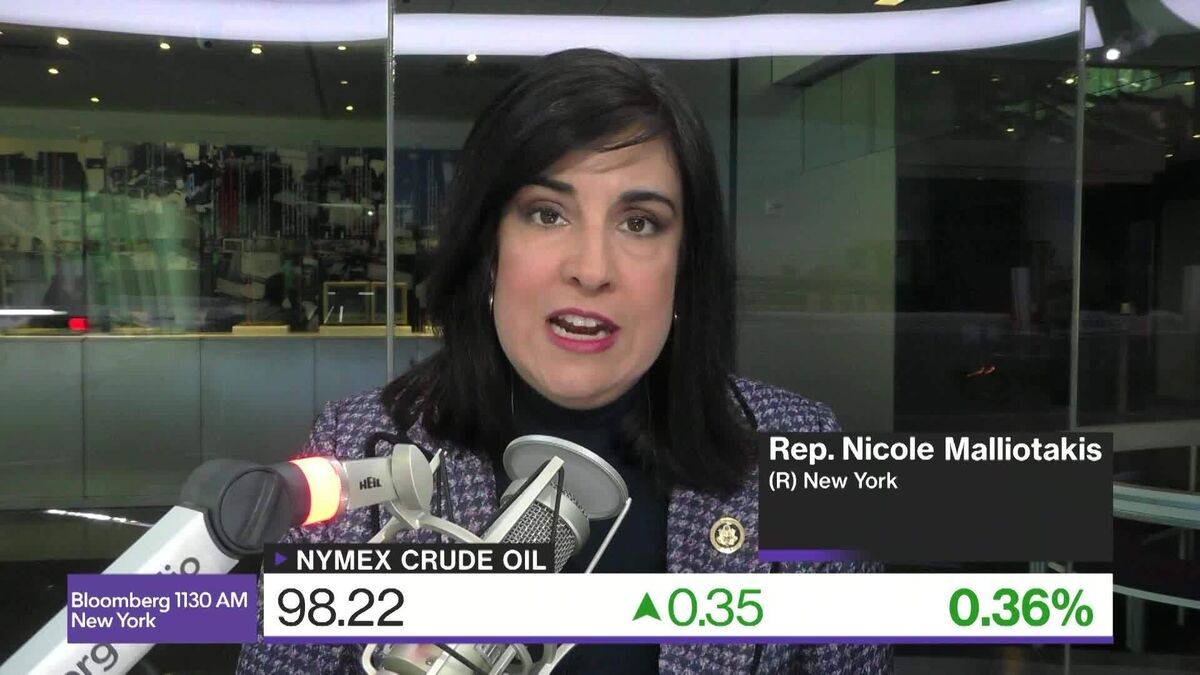
Trump Still Has Leverage Over Iran, Malliotakis Says
US Rep. Nicole Malliotakis (R-NY) says President Donald Trump still has leverage over Iran as talks in Pakistan get underway. She says it's important to get energy prices lower and to see a regime change in Iran. She speaks on "Balance of Power." (Source: Bloomberg)
Left-Leaning Media's Perspective
- Allegations that Israeli Prime Minister Benjamin Netanyahu influenced President Trump to exclude Lebanon from the U.S.-Iran ceasefire deal, leading to continued Israeli military operations in the region and raising concerns about the deal's stability.
- First Lady Melania Trump's unexpected press conference attempting to distance herself from the Jeffrey Epstein scandal, which was subsequently criticized by Epstein survivors as a self-serving deflection that exacerbated the issue.
- Reports suggesting the Trump administration's handling of the ceasefire and the Epstein situation risks undermining U.S. diplomatic credibility and diverting attention from accountability.
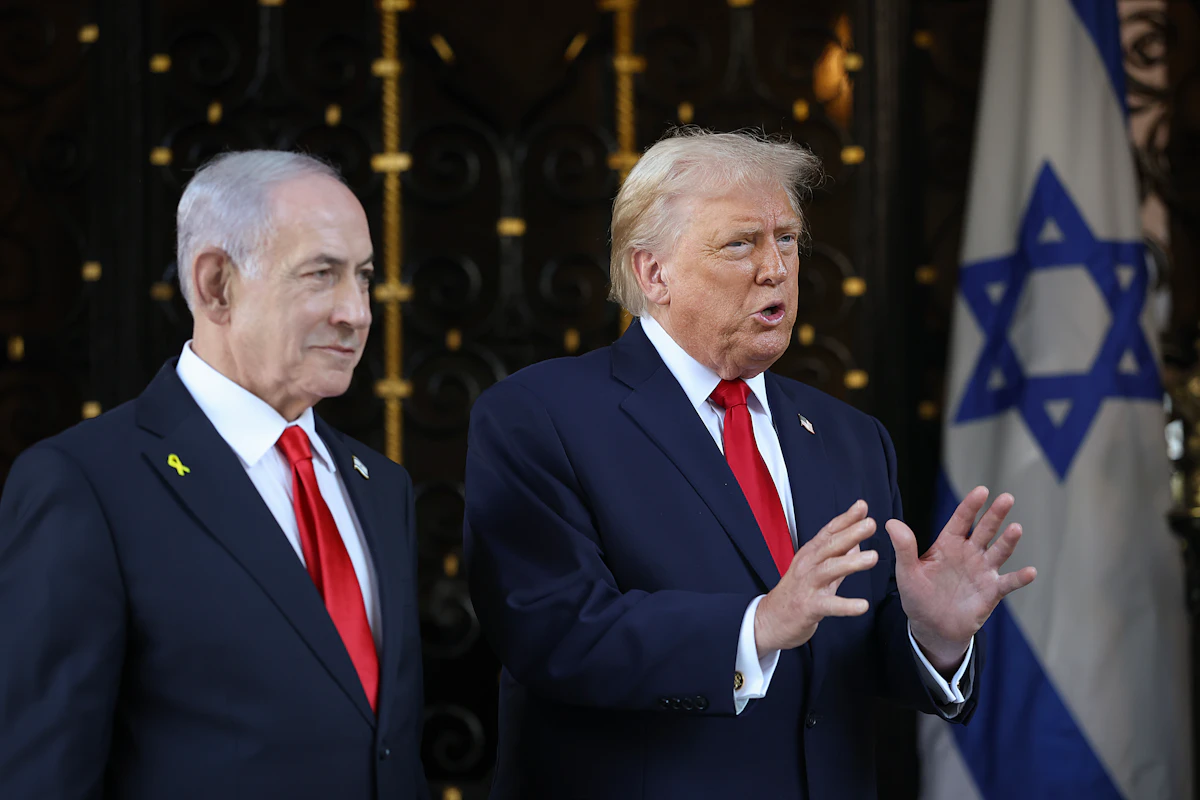
How Netanyahu Convinced Trump to Pull 180 on Iran Ceasefire
Israeli Prime Minister Benjamin Netanyahu reportedly convinced President Donald Trump not to include Lebanon in the United States’s ceasefire deal with Iran—even though the U.S. agreed to stop the bombing there. Trump was initially told that the ceasefire would apply to the entire Middle East…
Melania Trump just made an even bigger mess out of Donald Trump’s Jeffrey Epstein scandal
Everyone is still talking about Donald Trump and Jeffrey Epstein, but no one outside a few internet posts has been talking about Melania Trump and Jeffrey Epstein. So in typically bizarre Trump regime fashion, Melania Trump called a surprise press conference today to announce that she had nothing…
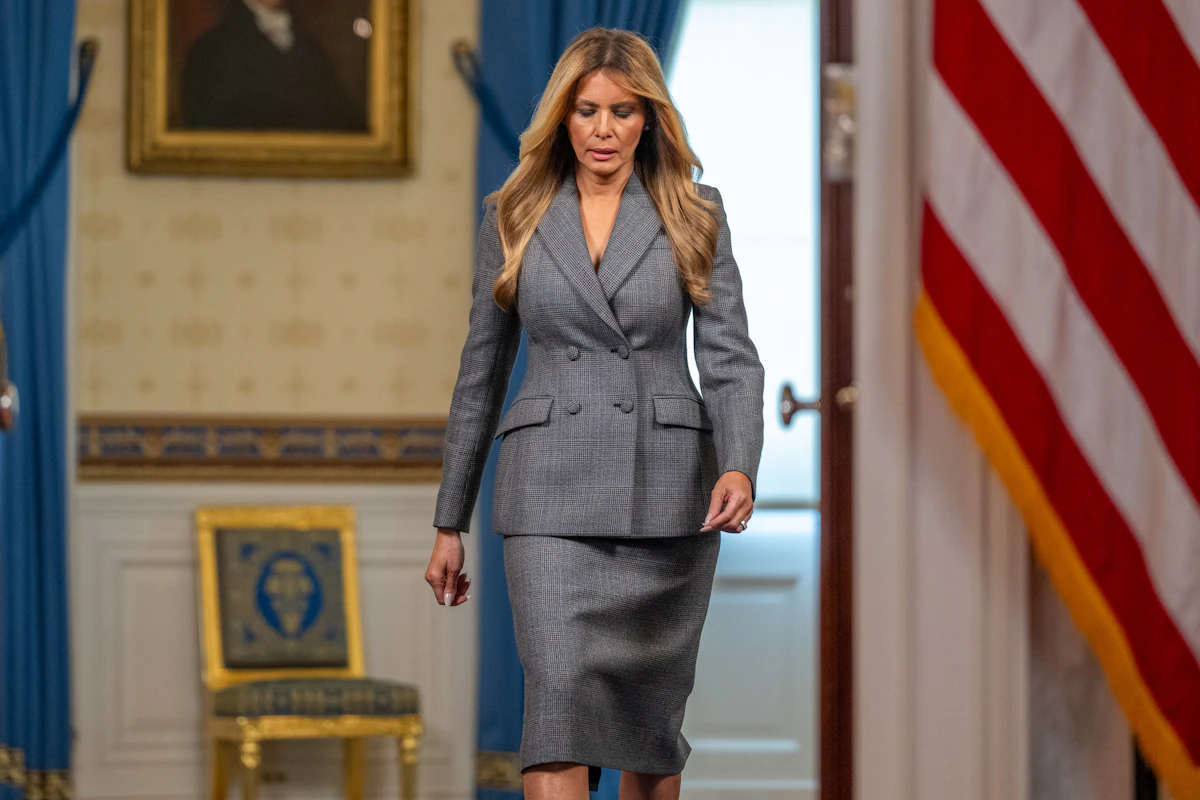
Epstein Survivors Rip Into Melania Trump After That Weird Presser
Survivors of Jeffrey Epstein’s abuse are angry with Melania Trump.Several of his victims released a statement blasting the first lady after her remarks in the White House Thursday attempting to distance herself from Epstein and calling for survivors to publicly testify before Congress. “Survivors…
Right-Leaning Media's Perspective
- President Trump's strong warnings to Iran regarding alleged violations of the ceasefire agreement, particularly concerning the continued halting of oil traffic in the Strait of Hormuz.
- Assertions that the U.S. military will maintain a presence around Iran until the regime fully complies with the ceasefire terms.
- Reporting on the persistent closure of the Strait of Hormuz, which has led to a significant backlog of vessels and mariners, attributing the disruption to Iran's actions despite the ceasefire.
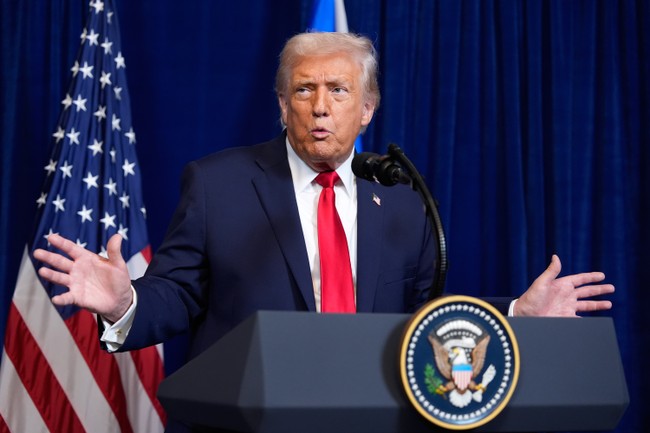
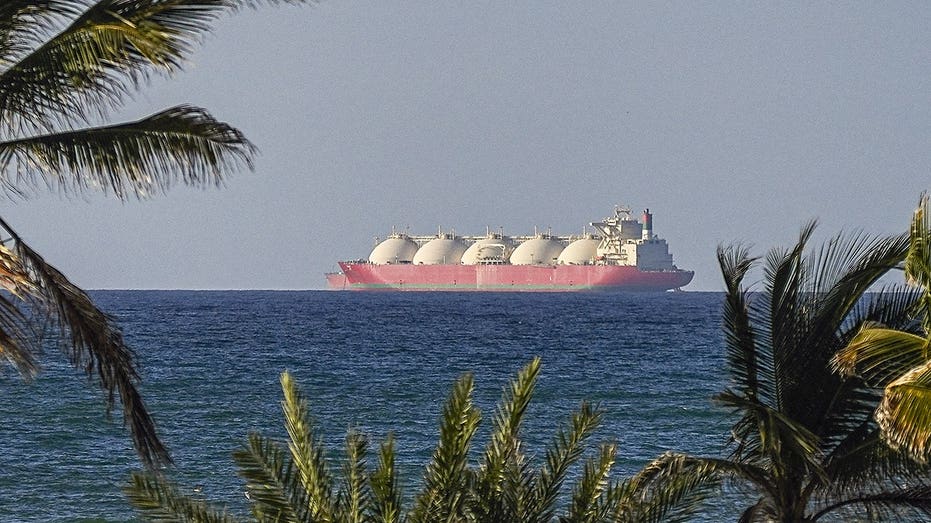
Hormuz choke point persists as Iran halts oil traffic despite Trump ceasefire
The Strait of Hormuz remains effectively closed despite a ceasefire deal, with 800 tankers among 3,200 vessels backed up and mariners stranded.