'Utterly amazing': Trump stuns by running from one of his few successes while in office
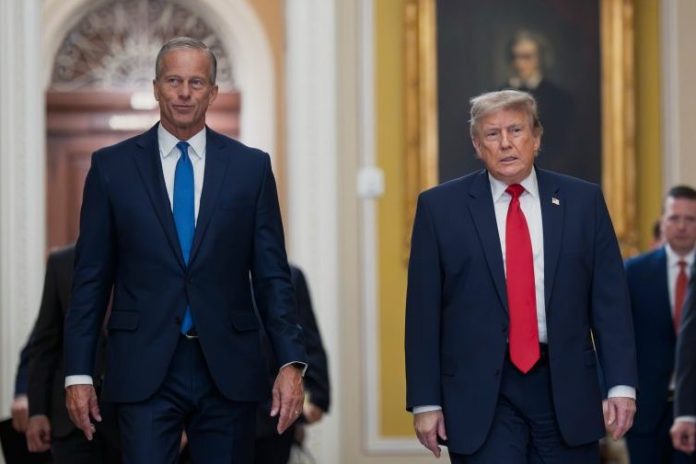
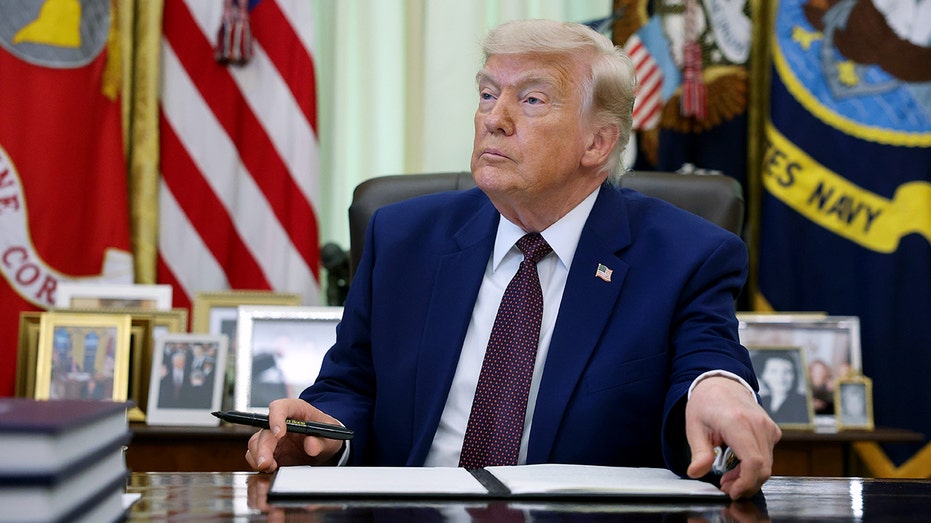
President Donald Trump torpedoed his own Republican Party's moment this week by abruptly canceling the signing of a major housing bill that could have boosted the GOP ahead of midterms, The New York Times reported Thursday.Carl Hulse, New York Times chief Washington correspondent, revealed that the growing ruptures between Trump and Republicans "have crippled the G.O.P. at what should be the peak of its power." Trump instead signaled he would not sign the bill until Republicans passed his elections legislation, the SAVE America Act."Just as Republicans were pointing to the measure as proof that they could deliver big things with their majority, President Trump scuttled his party’s big moment by disparaging the legislation and refusing to sign it unless he got a new bill to impose voting restrictions," Hulse wrote."It was just the latest twist in an increasingly tortured relationship between Mr. Trump and his fellow Republicans, who were left dumbfounded and wondering if, for some reason, the president was trying to sabotage their chances in November and cost them their majorities," Hulse explained. "And it reflected how profoundly Mr. Trump had crippled his once vaunted governing trifecta, now all but paralyzed by his whipsawing demands and pronouncements."Senate Minority Leader Chuck Schumer (D-NY) commented on the moment."It’s utterly amazing," Schumer said. "Trump is running away from one of the very few accomplishments that could actually help the American people."Trump could still sign the housing legislation, Hulse added. But the repercussions could remain for GOP lawmakers, who were frustrated over the bill and left Washington, D.C. They will return in mid-July, "leaving multiple consequential matters hanging." "Mr. Trump may yet sign the legislation or allow it to become law, but he has already significantly diminished its political impact by dismissing it as minor, questioning its benefits and ditching the signing ceremony," Hulse wrote.