After New York’s Primary Elections, Democrats Face Five Big Questions
The anti-establishment left surged. How shaken are party leaders?

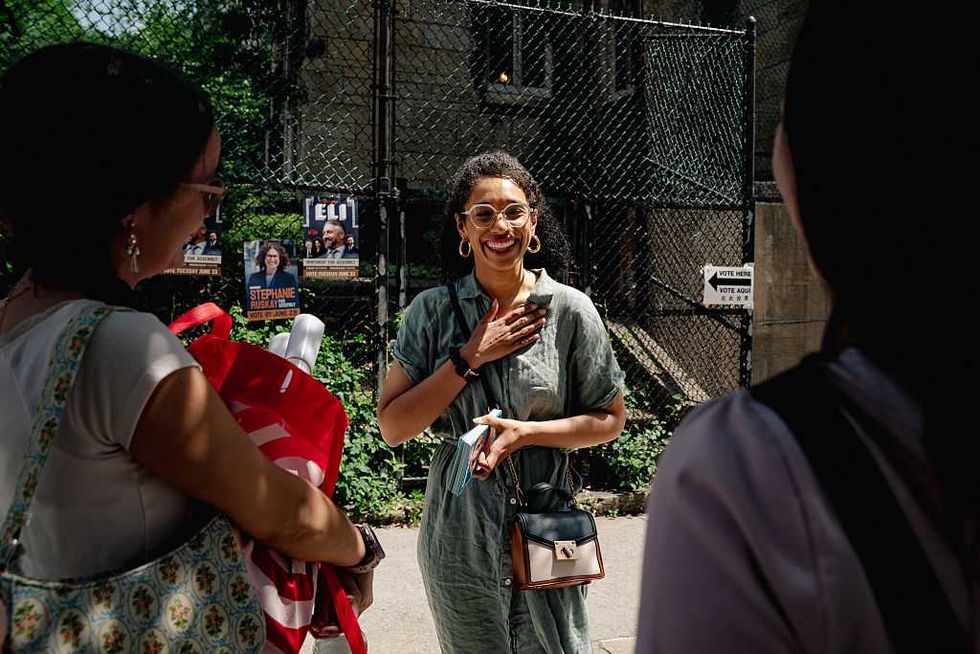
In a congressional district that encompasses upper Manhattan and a portion of the Bronx, Darializa Avila Chevalier, a democratic socialist, has emerged victorious in the contentious Democratic primary against five-term incumbent Rep. Adriano Espaillat. With 88% of the votes counted, the New York Times has called the race in Avila Chevalier’s favor. She currently leads Espaillat 49.4% to 45.9%.'Zohran endorsed her, so I voted for her.'"I am so thrilled to have the support of my community, and I am so proud that they have put their trust in me to send me to Congress on their behalf," Avila Chevalier told Norwood News.But let’s break down the results further.The 13th Congressional District of New York contains a population of roughly 750,000 people in an area of 11 square miles, which equates to about 68,000 people per square mile. In the recent election, the Manhattan portion of the district accounted for a significantly larger share of the vote than the Bronx portion.The median age in the district is 39 years old, with 50% of the residents identifying as Hispanic, 24% as black, and 17% as white. The district is also one of the poorest congressional districts in the country, with a quarter of its residents living below the poverty line and a median household income of just above $52,400.According to the Times, Espaillat outperformed Avila Chevalier by a sizeable margin of 28 points in the Bronx, while in Manhattan, Avila Chevalier led by a margin of eight points.Espaillat was able to secure the black (+2.2) and Hispanic (+15.3) vote, as well as the vote of lower-income areas (+10.2). Avila Chevalier, on the other hand, dominated among younger voters (+24.5) and majority college-educated areas (+19.2), reflecting a broader trend of democratic socialists such as NYC Mayor Zohran Mamdani performing well among these groups.Avila Chevalier also led by 5.1 points in higher-income areas, the Times reported. RELATED: 'Weak and pathetic': Mamdani-backed radicals sweep Democratic establishment in New York's electoral bloodbath “I’m an immigrant myself, and she has strong positions on immigration. It’s the first time I felt like I had a real choice with the Democratic primary. Zohran endorsed her, so I voted for her,” Juan Alvarez told the New York Post after casting his vote.The politics of NY-13 have been consistently Democratic for decades, with voters backing Democrat candidates on the national, state, and local levels. In last year’s New York City mayoral race, Mamdani performed strongly across the district. Both Espaillat and Avila Chevalier endorsed Mamdani for mayor, yet Mamdani later threw his support behind Avila Chevalier in the primary contest.In her victory speech, Avila Chevalier declared to her crowd of supporters that "the politics of the past ends today.""The era of taking a check and cashing a check and calling it representation is over.""To every little black and brown girl, mujer dominicana, my Muslim sisters, and every working-class person here — our time has come.”Avila Chevalier will face off against Republican nominee Manual Williams in the November general election, where she is expected to win comfortably. Like Blaze News? Bypass the censors, sign up for our newsletters, and get stories like this direct to your inbox. Sign up here!
The anti-establishment left surged. How shaken are party leaders?
President Donald Trump's decision to abruptly cancel a bill-signing ceremony on Wednesday for a widely popular piece of legislation raised red flags for one political analyst. Trump announced on Truth Social that he was canceling the signing event for a bipartisan housing affordability bill, and said it won't be signed until the SAVE America Act is passed, a bill that would fundamentally transform how American elections are conducted. John Heilemann, a journalist and MS NOW political analyst, warned during a segment on "Deadline: White House" that Trump used a phrase to remember in his Truth Social post announcing the cancellation, one that will become more important as the 2026 midterm elections draw near. "Today’s Housing News Conference and Signing is hereby canceled until such time as we pass the desperately needed SAVE AMERICA ACT, which I consider to be a National Emergency. Thank you for your attention to this matter! President DJT," Trump wrote in a pithy post.Heilmann warned that the post revealed Trump's strategy for interfering in the 2026 midterm election. "Donald Trump is starting to broadcast his strategy for interfering with, intervening in, and trying to steal the 2026 election," Heilmann said. "'National emergency' is a phrase that you should remember because I think we're going to start to see it more and more in Donald Trump's communications, both on social media and his language when he talks about these things on the stump. That is how you get to a justification for starting to seize control of the election apparatus and mechanisms ... by which we hold elections. 'National emergency.' He said it right there. I think we are going to hear it again."
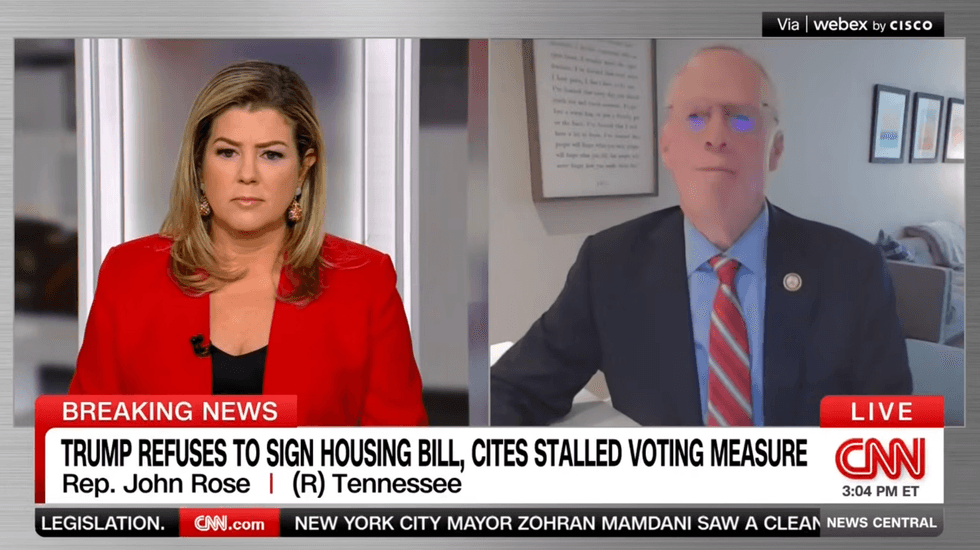
CNN anchor Brianna Keilar on Wednesday delivered a blunt fact check for a Republican defending President Donald Trump's plot to interfere with elections.Keilar was talking to Rep. John Rose (R-TN), one of the co-sponsors of the 21st Century ROAD to Housing Act, when the conversation got fiery over tensions within the GOP and Trump's refusal to sign the bill into law."He scrapped the signing of the bill as it was almost underway, because he wants this elections bill passed," Keilar said. "Why should this be held hostage to that?"Rose said he agreed with Trump that the Save America Act needs to be passed, despite its inability to get enough votes in the Senate."I don't know that I would say it's being held hostage, but I think the president is making that the Save America Act, which I very much support and you know the House has passed it now three times," Rose said. "I suspect we'll pass it again here. It needs to move on the Senate side."He tried to argue that Americans of both parties "overwhelmingly agree" that "we should safeguard our elections." But Keilar paused the Republican — and pushed back on his comments."Let me stop you there," Keilar said. "Republicans are not on board in the Senate on this. There's a division even in your party, on the Senate side of this."The anchor was born in Australia with dual citizenship and described why the Save Act could be complicated for other Americans with a similar background."Americans agree with voter ID. This is significantly more than a voter ID bill," Keilar added. "This is a bill that, when you register to vote, complicates mail registration, complicates online registration because it requires a birth certificate or a U.S. passport or a naturalization certificate, which is really difficult, I will tell you, as an American not born in America. That's something that would complicate things for people like me. This also relies on that voter roll database that has had these false negatives when it comes to finding people, as it urges states to verify voter eligibility using the federal verification."
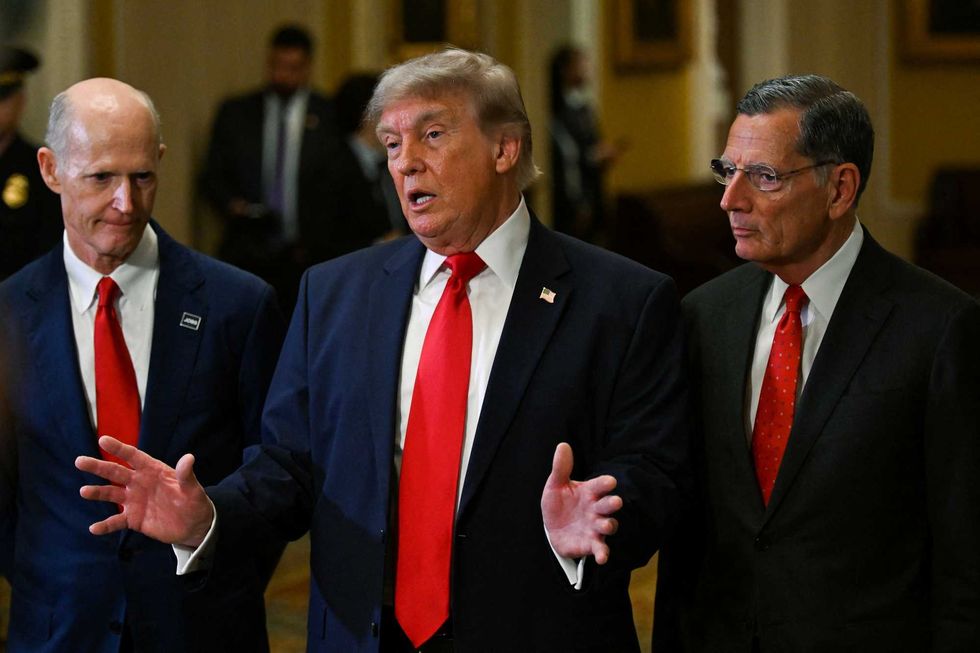
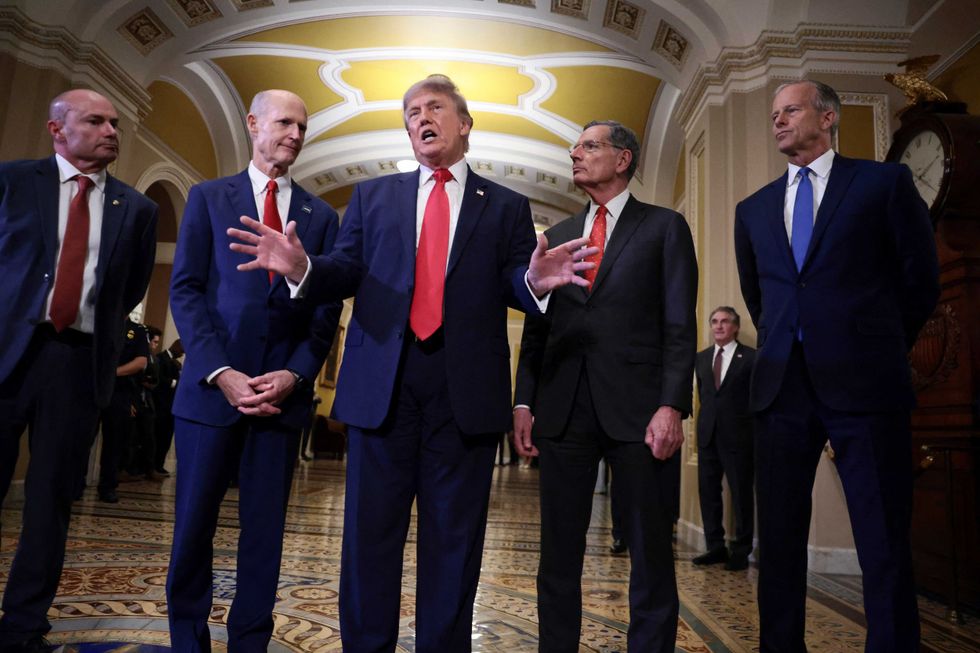
President Donald Trump took a swing at defiant Republicans following a reported clash between himself and a scorned GOP lawmaker.Trump was attending the Senate GOP lunch after refusing to sign a bipartisan housing bill and claiming he needed Republicans to back the Save America Act. During the event, Sen. Bill Cassidy (R-LA) apparently confronted Trump over the legislation and Iran war. Cassidy and Trump have had a contentious relationship, with Trump endorsing a GOP challenger who ousted Cassidy in his primary bid for re-election."I don't like a few people, but that's okay. I think you know who they are," Trump said after leaving the luncheon, where Republicans have voiced mounting frustration and tension within the party.Trump denied friction among party leaders."But for the most part, we have a really well unified party," Trump said.
Zo’s red wedding was small, but a bloodbath nonetheless.
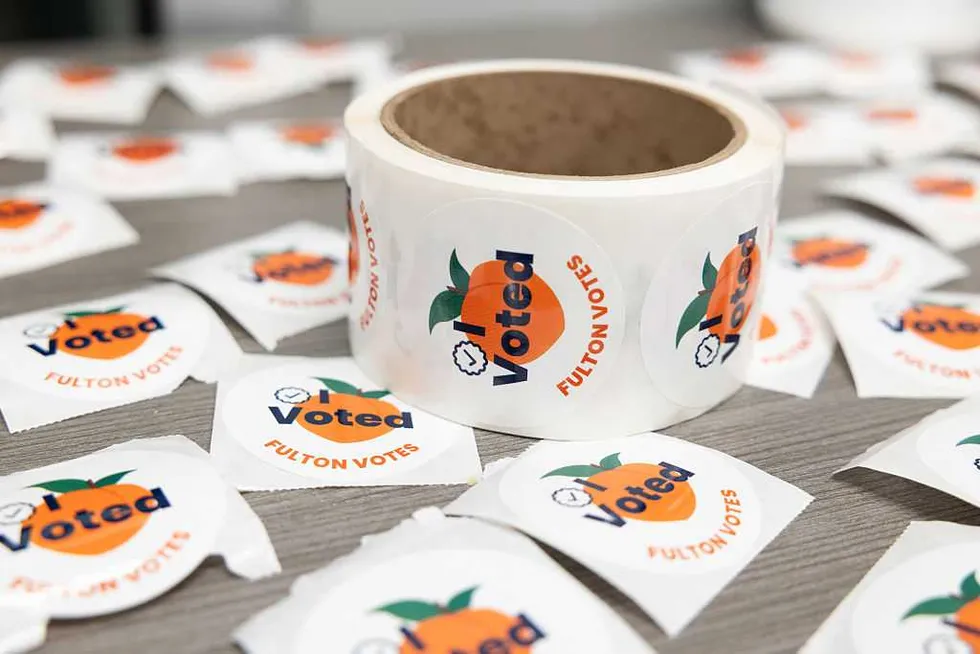
As an important deadline approaches for Georgia to fix problems with its election system, a special legislative session has come to a close. Yet the solution the legislature came to has left a potential flaw on the table for the upcoming midterms. Republican Gov. Brian Kemp called a special session last week to resolve a looming issue with the state's election system, which currently uses QR codes to tabulate election results. The QR code system was first implemented statewide in the 2020 election.According to the Georgia Recorder, a state law passed in 2024 banned the use of QR codes. The ban was set to take effect on July 1, resulting in an impending crisis for the 2026 midterms absent a solution this month. The QR code system was first implemented statewide in the 2020 election, according to WSPA.RELATED: 'Hammer Down!' Trump-backed favorite wins Georgia Republican Senate runoff Georgia Governor Brian KempDerek White/Getty Images for the Coca Cola CompanyWith just a week before the deadline, the special legislative session concluded with the successful passage of Senate Bill 3EX, which, among other things, postpones the looming deadline to find a replacement system until after the 2026 midterms.The new bill, if Gov. Kemp signs it, will establish a new Elections Equipment Specifications and Standards Committee charged with forming and implementing a system to replace the current system. However, the QR code system will remain in place.Blaze News reached out to Kemp's office for comment.This bill, which Republican state Rep. Victor Anderson told the Associated Press was "the culmination of a lot of work," is nonetheless "not the ultimate solution."“This bill solves an immediate conflict we have and lays out a path to achieve the most election integrity, the most accuracy, the most transparency that we can have going forward when we implement the next uniform voting system in Georgia," he said.Republicans and Democrats fought over the extent to which hand-counting ballots could be used in the future. Democrats often oppose hand-counts, citing the extended waiting periods and extra costs. “The question before us is not whether we support election integrity. Of course we do,” Democratic state Rep. Debra Bazemore told the AP. “The question is whether the bill actually improves election integrity or whether it creates a new opportunity to cast doubt on legitimate election results. I believe it does the latter.”CBS News reported that the Georgia Senate passed the state House-amended bill after a failed attempt at passing additional amendments in the upper chamber. The House passed the bill 94-79. The Senate eventually passed the bill 36-16. The committee would be required to present its findings by January 31, 2027. The new deadline for ending the current system would be January 1, 2028.Like Blaze News? Bypass the censors, sign up for our newsletters, and get stories like this direct to your inbox. Sign up here!
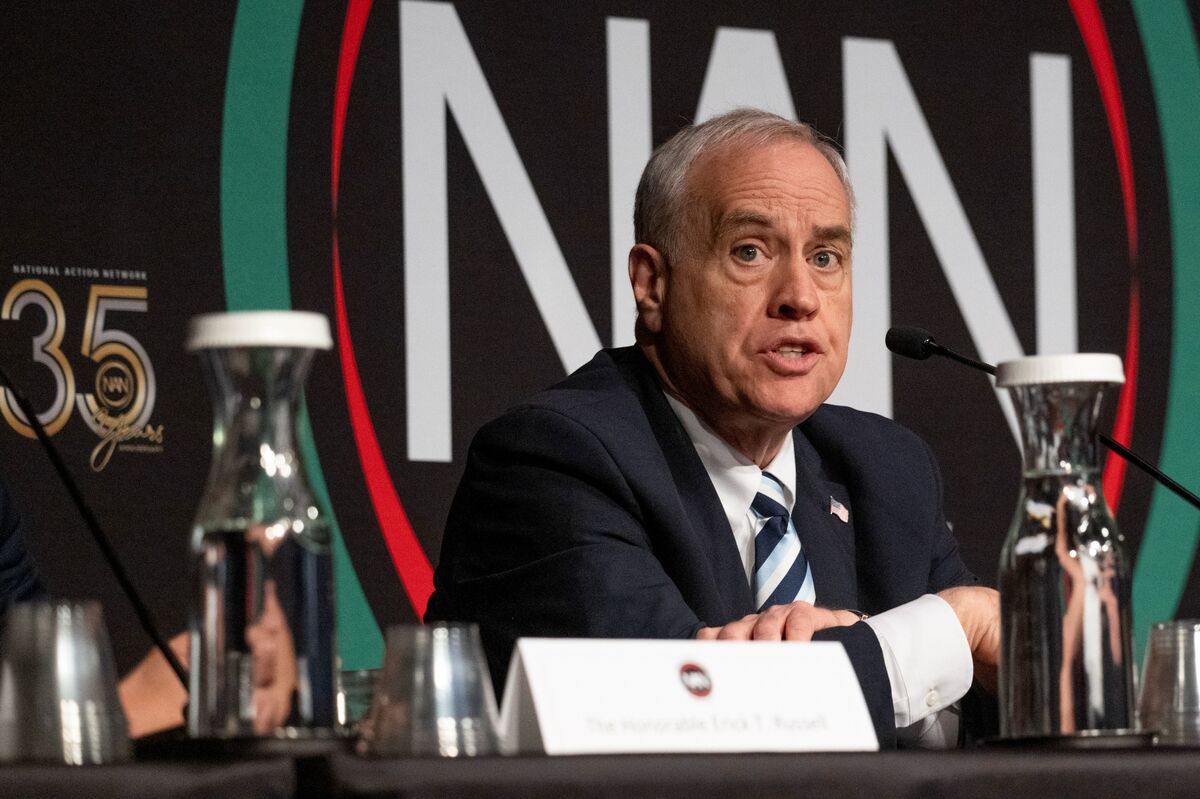
New York Comptroller Thomas DiNapoli secured an easy victory in his first primary challenge since 2007, according to a projection by Decision Desk HQ.
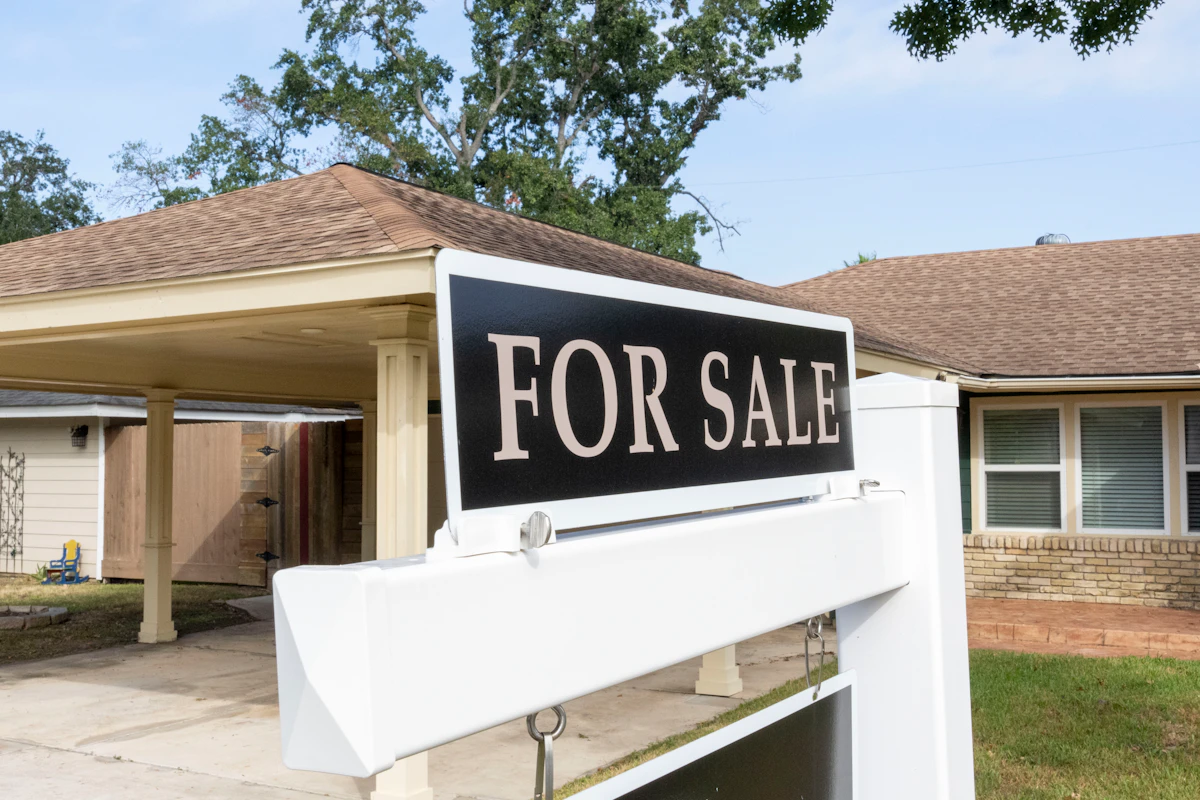
The national median price for a house is now three times higher than the median household income for Americans under 40—an obvious explanation for why nearly all young people say it’s harder for them to buy a home than it was for their parents.A study from the Pew Research Center released Wednesday shows home prices spiking tremendously in the beginning of the 2010s, and median home value rose 30 percent (from $269,600 to $350,000) from 2019 to 2024. This surge occurred at almost three times the pace of median income, which has risen very slowly.Pew also noted that a whopping 89 percent of Americans under 40 think their parents had an easier time buying property—and that 60 percent of metro areas in the U.S. were classified as “unaffordable.”This comes as President Trump canceled the signing of the 21st Century Road to Housing Act on Wednesday—the largest bipartisan housing affordability bill in decades—to pressure Republicans into passing his anti-voting rights SAVE America Act. The housing affordability crisis seems to be on everyone’s list of priorities except the president’s.