The left’s Cesar Chavez problem is much bigger than Cesar Chavez
Source: Blaze Media · Bias: Right
Summary
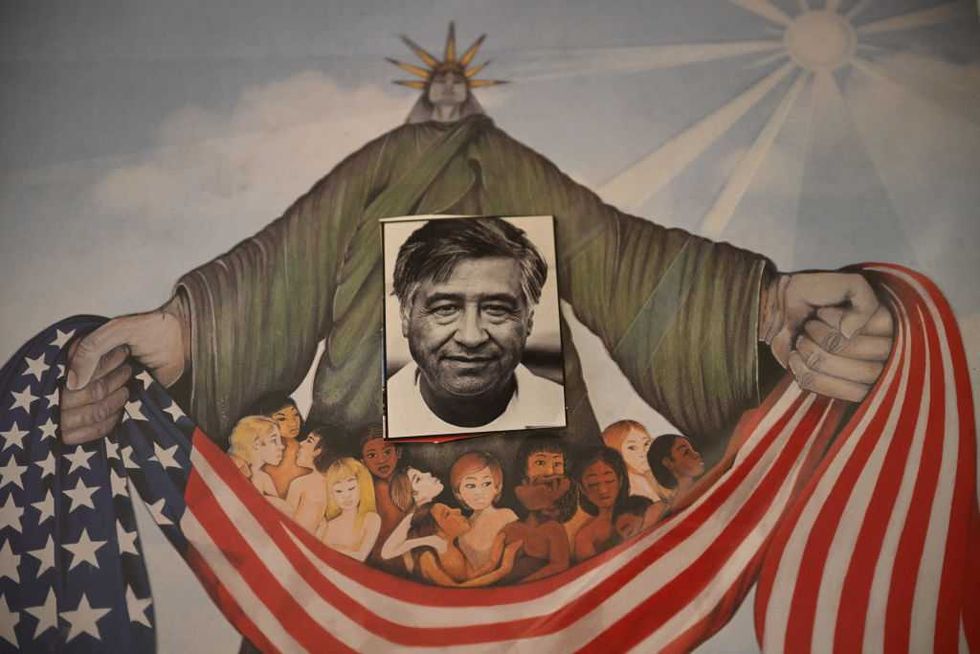
For decades, Cesar Chavez occupied near-canonical status in American universities. The United Farm Workers leader’s name adorned schools, his image filled lecture slides, and his story was told as secular hagiography: the humble labor leader who organized the oppressed, challenged exploitation, and embodied moral courage in the struggle for justice.Now that image is cracking.The reassessment of Chavez is not the end of something. It is the beginning of a broader reckoning.A blockbuster New York Times story this month detailed serious allegations of sexual misconduct, including deeply disturbing claims that, if true, must force a fundamental reassessment of Chavez. The question is not only whether the allegations are true, but why this reckoning arrived only now.What we are witnessing is not merely the fall of a man but the exposure of a pattern — one that reveals more about the moral framework of academic elites than about Chavez himself.The manufactured heroFor years, Chavez has been presented, especially in university settings, as a hero of the proletariat. Not always in explicitly Marxist terms, of course. The language is smoother than that. But the structure is unmistakable: Chavez as the labor leader who stood against capital, exposed exploitation, and mobilized collective struggle in the name of justice.Students are taught to see history as the story of structural oppression and economic conflict. Chavez became a usable symbol in that story. Because he served that function, his image was carefully curated.What is now becoming clear is that the darker aspects of Chavez’s life were not entirely unknown. Reports of infidelity, domineering leadership, and abuses of power were not buried in some inaccessible archive. They were part of the broader historical record.Silence around sinYet they were largely ignored.That is how leftist professors handle their heroes. The facts that do not serve the narrative get minimized, reframed, or omitted. This is the first lesson of the current moment: The moral concern of the DEI professoriat is not truth but rather usefulness to the cause.A figure is praised or condemned not by a consistent moral standard, but by whether he advances a political project. As long as Chavez could serve as a symbol of labor activism and anti-capitalist struggle, his sins remained background noise. Now that those sins threaten his usefulness, they have moved to the foreground.No new moral conscience has emerged on the left. What we’re seeing is pure calculation.RELATED: Labor group cancels Cesar Chavez events over 'profoundly shocking' new allegations Tony Korody/Sygma/Getty ImagesA narrow moral visionThe deeper problem goes beyond hypocrisy. The moral vision offered by Chavez’s academic admirers is radically narrow. It focuses almost entirely on one category of wrongdoing: economic injustice. Greed, real and serious as it is, gets elevated into the supreme moral concern. Entire departments and movements organize themselves around exposing and correcting it.But what about lust? What about pride? What about the abuse of power in personal life, not just economic systems?Those sins get treated as secondary or, worse, as distractions from the real work of social transformation. The result is a moral framework that is selective and shallow. It addresses external structures while neglecting the corruption of the human heart. Marxism 101 still teaches that if we revolt our way into a better system, we can somehow produce a better man.But a philosophy with no coherent account of sin cannot solve sin.From moralism to tyrannyThat failure has predictable consequences. If the problem lies mainly in external systems, then the solution must also be external: regulation, enforcement, and conformity. Behavior must be monitored. Speech must be controlled. Dissent must be suppressed.That is why academic environments that preach tolerance so often practice censorship. That is why calls for equity come paired with ideological compliance. Those who depart from the approved narrative do not get argued with. They get disciplined.Until we recover a full account of human nature, one that takes sin seriously and looks beyond man for its cure, we will repeat this cycle again and again.And that is why such movements, once they gain power, tilt toward tyranny. They do not govern by the standards of fairness they once demanded, because their moral framework never grounded those standards in the first place. It only deployed them when useful.The fall of Chavez is not an anomaly. It is a case study. A movement that cannot account for sin will eventually be undone by it. Robespierre gets guillotined every time.The deeper problemAt the heart of all this sits a basic misdiagnosis. Man’s greatest problem is not economic inequality. It is not structural oppression. It is not even political injustice, though all of those are real.
Related Coverage
- The Left's New Vision Is Running Into an Old Problem (Center Right — RealClearPolitics - Homepage)
- Socialist Surge: Far-left Democrats test national playbook after blue-city primary shocks (Right — Latest Political News on Fox News)
- Bad News for the 'Disgruntled' Left - Felony Indictment Dropped in D.C. for Damage to Reflecting Pool (Right — RedState)
- So much for Lakers’ big offseason … LA fans left with sinking feeling (Right — New York Post)
- How Much Is Trump’s Insane July 4 Fireworks Show Going to Cost? (Left — The New Republic)
- The court got party spending right. Foreign money is still the problem (Center Right — Washington Examiner)
- The days are hot, but so are the nights. That's a problem, experts say (Center — NPR Topics: News)
- Trump presidency reignites its founding debate - how much power is too much? (Center — BBC News)
More Headlines From March 26, 2026
- Scoop: Cabinet to huddle to talk midterm politics (Center Left)
- New: U.S. Senate Standalone SAVE America Act Vote on Voter ID at Polls Fails - Dems Said They Support It (Right)
- Trump weighs National Guard for airports as DHS stalemate continues (Center)
- As Trump sends more troops toward Iran, lawmakers want more answers (Center)
- Why House Democrats are waiting until mid-April to force an Iran war powers vote (Center Left)