The Fifth Amendment won’t save Fauci from himself

Source: Blaze Media · Bias: Right

Summary

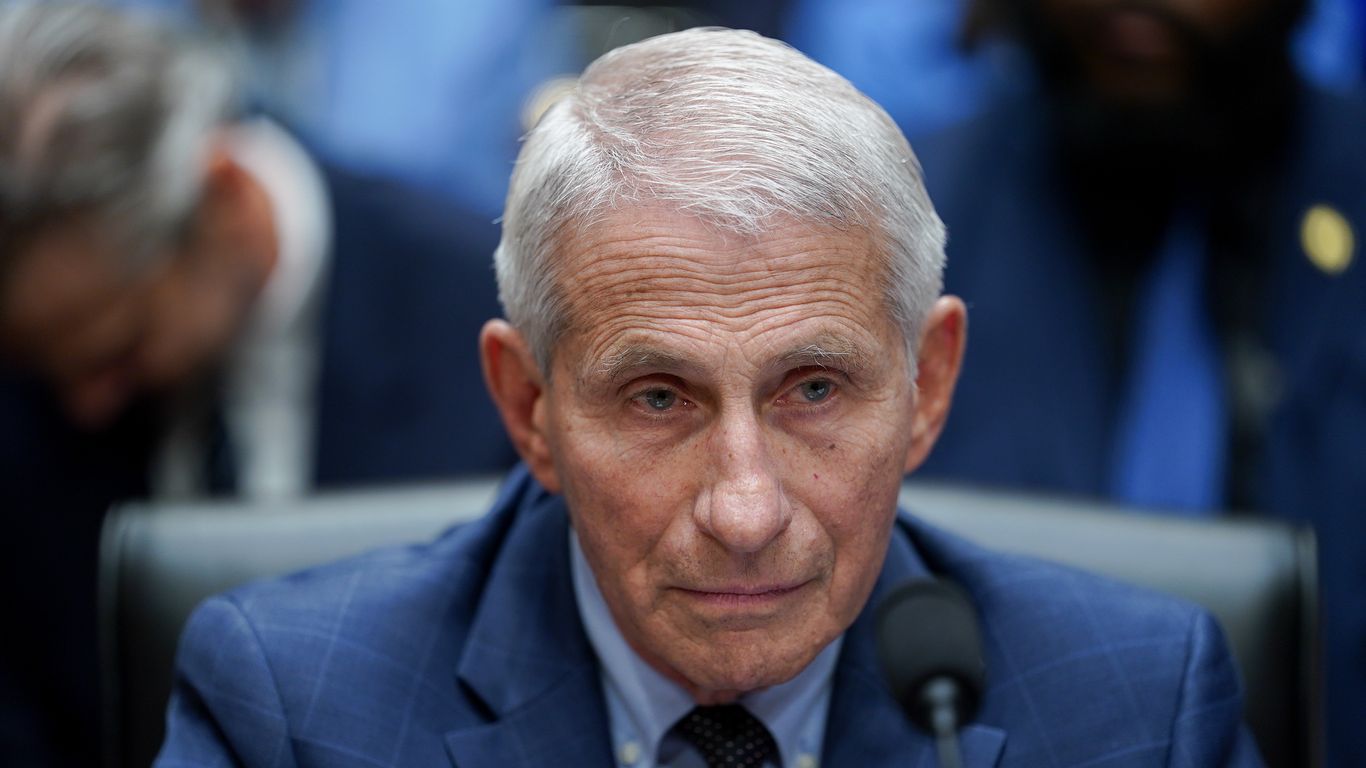
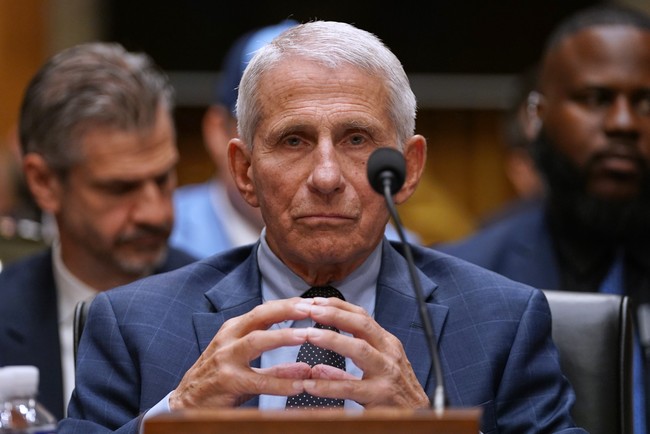
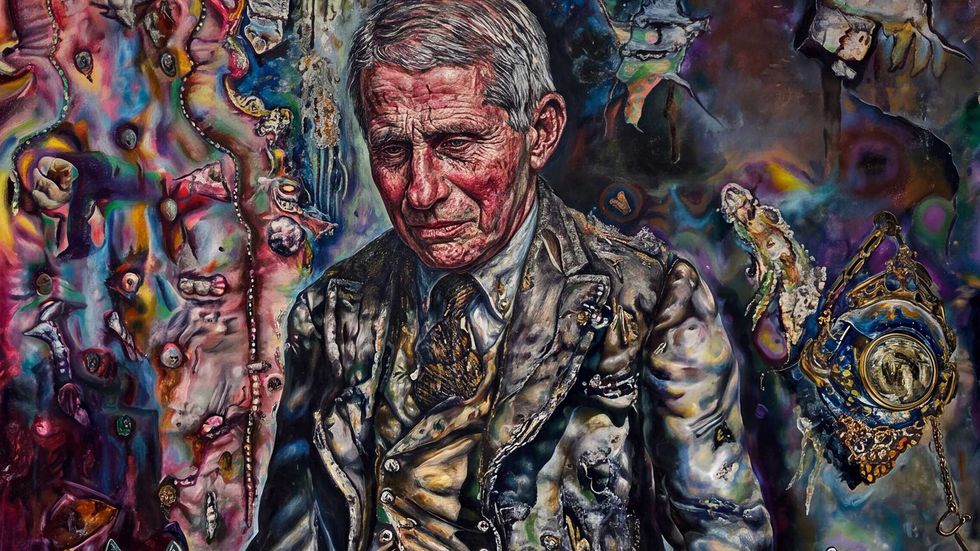
In “The Picture of Dorian Gray,” Oscar Wilde imagines a portrait that records the corruption its subject refuses to see in himself. Dorian hides the picture because its truth is unbearable. The concealment is physical, but the deeper act is spiritual: Self-deception protects him from self-knowledge.Anthony Fauci’s Wednesday appearance before the Senate Committee on Homeland Security and Governmental Affairs supplied a modern version of Wilde’s image. Fauci invoked the Fifth Amendment 111 times.The legal questions are serious. The philosophical question is more intimate: How does Fauci live with himself?The constitutional privilege against self-incrimination is fundamental. The government bears the burden of proving guilt. A witness need not assist the prosecution by supplying evidence against himself, and a jury ordinarily may not treat a criminal defendant’s silence as proof of guilt.But Fauci’s silence invites a question larger than criminal liability. What does a public official do when the legal right not to answer collides with the moral obligation to confront his own record?Sens. Rand Paul (R-Ky.) and Ted Cruz (R-Texas) have raised a narrower legal question. If President Biden’s pardon protects Fauci from prosecution for the conduct under examination, the basis for invoking the Fifth Amendment may be considerably weaker. Congress can also compel testimony after an appropriate grant of immunity. Those questions belong to lawyers and courts.Cruz, meanwhile, accused Fauci of showing “contempt for Congress and contempt for the American people.” He argued that Fauci’s diaries reveal private doubts about the “wet market” explanation for COVID-19 and private satisfaction over persuading Democrat officials to keep schools closed while publicly distancing himself from those decisions. The consequences for millions of children, Cruz said, will last a lifetime.Other controversies surrounding Fauci’s tenure at the National Institute of Allergy and Infectious Diseases deepen the moral inquiry. NIAID funded research using human fetal tissue derived from elective abortions, including projects intended to create “humanized” mice for disease research. The Trump administration later restricted NIH scientists from acquiring new fetal tissue. One widely discussed study involved grafting fetal scalp tissue onto mice. The study appeared in Scientific Reports in 2020.The legal questions are serious. The philosophical question is more intimate: How does Fauci live with himself?The answer may be that he does so by dividing himself. There is the public Fauci, who speaks with certainty and moral authority, and the private Fauci, whose diaries preserve doubts, calculations, resentments, and self-justifications.Self-deception tells a person that he has done nothing wrong. Self-justification supplies the explanation for everyone else. The first lie protects the conscience. The second protects the reputation.“Taking the Fifth” can therefore become more than a legal act. The constitutional privilege is legitimate. The existential temptation it symbolizes is not: the desire to avoid the truth because the truth would collapse the identity one has built.RELATED: ‘It’s past time’: Florida launches investigation into Fauci Tom Williams/CQ-Roll Call Inc./Getty ImagesA divided person does not merely conceal himself from others. Eventually, he loses the ability to recognize himself. Public statements serve one purpose, private reflections another, and the distance between them becomes a permanent feature of the soul.Why keep a diary at all? Even teenagers know that diary locks are flimsy and private pages may someday be read. The impulse to record what one cannot say publicly suggests that self-deception never quite succeeds. A person may hide the portrait, but he still returns to the attic.Fauci’s diary resembles a secular confessional. He did not confess to God or seek absolution from anyone beyond himself. He recorded his private account before the highest authority his worldview appears to recognize: Anthony Fauci.That arrangement offers no forgiveness because it requires no repentance. The same man supplies the accusation, the defense, the verdict, and the pardon.Wilde understood that self-deception cannot preserve the soul forever. The portrait keeps changing even when no one looks at it. The mind can suppress guilt, rename pride as duty, and call self-protection public service. But every evasion leaves another mark.At some point, only two paths remain. One leads through truth, repentance, and the surrender of the false self. The other leads deeper into silence, because every answer threatens the structure of excuses holding the person together.That is the existential Fifth: not the lawful refusal to incriminate oneself before the state, but the lifelong refusal to testify honestly before one’s own conscience.

Related Coverage

Daily Analysis

Read the full Parallax Pulse for July 30, 2026 — an AI-powered analysis of how Left and Right media covered the biggest stories this day.

More Headlines From July 30, 2026

The Fifth Amendment won’t save Fauci from himself
Blaze Media

The Fifth Amendment won’t save Fauci from himself

Right

In “The Picture of Dorian Gray,” Oscar Wilde imagines a portrait that records the corruption its subject refuses to see in himself. Dorian hides the picture because its truth is unbearable. The concealment is physical, but the deeper act is spiritual: Self-deception protects him from self-knowledge.Anthony Fauci’s Wednesday appearance before the Senate Committee on Homeland Security and Governmental Affairs supplied a modern version of Wilde’s image. Fauci invoked the Fifth Amendment 111 times.The legal questions are serious. The philosophical question is more intimate: How does Fauci live with himself?The constitutional privilege against self-incrimination is fundamental. The government bears the burden of proving guilt. A witness need not assist the prosecution by supplying evidence against himself, and a jury ordinarily may not treat a criminal defendant’s silence as proof of guilt.But Fauci’s silence invites a question larger than criminal liability. What does a public official do when the legal right not to answer collides with the moral obligation to confront his own record?Sens. Rand Paul (R-Ky.) and Ted Cruz (R-Texas) have raised a narrower legal question. If President Biden’s pardon protects Fauci from prosecution for the conduct under examination, the basis for invoking the Fifth Amendment may be considerably weaker. Congress can also compel testimony after an appropriate grant of immunity. Those questions belong to lawyers and courts.Cruz, meanwhile, accused Fauci of showing “contempt for Congress and contempt for the American people.” He argued that Fauci’s diaries reveal private doubts about the “wet market” explanation for COVID-19 and private satisfaction over persuading Democrat officials to keep schools closed while publicly distancing himself from those decisions. The consequences for millions of children, Cruz said, will last a lifetime.Other controversies surrounding Fauci’s tenure at the National Institute of Allergy and Infectious Diseases deepen the moral inquiry. NIAID funded research using human fetal tissue derived from elective abortions, including projects intended to create “humanized” mice for disease research. The Trump administration later restricted NIH scientists from acquiring new fetal tissue. One widely discussed study involved grafting fetal scalp tissue onto mice. The study appeared in Scientific Reports in 2020.The legal questions are serious. The philosophical question is more intimate: How does Fauci live with himself?The answer may be that he does so by dividing himself. There is the public Fauci, who speaks with certainty and moral authority, and the private Fauci, whose diaries preserve doubts, calculations, resentments, and self-justifications.Self-deception tells a person that he has done nothing wrong. Self-justification supplies the explanation for everyone else. The first lie protects the conscience. The second protects the reputation.“Taking the Fifth” can therefore become more than a legal act. The constitutional privilege is legitimate. The existential temptation it symbolizes is not: the desire to avoid the truth because the truth would collapse the identity one has built.RELATED: ‘It’s past time’: Florida launches investigation into Fauci Tom Williams/CQ-Roll Call Inc./Getty ImagesA divided person does not merely conceal himself from others. Eventually, he loses the ability to recognize himself. Public statements serve one purpose, private reflections another, and the distance between them becomes a permanent feature of the soul.Why keep a diary at all? Even teenagers know that diary locks are flimsy and private pages may someday be read. The impulse to record what one cannot say publicly suggests that self-deception never quite succeeds. A person may hide the portrait, but he still returns to the attic.Fauci’s diary resembles a secular confessional. He did not confess to God or seek absolution from anyone beyond himself. He recorded his private account before the highest authority his worldview appears to recognize: Anthony Fauci.That arrangement offers no forgiveness because it requires no repentance. The same man supplies the accusation, the defense, the verdict, and the pardon.Wilde understood that self-deception cannot preserve the soul forever. The portrait keeps changing even when no one looks at it. The mind can suppress guilt, rename pride as duty, and call self-protection public service. But every evasion leaves another mark.At some point, only two paths remain. One leads through truth, repentance, and the surrender of the false self. The other leads deeper into silence, because every answer threatens the structure of excuses holding the person together.That is the existential Fifth: not the lawful refusal to incriminate oneself before the state, but the lifelong refusal to testify honestly before one’s own conscience.