Trump could be liable for 'creative crimes' due to his IRS deal: law professor
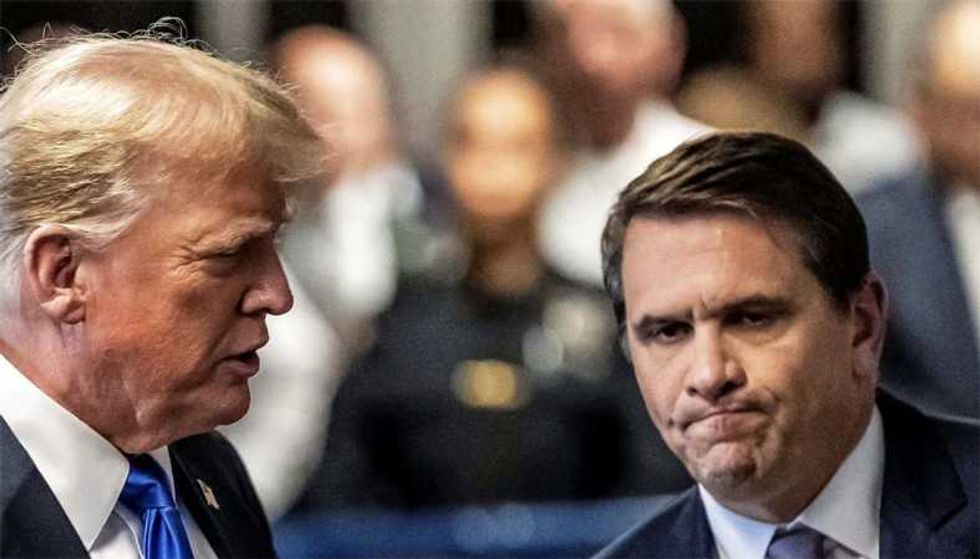
A controversial agreement granting Donald Trump immunity from IRS audits may ultimately prove worthless, according to University of Baltimore School of Law Professor Kim Wehle, who argues in a new column that it may not stand up to legal scrutiny under what are called "creative crimes."As part of a settlement with Trump over a leaked tax return lawsuit, acting Attorney General Todd Blanche signed off on an addendum granting the president sweeping tax protections. The IRS agreed to drop all pending audits of Trump — potentially saving him an estimated $100 million in liability — and the one-page document declared the U.S. government is "forever barred and precluded" from examining or prosecuting Trump, his sons, and the Trump Organization's tax filings.Writing for The Hill, Wehle's core argument is simple: Trump had no legal authority to grant himself this immunity in the first place. "The whole thing is bogus, so any attempt to use it as a valid legal defense is bogus, too," she wrote.Wehle pointed to Supreme Court precedent suggesting future courts may be willing to invalidate the deal. In July 2024, the Court granted Trump criminal immunity for official acts but explicitly stated that former presidents can still be prosecuted for crimes involving unofficial acts — a category that could theoretically include actions taken to minimize personal tax liability.While "Trump is operating as if he is above the law, there is room for future courts to find liability for 'creative crimes' he commits while in the White House," she elaborated.Even during Trump's first term, when he had a "friendly majority" on the Supreme Court, the justices refused to shield his personal accounting firm from turning over tax returns to congressional committees, the law professor wrote, noting that in 2022 the Court refused to block disclosure of Trump's tax returns and financial records to the House Ways and Means Committee.The critical question, according to Wehle, is not whether Trump currently possesses the constitutional authority to grant himself immunity — he doesn't she maintained — but whether future voters will elect an administration willing to challenge the addendum.If that happens, a future DOJ could argue that the agreement is legally void because Trump lacked authority to execute it. "The government would argue that the addendum should be given no weight because Trump had no legal authority to grant himself such immunity in the first place," Wehle explained.Trump's defense team would inevitably seek to invoke the addendum as a legal shield, but that defense would rest on a fundamentally flawed legal foundation. The deal represents Trump attempting to immunize himself unilaterally — an act that legal scholars argue exceeds presidential authority and could be dismantled by future courts or administrations, Wehle suggested.