Reason.com
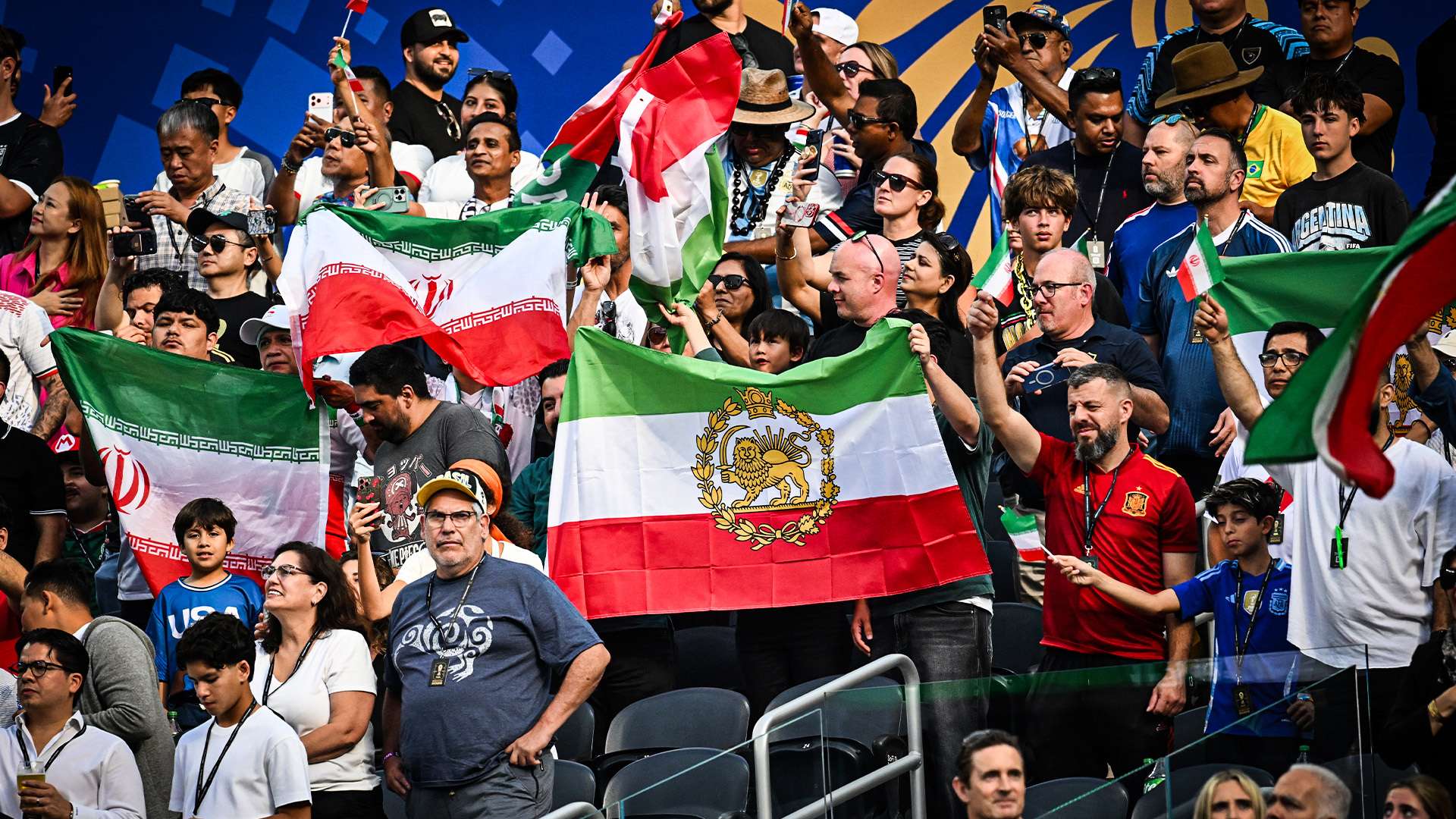
You Can Root for Iran at the World Cup Without Rooting for the Iranian Regime
Plus: the worst rule at the World Cup, and the worst person in golf?
Center Right

Adam Schein welcomes USMNT legend Eric Wynalda to the show for an in-depth conversation about the state of American soccer, the U.S. Men’s National Team, and the 2026 FIFA World Cup. Wynalda shares his thoughts on the team’s performances, key players to watch, and what it will take for the United States to make a...
Plus: the worst rule at the World Cup, and the worst person in golf?

If Boston can trust adults to “sip and stroll” during the World Cup, it can trust them all year round.

The 2026 World Cup is heading toward the Round of 32.
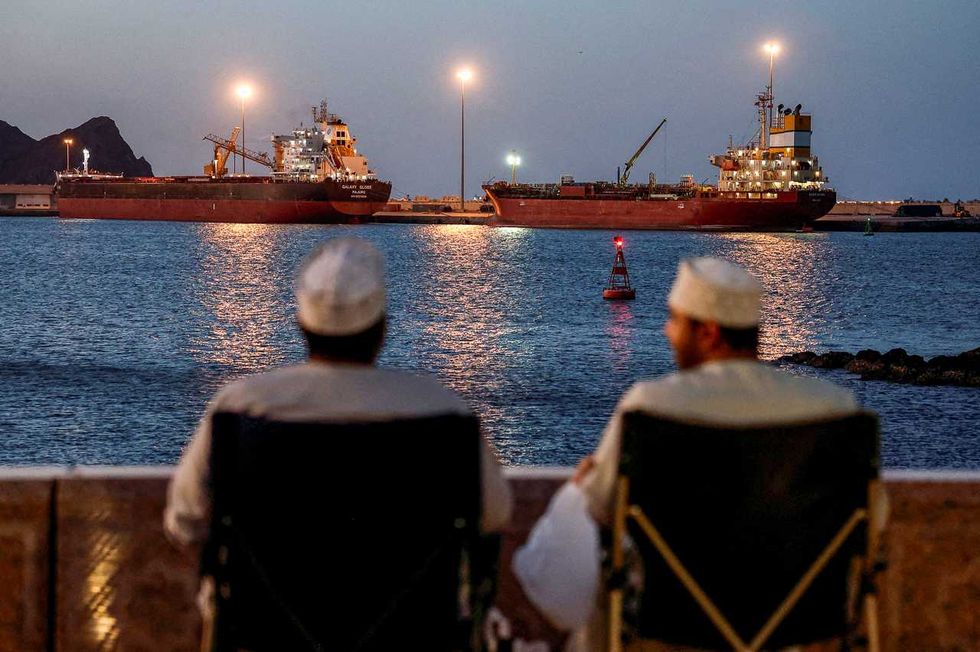
Iran is moving unilaterally to tighten its grip on the Strait of Hormuz — and to start collecting revenue from it – even as it negotiates with the U.S. and its Gulf neighbors over future management of the waterway.Iran's top insurance regulator, Mousa Rezaei, announced Sunday that a new insurance company has been created specifically for the strait, according to Iranian state media, and days earlier, the Persian Gulf Strait Authority — an entity Iran established in May — began requiring vessels to register and carry a new mandatory Iranian insurance policy, reported the New York Times.For now, that coverage is free, but shipping experts say the 60-day free period is telling. That matches the length of the cease-fire and free-passage guarantees in last week's U.S.-Iran memorandum of understanding ending the war and reopening the strait.Once that window closes, maritime historian Salvatore Mercogliano said, Iran could begin charging vessels for "insurance" against risks — attacks, detained mariners — that didn't exist before Iran itself created them by striking commercial ships earlier this year.Richard Meade, editor of Lloyd's List, called the arrangement effectively a toll by another name, designed to get ahead of the broader negotiations over the strait's security framework that Vice President JD Vance said are still to come.International law generally bars charging tolls for mere passage through a strait, though fees for actual services — like tugging waste disposal — can be legitimate. Iran has not specified what services its new insurance would provide, and the International Maritime Organization said the scheme has not been submitted to it and carries no basis in international law allowing mandatory fees or tolls.The maneuver also creates a trap for shippers. The U.S. Treasury sanctioned the Persian Gulf Strait Authority in May, accusing Iran of trying to monetize attacks on vessels through extortion, and has warned that paying the authority could itself trigger sanctions — leaving companies caught between Iranian demands and U.S. enforcement.The result, Meade said, is that shippers remain stuck in limbo, unable to return to how transit worked before the war and unable to know what rules will govern it next. The Persian Gulf Strait Authority did not respond to a request for comment by the outlet.
My new favorite show is video after video from World Cup tourists who are in awe of America. The 2026 World Cup has become a global love fest for the US — at a time when the rest of the world has plenty of reasons to dislike us. A World Cup hosted by the United States […]
This story was originally published by Grist and is reproduced here as part of the Climate Desk collaboration. When the United States took the pitch against Australia last week, millions of soccer fans tuned in. Anyone who hadn’t watched a match since the last World Cup might have noticed something new: players stopping midway through each half to drink some […]

Marco Rubio set to defend Iran deal to Gulf allies amid skepticism.
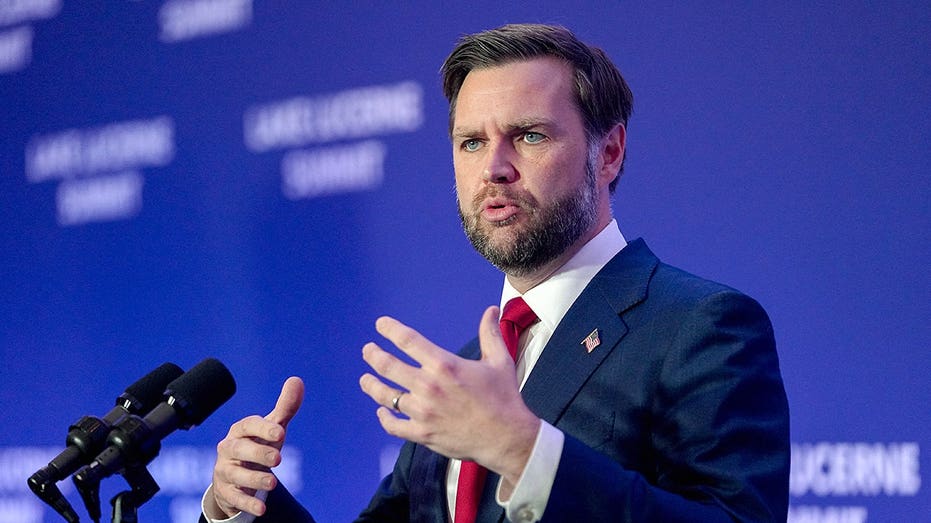
U.S. official says VP JD Vance made great progress in U.S.-Iran peace talks in Switzerland, calling snub reports foreign propaganda from Iran media.