Bloomberg Politics
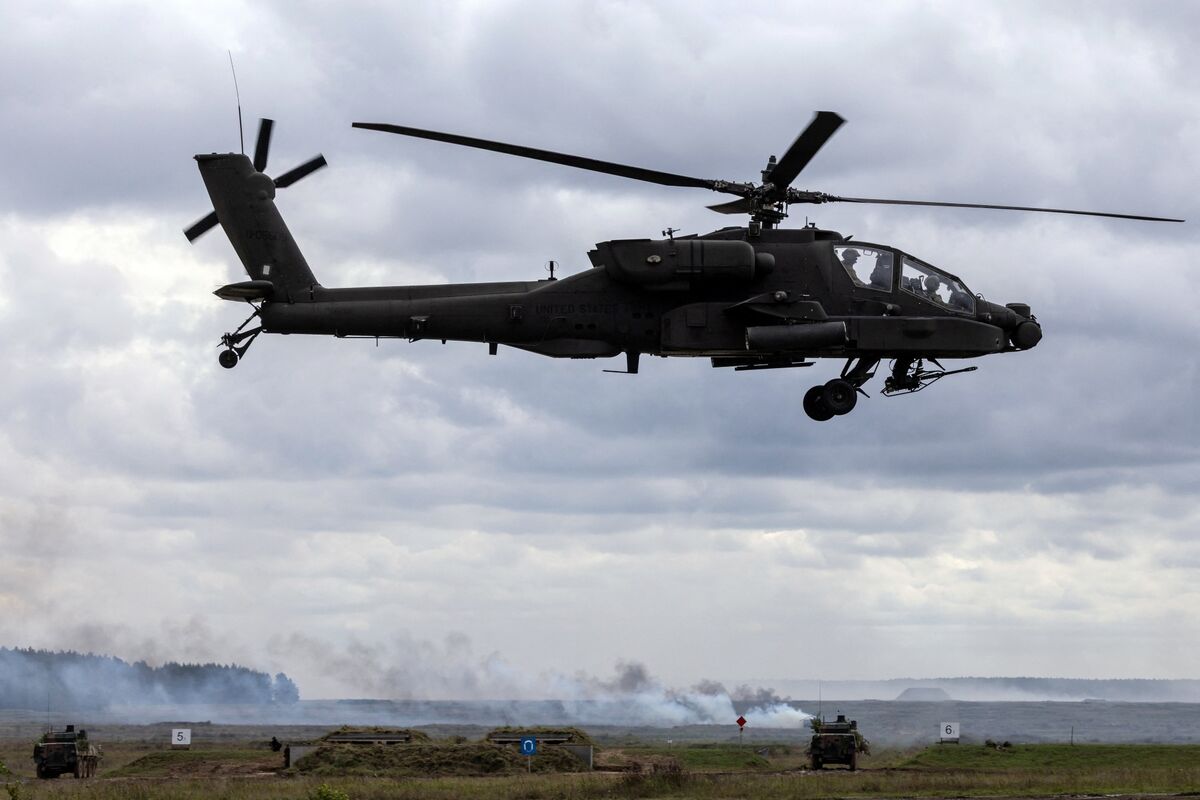
US, Iran Attack Each Other Over Apache Downed Near Hormuz Strait
The US and Iran exchanged strikes overnight after President Donald Trump retaliated against Tehran for shooting down an American Apache helicopter.
Center

Neither hands-on regime change like Iraq nor hands-off regime change like Venezuela will work. There is a third way.
The US and Iran exchanged strikes overnight after President Donald Trump retaliated against Tehran for shooting down an American Apache helicopter.
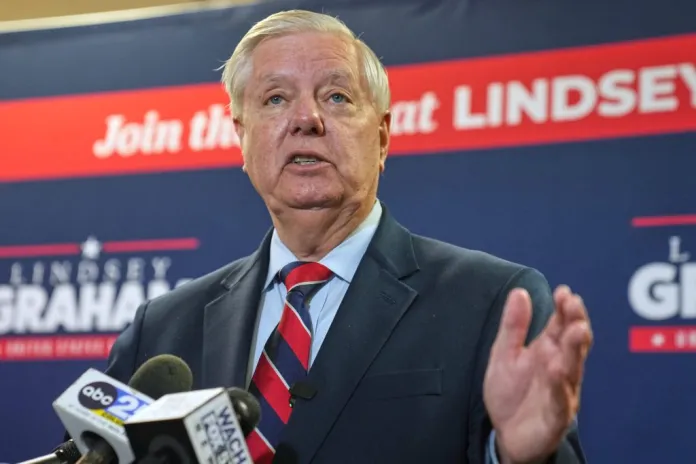
Sen. Lindsey Graham (R-SC) won the Republican nomination to represent South Carolina for another term in the U.S. Senate on Tuesday. Graham led his primary challenger, businessman Mark Lynch, 58.4% to 27.6% when the Associated Press called the race with 60% of the vote counted. First elected in 2002, Graham is the chairman of the […]
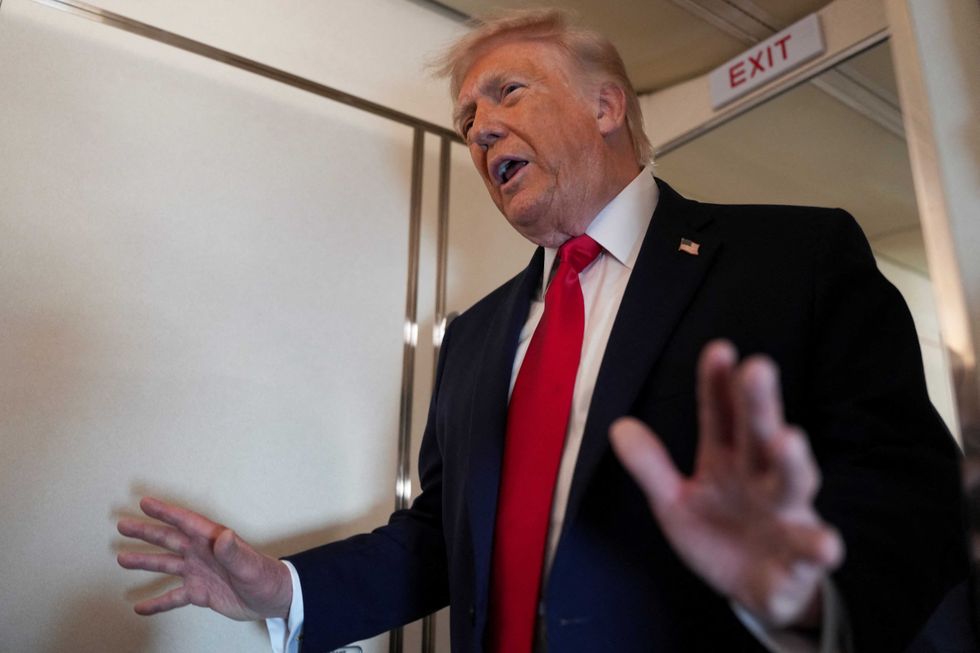
President Donald Trump's administration is moving to respond after Iran downed a U.S. Army Apache helicopter, with the official X account for the U.S. Central Command proclaiming that they "began launching self-defense strikes against Iran at 5 p.m. ET today at the Commander in Chief’s direction," as "a proportional response to unjustified Iranian aggression."But the use of the word "proportional" infuriated a number of right-wing war hawks who believe the U.S. shouldn't just settle for "proportional" — and they made themselves heard loud and clear on social media."As President Trump once said, if you take an ounce of American blood, he will take a gallon of yours," wrote former George W. Bush White House Press Secretary Ari Fleischer. "If they shoot down one helicopter, the response should not be 'proportional'. It should be so overwhelming that they never shoot at another American helicopter again.""'Defensive strikes,' but not a 'response.' Weak [expletive]," wrote Jennifer Sloan Rachmuth, a former Republican campaign manager in North Carolina who was once arrested for following around a woman in Palestinian headdress."Proportional is unacceptable. We need to finish them!" wrote right-wing commentator Marc Thiessen."Hopefully we used a proportional nuke," wrote podcaster Matt Tardio."'Proportional.' Overwhelming response preferred," wrote NewsNation's Katie Pavlich.

"Balance of Power: Late Edition" focuses on the intersection of politics and global business. On today's show, Retired Rear Admiral Mark Montgomery, Senior Fellow at the Foundation for Defense of Democracies, says any US response after President Trump said Iran shot down an American Apache helicopter near the Strait of Hormuz should target military sites tied to the attack and avoid economic targets that could escalate the conflict. Federal Deposit Insurance Corporation Chairman Travis Hill says he "fully" disagrees with Federal Reserve Governor Michael Barr's warning that recent regulatory changes could weaken bank safety and soundness, arguing regulators are trying to focus examiners on material financial risks while keeping the banking system balanced and resilient. (Source: Bloomberg)

The escalation in violence deepens doubts about the prospects for a deal to end the war that started on February 28 with joint US-Israeli strikes against Iran.

The U.S. military says multiple rounds of retaliatory strikes which targeted air defense and radar sites are now complete. NBC News’ Matt Bradley explains how the downing of an Apache helicopter by an Iranian drone provoked the return fire.

The US Military launched strikes against Iran after the downing of an Apache helicopter. The post DEVELOPING: US Military Launches Self-Defense Strikes Against Iran After Downing of Apache Helicopter appeared first on The Gateway Pundit.

On the early edition of Balance of Power, Bloomberg Washington Correspondents Joe Mathieu and Kailey Leinz discuss the latest from the Trump Administration. On today's show, IBM CEO Arvind Krishna, former Acting White House Chief of Staff Mick Mulvaney, Stonecourt Capital Partner Rick Davis and Harvard Kennedy School Ash Center Visiting Democracy Fellow Jeanne Sheehan Zaino. (Source: Bloomberg)