Reason.com
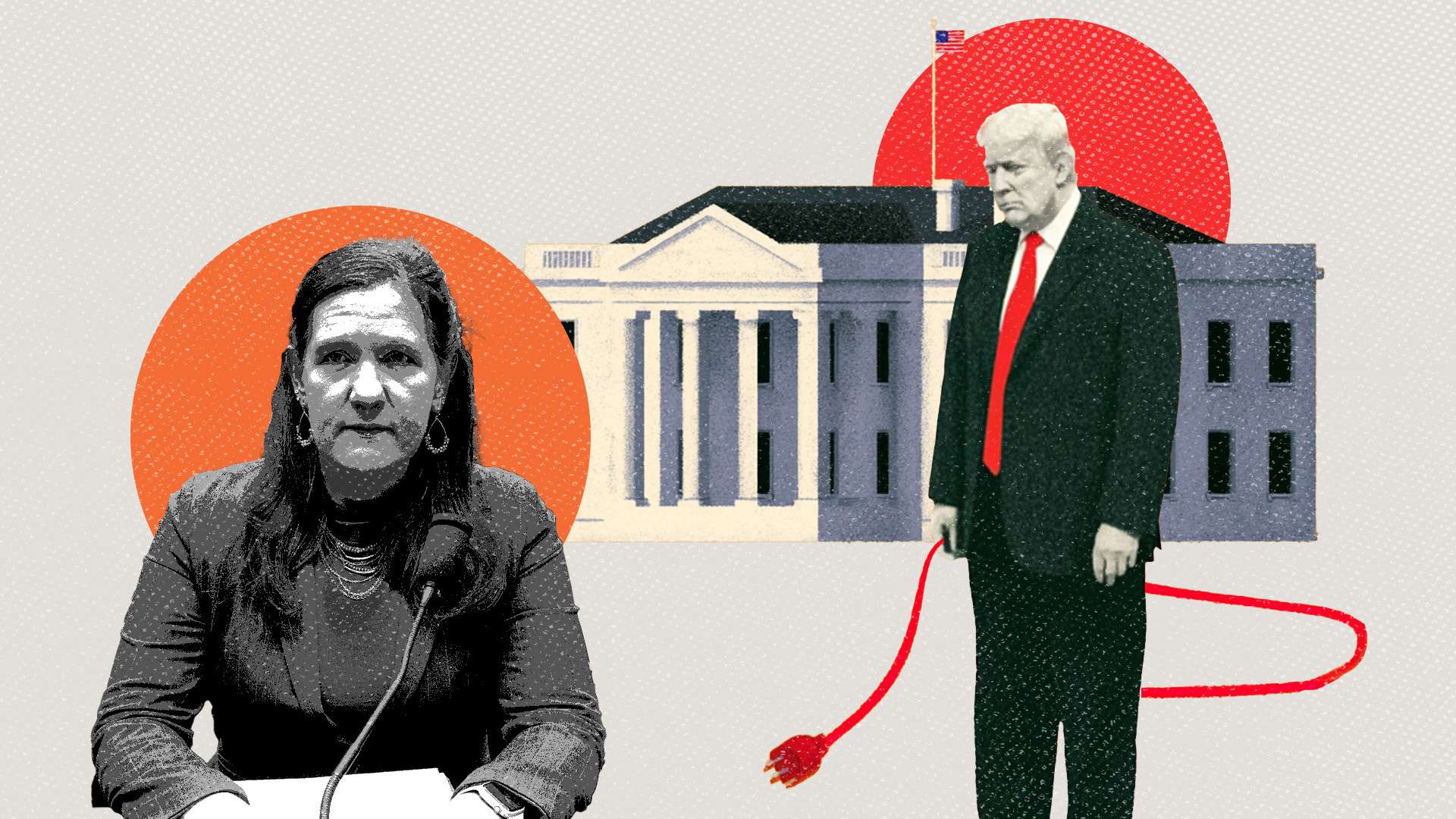
Gorsuch Warns About Executive Overreach While Expanding Trump's Power
The Supreme Court extended presidential control over federal agencies. What could go wrong?
Center Right

It has been historically open because the regime in Tehran understood that America would not tolerate Iranian restrictions.
The Supreme Court extended presidential control over federal agencies. What could go wrong?

'Will American voters learn in time to prevent what these people intend for this country?'

Iran allegedly attacked commercial shipping in the Strait of Hormuz to counter a new southern corridor developed by the U.S. and Oman, analysts say.

The Supreme Court just took "one more big step toward autocracy," Slate legal writer Mark Joseph Stern argued Monday, and he warned Congress was left in the rubble.Stern wrote that the court's two same-day rulings on presidential firing power are "almost comically irreconcilable." In Trump v. Slaughter, the 6-3 conservative majority overturned Humphrey's Executor, a unanimous 91-year-old precedent, and held the president can fire the heads of independent agencies at will, clearing President Donald Trump's removal of Democratic FTC Commissioner Rebecca Slaughter.Yet in Trump v. Cook, the same chief justice led a 5-4 ruling shielding the Federal Reserve and blocking Trump from ousting board member Lisa Cook. Roberts, Stern wrote, "barely bothered" to explain the contradiction."On what basis could Roberts and Kavanaugh possibly allow Trump to purge Democratic appointees from the rest of the administrative state while zealously protecting members of the Fed?" asked an indignant Stern.The Slaughter ruling, he said, strips independence from agencies overseeing nuclear energy, consumer safety, unions and much of the economy, handing Trump sweeping control. He called the impact "gobsmacking."The biggest winner, he argued, is the court itself, which now gets to rewrite the rules of American governance and bend them toward outcomes it prefers.Stern pointed to fallout already unfolding, including Trump pushing out a postmaster general who balked at his demands and installing one who, Stern wrote, agreed to withhold mail ballots in blue states — part of an effort a federal judge has blocked.In her dissent, Justice Sonia Sotomayor said the majority had distorted the structure of government to fit a theory of "unitary, total executive control.""It is tempting to say that the biggest loser is Congress, which just saw its express authority to structure the executive branch nuked from orbit. And certainly, the legislative branch just suffered a massive blow," he said.But the real casualties, he argued, are Americans who would rather live in a democracy than the autocracy he claimed the court is building.His closing question: how many more hits before it all comes "crashing down"?The rulings landed the same day the court rejected an RNC bid to toss late-arriving mail ballots.

Melat Kiros is one of many primary candidates backed by the Democratic Socialists of America.
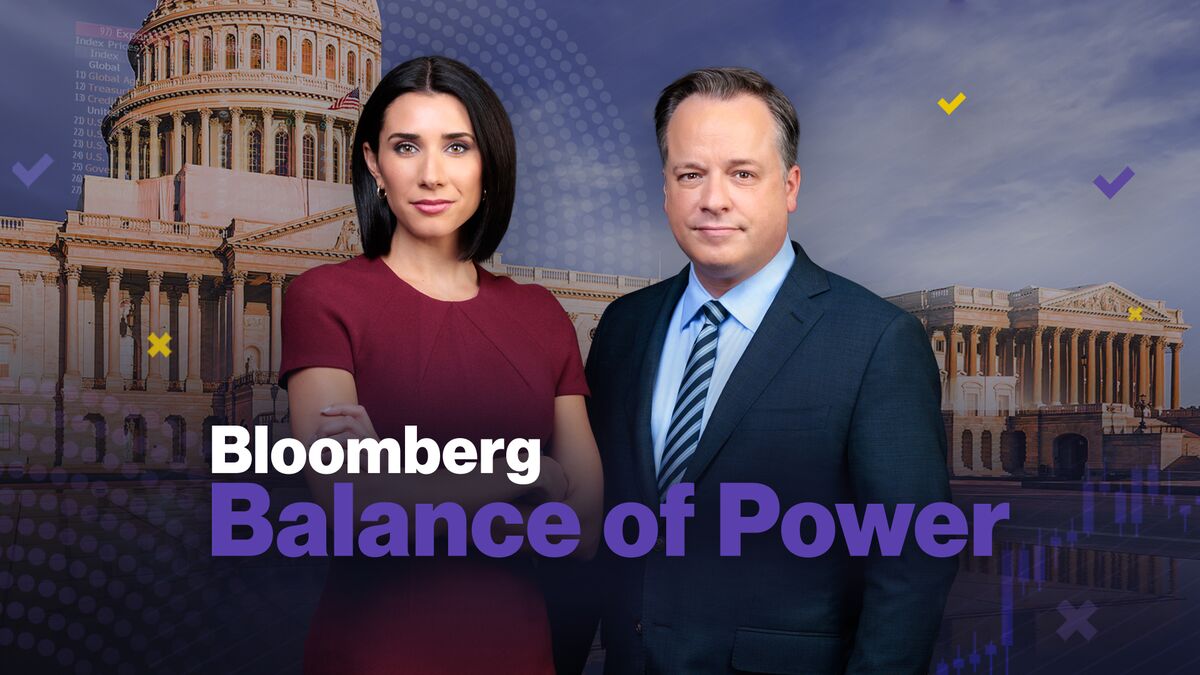
"Balance of Power: Late Edition" focuses on the intersection of politics and global business. On today's show, Natasha Sarin, Professor and Co-Founder of the Budget Lab at Yale University, and Jessica Roth, Professor at Cardozo Law School and a former federal prosecutor for the Southern District of New York, discuss the Supreme Court's rulings on President Trump's ability to fire agency heads and whether Lisa Cook can remain in her job at the Federal Reserve. Steven Cook, Senior Fellow at the Council on Foreign Relations, says the US and Iran remain far apart on key issues - particularly, the Strait of Hormuz and Tehran’s nuclear program. (Source: Bloomberg)

The Trump v Slaughter decision allows the president further influence over agencies Congress itself createdWhat is Congress for? According to the supreme court, not very much. On Monday, the supreme court overturned Humphrey’s Executor, a 91-year-old precedent, nullified the Federal Trade Commission Act, a 112-year-old law, and presumed to settle a 250-year-old debate on the scope of presidential authority when it reapportioned power away from the people’s representatives in the House and Senate and gave it instead to Donald Trump. In Trump v Slaughter, the court ruled that that the heads of independent agencies that Congress created cannot be protected from arbitrary firings by laws that Congress passed. Instead, Donald Trump is now free to fire agency heads at will and to replace them with political loyalists, regardless of what Congress has said about it.The ruling has one key exception: Donald Trump does not, according to the justices, have the ability to fire members of the board of governors of the Federal Reserve without cause and without proper procedure. A separate decision found for Lisa Cook, the Joe Biden appointee who was the first Black woman to serve on the Federal Reserve’s Board of Governors, and who was fired via social media post by Donald Trump last year. In addition to Cook’s job, the decision protects the independence of the Federal Reserve and the health of financial markets, to say nothing of the considerable personal wealth of the justices themselves.Moira Donegan is a Guardian US columnist Continue reading...
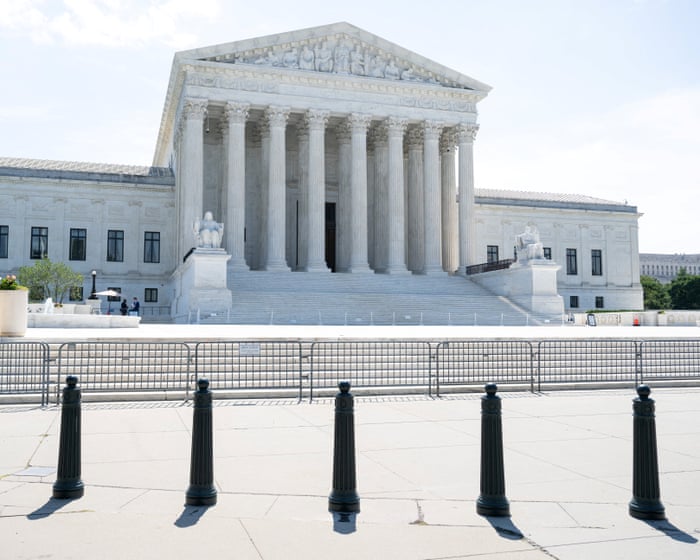
Anger grows over Monday’s ruling over Trump’s power to fire agency heads as court due to rule on president’s desire to withhold citizenship from those born in USSign up for the Breaking News US emailAfter a series of blockbuster rulings, the supreme court is set to make a decision today on another major legal battle which could have national ramifications, this time on LGBTQ+ rights.Guardian reporter Sam Levin did a deep-dive back in January on the cases the supreme court is considering on the participation of trans girls in school sports, and the potential consequences of the court’s decision. Here’s what he’s had to say: The court is hearing oral arguments in two cases brought by trans students who challenged Republican-backed laws in West Virginia and Idaho prohibiting trans girls from participating in girls’ athletic programs. Continue reading...