Supreme Court upholds FCC’s ability to penalize AT&T and Verizon
Center Right
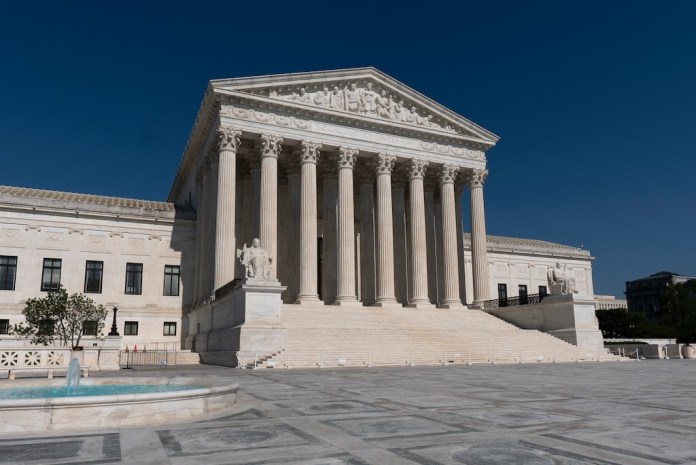
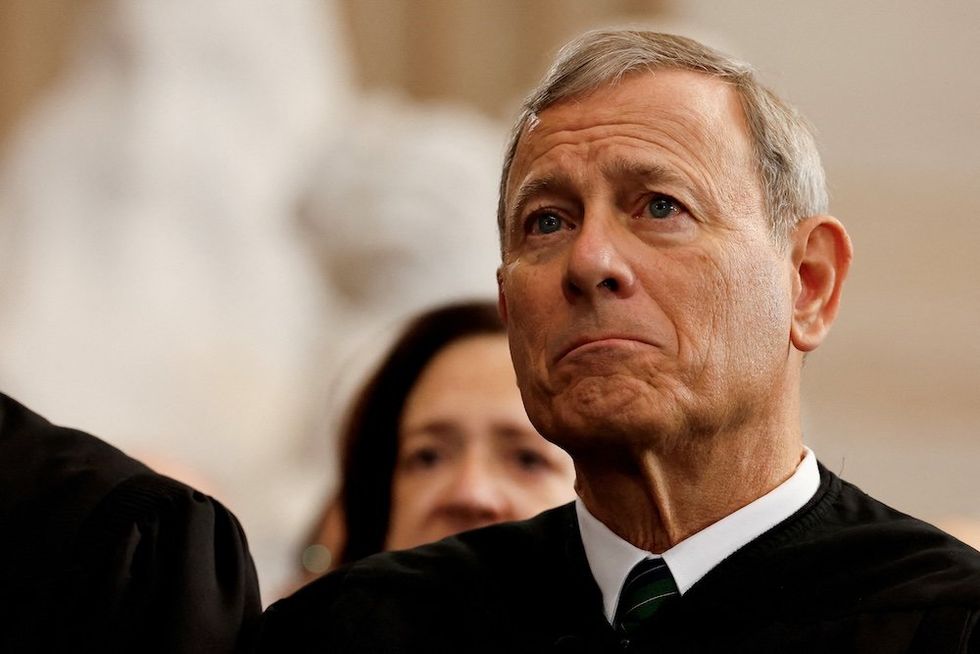
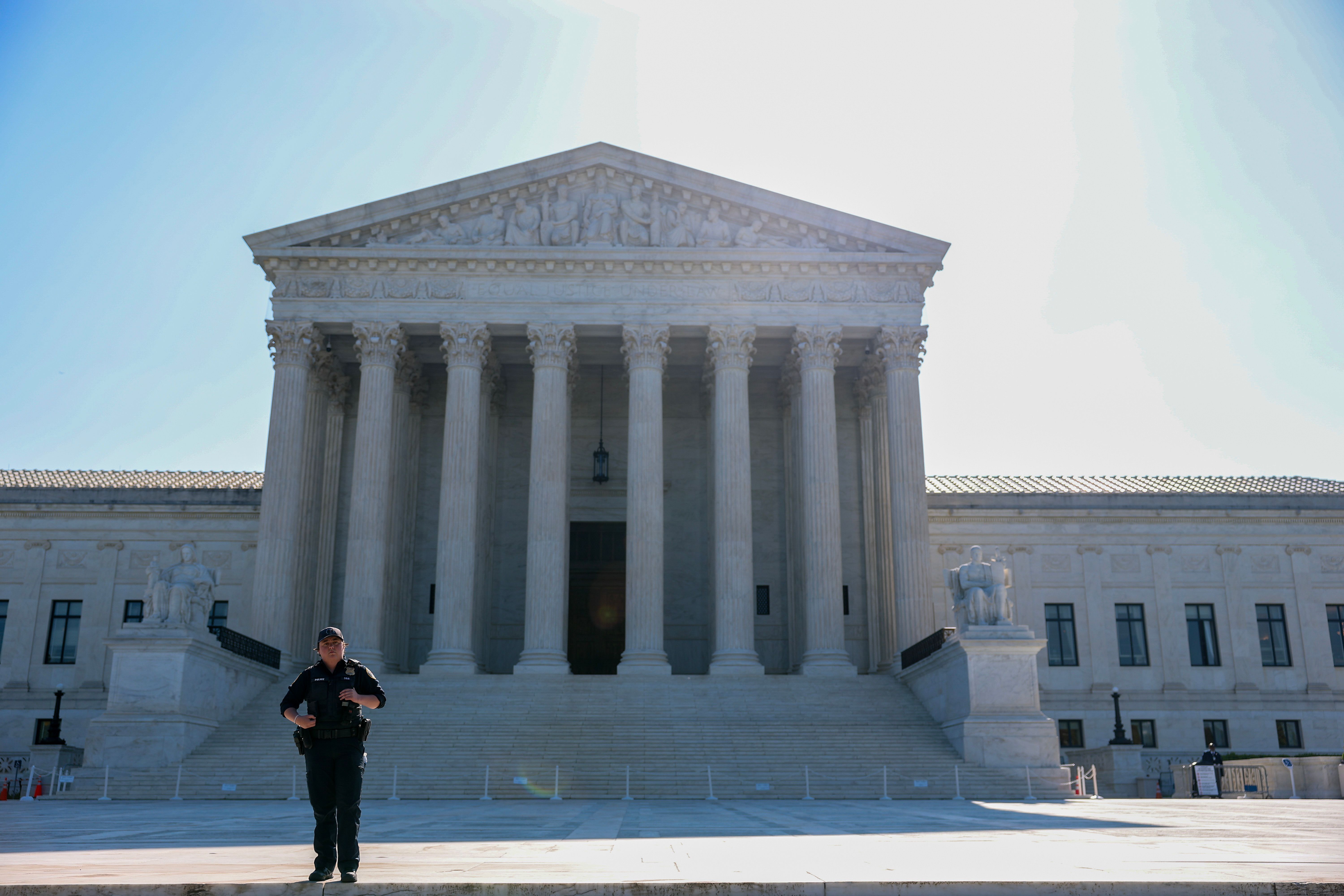
The Supreme Court handed the Federal Communications Commission a victory on Thursday, upholding its ability to penalize telecommunications companies by finding that its scheme for levying fines is constitutional. The high court ruled 8-1 in favor of the federal agency in the consolidated cases FCC v. AT&T and Verizon Communications v. FCC. Chief Justice John Roberts penned the […]
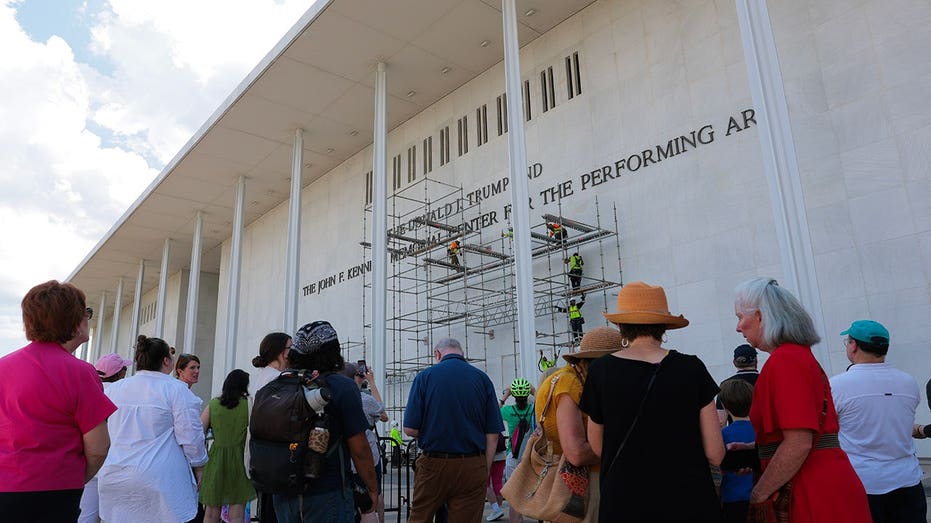
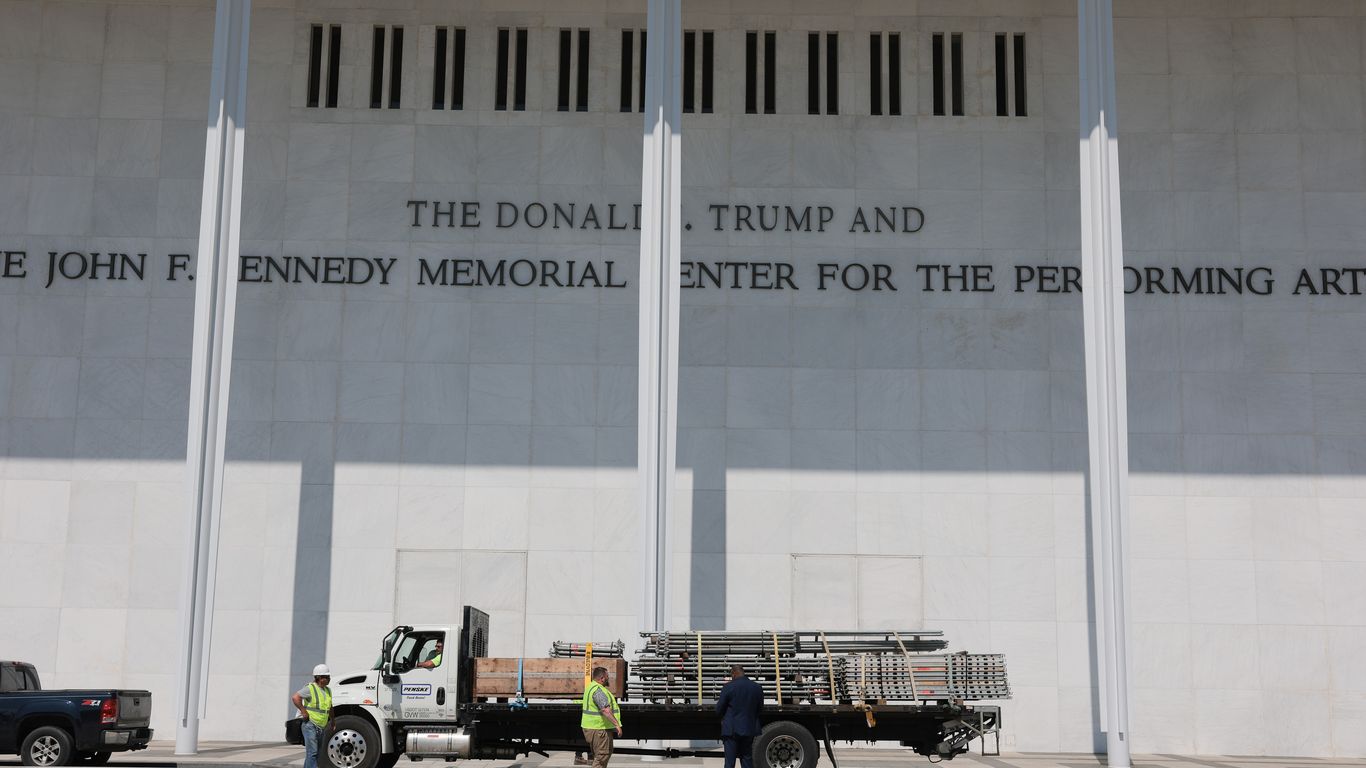
The Kennedy Center board filed an emergency appeal to block a judge's order requiring Trump's name to be removed from the building's signage and materials.
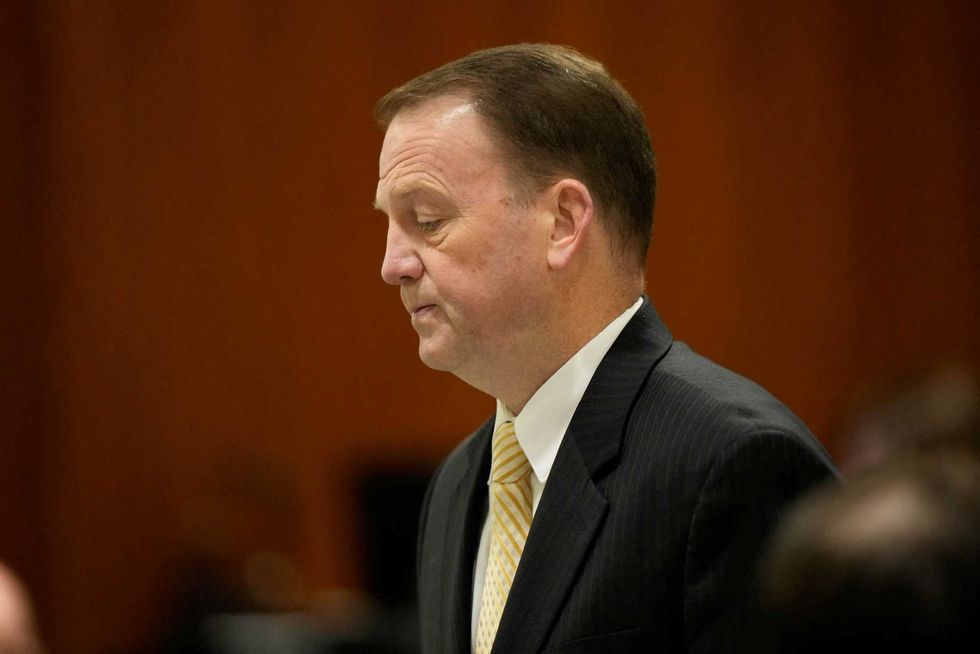
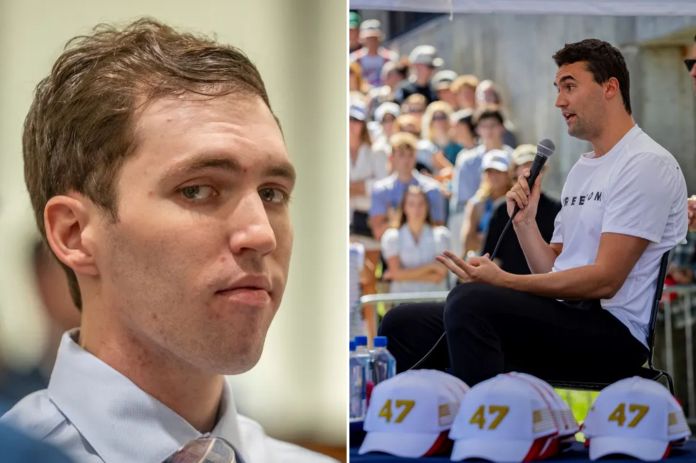
Deputy Utah County Attorney Christopher Ballard faces potential contempt of court charges after appearing on Fox News in April to discuss evidence in the high-profile Charlie Kirk shooting case, allegedly violating a judge's gag order. Fourth District Judge Tony Graf Jr. is expected to determine if Ballard's media appearance breached court restrictions on out-of-court statements, according to NBC News. Tyler Robinson's defense attorneys filed a motion characterizing Ballard's appearance as a contemptuous media tour, designed to circumvent judicial limitations. Robinson, 23, is accused of killing Kirk during a September 2025 appearance at Utah Valley University. Robinson faces multiple felony charges, including aggravated murder, discharge of a firearm causing serious bodily injury, obstruction of justice, witness tampering, and commission of a violent offense in a child's presence. Prosecutors intend to seek the death penalty if the defendant is convicted. Robinson has yet to enter a plea.Watch the video below. Your browser does not support the video tag.
A judge has denied President Trump's request to pause a ruling requiring his name to be removed from the Kennedy Center.Why it matters: The request was a last-minute bid to avoid removing the president's name from the building and accompanying signage, as a previous judge ordered. The deadline for compliance is Friday.Editor's note: This is a breaking news story and will be updated.
The Supreme Court has left a trail of legal "wreckage" over the course of its last few terms, but according to one legal scholar writing for The Hill, a "fundamental" fix to get them back in line will be making them "fear" again.Paul M. Collins Jr. is a professor of Legal Studies and Political Science at the University of Massachusetts Amherst who has written extensively about the Supreme Court and the issues pervading it. On Friday, The Hill published his latest piece, digging into the current situation surrounding it, with accusations of rampant political bias and disregard for clear legal precedents in order to aid President Donald Trump."In a few weeks, the Supreme Court will end its term, leaving behind a trail of legal wreckage that has become all too familiar since the emergence of its conservative supermajority in 2020," Collins wrote. "Although the headlines will focus on the specific casualties — most notably a crushing blow to the Voting Rights Act — the real story of this term is not what the court did, but why it felt so comfortable doing it. We are witnessing the solidification of a sovereign court: an institution that has effectively decoupled itself from the traditional gravity of American checks and balances."It was not always like this, he noted, explaining that the court once operated with a "healthy, if unspoken, anxiety," which he dubbed, "the fear of reversal.""This fear once acted as a structural brake, reminding the justices that if they strayed too far from the constitutional mainstream, the system would push back," he wrote. "For instance, the 11th, 13th, 14th, 16th and 26th Amendments to the Constitution were passed to overturn Supreme Court decisions. Congress has reversed several decisions by passing statutes as well, as exemplified in the passage of the Lilly Ledbetter Fair Pay Act in 2009. And the Supreme Court occasionally overrules itself, including overturning Bowers v. Hardwick, which allowed states to criminalize same-sex sexual relations, in 2003."Now, however, the "era of hyper polarization" has created a status quo where Congress is barely ever able to pass anything due to the radically different priorities on each side of the aisle. In this environment, the odds are vanishingly slim that Congress would be able to pass a bill rebuking the Supreme Court, let alone a new constitutional amendment, and as Collins noted, the court itself is expected to retain a conservative majority for decades if it is not expanded, meaning that future iterations of it also will not be likely to reverse past decisions."To restore the court’s legitimacy, we must do more than simply add seats; we must change the fundamental math of judicial power," Collins argued. "The goal should be to reintroduce the very thing the conservative supermajority has lost: the possibility of being corrected. The most effective way to achieve this is a two-pronged structural reset. First, Congress should exercise its clear constitutional authority to expand the size of the court. Second, and more crucially, the justices should no longer sit as a permanent, monolithic body of nine. Instead, they should be required to hear cases in randomly assigned three-judge panels with final decision-making authority."He concluded: "Ultimately, instilling a fear of reversal is an act of institutional humility. With public confidence at a historic low, we can no longer afford a court that is always right simply because it is final. We need a court that is final only when it is right."
Tyler Robinson, the man accused of killing Charlie Kirk, will return to Utah court Friday at 11 a.m. Eastern for an evidentiary hearing. Robinson, 23, will appear before Fourth District Judge Tony Graf Jr. in criminal court in Provo, where the judge will likely rule on whether Deputy Utah County Attorney Christopher Ballard violated a […]