Republicans pivot to combating fraud as midterm elections approach
Center Right
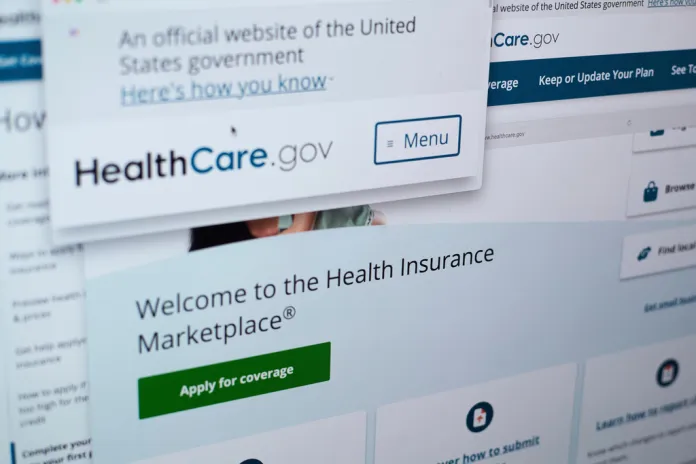
Republicans on Capitol Hill and beyond have shifted their focus toward cutting fraud in government programs, an effort they hope will resonate with voters in November. Lawmakers have rolled out several bills related to stopping fraud in government programs. The raft of legislation adds to efforts by the Trump administration to crack down on fraud […]
Medicaid fraud in blue states has dominated headlines recently, but the problem is not new. From its earliest reviews of Obamacare enrollment controls, the Government Accountability Office found that President Barack Obama’s Affordable Care Act was highly susceptible to fraud. President Joe Biden made fraud easier and more lucrative with his COVID-19 subsidy bonuses, and […]
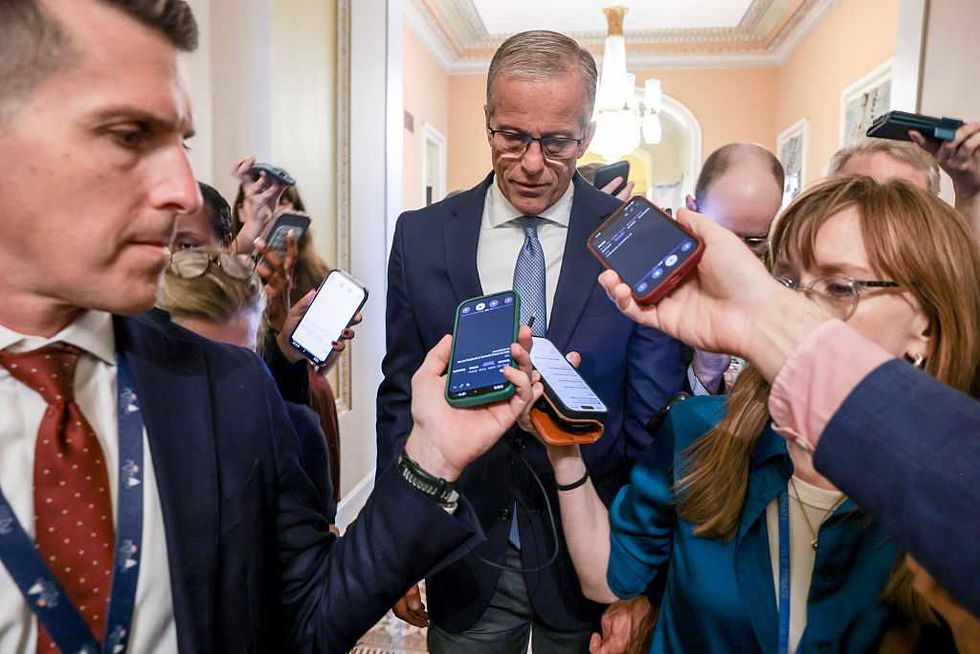
It has been a pitiful few weeks for the United States Senate, which means senators are now pretending they saved Immigration and Customs Enforcement, fought for the SAVE Act, and still care about victims of government weaponization.None of that is true.Do not buy the celebratory social media posts from Senate Republicans. Get to work electing new ones instead.This is a geriatric form of professional wrestling kayfabe. But instead of heroic wrestlers in tights, the actors are young communications staffers tweeting victory on behalf of their bosses while those bosses fly home.Before we unpack what happened, we should understand how we got here. To his credit, Sen. Rick Scott (R-Fla.) recently summarized the problem well: “We made a huge mistake by not funding ICE and CBP in January. We NEVER should have funded the Democrats’ thousands of earmarks without funding ALL of homeland security. It is time to fund ICE and CBP NOW!”It was a mistake, except that it was intentional. Still, Scott acknowledged the major point his colleagues would rather hide. Forthrightness in the Senate is rare, so we should welcome it when it appears.The story begins in January, after two protesters were killed obstructing ICE. In the media-driven hysteria that followed, Congress did something unusual: It split off the Department of Homeland Security from the funding package that covered other agencies.At the urging of Minority Leader Chuck Schumer (D-N.Y.) and top Democrat appropriator Sen. Patty Murray (Wash.), Republicans caved and agreed to put DHS in a stand-alone funding posture. In congressional funding terms, that means danger.For decades, government funding has largely moved through omnibus and minibus bills that force lawmakers into take-it-or-leave-it votes. Members may dislike parts of the package, but they swallow the whole thing to avoid shutting down large portions of the government. When DHS stands alone, Democrats have a much easier time voting no.In February, DHS funding shut down. Airport lines grew. Employees went without pay. DHS changed secretaries. Democrats continued blasting ICE, deportations remained low, and the Trump administration retreated on parts of the deportation agenda.In other words, Democrats gained concessions while holding DHS funding hostage.Then, in April, Senate Majority Leader John Thune (R-S.D.) and Speaker Mike Johnson (R-La.) began negotiating with the hostage-takers in earnest. They offered another major concession: separate ICE and Customs and Border Protection from DHS, making ICE and CBP a stand-alone within a stand-alone. For funding purposes, it is hard to imagine a worse fate.RELATED: Polarization may be the cure — and the clarity — America needs Tom Williams/CQ-Roll Call, Inc/Getty ImagesCongress funded the rest of DHS, ending a roughly 76-day shutdown. Politicians breathed a sigh of relief because airline lobbyists would stop pestering them about long lines at airports. ICE and CBP, meanwhile, would have to be funded through another mechanism: reconciliation.Reconciliation funding creates operational problems that normal appropriations do not. That deserves more attention, though it falls deep into the procedural weeds. The key point is that ICE and CBP were isolated, weakened, and pushed onto a more perilous path.As part of ending the shutdown for every part of DHS except ICE and CBP, President Trump demanded a reconciliation bill funding those agencies by June 1.Negotiations began, then quickly collapsed after the May announcement of an Anti-Weaponization Fund that would compensate victims of government persecution. Republican senators revolted and learned the lesson Democrats had just taught them: ICE and CBP could be used as hostages.They threatened to withhold ICE and CBP funding unless Trump agreed to kill the fund. Ultimately, Acting Attorney General Todd Blanche did just that.Despite acting as hostage-takers, Republican senators also used the reconciliation process to posture on the SAVE Act, which had no chance of passing through that mechanism. The SAVE Act, which is popular across party lines, includes voter ID and proof-of-citizenship requirements for voting.Sen. Lindsey Graham (R-S.C.), a leading opponent of the Anti-Weaponization Fund but a proponent of his own right to recover damages for weaponization against himself, introduced a meaningless amendment on the SAVE Act. Knowing most voters do not understand Senate procedure, he styled the move as a valiant attempt to pass election integrity legislation.“Mr. President,” Graham posted, “I was honored to lead the charge to pass the SAVE America Act, one of the most consequential pieces of legislation you and your team have created.”RELATED: Trump’s anti-weaponization fund puts GOP cowards on trial Chip Somodevilla/Getty ImagesThis was insincere and unserious. The SAVE Act has no chance unless the talking filibuster is enforced.
Progressive oyster farmer Graham Platner easily won the Democratic contest on Tuesday to take on Sen. Susan Collins (R-Maine) — officially teeing up one of this year’s marquee Senate races. Planter was expected to win the Democratic primary, but recent revelations over a sexting scandal and his alleged toxic conduct from several ex-girlfriends have rocked his campaign and rattled…
Voters in the Silver State are weighing in on a slate of House primary elections Tuesday. Republican Rep. Mark Amodei is retiring from his seat in the 2nd Congressional District, setting off a crowded GOP primary in Nevada. Financial advisor David Flippo secured President Trump’s endorsement, while James Settlemeyer is backed by the incumbent and…
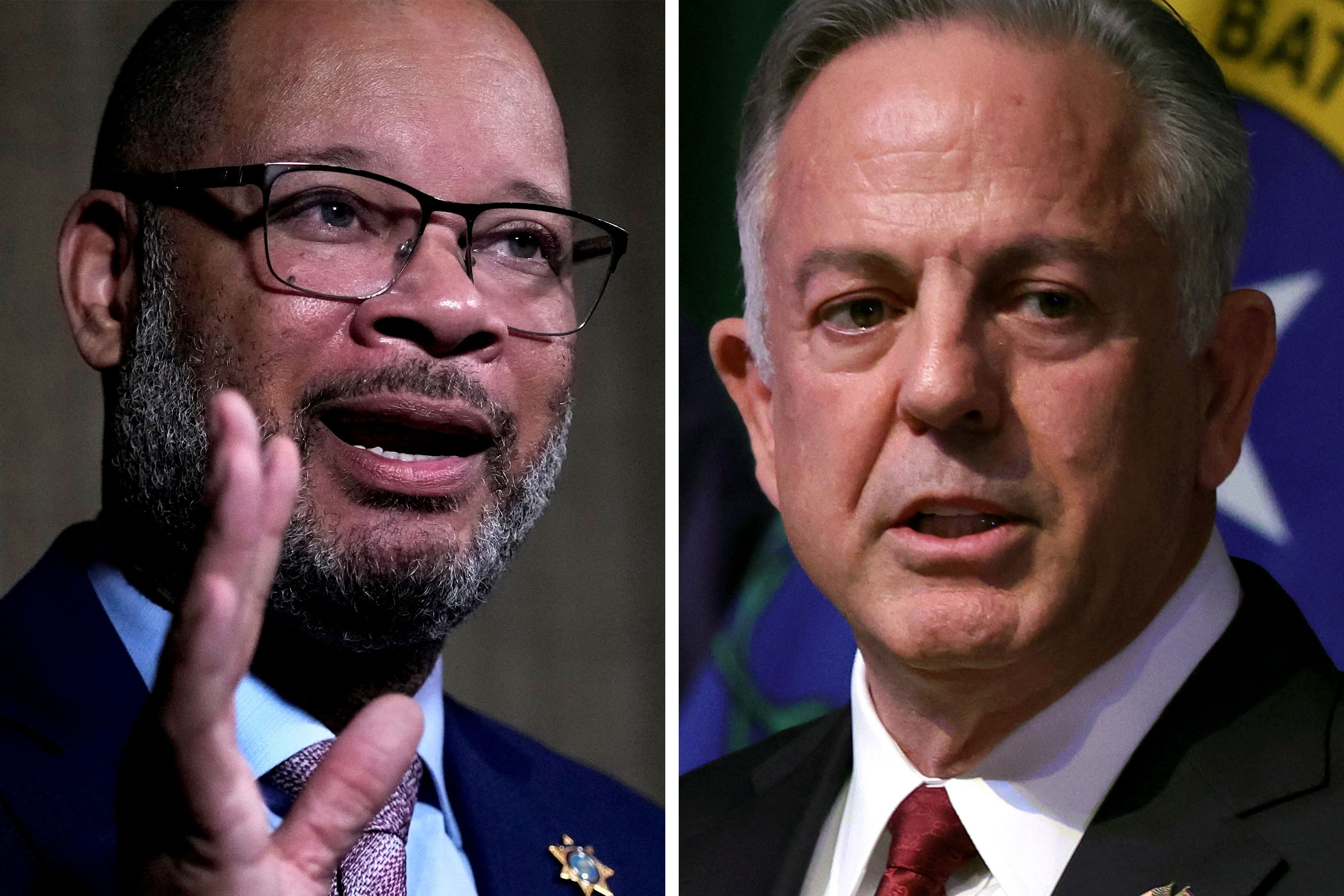
In one of the most competitive races for governor this year, Nevada Democratic Attorney General Aaron Ford will challenge Republican Gov. Joe Lomardo for his office in November.
The largely coastal district has voted overwhelmingly Republican in recent elections. Representative Nancy Mace ran unsuccessfully for governor instead of seeking re-election to the seat.