
New York Post
US launches self-defense strikes in southern Iran, CENTCOM says
US military launched “self-defense strikes” in southern Iran, hitting missile sites and Iranian boats, CENTCOM confirmed.
Right

Mexican President Claudia Sheinbaum said the country would host Iran’s soccer team for the FIFA World Cup, claiming U.S. officials did not want to host Iran’s national team during next month’s tournament amid the tensions between the two countries. Sheinbaum said Iran’s team would be hosted by Mexico during a news conference on Monday, per […]
US military launched “self-defense strikes” in southern Iran, hitting missile sites and Iranian boats, CENTCOM confirmed.

President Trump on Monday outlined options for the fate of Iran’s enriched uranium stockpile if both countries sign on to a peace agreement currently under negotiation with Tehran. “The Enriched Uranium (Nuclear Dust!) will either be immediately turned over to the United States to be brought home and destroyed or, preferably, in conjunction and coordination…

Attempting to destroy Israel has brought defeat and disaster to every nation that tried; normalizing relations with Jerusalem has proved a boon to every country that signed the Abraham Accords.
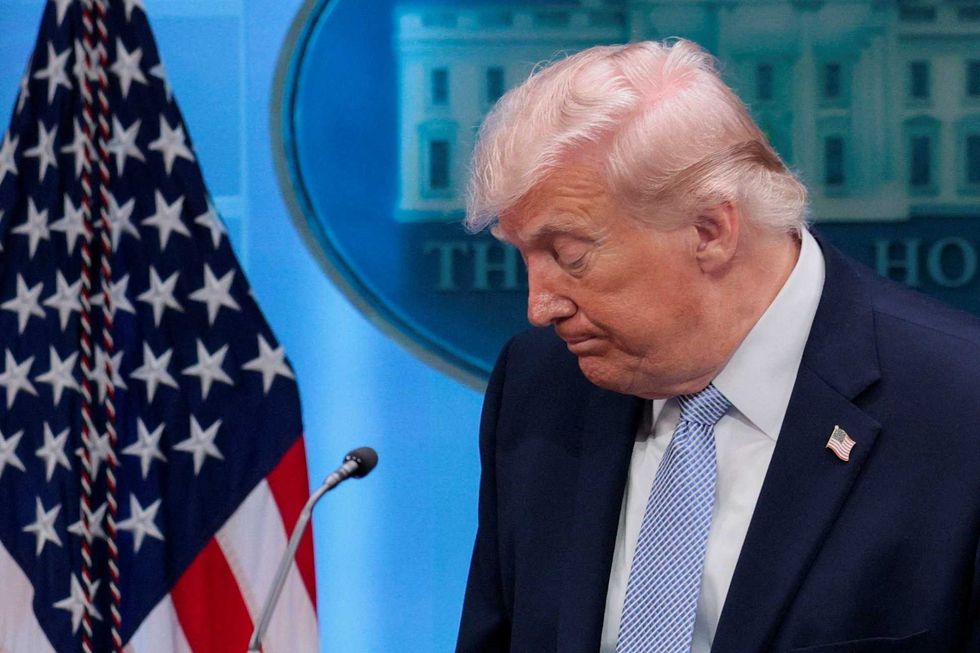
Amid reports that a new ceasefire deal was imminent, the conservative Wall Street Journal editorial board warned President Donald Trump to avoid a deal that functions as an economic bailout for Iran.Over the weekend, Trump claimed that the U.S. and Iran were close to reaching a deal for a 60-day ceasefire in the conflict that has ravaged the world economy and sent oil prices skyrocketing. Iranian officials confirmed that talks were progressing, but stressed that major sticking points were still holding it back, adding that a deal was nowhere near as close as the president suggested. Nevertheless, news of an impending reprieve sent oil prices tumbling slightly.In response to these reports, the WSJ board — which is commonly viewed as a major conservative voice on economic and political issues — published a new piece, warning Trump that one aspect of the supposed plan would amount to an economic bailout for Iran, and would leave the U.S. with only the most extreme leverage to get a final deal made, calling the notion a major potential "strategic setback."In particular, the board took issue with the proposed portion of the deal that would end the U.S. blockade of Iran's port and allow them to resume selling oil to foreign markets."The preliminary deal, as mooted in the press, is for both sides to end their blockades, and perhaps for the U.S. to sweeten the pot financially, while talks on nuclear issues and further sanctions relief continue for 60 days or more," the board wrote. "A U.S. official says, but Iranian officials deny, that the regime gave assurances a final deal would include 'disposal' of its enriched uranium."The end of the blockade, they warned, would destroy a key piece of U.S. leverage over Iran before its nuclear program is properly dealt with. The only remaining leverage — threatening to renew the fighting — will ring hollow after his previous backtracks."The basic problem lies with ending U.S. pressure before dismantling the nuclear program," the board added. "If the blockade ends and Iran can sell its oil, all that’s left to coerce it into nuclear concessions is the threat of renewed war."It continued: "But Trump wasn’t willing to do that after Iran reneged on reopening the Strait of Hormuz and attacked U.S. forces and Gulf allies. How credible will the threat be 60 days closer to midterms, when it would trigger a new Iranian blockade of Hormuz? A pledge not to build a nuclear weapon means nothing because the regime has always said that while doing the opposite... Iran’s regime went into this war facing domestic political and economic crises. War has made these worse. Saving such a regime now with an economic bailout would be the real betrayal—of the U.S. interest even more than the Iranian people.”
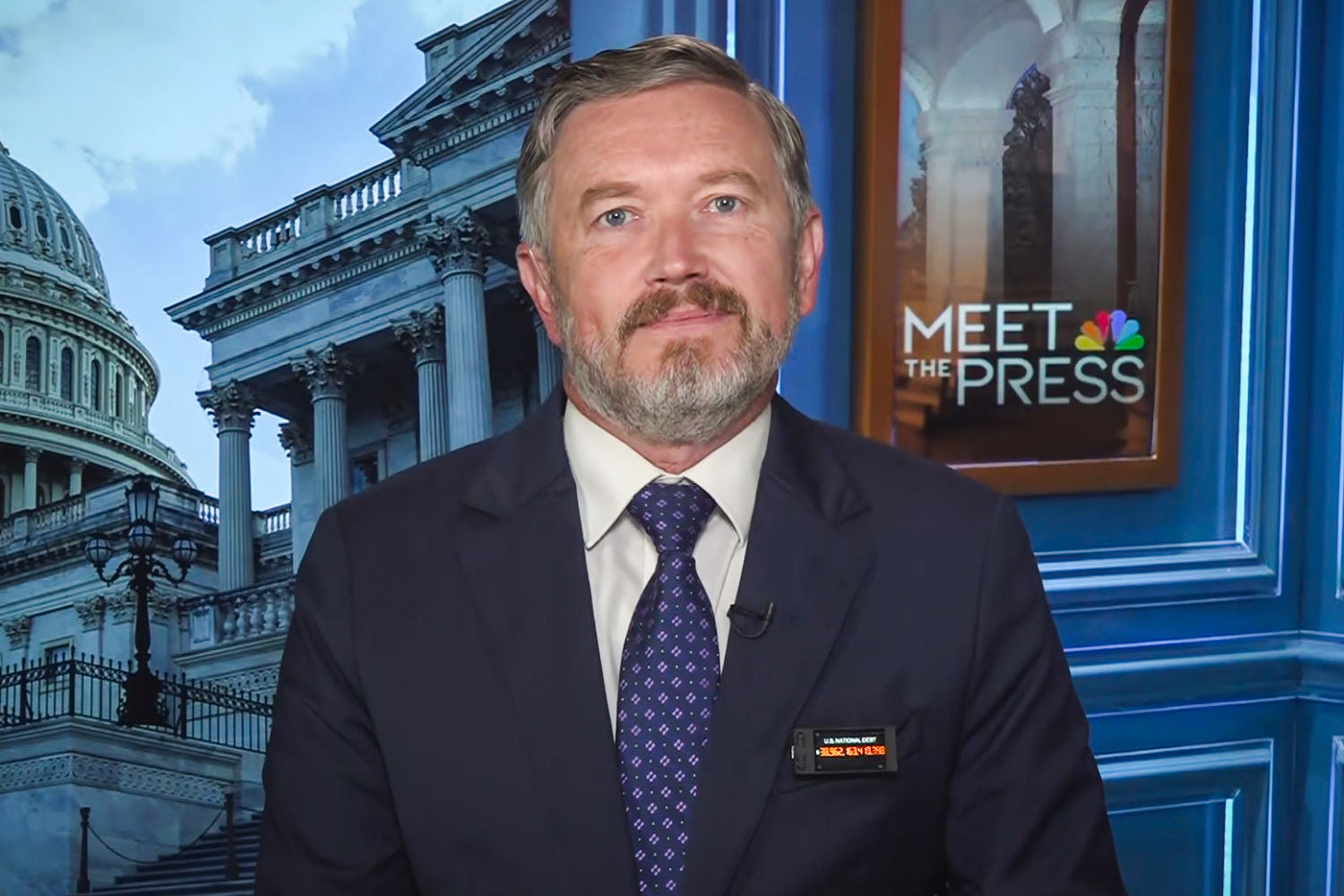
Fresh off last week’s primary loss, Rep. Thomas Massie, R-Ky., announced he had filed paperwork for a 2028 run for the House — or something else.

Everyone loves to repeat the cliché that you want the best team, not the best players; actually putting it into practice is much harder.
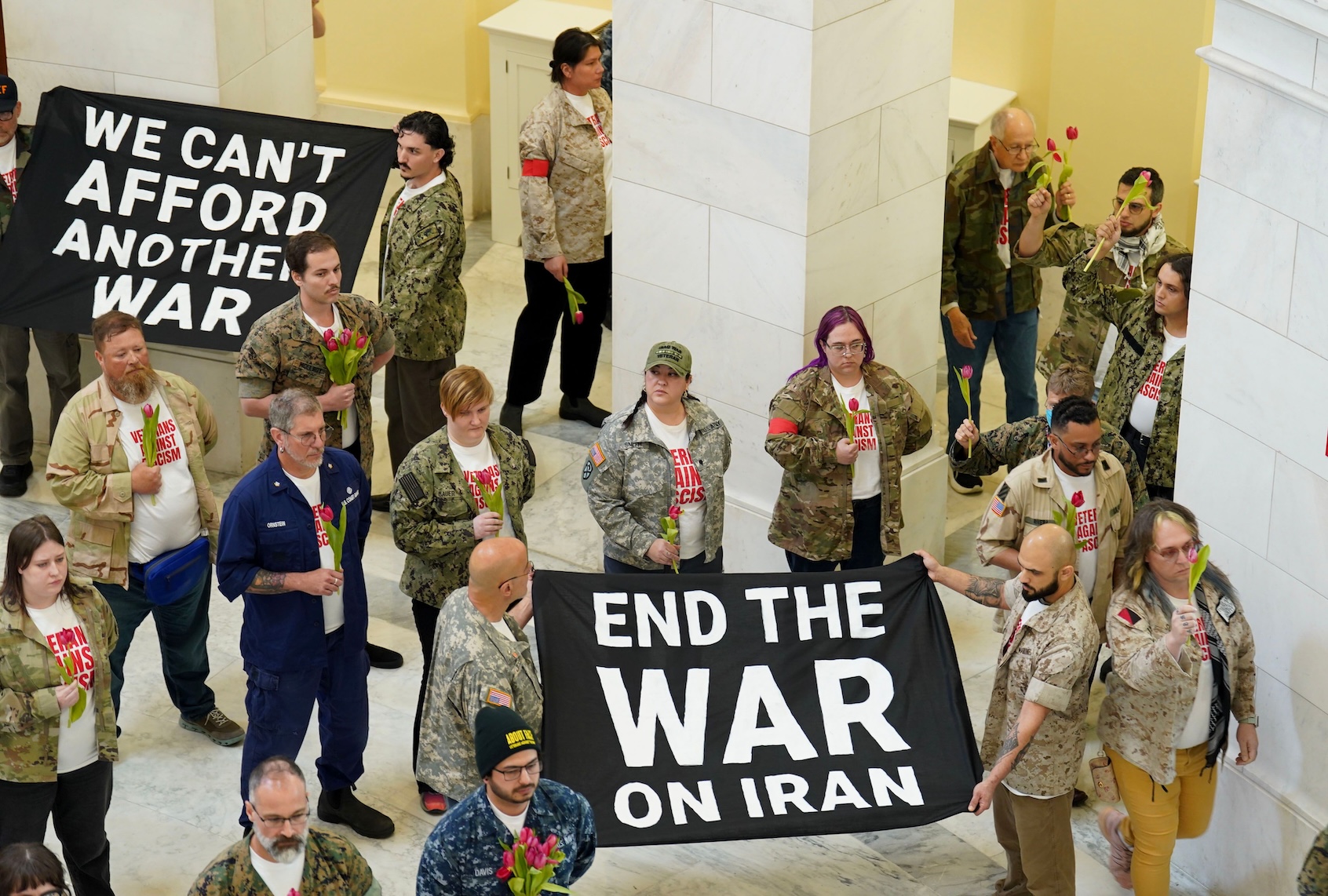
The widespread opposition and mobilization against the Iran war offers hope
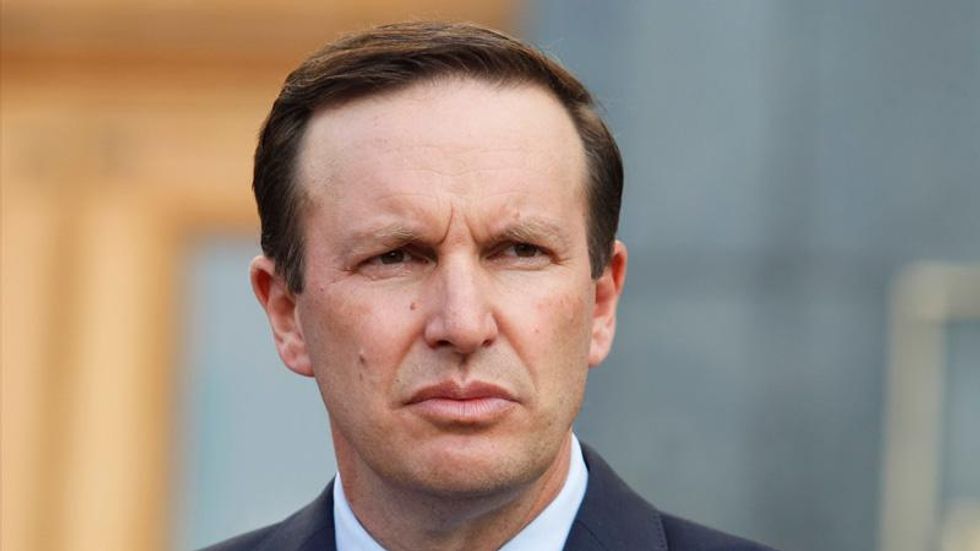
Sen. Chris Murphy (D-CT) delivered a scathing assessment of Donald Trump's Iran ceasefire Sunday, welcoming the end of the war while warning that the deal represents a humiliating capitulation to Tehran that leaves the United States weaker than when the conflict began."If this deal with Iran is real, I will welcome it because every day this insane war goes on, America gets weaker," Murphy wrote in a detailed thread on X. "But make no mistake: these are Iran's terms. Our nation emerges humiliated."Murphy laid out his case methodically. The deal, as he understands it, gives Iran billions of dollars to return to essentially the same position it was in before the war started — while reports suggest it may also codify Iran's right to control the Strait of Hormuz, the critical waterway that has remained at the centerpiece of the violent conflict."What a disaster this whole thing was," Murphy wrote.On the nuclear question — the issue Trump cited most prominently as justification for the war — Murphy was equally dismissive. The one reported concession from Iran, a promise to ship out enriched uranium, was already part of Barack Obama's 2015 nuclear deal. And by dropping sanctions now, Murphy argued, the United States has surrendered the leverage it would need to extract further concessions in future negotiations.Meanwhile, Murphy noted, Trump has failed to achieve a single one of his stated goals. Iran's ballistic missile and drone program remains intact. Its navy retains the ability to close the Strait. The hardline regime is still in power."They took our best shot and beat us," Murphy wrote. "Iran emerges more powerful."The Connecticut senator was careful to separate his opposition to the war from opposition to ending it. Thousands of innocent people have been killed, he noted, and the American economy has been badly damaged by the conflict. But he argued that silence about the incompetence that produced the war would be its own kind of failure."That doesn't mean we should be silent on how incompetent Trump is and how insane this war was from the start," Murphy wrote.