The independent Minor League Baseball team, York Revolution, is declining to play its Pride Night game Thursday, June 18, and has elected to forfeit its game after players refused to wear uniforms that featured a rainbow design on the team’s jersey. The Revolution’s forfeited game comes before they were set to celebrate the team’s 11th...
The Pennsylvania House of Representatives approved a bill Wednesday that would mandate companies disclose all artificial intelligence-generated content used to sell consumer goods. The legislation, introduced by […]
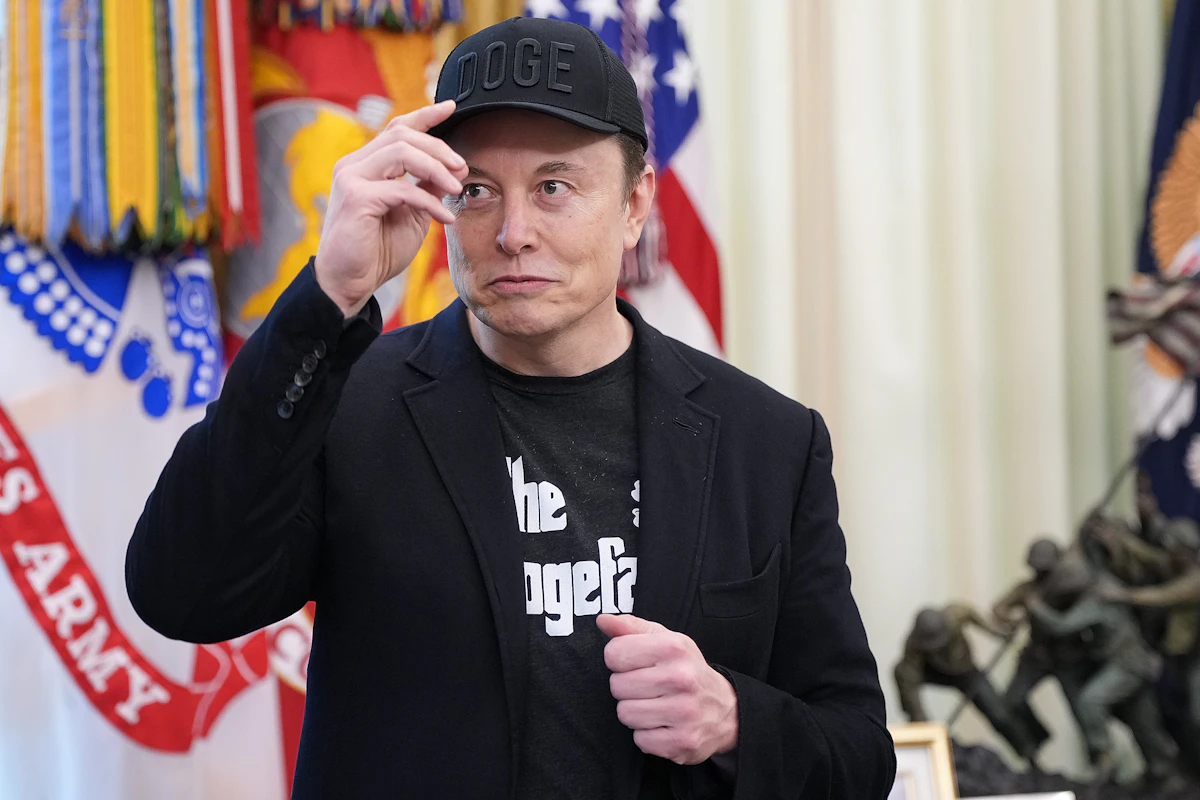
The Department of Defense revealed it used Elon Musk’s Grok AI to fire 2,000 missiles at Iran.In a sworn statement in federal court, the DOD’s chief digital and artificial intelligence officer, Cameron Stanley, defended the chatbot’s existence as a “a matter of paramount national security,” saying that it was used to fire “2,000 munitions at 2,000 distinct targets within 96 hours” in the Iran war.Musk’s artificial intelligence company xAI is being sued by the NAACP in Mississippi for allegedly running at least 57 gas-burning turbines to power its Colossus 2 data center without the necessary permits or pollution controls required by the Clean Air Act. Stanley issued his statement as part of the federal government’s effort to get the lawsuit tossed out on national security grounds.It’s the first time that the Trump administration has admitted to using Musk’s AI in the Iran war, following reports that the military may have used AI targeting in its bombing of a girls’ school in Minab, Iran, that killed at least 175 people. Last year, the DOD awarded xAI a $200 million federal contract to install “Grok for Government” into its systems, ignoring a laundry list of issues with the platform.Grok has often gone on antisemitic rants; it has pushed debunked claims of white genocide in South Africa, insulted X CEO Linda Yaccarino with sexual comments, and been used to generate explicit photos of women and children. Other government agencies even see the tool as a security risk. Why, then, is the DOD defending its existence and continued use for the military?
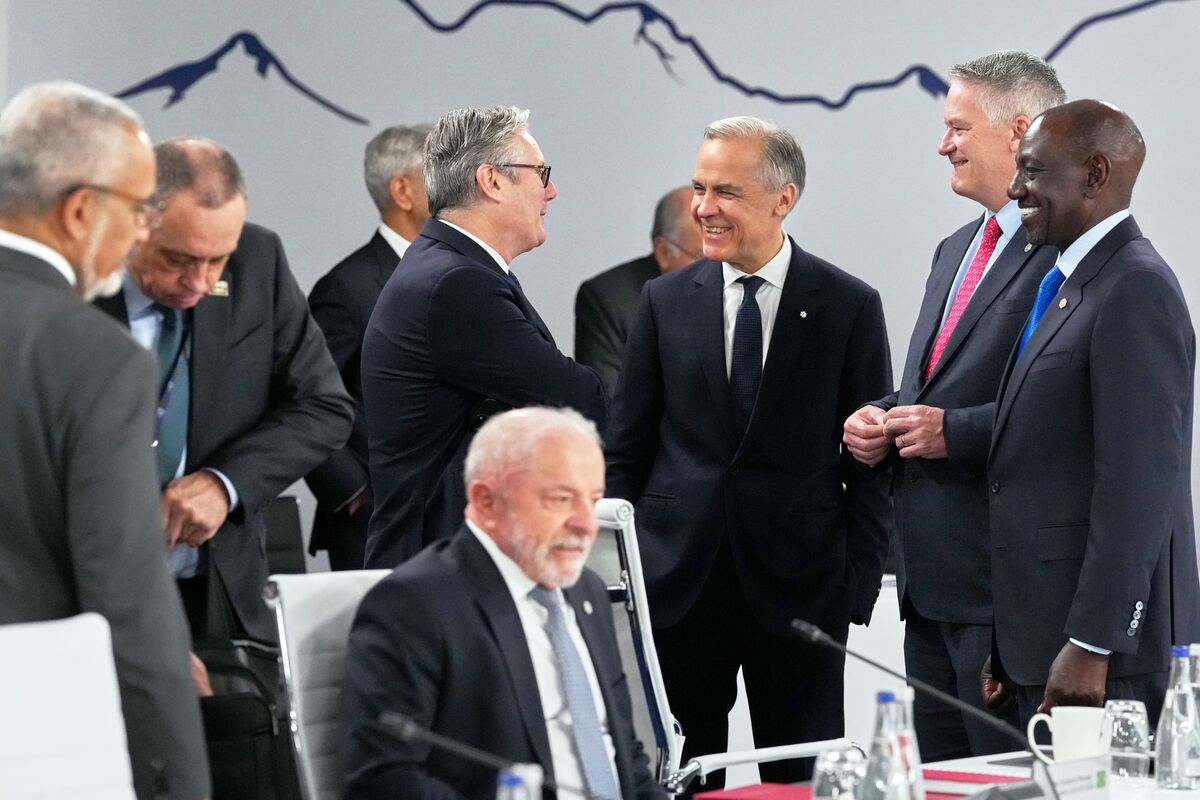
Keir Starmer announced £1.3 billion of investment into the UK in energy and AI projects at the G7 summit in France, as Britain’s premier tries to convey a sense of business as usual even as he faces the prospect of a leadership challenge.
The Trump administration has made exporting American AI a key part of its plans for global AI dominance, but ad hoc policy decisions around the most advanced AI are threatening that effort.Why it matters: A flagship U.S. program designed to boost AI exports could be undermined by the very administration that created it."The government's willingness to arbitrarily and abruptly remove America's best models from all foreign use shows that the strategy behind the AI Export Program is no longer relevant to decision makers in the U.S. government," Dean Ball, a former AI adviser in the Trump administration, told Axios.Driving the news: The Trump administration slapped export controls on Anthropic's newest model Fable 5 due to disagreements over whether it is safe for deployment, causing Anthropic to pull access to it entirely.Administration officials and Anthropic staff continue to hash out their disagreements this week, with no solution yet.The big picture: The American AI exports program is a relatively new initiative that President Trump created in a July 2025 executive order.It's meant to bundle the infrastructure, tools and models into ready-to-deploy AI systems for allies and partners, and has been touted as a key part of the White House's AI policy goals, as Axios has previously reported.Those who are selected for the program will get expedited export control license reviews, prioritized access to U.S. federal credit programs, government-to-government advocacy abroad and dedicated interagency coordination.What they're saying: A tech industry source told Axios that there are "downstream consequences" to using export controls as a means of enforcing tech policy, setting new precedents for future oversight and licensing of tech releases."Fueling perceptions that the US government could disable overseas access to an AI model or system only makes it more difficult to promote American AI exports," the source said. "Global customers will have a harder time committing to purchasing US-made AI."Other tech industry sources told Axios the Anthropic export control issue creates uncertainty by complicating relationships with allies at a time when there is a major focus on exporting U.S. technology abroad. "Given the interconnected nature of the AI tech stack, restrictions aimed at one layer or at one company in the stack can create unintended impacts for other parts of the stack," one of the sources said."It definitely has a flavor of picking winners and losers, and the hope is that the U.S. government, in its efforts to promote American companies abroad, is going to do that consistently across the board, rather than picking up individual companies to prioritize over others," said Paul Lekas, vice president of public policy at the Software and Information Industry Association.Yes, but: Other AI companies looking to participate in the American AI exports program may avoid the problems that have befallen Anthropic. The upside of joining the program hasn't gone away, said Joseph Hoefer, AI principal at Monument Advocacy. But companies will have to build contingencies in case a layer of their "tech stack" suddenly becomes unavailable due to a decision by the administration."This could turn out to be a one-off: a specific action, in a specific situation, that the administration resolves and doesn't repeat," he said.The other side: The White House defended the move as part of an effort to "balance" AI innovation and national security, per spokesperson Kush Desai.The Commerce Department's International Trade Administration did not respond to requests for comment.What's next: Applications for the American AI exports program are due June 30, and how the White House handles its dispute with Anthropic could shape whether companies feel confident participating.