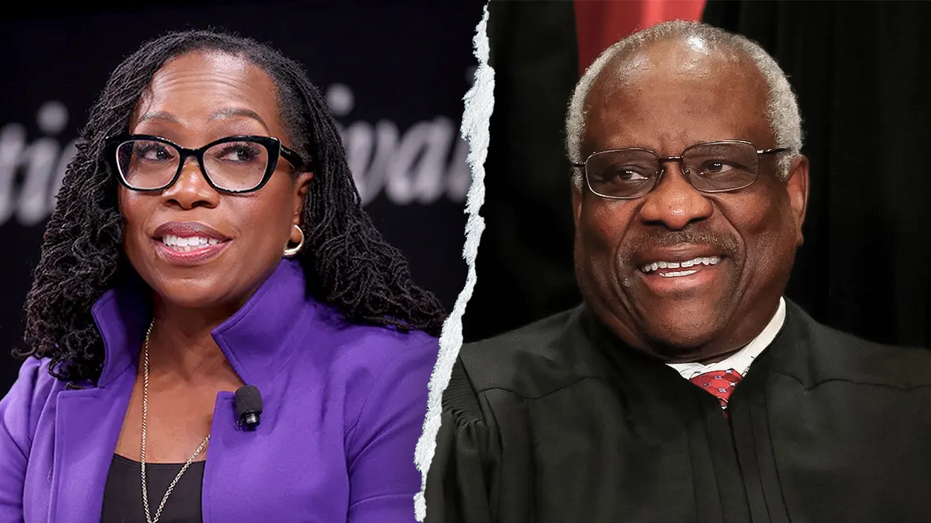
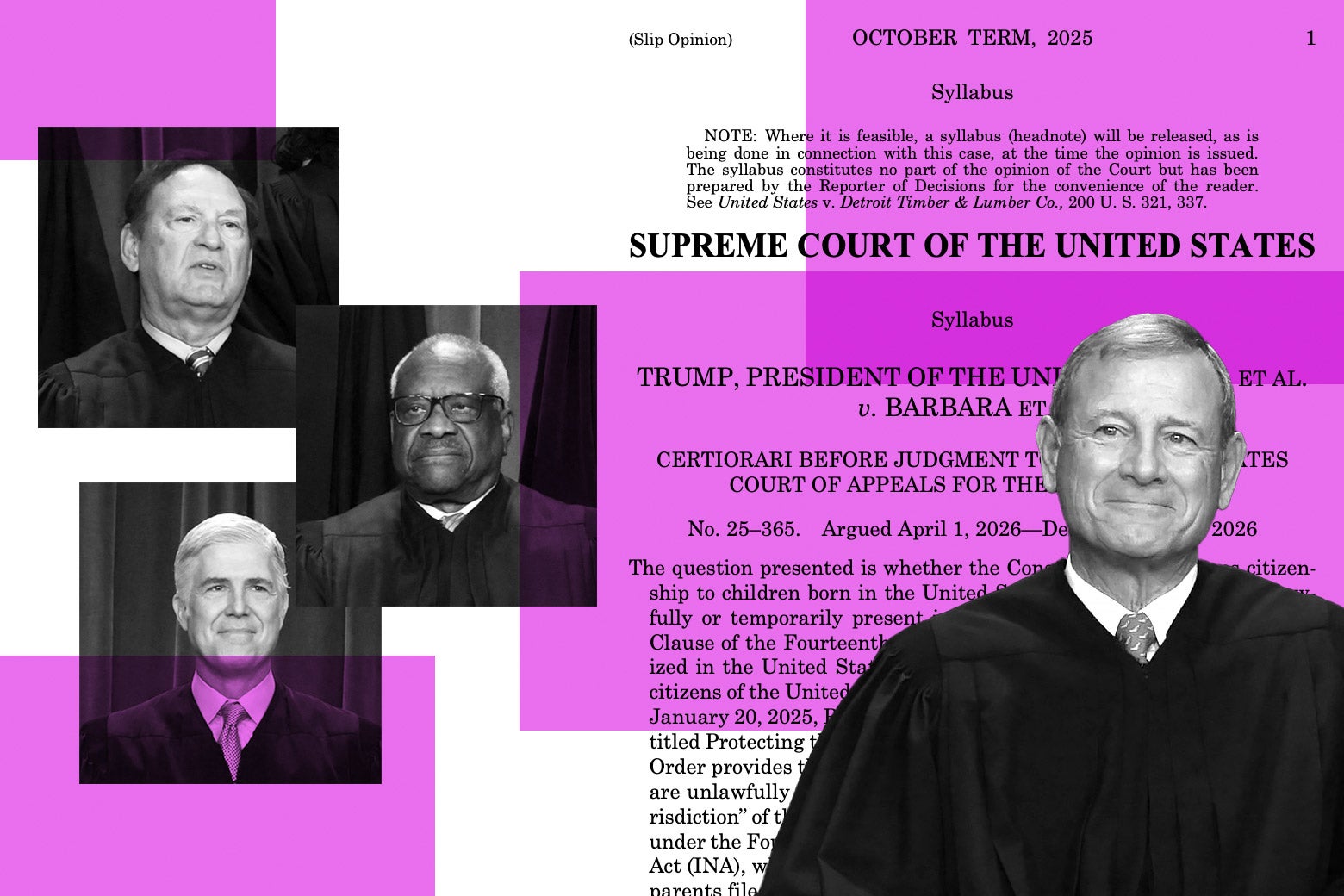
Congressional Republicans were divided over the Supreme Court’s Tuesday decision to strike down an executive order seeking to limit birthright citizenship under the 14th Amendment. While many Republicans called for congressional action in response to the ruling, other Republicans celebrated the decision as “well-reasoned.” “This decision affirms that anyone born in the United States is […]
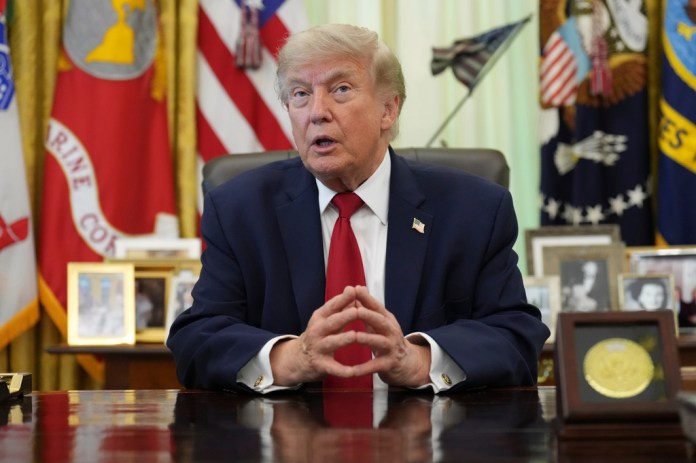
President Donald Trump on Tuesday called on Congress to limit birthright citizenship after the Supreme Court issued a ruling rejecting his push to overhaul the policy. Trump’s position puts him at odds with several leading lawmakers in the Republican Party, who called for a constitutional amendment to limit birthright citizenship after the justices handed down […]
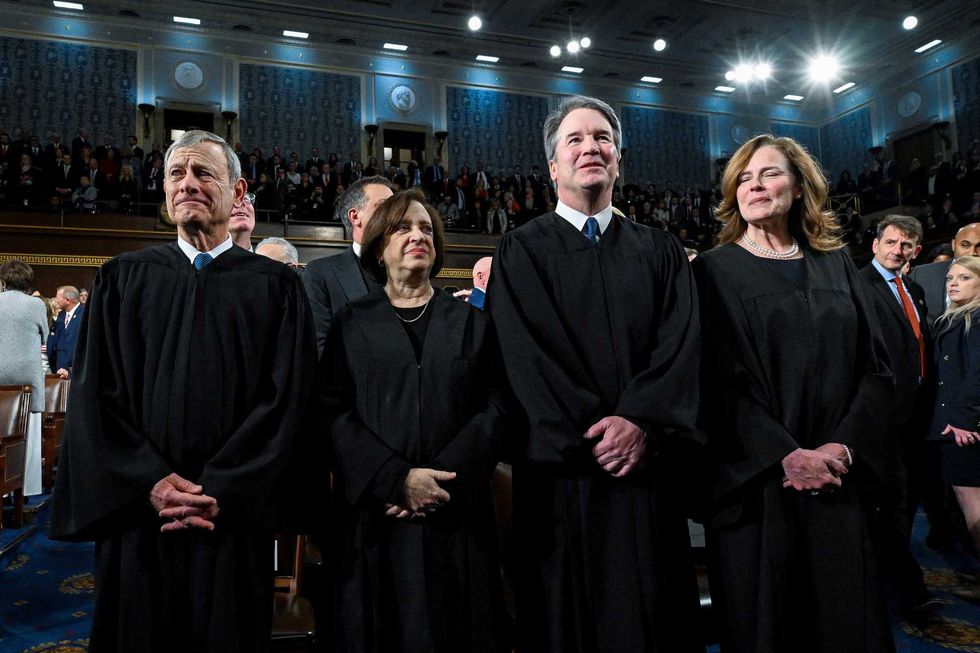
On Tuesday, the Supreme Court handed down one of its most anticipated decisions of the year, rejecting President Donald Trump’s executive order attacking Constitutionally enshrined birthright citizenship. According to CNN legal analyst Elliot Wiliams, “the big shock” wasn’t the decision itself, but the fact that it divided conservatives on the court. The case, Trump v. Barbara, essentially looked at the legality of the 14th Amendment, which was adopted over 150 years ago and was codified by congressional statute in the mid-20th century. Trump sought to bar that right from those born to undocumented immigrants or whose American citizenship has been temporarily suspended. His effort was rejected by the court, with conservative justices John Roberts, Amy Coney Barrett, and Brett Kavanaugh siding with the liberal decision. “The trouble is that there is scant evidence for this dramatically revisionist view,” wrote Chief Justice Roberts of the administration's arguments against the 14th Amendment. While Kavanaugh disagreed with that assessment, he voted to block Trump’s order, citing the federal statute set by Congress. When CNN convened a panel to discuss the ruling, Williams emphasized the conservative split, zeroing in on Kavanaugh’s concurrence in particular. “Brett Kavanaugh's concurrence is fascinating in that the constitutional question, in terms of what the 14th Amendment says,” noted Williams. “That's only five-four on this court. Justice Kavanaugh sort of carves himself out of that and draws this sort of alternative approach of saying that, yes, we don't even need to reach the constitutional question. There's a statutory question and, quite frankly, Congress could have actually effected the same result here that the President tried to do with this executive order. That's the big shock of the day, more than anything else: that the Supreme Court was this closely divided on the effect of the 14th Amendment."According to Williams, “It is a profound decision, both in terms of what it is and means to be an American and also, staving off the absolute legal chaos that would have broken out had they ruled the other way.”He raised the examples of the citizenship of adopted or abandoned children, and other complicated scenarios. “Everybody would have to verify their citizenship and create a generation of legal mess,” said Williams. “And so they staved off a big problem. But the closeness on that constitutional question really stood out to me.”But as the New Republic warns, Kavanaugh’s approach does not necessarily end the threat to birthright citizenship — quite the opposite.As Kavanaugh wrote of his stance, “In my view, the Executive Order does not violate the Fourteenth Amendment. But the Order does contravene a federal statute. Congress could — consistent with the Fourteenth Amendment — amend [this law] or otherwise enact new legislation establishing exceptions to birthright citizenship for children born to foreign citizens unlawfully or temporarily in the country. But Congress has not yet done so.” As the New Republic explains, this may have just laid out a “road map” for conservatives who want to end birthright citizenship, prompting congressional Republicans to attempt a legislative attack. But with their party projected to take major losses in the fast-approaching midterms, their window to take such action is closing fast.
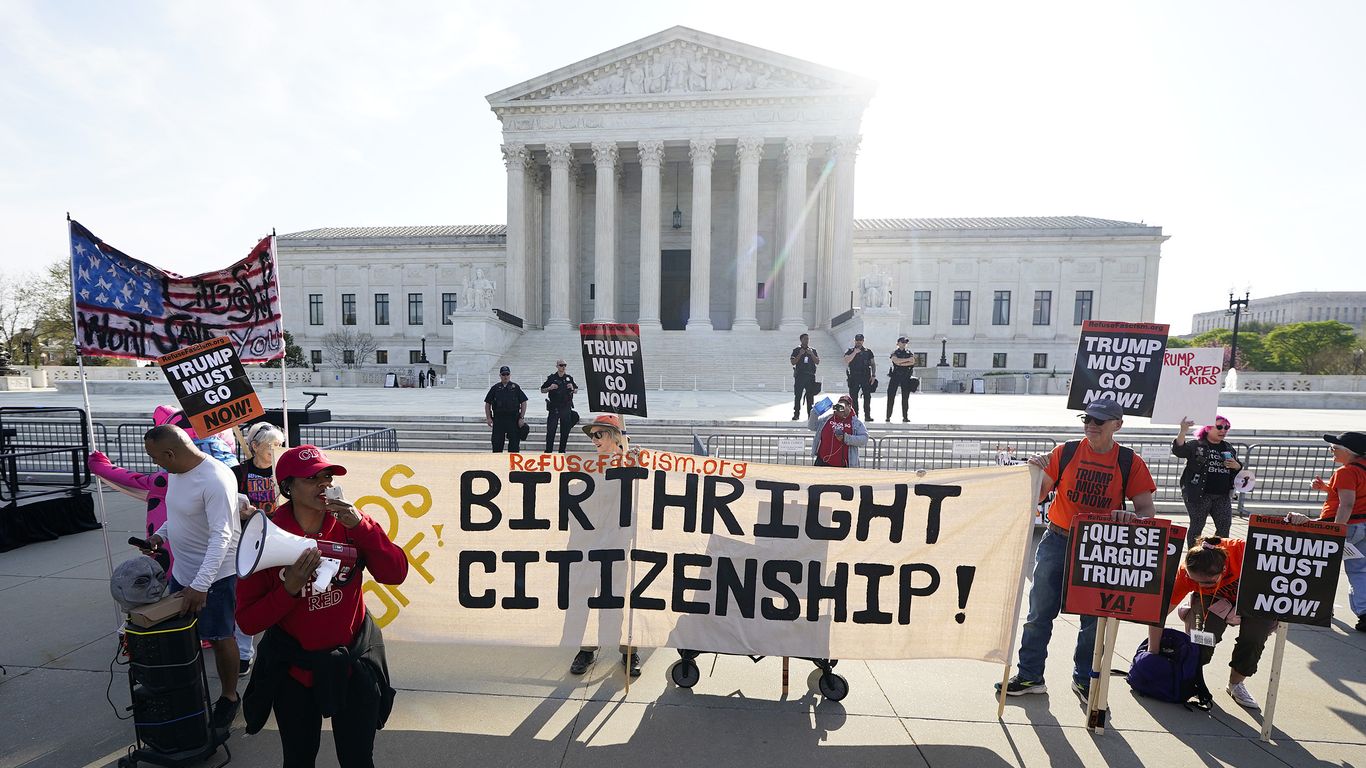
The Supreme Court struck down President Trump's executive order restricting birthright citizenship on Tuesday, reaffirming the long-held belief that any person born on American soil is a citizen.Why it matters: The decision is a blow to Trump, who sought to limit by executive fiat who is eligible for American citizenship as part of his widespread immigration crackdown.What they're saying: "Citizenship, then and now, was the right to have rights— to freely participate in our political community," Chief Justice John Roberts wrote for the five-justice majority."Children born in the United States to parents unlawfully or temporarily present are 'subject to the jurisdiction' of the United States and are citizens at birth under the Fourteenth Amendment's Citizenship Clause."Yes, but: In a dissenting opinion, Justice Clarence Thomas said "[b]oth the Civil Rights Act and the Citizenship Clause guaranteed citizenship to persons born and domiciled in the United States regardless of their race.""Because many potential applications of the President's Order are consistent with the original public meaning of the Citizenship Clause, I respectfully dissent."Threat level: If the administration had succeeded in its arguments, millions of babies would no longer be eligible for citizenship, losing their rights to work authorization, safety net provisions, voting and more.Some of those children could have become stateless with no guaranteed rights at all if their parents' home countries refused to grant them citizenship. Prior to the decision, Trump had lambasted Justices Neil Gorsuch and Amy Coney Barrett — both of whom he had appointed — on Truth Social, anticipating that they would vote against him on birthright citizenship."I don't want loyalty, but I do want and expect it for our Country," he said.Catch up quick: Trump's order sought to limit birthright citizenship to people who have at least one legally present parent in the U.S.The order was based on a once-fringe position that the 14th Amendment doesn't expand to those present in America illegally because they aren't "subject to the jurisdiction" of America, as required in the amendment.The majority of the justices appeared skeptical of the Trump administration's arguments during the case's initial oral arguments, including Roberts.Zoom in: Two of Trump's three appointees sided, at least in part, with the president.Justice Brett Kavanaugh concurred with the judgment but disagreed with the court's reasoning, arguing that Trump's executive order violated a separate immigration statute. Thomas was joined by Gorsuch, who wrote that "By definition, temporary visitors to this country do not choose to make a permanent home here, and their children thus cannot claim the privilege of citizenship.""Because the executive order is lawful at least to this extent, respondents' facial challenge must fail."By the numbers: Two-thirds of Americans support preserving the 14th Amendment's right to birthright citizenship.That includes the majority of Independents and many Republicans.Roughly 53% of Trump's most religious voting block — white evangelical Protestants — say they support the constitutionally guaranteed right.Go deeper: What's at risk if SCOTUS sides with Trump in birthright citizenship caseEditor's note: This story was updated with additional information and context throughout.