
Bloomberg Politics
New Jersey’s Kean Says He Was Treated for Depression
New Jersey Representative Tom Kean Jr. revealed that he has been treated for depression as he returned to the US House for the first time in nearly four months.
Center

Rep. Tom Kean Jr. (R-N.J.) will return to the Capitol on Tuesday for House votes after months away due to an undisclosed medical condition. Kean, who was endorsed by President Trump in his reelection bid earlier this month, will address the speculation about his absence from the House floor. The remarks come just days before…
New Jersey Representative Tom Kean Jr. revealed that he has been treated for depression as he returned to the US House for the first time in nearly four months.

New Jersey Republican Tom Kean Jr, told fellow lawmakers that depression was the reason he had been away since March.
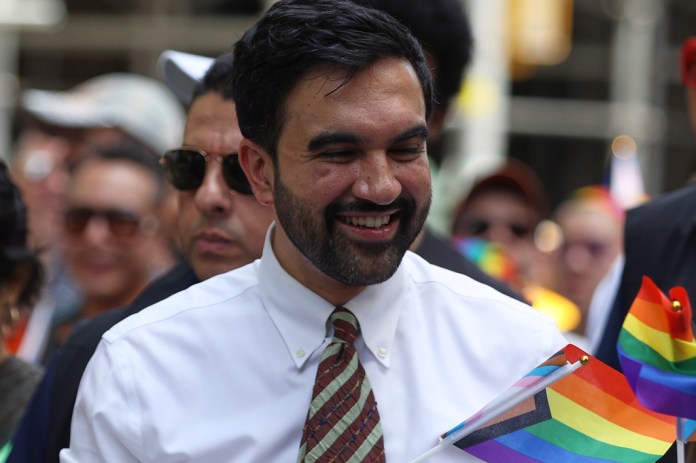
A socialist activist running for the New York State Assembly was previously arrested at least twice at protests. After embedding himself in New York City’s rowdy activist scene, Illapa Sairitupac is running in November for the Assembly’s 65th District, which covers Chinatown, Lower Manhattan, and other major areas. New York City Mayor Zohran Mamdani endorsed […]

New Jersey Rep. Tom Kean Jr. (R) is expected to return to the Capitol on Tuesday after months of an unexplained absence. Kean’s staffers say he is going to give a floor speech in which he will explain his absence for more than 100 missed votes. His team tied his absence to an undisclosed medical condition. …
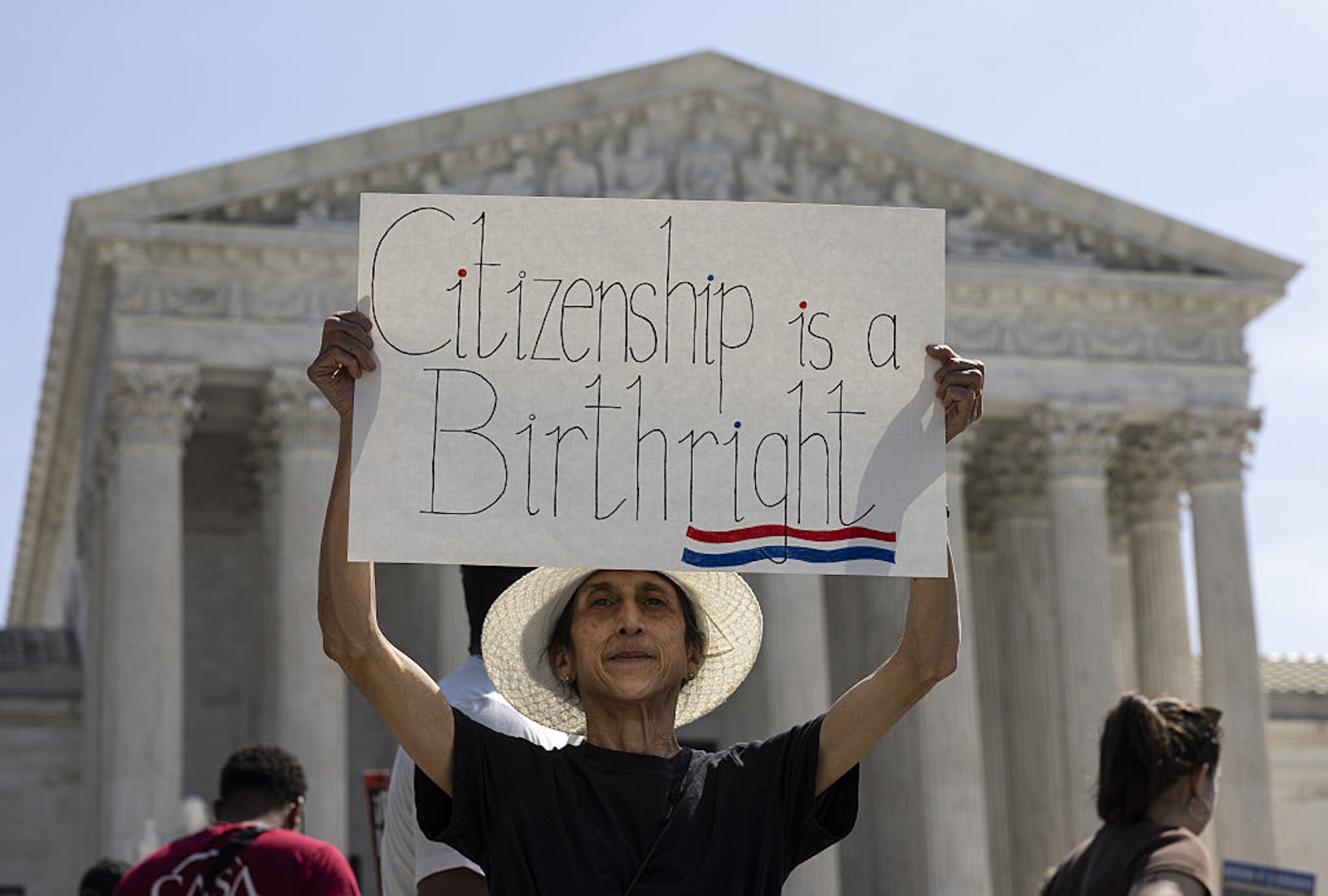
The Supreme Court ruled that the 14th Amendment makes any child born in the US is a citizen. Trump isn't giving up

The New Jersey Republican was missing for months with no explanation for his constituents. He explained in a House floor speech that after his diagnosis, there was no timeline for recovery.
Rep. Thomas Kean Jr. (R-N.J.) said on Tuesday that his lengthy and previously unexplained absence from the House was due to being treated for depression, publicly elaborating on the for the first time on the medical condition that had kept him away from Washington. Kean made the disclosure in a floor speech when he returned to the…

Immigration advocates are celebrating the Supreme Court's decision to uphold birthright citizenship as a win for children, families and the Constitution. But the decision was largely anticipated — and it's just one of a growing wave of worries over policies involving citizenship and immigration.The big picture: Legal disputes remain over the Trump administration's speedy deportation campaign, a ramped-up effort to revoke citizenship and recent Supreme Court decisions that undercut immigration protections."We need to keep fighting," says Efrén Olivares, the vice president of litigation and legal strategy at The National Immigration Law Center.Driving the news: "Citizenship, then and now, was the right to have rights— to freely participate in our political community," Chief Justice John Roberts wrote for the five-justice majority.Yes, but: Even with birthright citizenship intact, the federal government can still erect barriers to the rights that come with it, Robert Chang, the executive director of the UC Irvine Law School's Center for Law and Equality, says."In any instance where citizenship is a requirement, the federal government has so many levers to push," he says, like raising the bar to prove citizenship or immigration status.Between the lines: Advocates and analysts see the administration shifting its strategy away from the highly confrontational spectacle of the Noem-Bovino era toward quieter changes.One example is the Trump administration's plan to file at least 250 denaturalization cases by October, which the DOJ confirmed to Axios via email. Todd Schulte, the president of immigration and criminal justice advocacy group FWD.us says it's "an all-of-government approach... instead of highly visible jump-out stuff we saw in the federalized deployments."Zoom out: Without much fanfare, the administration has recipients of the Obama-era Deferred Action for Childhood Arrivals (DACA) program, or Dreamers, holding their breath as status renewals are slow-walked.Immigration hardliners believe the administration is effectively quietly ending DACA while attempting to avoid political fallout, Axios' Brittany Gibson reports.And while Tuesday's decision is a win for immigration advocates, it comes just days after the Supreme Court cleared the path for the administration to reject asylum seekers who haven't yet crossed the southern border and end humanitarian protections for Syrian and Haitian nationals.The 6-3 decision that the Temporary Protected Status program is largely shielded from judicial review has ramifications for hundreds of thousands living and working in the U.S., many of whom already had their protections under threat."People end up in this twilight zone where they're here, they're in jeopardy, they lose work authorizations," Chang says, noting the vast resources that would be needed to actually conduct mass deportations.The bottom line: The high court's record on immigration is far from set, with other major immigration policy debates — like those over fast-tracked deportations and mandatory detention — working through the courts.Go deeper: Scoop: Trump escalates citizenship crackdown