US and Iran Say They’ve Agreed Deal to Reopen Hormuz This Week
Center
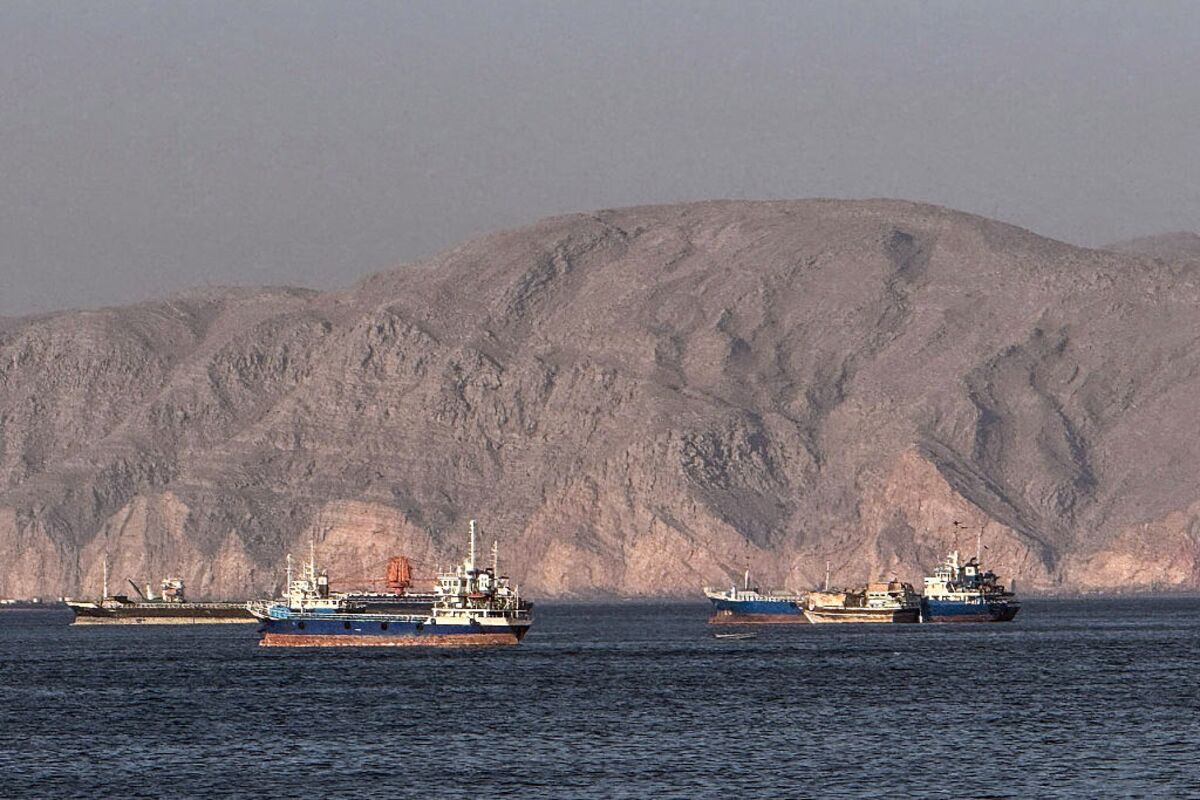
The US and Iran said they reached an interim peace agreement to reopen the Strait of Hormuz and move further toward ending a war that’s killed thousands of people across the Middle East.
Trump says a deal has been reached to end the war between the U.S. and Iran. Plus, this is what extreme temperatures do to the human body — and how you can keep yourself safe.
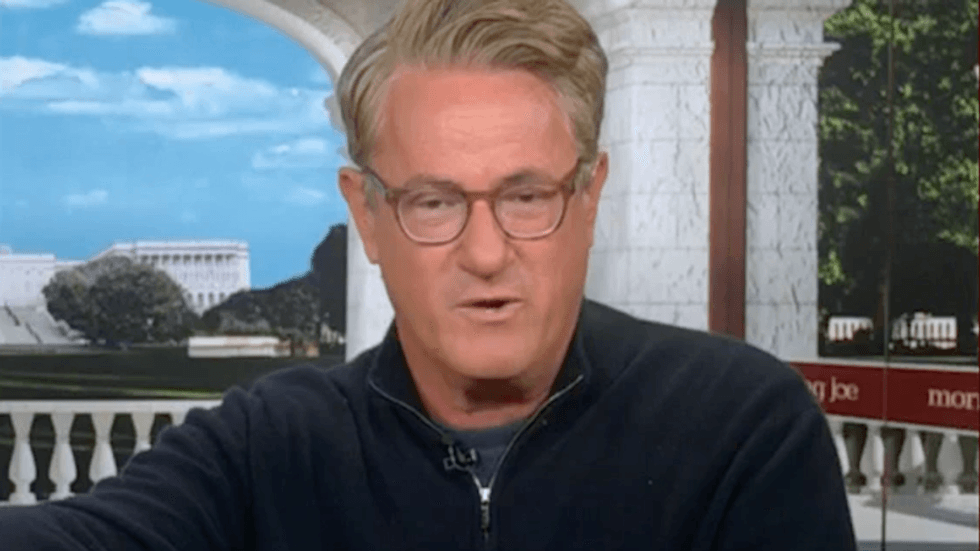
MS NOW's Joe Scarborough dumped cold water on an agreement President Donald Trump has reached to end his war in Iran.Iranian officials confirmed an agreement has been finalized, and Trump has said Strait of Hormuz will reopen Friday once the deal has been signed, but the "Morning Joe" host slammed the president for starting the war in the first place and questioned what had been gained in relation to the steep cost."Everybody around these talks believe that 60 days in, they're going to start charging tolls, and then you look at the sanctions relief they're going to get, which, again, the Trump administration, as you know, constantly berated Joe Biden's administration for lifting sanctions against Iran from time to time," Scarborough said. "They're going to do it, and we have talk of reconstruction. If Iran behaves well down the road, I mean ... and again, the devil's in the details. We're really glad there's a possibility that this war, which should have never started, comes to an end.""But let's just tell it like it is, whether if people want to be lied to, go to another channel because I can tell you which channel to go to," Scarborough added. "They will be lying through your teeth to you right now telling you how wonderful this is. But if you want to know the truth of what's happening right here, the fact is, people in the neighborhood around Iran have every reason to be scared to death right now because this is a more radical, a more enraged and soon to be richer Iran thanks to this war."Co-host Jonathan Lemire agreed and echoed Scarborough's comments. "Yeah, well, tell it like it is," Lemire agreed. "This is a defeat for the United States. Iran is stronger now than they were at the beginning of the war. We heard, how often [have] we heard not just President Trump complaining about the sanctions relief that the Biden administration gave Iran, but think about how the pallets of cash that he would blast the Obama team for sending Tehran, that's going to be dwarfed by the amount of money that's likely going there now on the Strait of Hormuz. Not only is A., after 60 days, Iran has indicated they believe they'll charge for tolls, but B., despite President Trump's celebration last night about the strait being open and free for everyone to use. That obviously, that's temporary, but also it already was before the war. That was the status quo that's how things existed. He made things worse.""We now have a hardline regime, embittered and certainly no reason to ever trust the United States again because we keep bombing them during the midst of negotiations," Lemire added. "Let's think about the cost here, not just the billions upon billions in terms of dollars the United States spent, but also the lives lost civilians, including a girls school and the first hours of the war. This is a significant you know, the United States looks significantly weaker right now in that region than before, and Iran's ability to close the Strait of Hormuz and hit its neighbors seems, you know, unchecked." - YouTube youtu.be
Israel vowed on Monday it will continue rooting out Iranian-backed Hezbollah terrorists in Lebanon and said it will hit Tehran with “all our might” if the clerical regime attacks – just hours after President Trump announced a deal to end the three-month-old war had been reached. Defense Minister Israel Katz refused to say when Israeli...
As part of her budget deal, Gov. Kathy Hochul managed to get lawmakers to agree to various reasonable demands unrelated to how much state government spends.
President Donald Trump marked his 80th birthday on Sunday by hailing an initial agreement to end the war in Iran and staging a cage-fighting show on the White House's storied South Lawn.
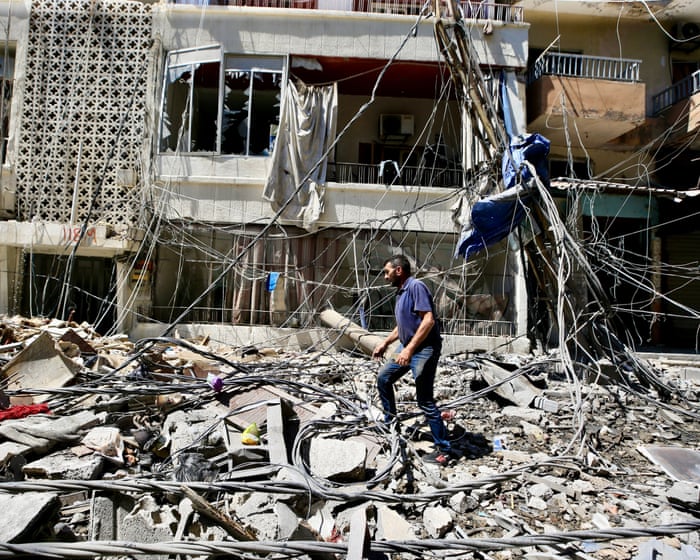
As the world waited for rational outcomes from irrational players, the people being bombed were forced to adjust to the fact of terror as part of daily life“Humans take a lot of killing,” wrote Frank McCourt in Angela’s Ashes. As bleak a phrase as it is, McCourt was talking about resilience, how much poverty and abuse a person can withstand and still survive. But the other side of human capacity for pain is how much can be forced upon us and normalised. It is bewildering how war – shocking and intolerable at first – quickly becomes a matter of fact. Few conflicts have demonstrated that more vividly than the war on Iran. For months it was a matter of low-grade strikes, hot and cold rhetoric, and near-conclusions to the hostilities that never came. Sharp political crisis manifested as grinding hardship and upheaval for the people.We have a peace deal now, for that be thankful, but think what preceded it. Over the past week alone, Donald Trump had ordered strikes on Iran, and expressed a desire to take Kharg Island, which handles 90% of Iran’s crude oil exports. He then prematurely declared that the US had ended the war on Iran in a “great settlement”. The markets did their customary flicker in response to the announcement of a deal, but the rest of us, not invested in oil futures, could have been forgiven for not registering a reaction to imminent peace – he had made the same promise almost 40 times. In press conferences, social media posts and interviews over the past few months, Trump had said relax, it’s almost over. Just how not over it was can be traced by the strikes and counter-strikes across the region, the closure of the strait of Hormuz, general global economic upheaval and specific Middle East destabilisation. Continue reading...
Justin Gaethje provides a perfect ending for American spectators at the White House, including President Donald Trump, as he shocks Ilia Topuria to win the UFC undisputed lightweight title.