Hegseth urges Europe to take lead in ‘NATO 3.0’ reboot
US War Secretary Pete Hegseth said Thursday that America’s allies in Europe must take the lead on the defense of their own continent and help turn NATO into “a read hard-line military alliance.”

Bloomberg Daybreak Europe is your essential morning viewing to stay ahead. Live from London, we set the agenda for your day, catching you up with overnight markets news from the US and Asia. And we'll tell you what matters for investors in Europe, giving you insight before trading begins. President Donald Trump signed an interim deal to end the war with Iran and reopen the Strait of Hormuz, speeding up the timeline for the agreement to go into effect despite blowback from Republicans who said it amounted to a victory for Tehran. Federal Reserve Chairman Kevin Warsh vowed to restore price stability following his first policy meeting since taking the helm of the US central bank, after officials left interest rates unchanged and signaled growing support for rate hikes this year. Today's guests: Jackie Bowie, Head of EMEA, Chatham Financial; Chloé Poisbeau, COO, Alice & Bob. (Source: Bloomberg)

US War Secretary Pete Hegseth said Thursday that America’s allies in Europe must take the lead on the defense of their own continent and help turn NATO into “a read hard-line military alliance.”
World Cup fever has reached just about every part of the United States, even the east end of Long Island, where the U.S. Open is taking place.
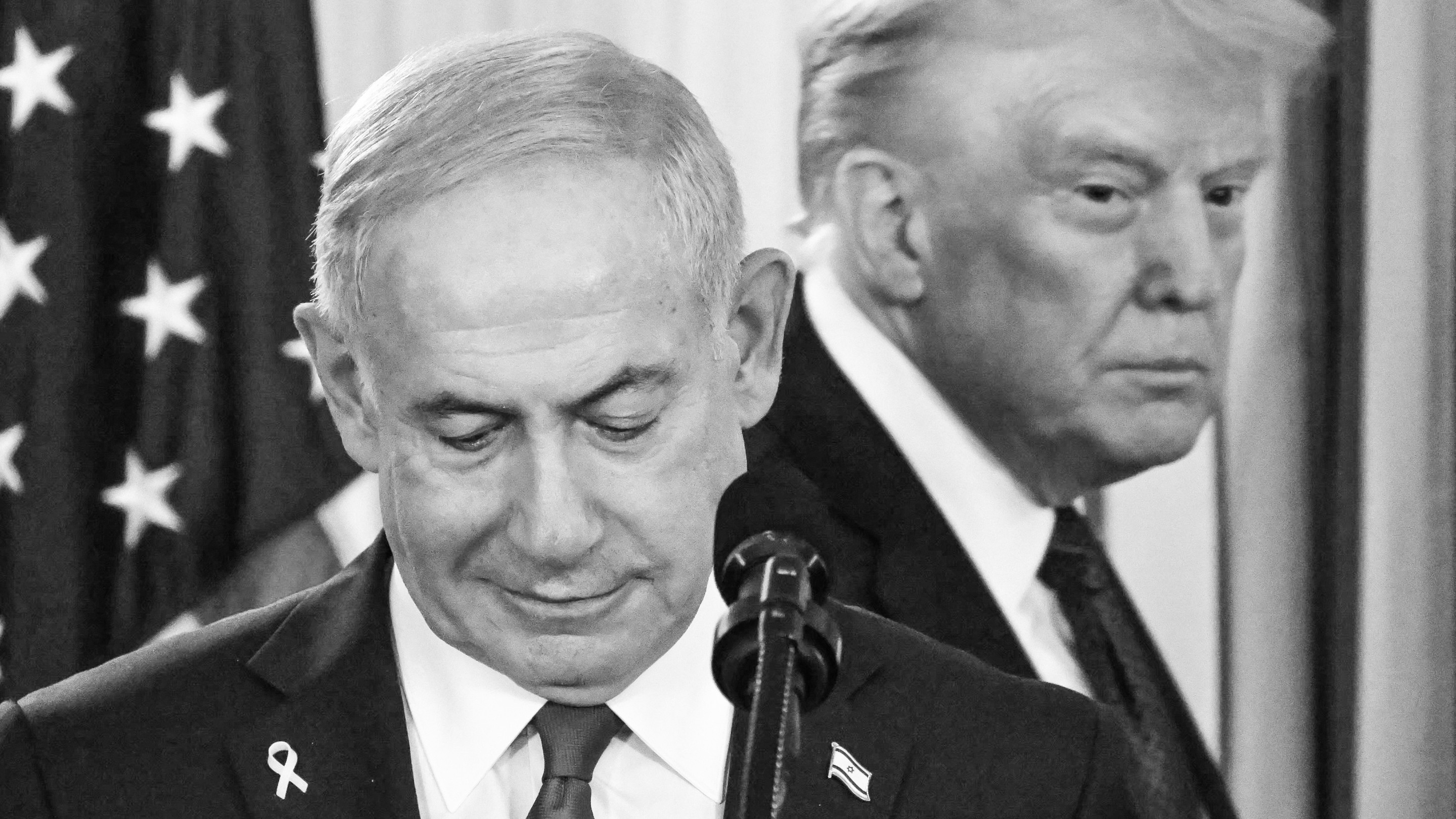
An alliance with the president was the Israeli prime minister’s selling point. Now it may be his downfall.
The agreement, which punted many of the toughest issues to future negotiations, came after a last-minute scramble.
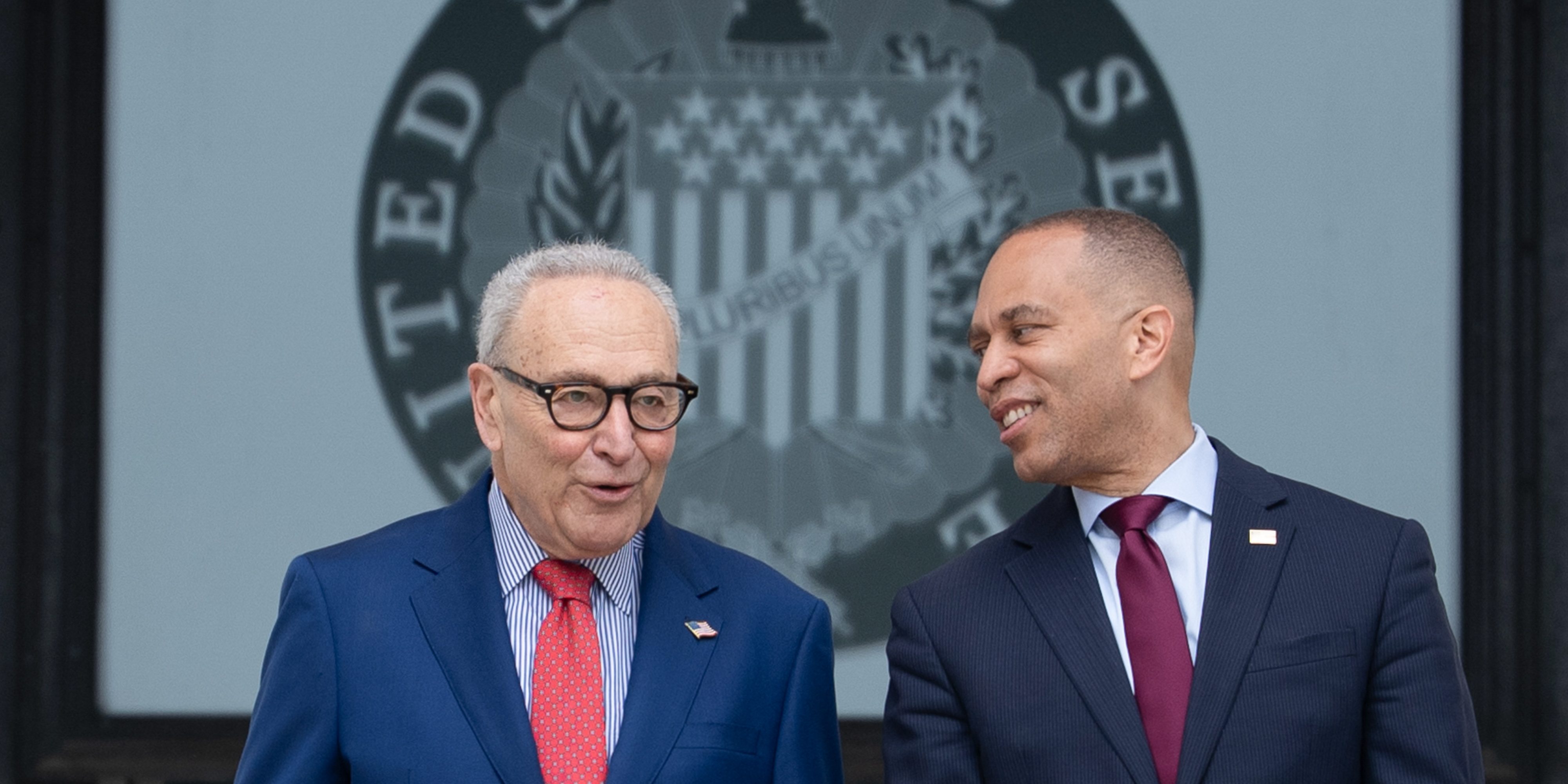
Democrats balked at handing Bill Pulte spy powers. Will they stay strong against Trump’s new pick for intel chief? The post Are Jeffries and Schumer Getting Ready to Greenlight Domestic Spy Power for Trump? appeared first on The Intercept.
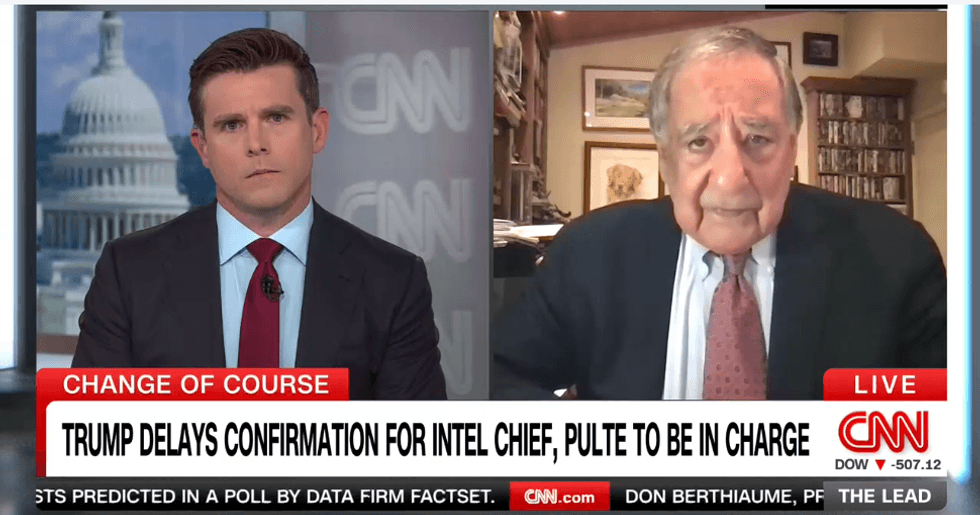
A national security expert flagged the impact of one of President Donald Trump's moves that effectively allowed a key U.S. spy tool to expire.During an appearance on CNN, Leon Panetta, the former CIA director under former President Barack Obama and White House chief of staff during the Clinton administration, expressed concern about the expiration of a key part of the Foreign Intelligence Surveillance Act.House lawmakers refused to reauthorize Section 702 of FISA earlier this month in response to Trump's pick for acting director of national intelligence, Bill Pulte. When Trump refused to drop Pulte, FISA lapsed, and Panetta explained what losing FISA means for national security."You want to create a vulnerability in terms of our national security? Prevent FISA from taking effect," Panetta said. "Because what that does is it allows terrorists to be able to communicate in this country."FISA provides the U.S. with the "ability to basically capture that kind of communication so that we know what terrorists are up to and what threats our country is facing," Panetta added."With FISA shut down right now, without question, this country is very vulnerable to some kind of terrorist attack," Panetta said. "People have got to wake up. The president's got to wake up."Panetta said that he understands "the political games that go on sometimes," but "at this moment, our national security is what is most important to the president, to the country and to Congress."