The Federalist
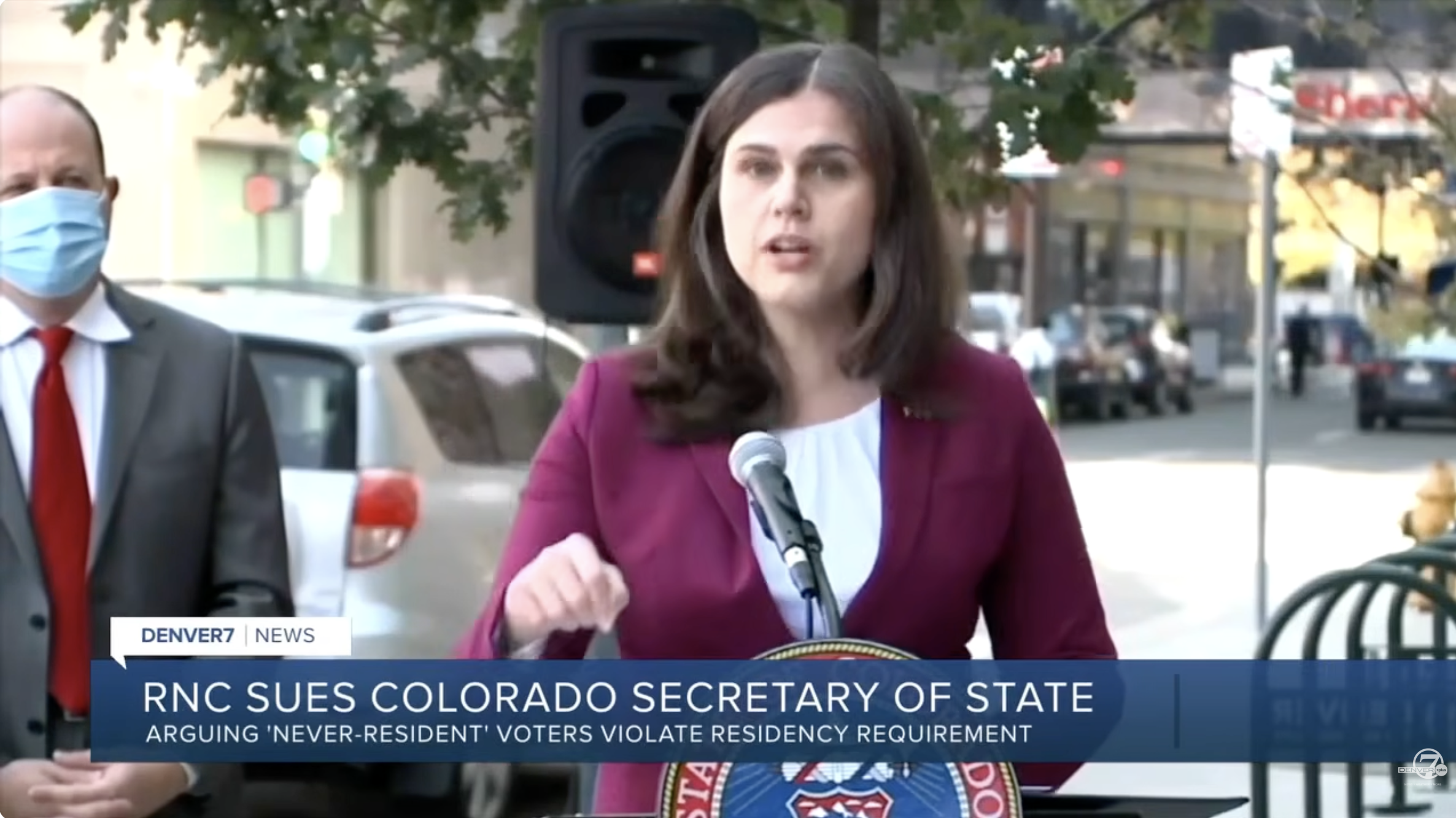
RNC Sues Colorado’s TDS-Afflicted Elections Chief For Violating State Constitution
Secretary of State Jena Griswold's UOCAVA guidance permitting 'never residents' of Colorado is in conflict with residency law.
Far Right
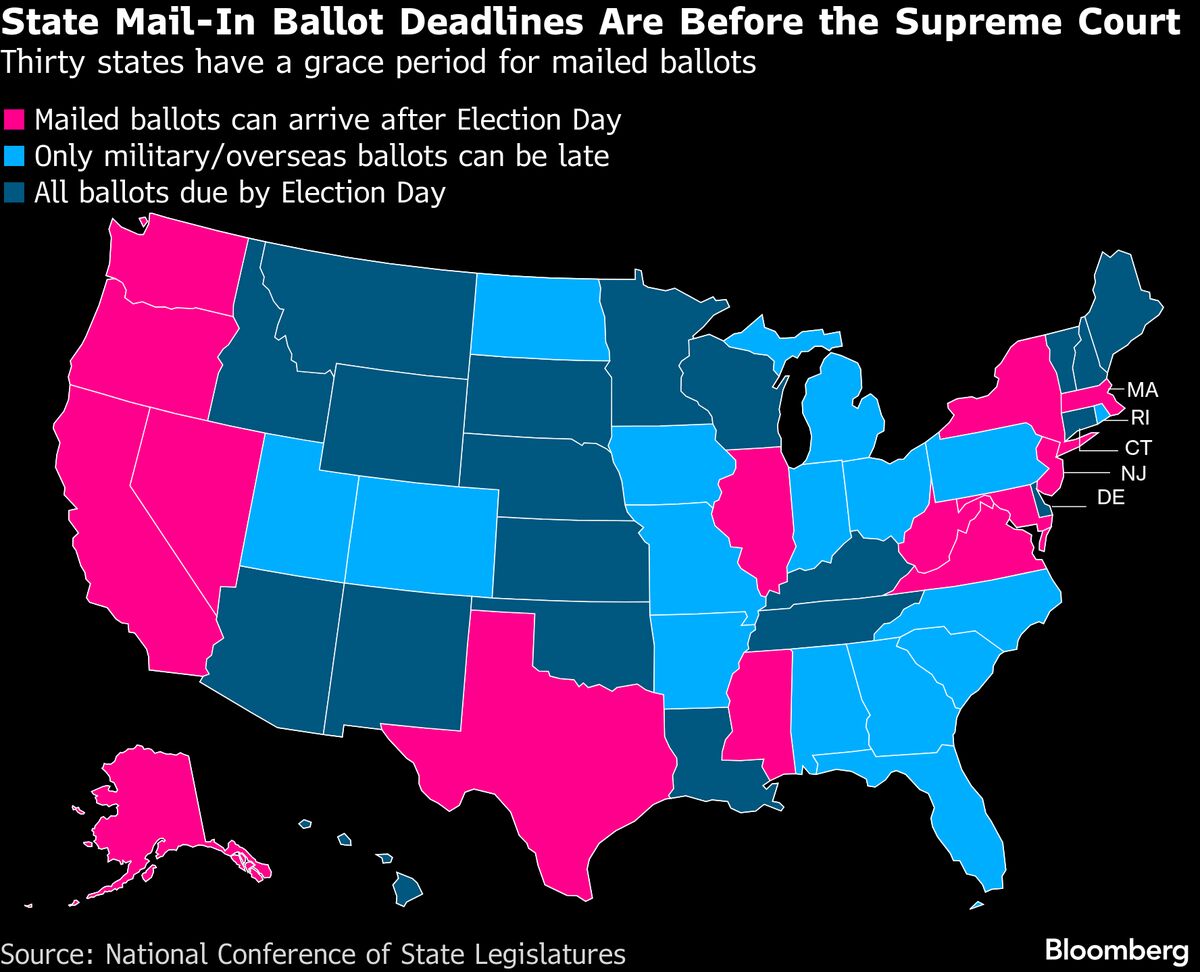
The US Supreme Court ruled that federal law permits mail-in ballots to arrive after Election Day in a decision that preserves grace periods in 30 states.
Secretary of State Jena Griswold's UOCAVA guidance permitting 'never residents' of Colorado is in conflict with residency law.
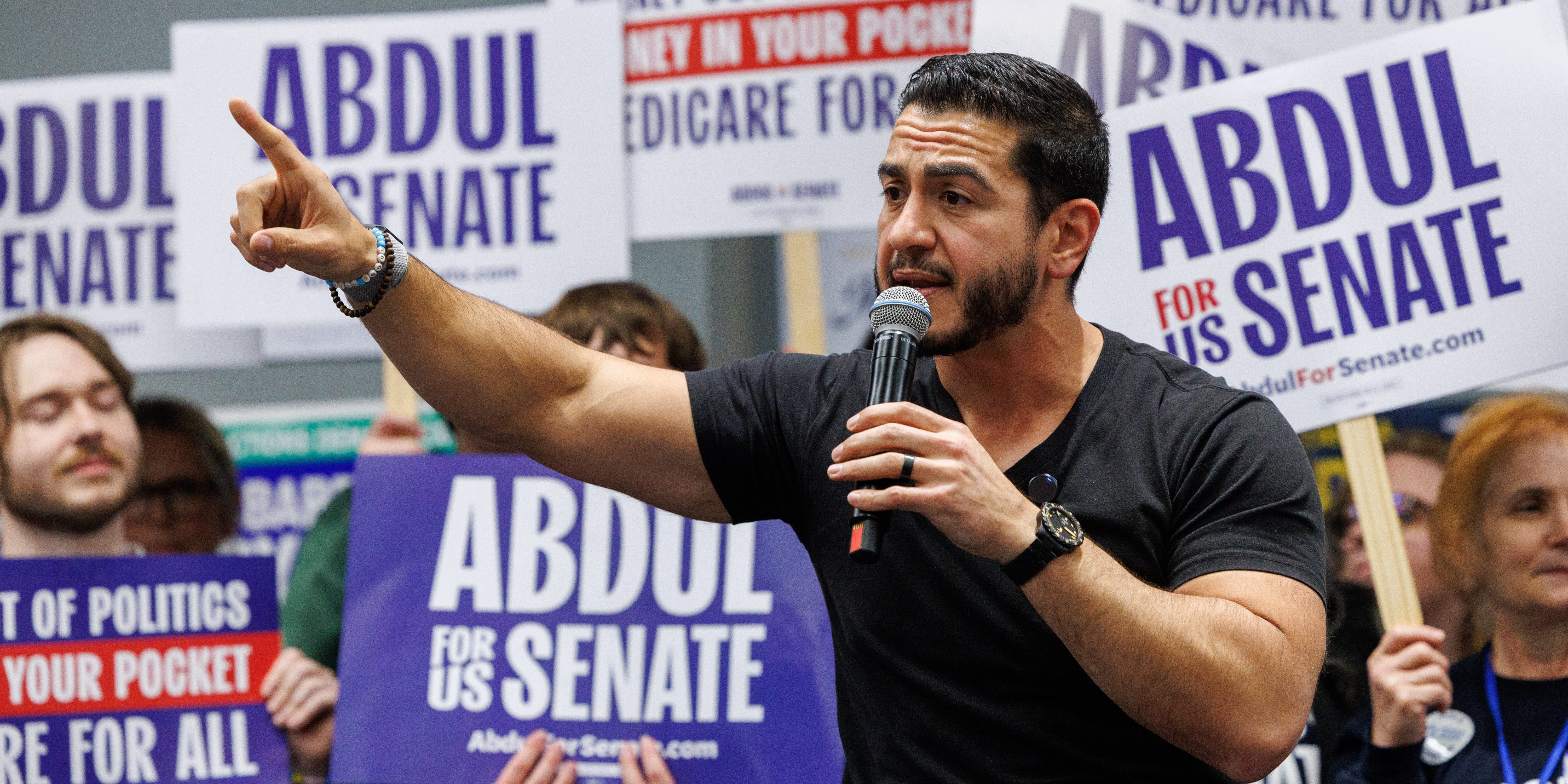
The political arm of Jewish Voice for Peace, known for protesting the genocide in Gaza, is wading into the race for the open Senate seat in Michigan. The post Abdul El-Sayed Becomes First Senate Candidate Backed by Pro-Palestine Jewish Group appeared first on The Intercept.
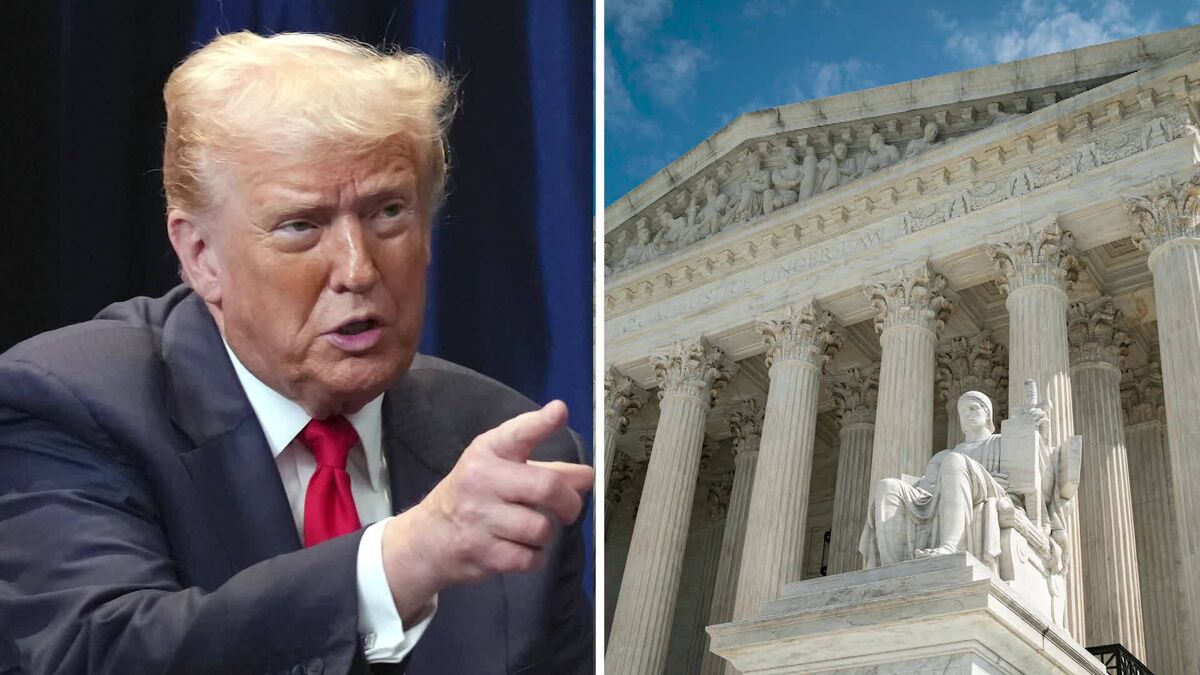
A divided US Supreme Court expanded the president’s power to fire top government officials in a blockbuster decision that puts the White House firmly in control of potentially dozens of agencies that have long operated independently. Bloomberg Law Host June Grasso explains what the decision entails. (Source: Bloomberg)

The Supreme Court delivered a consequential setback for the commander-in-chief and executive power.
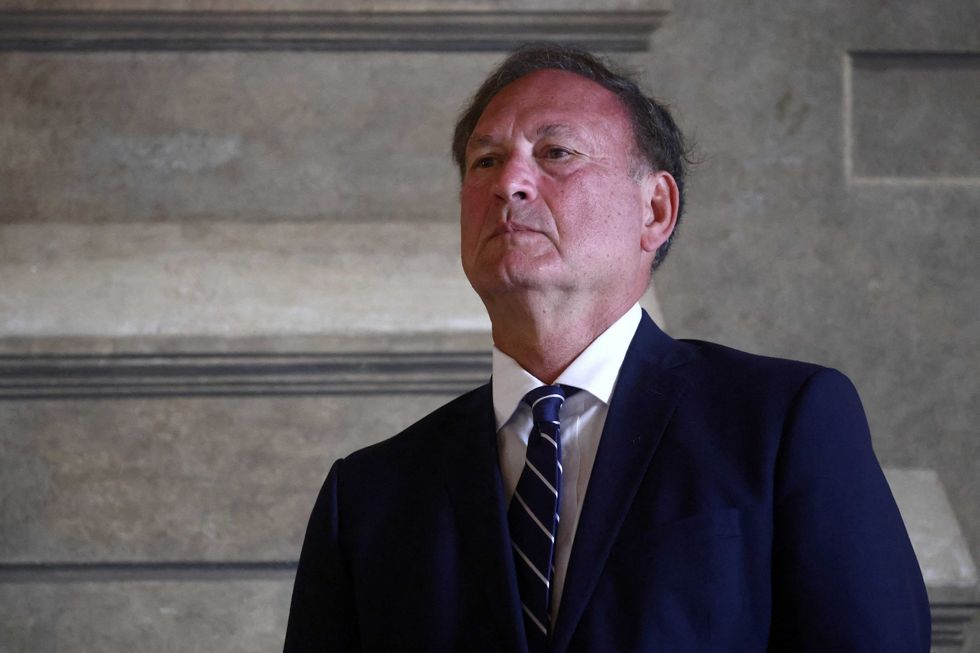
Justice Samuel Alito's legal reasoning in a landmark voting rights case was mocked as "braindead" and blamed on his presumed consumption of conservative media.The U.S. Supreme Court upheld a Mississippi law by a 5-4 vote allowing election officials to count mail-in ballots that are postmarked by Election Day but received up to five days after it, and Justice Amy Coney Barrett authored the majority opinion finding that grace periods still met statute's requirement that voters make their choice by election day."That occurs so long as election day is the deadline for individuals to vote — as it is in Mississippi," Barrett wrote. "But the election-day statutes do not set a deadline for ballot receipt, so they do not prevent Mississippi from counting ballots postmarked before election day yet received afterward."Alito authored the dissent, where he complained that "majority's holding spawns a slurry of troubling election-law questions and risks further undermining Americans' confidence in election integrity," and one particular argument stood out to critics."What the election-day statutes demand is that this authoritative choice be made on election day," Alito wrote. "If ballots received after election day are added to the set of ballots that dictate the election’s outcome, the electorate’s choice does not occur on election day, and the federal election-day statutes are violated."Many legal experts disagreed and faulted Alito's logic in the case."Alito’s dissent in the vote counting case makes perfect sense if you think of it from the perspective of a braindead Fox News viewer who thinks Dems are 'cheating' when more vote get counted and a Republican lead in the count is erased," argued writer Adam Serwer."Alito sounds a little bit like someone who fell in love with the chatbot here," pondered reporter Ted Mann. "The votes are inanimate. The voters are not.""Alito's argument – that counting ballots after Election Day means 'the electorate’s choice does not occur on election day, and the federal election-day statutes are violated' – is some of the dumbest reasoning I have ever seen," opined MS NOW's James Downie. "The 'choice' doesn't occur at the time of counting!""If you vote in person at 8:59 PM on Election Day but you ballot isn't counted until one or two days later, the choice was still made on Election Day," noted author and podcaster Doug Gordon. "Why would a ballot postmarked on Election Day but not received until one or two days later be any different? (Answer: Because Alito has brain worms.)""Alito 100% thinks that the 'blue shift' in vote counting represents a dynamic change in the outcome," wagered New York Times columnist Jamelle Bouie. "To borrow from @kalimurray.bsky.social this is not a smart man.""I would love Alito to explain to me how he thinks elections worked in the 1790s," challenged civil rights lawyer Johsua Erlich.

President Trump on Monday slammed the Supreme Court ruling allowing states to count mail-in ballots received after Election Day, arguing it is now even more important for Congress to pass the Safeguard American Voter Eligibility (SAVE America) Act. The Supreme Court upheld a Mississippi law that allows mail-in ballots sent by Election Day to be…
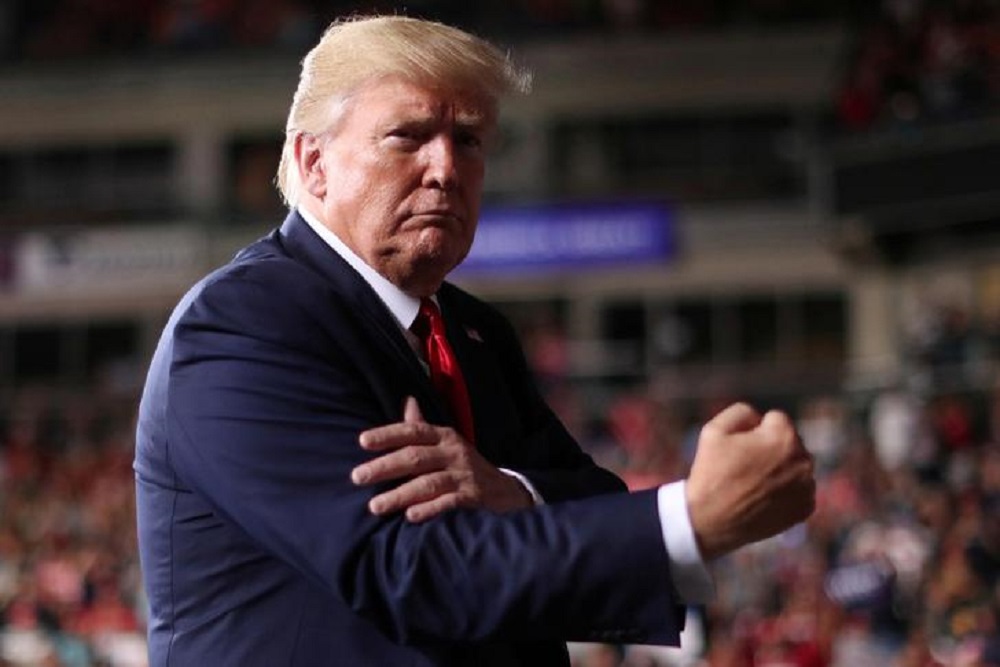
Now the good news. As noted by Justice Thomas, this decision when contrast against the Lisa Cook decision does not find alignment. By a vote of 6-3, the justices struck down a federal law that bars the president from firing members of the Federal Trade Commission except in cases of “inefficiency, neglect of duty, or malfeasance […] The post Supreme Court Rules 6-3 That President Can Remove Any Agency Head in Executive Branch appeared first on The Last Refuge.
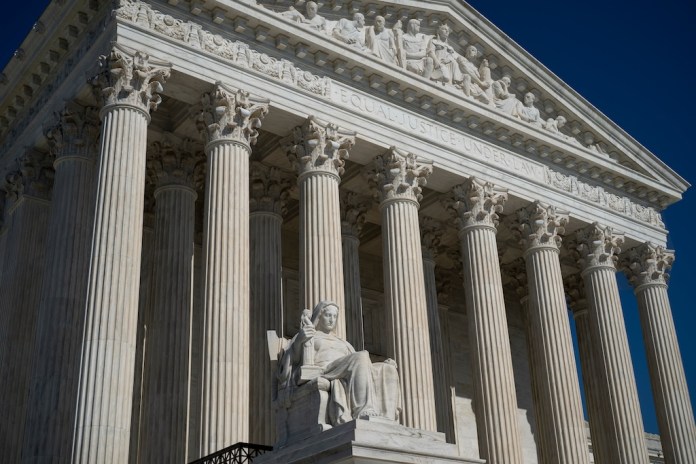
The Supreme Court ruled Monday that law enforcement’s use of a geofence warrant to obtain cellphone location data constitutes a search under the Fourth Amendment, marking a significant privacy ruling while stopping short of declaring the investigative tactic unconstitutional. In a 6-3 decision written by Justice Elena Kagan, the justices vacated a lower court ruling involving Virginia […]