NBC News Politics
Top Match
Supreme Court temporarily allows Trump ballroom construction to continue
Supreme Court rules on whether Trump can move forward with construction on the White House ballroom.
Center Left

The ruling comes after months of back-and-forth between the Trump administration and the National Trust for Historic Preservation.
Supreme Court rules on whether Trump can move forward with construction on the White House ballroom.
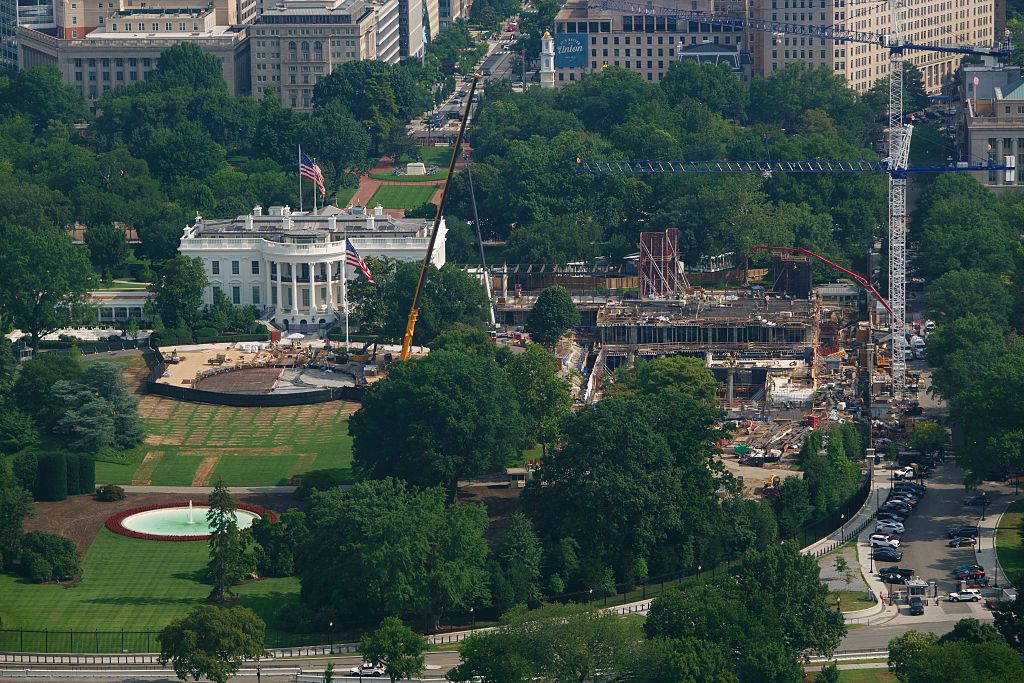
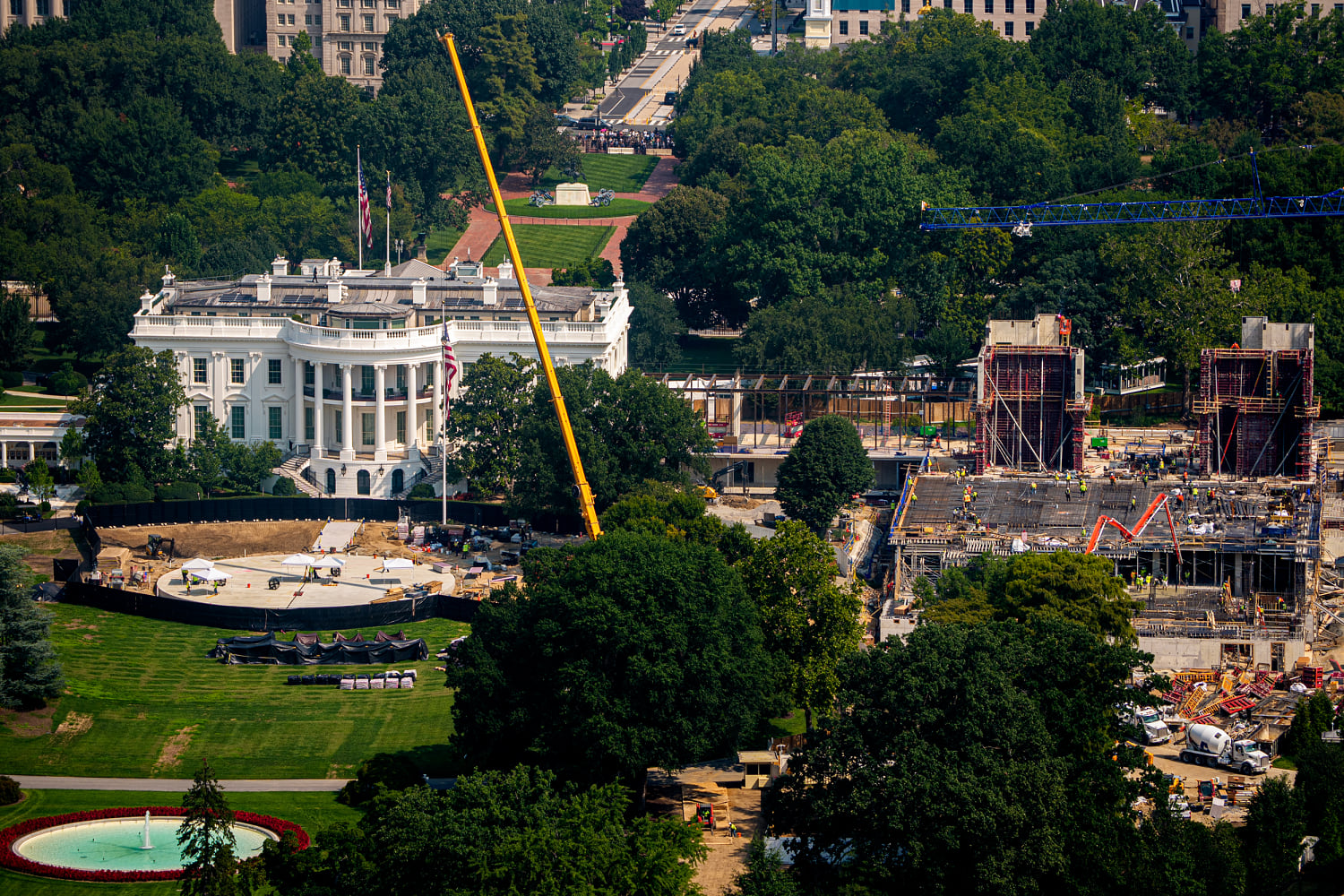
President Donald Trump had the White House's East Wing demolished in 2025 to make way for his controversial planned ballroom.
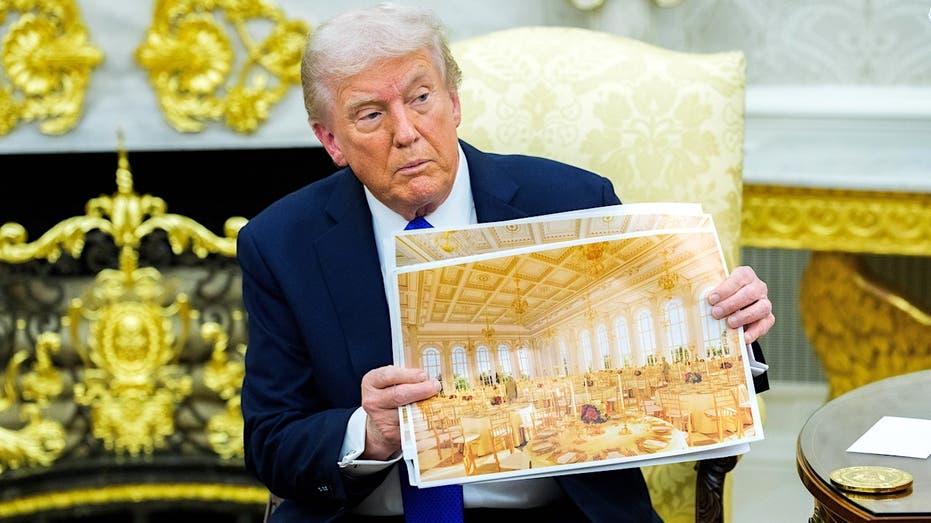
Chief Justice John Roberts issued a stay allowing above-ground White House ballroom construction to continue as the Supreme Court weighs the case.
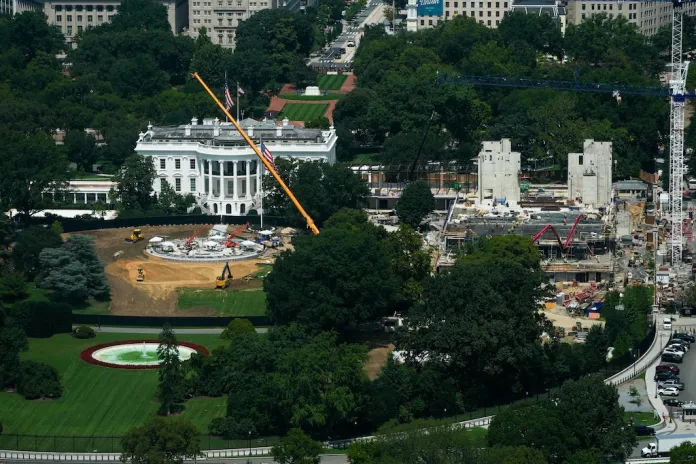
The Supreme Court handed President Donald Trump a major yet temporary win on Friday by allowing construction to continue on the White House ballroom for now. The high court issued an administrative stay on its emergency docket, signed by Chief Justice John Roberts, allowing construction to continue on the ballroom. The stay will be in […]
Lower courts had ordered a halt to the project, finding that it must have congressional approval.
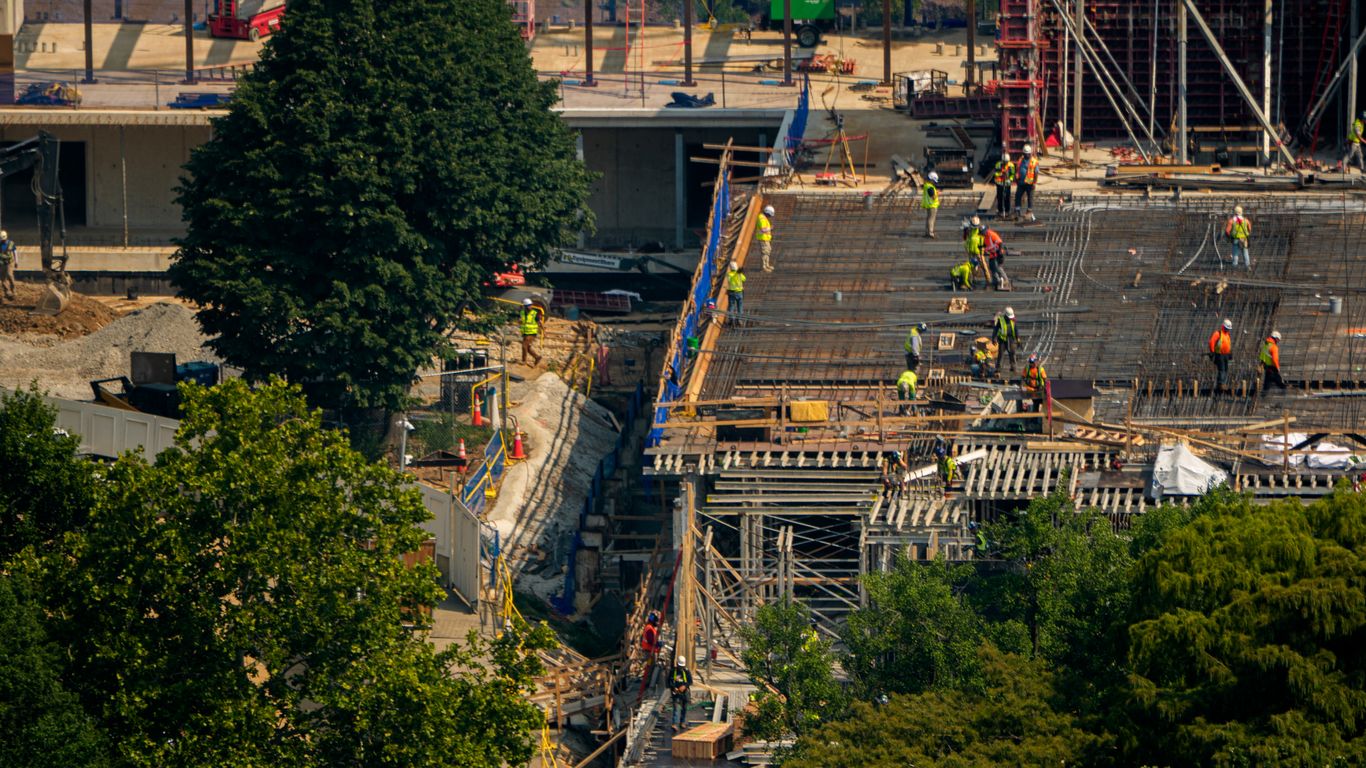
The Supreme Court ruled Friday that President Trump's sprawling ballroom project can proceed for now, despite a lower court's ruling that halted the administration's plans.Why it matters: The decision is a major win for the administration, which has argued that demolishing the White House's East Wing and building the ballroom are necessary for security.Driving the news: In a brief order, Chief Justice John Roberts paused the halt the D.C. District Court put on construction while the court weighs his request.It did not address the legality of Trump's project or give a timeline for when the court will weigh in. Catch up quick: The administration turned to the Supreme Court after a divided federal appeals court panel blocked construction earlier this month, saying Trump needed congressional approval on the project.That court suspended its decision for two weeks to give Trump's team time to appeal to the Supreme Court.Zoom in: "This case involves an extraordinary and unlawful injunction that will halt the ongoing construction of the integrated military complex, including a totally secure ballroom space, at the East Wing of the White House, which is vitally required by national security," Solicitor General D. John Sauer argued in the administration's petition to the justices.However, Judge Richard Leon clarified in April that while the government was barred from taking any action to develop the ballroom, his order allowed below-ground construction of national security facilities or work necessary to protect the site and the president.Still, Sauer urged the court to stay the injunction "for the sake of the President's safety, the continuity of government, and the separation of powers."The big picture: The White House has pointed to the alleged plot against the White House's July UFC fight and the White House Correspondents' Dinner attack as evidence of a heightened threat environment that boosts the need for the ballroom.But Trump has long mused about adding a ballroom at the White House.Upon his return to office, he claimed the project wouldn't interfere with the current White House structure — but then the East Wing was knocked down and a fast-tracked process to build the ballroom began.A White House official wrote in a filing sent to the Supreme Court that the project is already 65% complete and that construction of the underground facilities is nearly finished.Zoom out: The joint cost of the ballroom and underground bunker is projected to be at least $600 million, up $400 million from when the project was first announced.Trump originally said private donors would fund the ballroom, but the administration has asked Congress to use taxpayer dollars for security upgrades for the ballroom and other areas of the White House complex.Roughly $352 million in taxpayer dollars was redirected to the project in June from money allocated through the One Big Beautiful Bill.Go deeper: New White House East Wing renderings reveal gold additionsEditor's note: This story has been updated with additional details throughout.
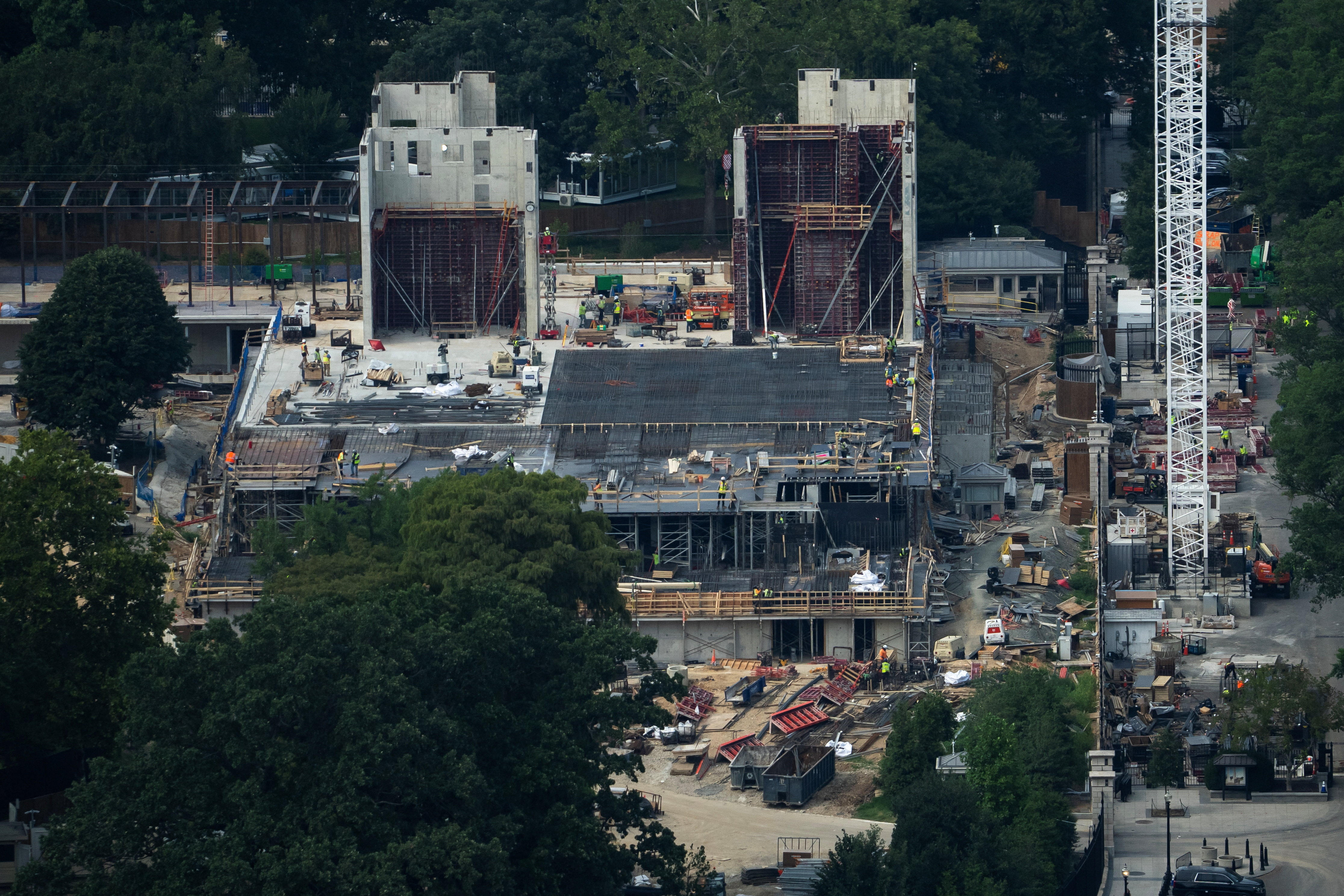
The temporary order comes hours before lower-court rulings would have forced a halt to aboveground construction.
The Supreme Court of the United States (SCOTUS) has temporarily allowed construction on the White House ballroom to continue after a lower court halted the work.