Trump calls Supreme Court's birthright citizenship ruling "too bad," asks Congress to intervene
The Supreme Court gutted one of President Trump's signature policies, rejecting his effort to end birthright citizenship. Jan Crawford has more details.

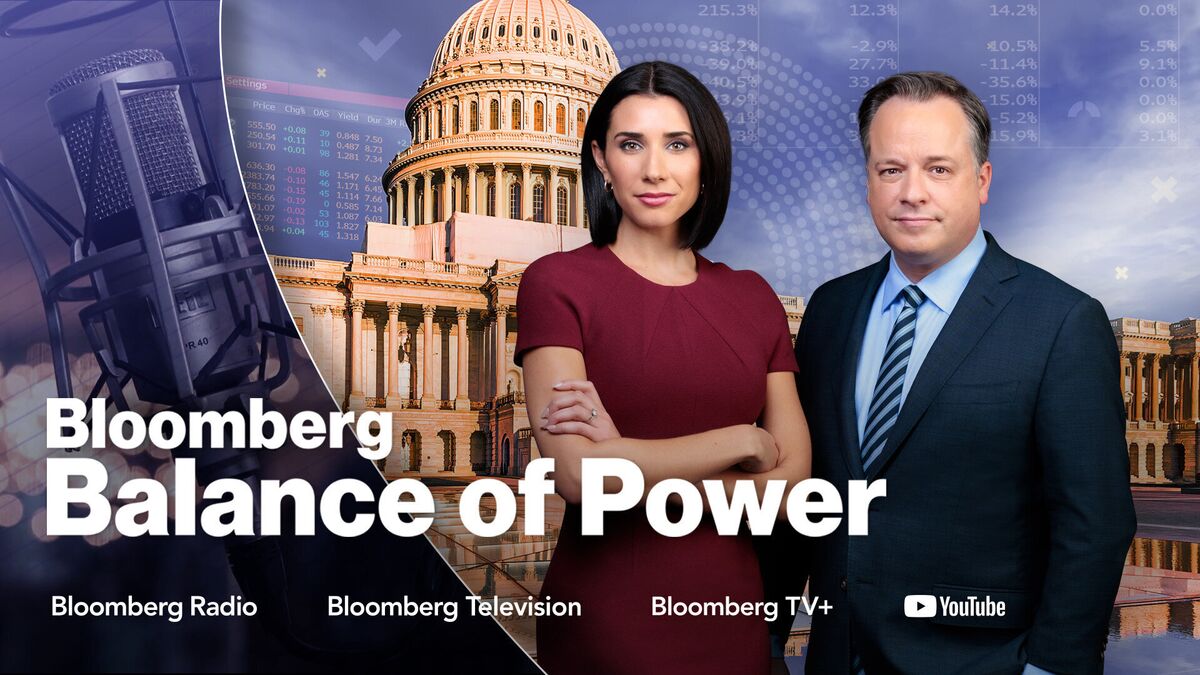
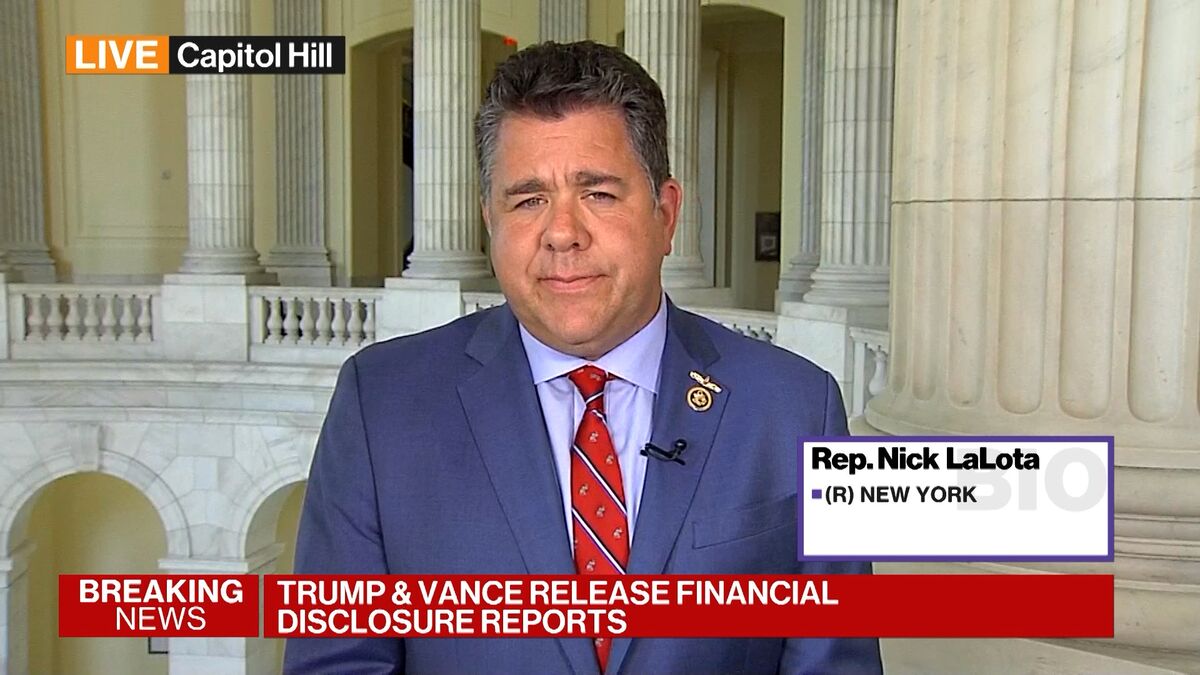
Representative Nick LaLota, a New York Republican and member of the House Appropriations and Homeland Security committees, says he was “a little disappointed” by the Supreme Court’s birthright citizenship ruling but believes the opinion leaves room for Congress to act. LaLota says he sees a path for lawmakers to pursue legislation “to narrow the scope” and limit birthright citizenship to those lawfully present in the US and not on tourist visas. He also discusses the court’s campaign-finance ruling, the outlook for Iran talks, gas prices and President Donald Trump’s financial disclosures. He speaks with Kailey Leinz and Joe Mathieu on the late edition of Bloomberg’s “Balance of Power.” (Source: Bloomberg)
The Supreme Court gutted one of President Trump's signature policies, rejecting his effort to end birthright citizenship. Jan Crawford has more details.
The Supreme Court on Tuesday struck down federal limits on how much political parties may spend in coordination with candidates, handing party committees a major win and reshaping campaign-finance rules ahead of the midterms.Why it matters: Freed from the caps, party committees can now spend without limit alongside their candidates — making them a far more powerful magnet for the big-dollar money that's flooded into super PACs over the past 15 years.Driving the news: In a 6–3 decision with a majority opinion by Justice Brett Kavanaugh, the court held that the coordinated party expenditure limits violate the First Amendment.The decision overturns a 25-year-old precedent that had upheld the same limits.The intrigue: The decision comes at a time when insurgent anti-establishment candidates have garnered success in both parties.Supporters of striking down Congress' limits on coordination have said the guardrails weaken parties while super PACs and other outside groups have become dominant players, especially after the court's landmark 2010 Citizens United decision.Critics say removing the caps could let major donors evade the few remaining anti-corruption safeguards, which is a stepping stone to allowing PACs to directly coordinate with candidates.The decision could make party committees more attractive vehicles for donor money in competitive races.What they're saying: "More speech is generally better than less speech," Kavanaugh wrote for the majority.In dissent, Justice Elena Kagan warned that the ruling brings about an old era of corruption: The "Court ushers back in the same opportunities for quid pro quo corruption that the contribution limits were meant to check."President Trump praised the ruling on Truth Social, calling it "A BIG WIN FOR REPUBLICANS and, more importantly, The First Amendment!" His administration had declined to defend the law in court.Catch up quick: The case, National Republican Senatorial Committee v. Federal Election Commission, was brought by two Republican committees, Vice President Vance and former Ohio Rep. Steve Chabot.They argued the law prevented party committees from coordinating effectively with their own candidates on core political speech.The ruling is the latest in a line of Supreme Court campaign-finance decisions narrowing the government's power to restrict political spending.
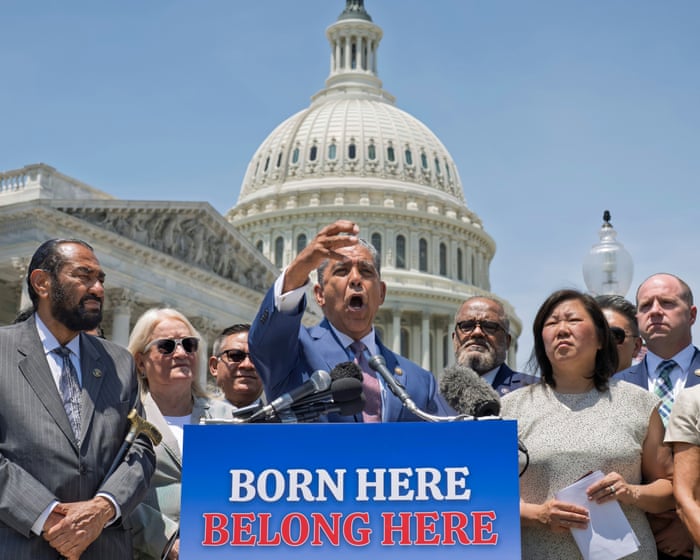
President calls ruling ‘too bad for our Country’ but says Congress should ‘start today’ to end matter – key US politics stories from Tuesday, 30 June at a glanceThe US supreme court has upheld birthright citizenship, which provides nearly all people born in the country with citizenship, ruling against a central piece of Donald Trump’s anti-immigrant agenda.Trump called the ruling “too bad for our Country”, but said the US Congress should now take up the matter legislatively, suggesting another avenue to keep the issue alive. Continue reading...
On the early edition of Balance of Power, Bloomberg Washington Correspondents Joe Mathieu and Kailey Leinz discuss the end of the Supreme Court's latest term. On today's show, Stonecourt Capital Partner Rick Davis, Maywood Strategies Founder Doug Farrar, former FTC Commissioner Rebecca Slaughter and Kpler Head of Policy and Geopolitical Risk Michelle Brouhard. (Source: Bloomberg)
Congress is not powerless to stop the worst aspects of birthright citizenship.
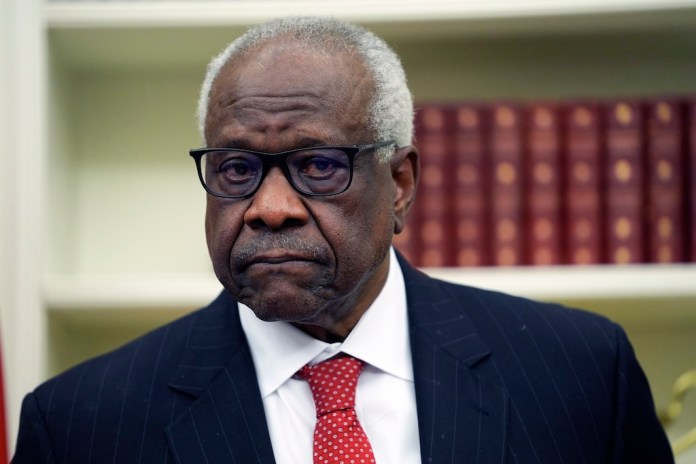
Justice Clarence Thomas shredded the Supreme Court‘s ruling striking down President Donald Trump‘s birthright citizenship order on Tuesday, accusing the majority ruling of using an “alternative history” of the 14th Amendment and expressing dismay over how it “devalues” citizenship. The high court ruled 5-4 that the 14th Amendment provides citizenship to children born in the […]
President Trump is slamming a Supreme Court decision that blocked his attempt to end automatic citizenship for the children of undocumented immigrants born in the U.S. NBC News’ Laura Jarrett reports.
The consensus view wins out at the Supreme Court, amid varied conservative dissents.